


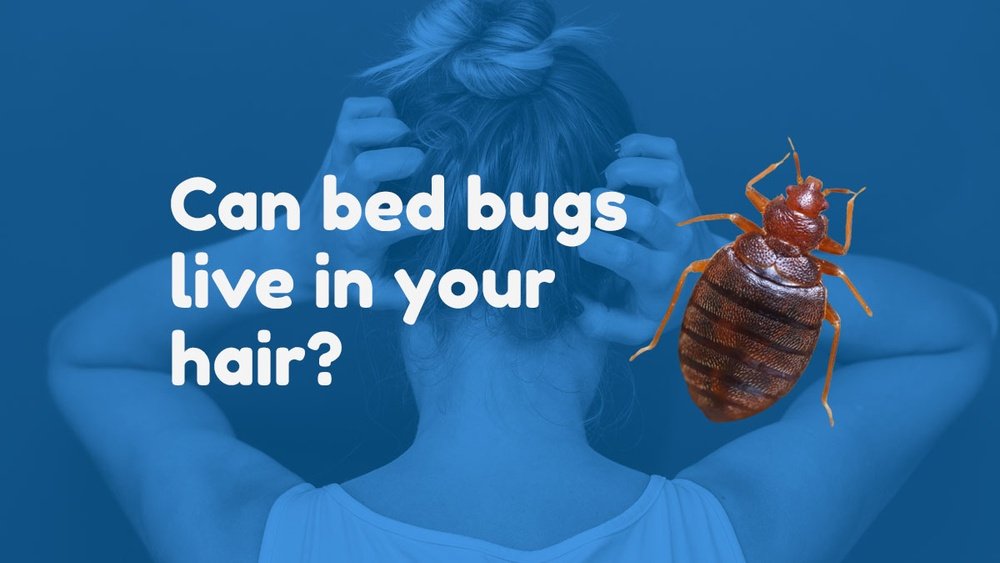
Are you worried that those itchy bumps or creepy little bugs might be hiding in your hair? The thought of bed bugs crawling through your strands can send shivers down anyone’s spine.
But do bed bugs really get in your hair, or is something else going on? Understanding the truth behind this common concern can help you act fast and avoid unnecessary panic. You’ll discover where bed bugs actually hide, how to tell if those bugs in your hair are lice instead, and what steps you should take if you suspect an infestation.
Keep reading to clear up the confusion and protect yourself and your family from these unwelcome guests.
Bed Bugs And Hair
Bed bugs are small insects that feed on human blood. Many people worry if these pests can get in their hair. Understanding their behavior helps clear up this concern.
Bed bugs prefer certain areas of the body for feeding and hiding. Their choices depend on where they can easily access skin and stay hidden.
Why Bed Bugs Avoid Hair
Bed bugs usually avoid hair because it is hard to move through. Hair strands create a tangled barrier that limits their movement. They prefer smooth skin where they can bite easily.
Hair also grows and sheds regularly, making it a risky place for bed bugs to stay. They need stable spots to hide during the day. Bedding and furniture offer safer hiding places.
Common Hiding Spots On The Body
Bed bugs like to hide near where people sleep. They often stay in mattress seams, bed frames, and headboards. These spots give easy access to exposed skin.
On the body, bed bugs target areas with thin skin. They prefer the neck, face, arms, and hands. These places are usually uncovered during sleep, making feeding easier.
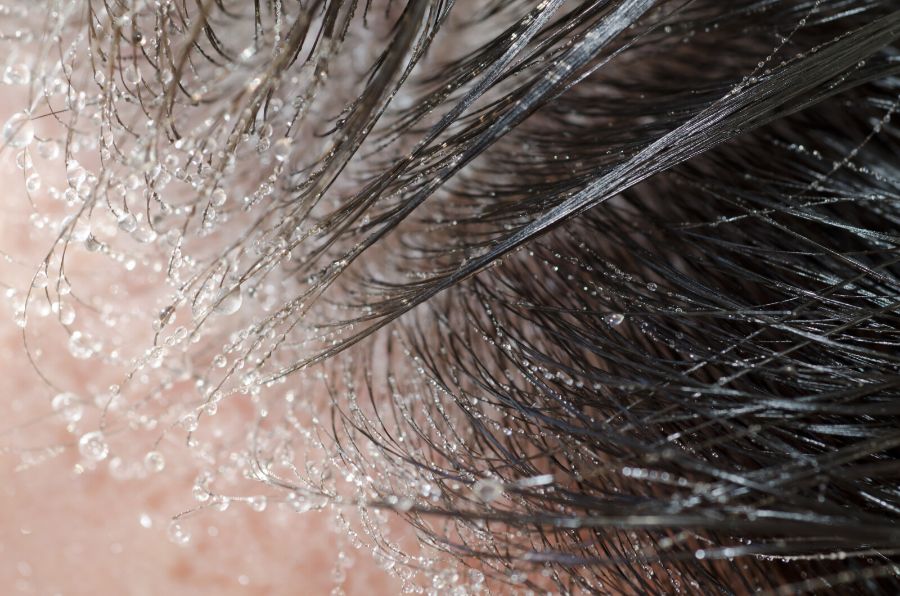
They rarely venture into hair, focusing on open skin instead. This behavior helps identify bed bugs from other pests like lice, which live in hair.
Credit: naturesmace.com
Symptoms Around Head And Hairline
Bed bugs rarely live in your hair. They prefer hiding near beds, furniture, or cracks. Still, bites can appear around your head and hairline. These bites cause discomfort and visible skin changes. Knowing the symptoms helps you identify an infestation early. Watch for itchiness, redness, and unusual marks near your scalp. These clues indicate nearby bed bugs, not bugs in your hair.
Itchy Red Welts
Bed bug bites show as red, swollen welts. They often appear in lines or clusters. You might see them on your face, neck, or hairline. These welts itch a lot and can be painful. Scratching may cause the skin to break and become infected. The pattern is sometimes called “breakfast, lunch, and dinner.”
Delayed Bite Reactions
Bites may not appear immediately. Sometimes, symptoms take days to show. This delay can confuse people about the source. The skin might become red and itchy later. Watch your skin carefully after staying in new places. Early signs can help catch an infestation before it grows.
Other Signs Of Infestation
Look for small blood spots on your sheets or pillowcases. Dark or rusty spots on mattresses mean bed bug excrement. You might find shed skins where they hide. A musty, sweet smell can also indicate bed bugs. These signs help confirm if bed bugs are near your sleeping area.
Bugs Or Eggs In Hair
Bugs or eggs found in hair often cause confusion. People wonder if bed bugs can live in hair or if it is something else. Bed bugs usually hide in beds and furniture, not hair. Finding bugs or tiny eggs in hair usually points to head lice.
Bed bugs feed on skin exposed during sleep. Their bites cause itchy, red bumps. These bites rarely occur in the hair area. Lice, on the other hand, live directly on the scalp and lay eggs on hair strands.
Identifying Head Lice
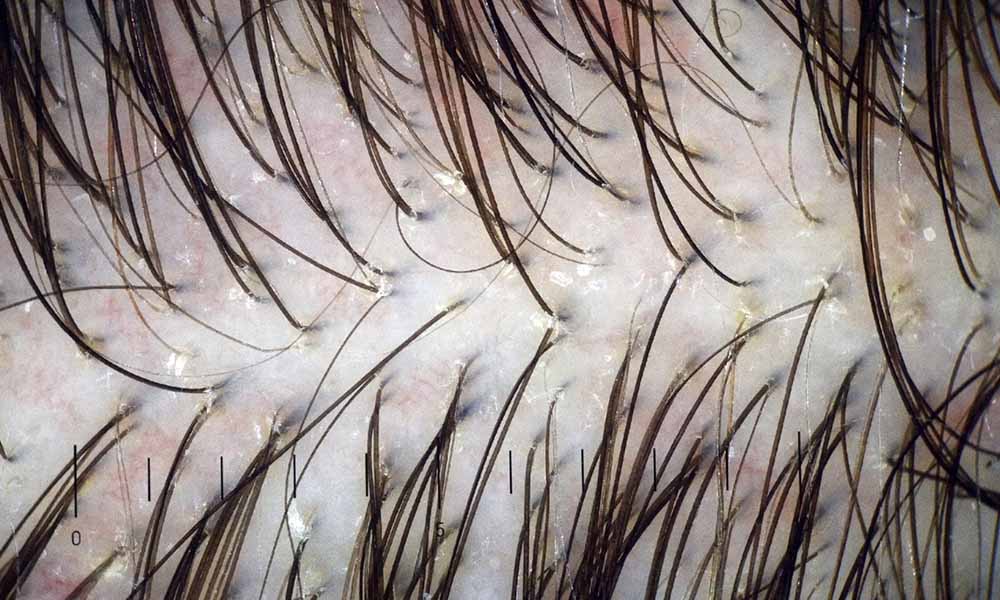
Head lice are small, wingless insects that live on the scalp. They attach their eggs, called nits, to hair shafts near the scalp. Nits look like tiny white or yellowish dots. They do not move but are hard to remove from hair. Adult lice are tiny, gray or tan, and move quickly.
It is common to see lice crawling on the scalp or find nits stuck near the hair roots. Lice do not jump or fly but crawl from one hair to another. They cause itching and discomfort, especially behind the ears and at the neck.
Lice Symptoms Vs Bed Bug Signs
Lice cause intense scalp itching, redness, and small sores from scratching. You may see nits or live lice on hair strands. Symptoms start soon after lice infestation.
Bed bug bites cause red, itchy bumps on skin, often in lines or clusters. These bites usually appear on exposed skin like the neck or face, not inside hair. Bed bugs leave dark spots on sheets or mattresses.
Unlike lice, bed bugs do not live on the body. They hide nearby and feed at night. Bed bug bites may take days to appear. Lice symptoms show up quickly and focus on the scalp.
Differences Between Bed Bugs And Lice
Understanding the differences between bed bugs and lice helps clear common confusions. Both pests cause itching and discomfort but vary in where they live and how they behave. Knowing these differences guides proper treatment and control methods.
Habitat And Behavior
Bed bugs hide near beds, furniture, and cracks in walls. They come out at night to feed on exposed skin. Bed bugs do not live in hair or on the scalp.
Lice live directly on the scalp and hair strands. They cling tightly to hair and lay eggs called nits close to the scalp. Lice move by crawling and do not jump or fly.
Bite And Infestation Patterns
Bed bug bites appear mostly on skin exposed during sleep, such as arms, neck, and face. Bites often form lines or clusters and cause red, itchy welts. Signs include rust-colored stains on sheets and musty odors in the room.
Lice bites cause intense scalp itching and irritation. You may see tiny bugs or white nits stuck to hair near the scalp. Lice infestations rarely cause skin welts but lead to constant scratching and discomfort.
Treatment Options
Treating bites or infestations requires clear steps. Knowing the right approach helps control discomfort and stops bugs fast. Treatment depends on whether lice or bed bugs cause the problem. Both need careful handling to avoid spread and ease symptoms.
Handling Suspected Lice
Check hair carefully for tiny bugs or nits close to the scalp. Use a fine-toothed nit comb to remove them. Apply medicated lice shampoo as directed on the package. Repeat treatments after one week to catch any new lice. Wash clothes, bedding, and hats in hot water. Vacuum floors and furniture to remove stray lice. Avoid sharing combs, hats, or pillows to prevent spreading.
Dealing With Bed Bug Infestations
Inspect bedding, mattresses, and furniture for signs of bed bugs. Look for rust-colored stains or small dark spots. Wash all bedding and fabrics in hot water and dry on high heat. Use a vacuum to clean mattresses, bed frames, and cracks. Consider using mattress covers to trap bugs inside. Contact a professional pest control service for thorough treatment. Follow all instructions carefully to ensure full removal.
Credit: txbedbugexperts.com
Bed Bug Habitats In Your Home
Bed bugs hide in many places inside your home. They prefer dark, tight spaces near where people sleep or rest. These pests avoid light and come out mostly at night. Understanding their favorite hiding spots helps you detect and stop infestations early.
They rarely live in hair but can be found close to sleeping areas. Knowing their common habitats can protect you and your family from bites and discomfort.
Pillows And Bedding
Bed bugs often hide in pillows and bedding. They squeeze into seams, folds, and crevices of mattresses and pillowcases. These places offer warmth and easy access to feeding on skin during sleep.
Look for small rust-colored spots on sheets or pillow covers. These spots may be bug droppings or crushed bed bugs. Wash and dry bedding in hot water to kill any hidden bugs.
Furniture And Other Hiding Places
Besides beds, bed bugs hide in furniture like couches and chairs. Cracks, joints, and underneath cushions are common spots. They also hide behind baseboards, picture frames, and electrical outlets.
Check these areas carefully if you suspect bed bugs. Vacuum and clean furniture regularly. Use protective covers on mattresses and box springs to reduce hiding places.

Credit: freedomwildlifesolutions.com
Frequently Asked Questions
How Do You Know If Bed Bugs Are In Your Hair?
Bed bugs rarely live in hair; they prefer beds and furniture. Intense itching, red welts on skin, and rust spots on sheets signal infestation. Tiny bugs or eggs on hair shafts usually indicate head lice, not bed bugs. Check scalp itching and visible nits for lice identification.
Where Do Bed Bugs Hide In Your Body?
Bed bugs rarely hide on your body. They prefer bedding, furniture, and cracks near sleeping areas, not your hair or scalp.
Can Bed Bugs Live In Your Pillow?
Bed bugs rarely live in pillows but can hide in seams or pillowcases. They prefer mattress crevices and furniture.
Can Bed Bugs Get In Your Private Parts?
Bed bugs rarely infest private parts. They prefer hiding in bedding or furniture, biting exposed skin during sleep. Itching or bites in the genital area may indicate proximity but not infestation. For bugs or eggs in hair, consider head lice, not bed bugs.
Conclusion
Bed bugs rarely live in your hair. They prefer hiding in beds and furniture. Bites appear on exposed skin, not the scalp. Itching and red welts often show on the neck and arms. If you find bugs or eggs in hair, it’s likely lice.
Lice cause scalp itching and have visible nits. Treat lice with special shampoos and combs. For bed bugs, check your bedding and call pest control. Knowing the difference helps you act fast. Stay calm and take proper steps to stay bug-free.
As an Amazon Associate, I earn from qualifying purchases.
Lovingshe is a participant in the Amazon Services LLC Associates Program which is an affiliate advertising program designed to provide a means for sites to earn advertising fees by advertising and linking to Amazon.com. Amazon may use cookies to track referrals from our site. Visit Amazon’s privacy policy for details
