



Have you noticed your hair feeling dry, brittle, or even thinning lately? You might be surprised to learn that dehydration could be playing a bigger role in your hair health than you think.
When your body lacks enough water, it doesn’t just affect your energy or skin—it can also stress your hair follicles, leading to hair loss or breakage. But here’s the good news: this type of hair loss is often reversible if you take the right steps to rehydrate.
You’ll discover how dehydration impacts your hair, simple ways to boost your hydration, and when it’s time to seek professional help. Keep reading to unlock the secrets to stronger, healthier hair starting today.
Credit: www.nourishbeaute.com
Dehydration And Hair Health
Dehydration affects more than just your body. It impacts hair health deeply. Hair needs water to stay strong and shiny. Without enough hydration, hair becomes weak and fragile. Understanding how dehydration harms hair helps in preventing damage.
Effects Of Dehydration On Hair
Hair cells rely on water to function well. Lack of water makes hair dry and brittle. This dryness leads to hair breakage and split ends. Dehydration also slows down hair growth. The scalp loses moisture, causing itchiness and flakiness. Poor hydration reduces the supply of nutrients to hair roots. This weakens hair follicles, making hair fall out easier.
Signs Of Dehydration-related Hair Damage
Look for these signs to spot dehydration damage:
- Hair feels rough and dull, lacking shine.
- Increased hair breakage and split ends.
- Scalp appears dry, flaky, or itchy.
- Hair falls out more than usual.
- Hair looks thin and lifeless.
Recognizing these signs early helps protect hair before severe damage happens.
How Hydration Supports Hair Growth
Hydration plays a crucial role in maintaining healthy hair growth. Water supports the scalp and hair follicles, creating an environment where hair can thrive. Without enough hydration, hair becomes weak and prone to damage. Keeping the body well-hydrated ensures the scalp stays moist and nourished. This moisture balance helps prevent hair breakage and supports strong strands.
Scalp Moisture And Breakage Prevention
The scalp needs moisture to stay healthy. Dry scalp can lead to itching and flaking. When the scalp lacks hydration, hair strands become brittle. Brittle hair breaks easily, causing thinning over time. Drinking enough water keeps the scalp hydrated. This reduces dryness and protects hair from breaking.
Nutrient Delivery To Follicles
Water helps transport nutrients throughout the body. Hair follicles receive oxygen and essential vitamins through the bloodstream. Proper hydration improves blood flow to the scalp. Better blood flow means follicles get more nutrients. This supports new hair growth and strengthens existing hair strands.
Reducing Oxidative Stress
Oxidative stress damages hair follicles and slows growth. Dehydration increases oxidative stress levels in the body. Staying hydrated helps lower this stress. Water flushes out toxins that harm hair cells. Reduced oxidative stress keeps follicles healthy and active, supporting continuous hair growth.
Reversing Hair Loss From Dehydration
Reversing hair loss caused by dehydration requires focused care on restoring the body’s fluid balance. Hair follicles need proper hydration to function well and support new hair growth. Without enough water, follicles can weaken, leading to hair shedding and breakage.
Restoring hydration helps improve scalp health and nutrient delivery to hair roots. This can gradually bring hair back to its natural strength and volume. Simple lifestyle changes and consistent hydration create the best environment for hair recovery.
Increasing Water Intake
Drink at least eight glasses of water daily. Spread water consumption evenly throughout the day. This keeps the scalp hydrated and supports hair follicles. During hot weather or exercise, drink extra water to replace lost fluids. Avoid waiting until you feel thirsty to drink water.
Incorporating Water-rich Foods
Eat fruits and vegetables with high water content. Examples include cucumbers, watermelon, oranges, and strawberries. These foods add hydration and provide vitamins that nourish hair. They also help maintain scalp moisture and reduce dryness. Include these foods in daily meals and snacks.
Avoiding Sugary Beverages
Sugary drinks can cause dehydration by drawing water out of the body. Limit soda, energy drinks, and sweetened juices. These drinks also harm overall health and may worsen hair loss. Choose plain water or herbal teas instead. This helps keep the body and hair hydrated.
Using Oral Rehydration Solutions
Oral rehydration solutions are useful if dehydration comes from illness. They restore lost salts and fluids quickly. Use them during or after vomiting, diarrhea, or heavy sweating. These solutions support faster recovery and protect hair follicles. Consult a doctor before use if unsure.
Expected Timeline For Hair Recovery
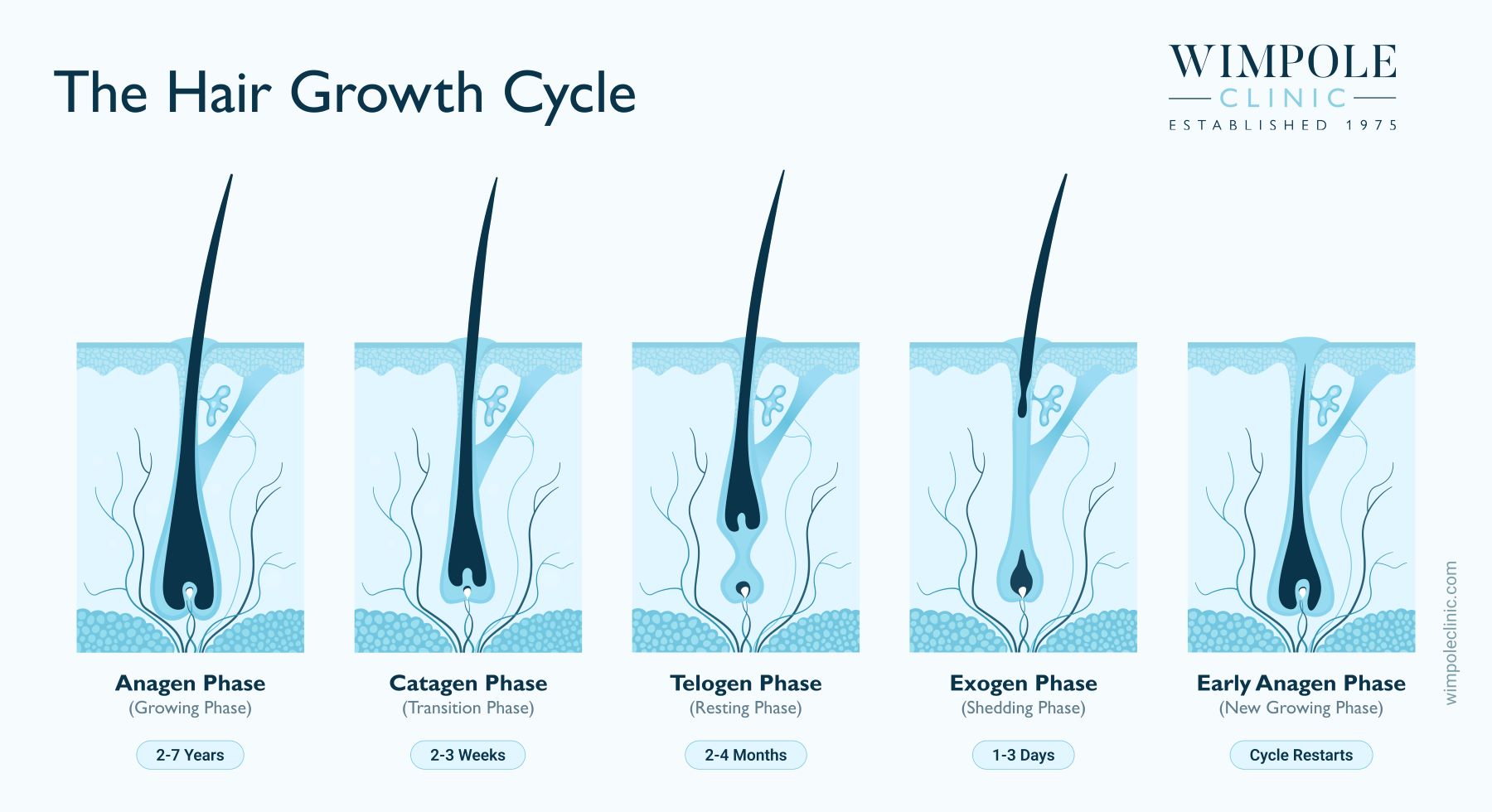
Hair recovery from dehydration takes time. Visible improvement usually appears after several weeks. Hair grows about half an inch each month. Consistent hydration supports healthy new hair growth. Severe or long-term hair loss may require medical advice. Patience and steady care bring the best results.

Credit: scandinavianbiolabs.com
When To Seek Medical Advice
Knowing when to seek medical advice for hair loss linked to dehydration is important. Hair loss can sometimes be a sign of deeper health issues. Early consultation with a healthcare provider helps find the right solutions. Medical advice is crucial when hair loss continues despite proper hydration or worsens over time.
Persistent Shedding And Thinning
Hair shedding is normal, but persistent loss signals a problem. Noticeable thinning or bald patches need prompt medical evaluation. A doctor can determine if dehydration or another condition causes the problem. Early diagnosis can prevent further hair damage and promote recovery.
Addressing Severe Or Chronic Dehydration
Severe dehydration affects more than just hair. Chronic dehydration can harm your overall health and hair follicles. Medical professionals can treat underlying causes and offer rehydration therapies. Proper treatment reduces hair loss risk and supports scalp health.
Exploring Advanced Hair Loss Treatments
Some hair loss requires more than hydration to reverse. Specialists may suggest treatments like topical solutions, medications, or hair transplants. These options help restore hair density and improve scalp condition. Professional guidance ensures the best treatment plan for lasting results.
Credit: wimpoleclinic.com
Frequently Asked Questions
Will Hair Loss From Dehydration Grow Back?
Yes, hair loss from dehydration usually grows back by restoring hydration. Drinking water improves scalp health and supports hair regrowth over weeks. Persistent or severe loss may need medical advice.
What Does Dehydration Hair Loss Look Like?
Dehydration hair loss appears as dry, brittle hair that breaks easily. Hair looks thin, dull, and lacks shine. Scalp dryness may increase shedding and cause visible thinning.
Can Drinking Water Help Hair Loss?
Drinking water supports healthy hair by hydrating the scalp and delivering nutrients to follicles. Proper hydration can reduce hair loss caused by dehydration.
What Are Two Warning Signs Of Dehydration?
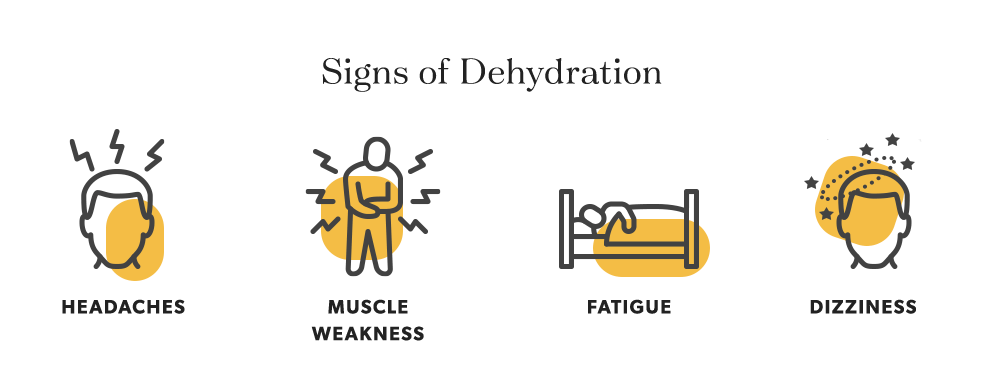
Two warning signs of dehydration are dry mouth and dark yellow urine. Another sign is dizziness or lightheadedness.
Conclusion
Dehydration can lead to hair loss by stressing hair follicles. Drinking enough water helps keep your scalp healthy and supports hair growth. Eating fruits and vegetables adds hydration and important nutrients. Avoid sugary drinks, as they can make dehydration worse.
Hair grows slowly, so be patient while improving hydration habits. If hair loss continues or worsens, seek advice from a healthcare provider. Staying hydrated is a simple step to help maintain strong, healthy hair.
As an Amazon Associate, I earn from qualifying purchases.
Lovingshe is a participant in the Amazon Services LLC Associates Program which is an affiliate advertising program designed to provide a means for sites to earn advertising fees by advertising and linking to Amazon.com. Amazon may use cookies to track referrals from our site. Visit Amazon’s privacy policy for details
