


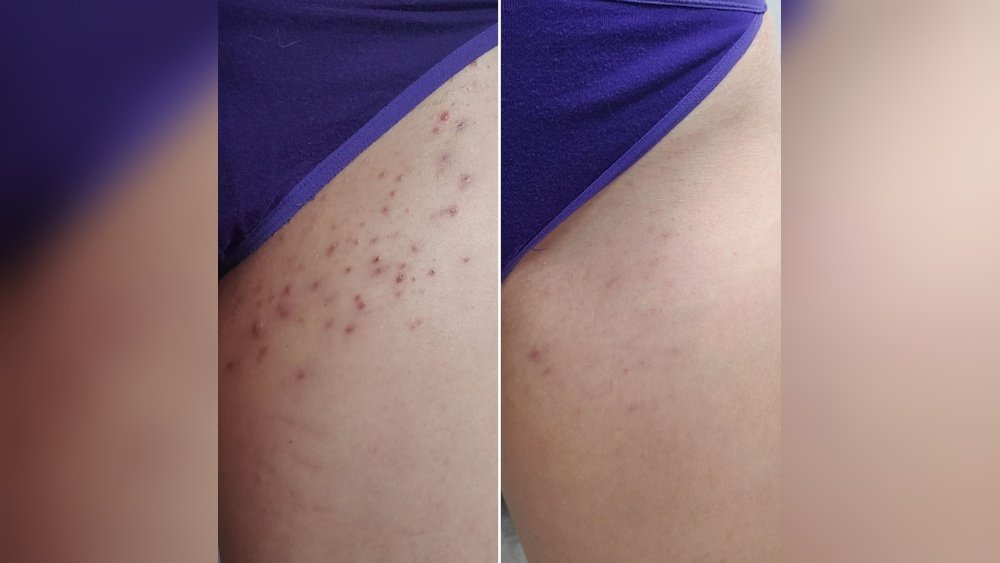
Ingrown hair scars can be stubborn and frustrating, leaving you feeling self-conscious about your skin. If you’ve tried hiding these marks or covering them up, it’s time to take control and start fading them for good.
You don’t have to accept dark spots or bumps as a permanent reminder. With the right care and simple steps, you can improve your skin’s appearance and boost your confidence. Ready to discover how to get rid of ingrown hair scars effectively?
Keep reading to learn easy, proven methods that work—and what you should avoid to prevent making things worse. Your clearer, smoother skin is closer than you think.

Credit: www.wikihow.com
Causes Of Ingrown Hair Scars
Ingrown hair scars appear after the skin heals from trapped hairs. These scars form due to inflammation and damage caused by ingrown hairs. Understanding why these scars develop helps in preventing and treating them effectively.
How Ingrown Hairs Form
Ingrown hairs happen when a hair grows back into the skin. Instead of rising outwards, the hair curls and grows beneath the surface. This causes redness, swelling, and bumps that can become infected. Picking or scratching these bumps worsens skin damage. The trapped hair causes irritation, which may lead to scarring as the skin tries to heal.
Types Of Scars And Dark Spots
Ingrown hairs can leave behind different skin marks. Some scars are raised and thick, known as keloid or hypertrophic scars. Others are flat but dark, called hyperpigmentation or dark spots. These dark spots form because the skin produces extra pigment during healing. Both types affect skin texture and color. Proper care can reduce their appearance over time.

Credit: www.reddit.com
Key Ingredients For Scar Treatment
Effective scar treatment depends on using the right ingredients. These ingredients help fade discoloration, smooth skin texture, and support healing. Each plays a unique role in reducing ingrown hair scars.
Combining these ingredients can improve results and restore even skin tone. Below are the key ingredients to look for in scar treatments.
Exfoliants: Ahas And Bhas
Alpha-hydroxy acids (AHAs) and beta-hydroxy acids (BHAs) gently remove dead skin cells. AHAs like glycolic and lactic acid work on the skin surface. BHAs, such as salicylic acid, penetrate pores to clear blockages.
These acids speed up skin renewal and fade dark spots left by ingrown hairs. Regular exfoliation softens scars and evens skin texture.
Melanin Inhibitors
Melanin inhibitors reduce the production of pigment causing dark spots. Vitamin C, kojic acid, and niacinamide are popular choices. They help brighten the skin and prevent scars from darkening further.
Other ingredients like azelaic acid and licorice root extract calm inflammation and fade discoloration. These agents support a clearer, more even complexion.
Cell Turnover Boosters
Retinoids, such as tretinoin, enhance cell turnover to reveal fresh skin beneath. Faster renewal helps scars heal and fade quicker. Retinoids also promote collagen production, improving skin firmness.
Use retinoids carefully as they can cause dryness or irritation. Start slow and build tolerance.
Soothing Agents
Soothing ingredients calm irritated skin and reduce redness. Niacinamide is excellent for skin barrier repair and inflammation control. Tea tree oil offers antibacterial benefits and helps prevent infection.
These agents support healing and comfort during scar treatment. They also reduce the risk of further irritation.
At-home Treatment Steps
At-home treatments offer simple ways to reduce ingrown hair scars. These steps help fade dark spots and smooth skin texture. Consistency is key for visible results over time.
Use gentle methods to avoid irritation and promote healing. Combine exfoliation, serums, warm compresses, retinoids, and sun protection. Follow each step carefully to improve your skin’s appearance.
Gentle Exfoliation Techniques
Exfoliation removes dead skin cells and helps release trapped hairs. Use a soft washcloth or a mild scrub with AHAs or BHAs. Gently massage your skin in small circles. Do this two to three times a week. Avoid harsh scrubbing to prevent irritation.
Applying Targeted Serums
Serums with niacinamide, vitamin C, or azelaic acid calm inflammation. These ingredients help fade dark spots and even skin tone. Apply serum after cleansing and exfoliating. Use a few drops and pat it gently into your skin. Allow it to absorb before the next step.
Using Warm Compresses
A warm compress softens the skin and soothes inflammation. Soak a clean cloth in warm water and apply it to the affected area. Hold it there for 5 to 10 minutes. Repeat this twice daily to help release ingrown hairs and reduce swelling.
Retinoid Creams
Retinoids speed up skin cell turnover and fade discoloration. Use a retinoid cream like tretinoin as directed by your doctor. Apply it at night on clean, dry skin. Start with a small amount to avoid irritation. Retinoids improve texture and lighten scars over time.
Daily Sun Protection
Sun exposure darkens scars and slows healing. Apply a broad-spectrum sunscreen with at least SPF 30 every day. Reapply every two hours if outdoors. Use sunscreen even on cloudy days or indoors near windows. Protecting your skin prevents scars from becoming darker.
Common Mistakes To Avoid
Ingrown hair scars can be stubborn and frustrating to treat. Avoiding common mistakes speeds up healing and reduces scar visibility. Many worsen scars without realizing it. Being careful helps skin recover better.
Picking And Scratching
Picking at ingrown hairs or scars damages your skin. It causes more inflammation and slows healing. Scratching spreads bacteria, which can lead to infection. This worsens scars and dark spots. Let your skin heal naturally without interference.
Aggressive Hair Removal
Using harsh methods to remove hair can irritate skin and cause ingrown hairs. Shaving too closely or waxing frequently damages the hair follicle. This triggers scarring and inflammation. Choose gentle hair removal techniques. Give your skin time to recover between sessions.
Professional Treatments
Professional treatments offer effective ways to reduce ingrown hair scars. These options target scar tissue and promote skin healing faster than home remedies. Treatments vary by severity and skin type. Consulting a specialist helps choose the best method.
When To See A Dermatologist
Visit a dermatologist if scars are deep or painful. Persistent discoloration or swelling also needs expert care. A professional can diagnose skin issues and suggest safe treatments. Early consultation prevents worsening and scarring.
In-office Chemical Peels
Chemical peels remove the top skin layer, improving texture and tone. They use acids like glycolic or salicylic acid to exfoliate damaged skin. This process fades dark spots and smooths scars. Multiple sessions may be needed for best results.
Sterile Hair Removal Options
Professional hair removal reduces ingrown hairs and related scarring. Techniques like laser or electrolysis stop hair growth safely. These methods lower irritation compared to shaving or waxing. Sterile procedures also minimize infection risks.
Credit: www.reddit.com
Managing Keloid Scars From Ingrown Hairs
Keloid scars from ingrown hairs can be tough to manage. These raised, thick scars form when the skin heals too aggressively. They often cause discomfort and may affect your confidence. Treating keloid scars requires care and patience. Understanding treatment options and prevention helps control their appearance.
Specialized Treatments
Corticosteroid injections reduce inflammation and flatten keloids. They work by softening scar tissue and shrinking its size. Silicone gel sheets help keep the scar hydrated and smooth. Pressure therapy uses tight bandages to reduce scar thickness. Laser therapy targets blood vessels in the scar to lessen redness. Cryotherapy freezes the scar tissue, causing it to shrink. Surgery removes keloids but has risks of recurrence. Combining treatments often improves results. Consult a dermatologist for the best plan.
Prevention Tips
Avoid picking or squeezing ingrown hairs to prevent scars. Keep the skin clean and moisturized to support healing. Use gentle exfoliation to free trapped hairs and reduce irritation. Wear loose clothing to avoid friction on sensitive areas. Apply sunscreen daily to prevent darkening of scars. Treat ingrown hairs early with warm compresses and topical care. Avoid shaving too closely to reduce skin trauma. Healthy skin habits lower the chance of keloid formation.
Frequently Asked Questions
Can Ingrown Hair Scars Go Away?
Ingrown hair scars can fade over time with proper care. Use exfoliants, melanin inhibitors, retinoids, and daily SPF to speed healing. Avoid picking and treat skin gently for best results.
How Do You Get Rid Of Dark Spots From Ingrown Hairs?
Exfoliate with AHAs/BHAs to remove pigmented cells. Apply Vitamin C, Niacinamide, or Kojic Acid to reduce dark spots. Use retinoids to speed cell turnover. Treat ingrown hairs gently with warm compresses and tea tree oil. Always apply daily SPF to prevent worsening.
Avoid picking.
How To Get Rid Of Keloid Scars From Ingrown Hair?
Treat keloid scars from ingrown hair with gentle exfoliation using AHAs/BHAs. Apply retinoids and melanin inhibitors like Vitamin C. Use warm compresses and avoid picking. Protect skin daily with SPF. Consult a dermatologist for persistent or severe scars.
What Do Ingrown Scars Look Like?
Ingrown scars appear as raised, red or dark bumps on the skin. They often have a rough, uneven texture. These scars may show discoloration and sometimes form small, painful nodules.
Conclusion
Treating ingrown hair scars takes patience and consistent care. Use gentle exfoliation and targeted serums daily. Protect your skin with sunscreen to prevent darkening. Avoid picking or harsh shaving on affected areas. Warm compresses and natural oils help soothe irritation.
Retinoids can speed up skin renewal and fade scars. Remember, scars improve slowly but steadily with time. Seek professional help if scars worsen or infections appear. Healthy skin habits support long-term healing and a clearer complexion. Keep your routine simple and stay consistent for best results.
As an Amazon Associate, I earn from qualifying purchases.
Lovingshe is a participant in the Amazon Services LLC Associates Program which is an affiliate advertising program designed to provide a means for sites to earn advertising fees by advertising and linking to Amazon.com. Amazon may use cookies to track referrals from our site. Visit Amazon’s privacy policy for details
