



Are you struggling with head lice and wondering if something as simple as blow drying your hair could get rid of them? It’s tempting to think that the heat from your blow dryer might be enough to kill those stubborn lice and their eggs.
After all, heat is known to kill many pests, so why not lice? But before you rely on your hairdryer as a quick fix, it’s important to know the truth about how effective blow drying really is against lice—and what you should do instead to protect your hair and scalp.
Keep reading to discover the facts and learn the safest, most reliable ways to eliminate lice for good.
Credit: carolinasliceremoval.com
Blow Drying And Lice
Blow drying hair is a common part of daily grooming. Many wonder if this routine can also kill lice. Understanding the effects of blow drying on lice helps clarify its usefulness. This section explores how heat impacts lice and the limits of using blow dryers for lice removal.
How Heat Affects Lice
Lice are sensitive to heat but only at very high temperatures. Blow dryers produce warm air that can dry hair quickly. This heat may stress or weaken lice on the hair surface. However, lice and their eggs (nits) live very close to the scalp. The scalp remains cooler than the air from the dryer. This means most lice stay protected from direct heat.
To kill lice with heat, temperatures must be above 130°F (54°C) for several minutes. Blow dryers rarely reach or maintain this level near the scalp. Even if some lice die, many survive in cooler, hidden areas. Nits are especially resistant because their shells protect the embryos inside.
Limitations Of Blow Dryers
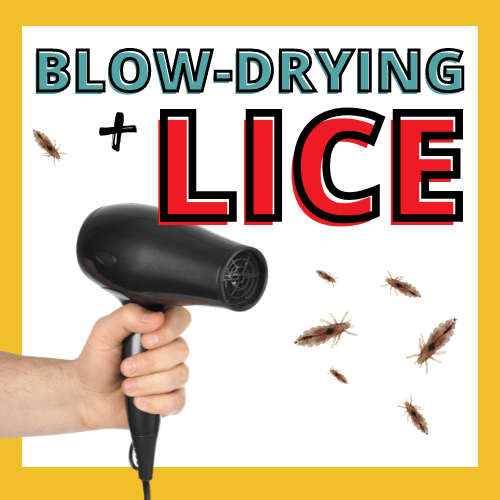
Blow drying alone cannot guarantee lice removal. The heat is uneven and often too mild to kill all lice and nits. Relying on a dryer risks leaving live lice behind. These survivors can continue to lay eggs, causing reinfestation.
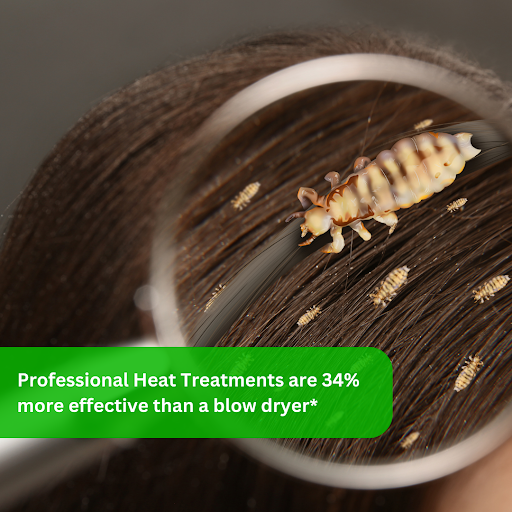
Using a blow dryer might dry the hair but does not replace proper lice treatments. Over-the-counter shampoos and fine-toothed combing remain necessary. These methods ensure physical removal of lice and eggs. Professional treatments with controlled heated air are designed specifically to kill lice safely and effectively.

Credit: www.youtube.com
Why Blow Drying Misses Nits
Blow drying might feel like a quick fix for lice, but it often misses the tiny eggs called nits. Understanding why blow drying does not kill nits helps explain why infestations persist. The location of nits and the limits of heat penetration play big roles.
Location Of Nits On Hair
Nits stick very close to the scalp, usually within 1/4 inch. This area is protected by hair strands and skin. Nits attach firmly to the hair shaft with a strong glue-like substance. This makes them hard to remove or reach with heat alone.
The scalp’s warmth keeps nits safe and hidden. They are often near the ears and neck, spots hard to expose fully to a blow dryer. Even if the air is hot, it rarely touches these areas enough to kill nits.
Heat Penetration Challenges
Hot air from a blow dryer cools quickly as it moves away from the nozzle. The heat does not stay strong enough near the scalp to kill nits. Hair strands block and scatter the heat, reducing its effectiveness.
Blow dryers focus on drying hair, not delivering consistent heat. The airflow is uneven, missing many nits hidden under layers of hair. Nits can survive because the heat never reaches the temperature needed to kill them.
Too much heat close to the scalp risks burns and damage to skin. Safe blow drying temperatures are usually too low to destroy nits. This makes blow drying an unreliable method to treat lice infestations.
Risks Of Using Heat On Scalp
Using heat on the scalp to kill lice might seem like a quick fix. The idea of blow drying hair to eliminate lice is common. Yet, applying heat directly to the scalp carries several risks. It can harm both the skin and hair. Understanding these risks helps avoid more damage while trying to get rid of lice.
Burns And Skin Damage
High heat from blow dryers can cause burns on the scalp. The skin on the head is sensitive and can get damaged easily. Burns may appear as redness, blisters, or peeling skin. These injuries can be painful and take time to heal. Using a blow dryer too close or on high settings increases the risk. Burned skin also becomes more prone to infections. Avoiding direct heat on the scalp is safer for skin health.
Hair Dryness And Breakage
Heat dries out the hair and scalp. Over time, this causes the hair to become brittle. Dry hair breaks more easily and loses its shine. Blow drying hair frequently or using high heat worsens dryness. The scalp can also lose moisture, leading to itchiness and flakiness. Damaged hair looks unhealthy and may be harder to manage. Using gentle heat or air drying reduces the chance of hair breakage.
Credit: myliceadvice.com
Effective Lice Treatments
Effective lice treatments target both live lice and their eggs (nits). Removing lice requires a combination of methods. These treatments ensure better success than heat alone. The following options are proven to work well in most cases.
Medicated Shampoos And Lotions
Medicated shampoos and lotions contain insecticides that kill lice. They are available over-the-counter or by prescription. These products work by poisoning or suffocating lice. Follow the instructions carefully for the best results. Repeat treatment may be needed to kill newly hatched lice.
Wet Combing Technique
Wet combing removes lice and nits manually using a fine-toothed comb. Hair is soaked and conditioner is applied to ease combing. Comb through hair section by section, from roots to tips. This method takes time but is safe and chemical-free. Perform wet combing every few days for at least two weeks.
Professional Heat-based Devices
Professional heat-based devices use controlled warm air to kill lice and nits. These devices dehydrate lice by drying out their bodies. Treatments are done in clinics by trained technicians. Heat-based methods avoid chemicals and reduce the risk of resistance. Results improve when combined with combing and medicated products.
Common Myths About Lice Removal
Many people believe certain common methods can kill lice instantly. These ideas often spread through word of mouth or online posts. It is important to understand what really works and what does not. Misunderstandings can lead to ineffective treatments and prolonged infestations. Let’s clear up some popular myths about lice removal.
Blow Dryers And Hair Straighteners
Some think using blow dryers or hair straighteners kills lice. The idea is heat will dry out and kill lice and their eggs. In reality, these tools do not reach the right temperature evenly. Lice and their eggs live close to the scalp where heat is hard to apply safely.
Hair straighteners can burn the scalp if used too close. They may kill a few adult lice but usually miss the eggs. Eggs are tiny and stick firmly to hair strands. Heat from these tools does not last long enough to kill all lice and eggs. This makes blow drying or straightening an unreliable method.
Diy Home Remedies
Many home remedies claim to remove lice completely. People try mayonnaise, olive oil, or vinegar to suffocate lice. These remedies might make hair slippery but rarely kill all lice. Lice can survive these treatments and come back quickly.
Home remedies lack strong scientific proof. They do not remove eggs stuck to hair. Using these methods alone wastes time and can delay proper treatment. The best way to remove lice is to use proven medicated products and combing.
Safe Practices For Lice Management
Managing lice safely requires careful methods beyond just heat treatments. Blow drying hair cannot reliably kill lice or their eggs. Proper care includes physical removal and safe products. Avoid harsh methods that can harm the scalp or leave eggs behind. Follow proven practices for best results and to prevent re-infestation.
Proper Combing Tools
Use a fine-toothed metal comb designed for lice removal. Plastic combs often miss tiny nits and lice. Comb hair in small sections for thorough treatment. Wet hair combing is more effective as it slows lice movement. Clean the comb after each pass to remove lice and eggs. Repeat combing every few days until lice disappear.
When To Seek Professional Help
Consider professional lice removal if home treatments fail. Specialists have tools and knowledge to remove lice safely. They can identify the best treatment for your case. Professional help reduces risk of damage or incomplete removal. Seek help if scalp becomes irritated or infection appears. Early intervention prevents spread to others.
Frequently Asked Questions
Does The Blow Dryer Kill Lice Eggs?
A blow dryer does not reliably kill lice eggs. Heat from blow drying cannot reach or destroy all nits. Use specialized lice treatments and fine-toothed combing for effective removal.
Will Using A Hair Straightener Kill Lice?
Using a hair straightener won’t reliably kill lice or their eggs. It risks burns and misses eggs near the scalp. Effective lice removal needs medicated treatments and fine-toothed combing.
Can Blow Drying Kill Head Lice Instantly?
Blow drying alone cannot kill head lice instantly. The heat from a regular blow dryer is not high or consistent enough to eliminate all lice and their eggs. Effective lice removal requires specialized treatments or devices designed to dehydrate and kill lice safely.
Does Blow Drying Kill Lice Eggs (nits)?
Blow drying does not reliably kill lice eggs. Nits are firmly attached near the scalp, where heat from a blow dryer is insufficient to destroy them. Removing nits requires fine-toothed combing combined with medicated treatments for full effectiveness.
Conclusion
Blow drying alone does not kill lice or their eggs effectively. The heat from a blow dryer is uneven and often not hot enough to reach lice hiding near the scalp. Relying on blow drying can leave many lice and nits alive.
Using medicated treatments and fine-toothed combs offers a better chance to remove lice completely. Professional lice removal options provide safe and thorough treatment. Combining careful combing with proper treatments ensures better results. Don’t depend on heat alone to solve a lice problem.
Effective removal takes patience and the right tools.
As an Amazon Associate, I earn from qualifying purchases.
Lovingshe is a participant in the Amazon Services LLC Associates Program which is an affiliate advertising program designed to provide a means for sites to earn advertising fees by advertising and linking to Amazon.com. Amazon may use cookies to track referrals from our site. Visit Amazon’s privacy policy for details
