


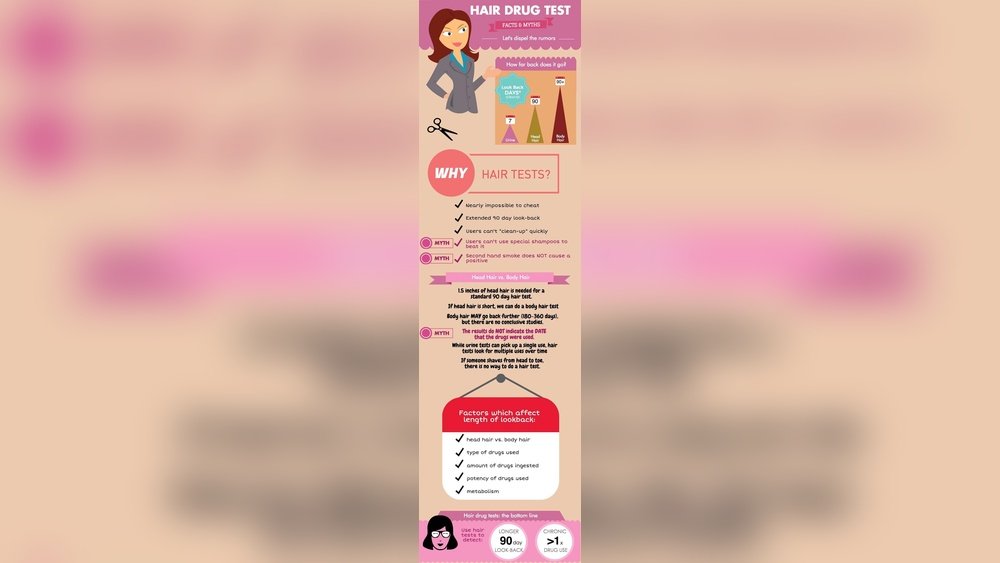
Wondering how far back a hair follicle drug test can detect drug use? If you’re facing a drug screening or just curious about how these tests work, understanding the detection window is crucial.
Hair follicle tests don’t just look at recent drug use—they can reveal a history that spans months. This means your past habits might show up long after you think they’re gone. Keep reading to discover exactly how long drugs can be detected in your hair, why this test is so reliable, and what you can do if you’re concerned about the results.
Your knowledge here could make all the difference.
Detection Window Of Hair Follicle Tests
Hair follicle drug tests provide a unique way to check for drug use over an extended period. They analyze hair strands to detect traces of drugs. This method has a longer detection window than urine or blood tests. Understanding the detection window helps to know how far back drug use can be identified.
Typical Time Frame For Drug Detection
Hair follicle tests typically detect drug use from about one week up to three months. The test looks at the hair closest to the scalp. Hair grows around half an inch per month. Usually, labs test 1.5 inches of hair to cover 90 days. Drugs enter the hair follicles through the bloodstream, showing past drug use over time.
Factors Affecting Detection Duration
Several factors affect how long drugs stay detectable in hair. Hair growth rate varies by person, changing the detection window. The type and amount of drug used also matter. Heavy or frequent use leaves more drug traces. Hair color and texture can influence results. Darker, coarser hair may hold drug traces longer. Chemical treatments like bleaching can reduce drug levels in hair. These factors make detection duration different for each individual.
How Hair Drug Testing Works
Hair follicle drug testing detects drug use by analyzing hair samples. It works by identifying traces of drugs and their metabolites stored in the hair. This method can reveal drug use over several months. Understanding how it works helps clarify its reliability and time frame.
Drug Metabolite Incorporation
When drugs enter the bloodstream, the body breaks them down into metabolites. These metabolites travel to hair follicles through the blood supply. As hair grows, it traps these metabolites inside the hair shaft. This process creates a timeline of drug use based on hair length. The average hair growth rate is about half an inch per month. Therefore, a 1.5-inch hair sample can show drug use for up to 90 days.
Sample Collection And Analysis
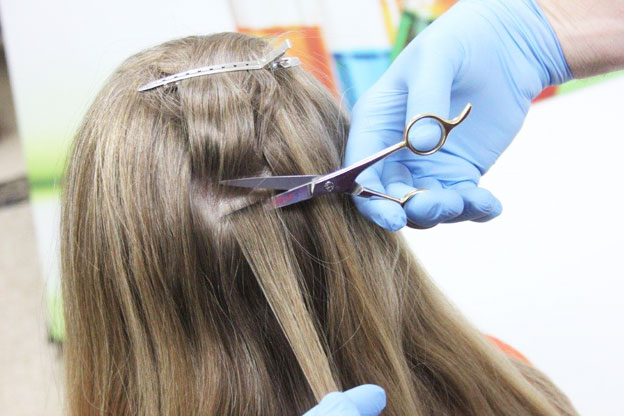
The tester cuts a small hair sample close to the scalp. Usually, hair from the crown of the head is preferred. If head hair is unavailable, body hair may be used. The sample is sent to a lab for testing. In the lab, the hair is washed to remove external contaminants. Then, technicians extract drug metabolites for analysis. Specialized instruments detect and measure these substances. The results show whether drugs were used and estimate the time frame.
Drugs Commonly Detected
Hair follicle drug tests detect drug use over a long period. They analyze hair strands to find traces of substances. This test shows drug use from up to 90 days prior. The test can identify many types of drugs. Understanding the substances commonly detected helps explain how the test works.
Thc And Cannabis
THC is the main active ingredient in cannabis. Hair tests can detect THC and its metabolites. These substances stay in hair longer than in blood or urine. The test can show cannabis use from months ago. It is more reliable for frequent cannabis users. Light or occasional use may not always show up. Labs look for THC-COOH, a key metabolite, in hair samples.
Other Substances
Hair follicle tests detect many common drugs. These include cocaine, heroin, and methamphetamine. Prescription opioids like oxycodone and hydrocodone are also found. Benzodiazepines, such as Valium and Xanax, show up in tests. Amphetamines and ecstasy can be detected too. The test captures drug use over weeks to months. This broad detection makes it useful for employers and law enforcement.
Accuracy And Limitations
Hair follicle drug tests offer a long detection window, but their accuracy has limits. Understanding these limits helps in interpreting test results correctly. These tests detect drug use by analyzing hair strands for drug metabolites. Accuracy depends on various factors, including usage levels and hair type.
Reliability For Different Usage Levels
Hair follicle tests are very reliable for frequent drug users. Daily or near-daily drug use leaves clear traces in hair. Light or occasional use is harder to detect accurately. Small amounts of drugs might not show up in the hair sample. The test is less sensitive to a single or rare use. Hair growth rate also affects detection time and reliability.
Possibility Of False Positives Or Negatives
False positives can happen but are rare with proper lab methods. External contamination, like smoke or contact with drugs, may affect results. Labs wash hair samples to reduce this risk. False negatives occur if drug levels are too low to detect. Very short hair or dyed hair may lead to inaccurate results. Testing errors or improper sample handling can also cause false results.
Strategies To Pass Hair Follicle Tests
Strategies to pass hair follicle drug tests focus on reducing or eliminating drug traces in hair. Understanding how these tests work helps to plan the best approach. The hair grows about half an inch per month, so the test can detect drug use from the past 90 days. Here are common methods people use to try to pass these tests.
Time And Abstinence
Stopping drug use immediately is key. The hair tested grows from the root, so new clean hair replaces contaminated hair over time. The longer the abstinence, the better the chance of passing. Waiting three months without drugs gives the best results.
Haircuts And Sample Reduction
Cutting hair very short can reduce the amount of sample available. Some believe this lowers the chance of detection. Labs may collect body hair if scalp hair is too short. This makes relying on haircuts alone risky and unreliable.
Detox Shampoos And Treatments
Detox shampoos claim to remove drug residues from hair. They contain special chemicals to open hair cuticles and wash out toxins. Results vary widely and are not guaranteed. Some people report success, while others still fail tests.
Risks Of Harsh Hair Treatments
Bleaching, dyeing, or using strong chemicals can damage hair. These treatments may reduce drug levels in hair but can also alert testers. Labs may reject damaged samples or test other hair types. Harsh treatments carry a risk of drawing attention.
Shaving And Alternative Samples
Shaving all hair may seem like a quick fix. Testers might collect hair from other body parts or switch to urine or blood tests. This method can raise suspicion and may not avoid detection. It is often not a reliable strategy.

Credit: www.relialabtest.com
Myths And Facts About Hair Drug Testing
Many people have questions about hair follicle drug tests. Some believe myths that confuse the facts. Understanding the truth helps avoid wrong assumptions. This section clears up common myths and shares real facts.
Myth: Hair Tests Detect Drug Use From Years Ago
Some think hair tests show drug use from many years back. The truth is hair tests usually detect drug use from the past 90 days. Hair grows about half an inch per month. Labs test the first 1.5 inches of hair from the scalp. This equals about three months of drug history.
Myth: Hair Tests Can Detect Single Or Very Light Drug Use
Many believe even a single drug use shows up in hair tests. In fact, hair tests are best at finding regular or heavy use. Light or one-time use may not be detected. This is because drug levels in hair stay low after minimal use.
Fact: Hair Tests Are Hard To Cheat
Some think washing hair or using special shampoos removes drugs. Hair tests check the hair shaft, where drugs enter from the bloodstream. Surface cleaning rarely removes drugs inside the hair. Labs may test for attempts to cheat by checking hair condition.
Fact: Body Hair Can Be Used If Scalp Hair Is Not Available
If scalp hair is too short or missing, testers may use body hair. Body hair grows slower and can show drug use for a longer time. This means the detection window might extend beyond three months in some cases.
Body Hair Vs. Scalp Hair Testing
Hair follicle drug tests often use scalp hair samples. Body hair testing is an alternative when scalp hair is unavailable or insufficient. Both types detect drug use but differ in some key ways. Understanding these differences helps explain how far back drug use can be detected.
Differences In Detection Windows
Scalp hair grows about half an inch per month. Tests typically analyze 1.5 inches from the root. This gives a detection window of about 90 days. Body hair grows slower and unevenly. Detection windows for body hair can extend six months or more. This happens because body hair retains drug metabolites longer. Scalp hair shows recent use more clearly. Body hair can reveal older drug use but less precisely.
When Body Hair Is Used
Body hair is collected when scalp hair is too short or missing. Common body hair sources include arms, legs, chest, and underarms. Labs prefer scalp hair due to uniform growth and accuracy. Body hair tests are useful for long-term drug use history. They help when scalp hair is damaged or chemically treated. Body hair testing may produce varied results due to growth differences. Still, it provides valuable information when scalp hair is unavailable.

Credit: www.arcpointlabs.com
Credit: www.fastestlabs.com
Frequently Asked Questions
Can You Pass A Hair Test In 2 Months?
Passing a hair test in 2 months depends on drug use frequency. Stop use immediately and let new hair grow. Cutting hair may help but labs can test body hair. Detox shampoos and harsh treatments lack guaranteed results. Time and abstinence remain the most reliable methods.
How Long Does It Take To Be Clean For A Hair Follicle Drug Test?
It takes about 90 days for hair to grow out drug-free for a hair follicle test. Stop drug use immediately to start the clean period. Cutting hair may reduce sample length but doesn’t guarantee passing.
How Can I Pass A Hair Follicle Test?
Stop drug use immediately to allow new, clean hair growth. Wait at least 90 days for full detox. Cutting hair short may help but isn’t foolproof. Detox shampoos and harsh treatments lack guaranteed results. Time and abstinence remain the most reliable ways to pass a hair follicle test.
What Does A 10 Panel Hair Follicle Test Show?
A 10 panel hair follicle test detects ten different drug types, including marijuana, cocaine, opiates, amphetamines, and PCP. It shows drug use within the past 90 days by analyzing drug metabolites trapped in hair shafts.
Conclusion
Hair follicle drug tests can detect drug use up to 90 days. They show a longer history than urine or blood tests. Daily or frequent use is easier to detect than occasional use. Stopping drug use early helps hair grow clean strands.
Cutting hair short may reduce sample size but is not foolproof. Some treatments claim to help but often fail or damage hair. Understanding the test’s time frame helps in preparation and awareness. Stay informed and make smart choices about drug use and testing.
As an Amazon Associate, I earn from qualifying purchases.
Lovingshe is a participant in the Amazon Services LLC Associates Program which is an affiliate advertising program designed to provide a means for sites to earn advertising fees by advertising and linking to Amazon.com. Amazon may use cookies to track referrals from our site. Visit Amazon’s privacy policy for details
