



Are you curious whether keratin treatments are a safe way to get smooth, shiny hair—or if they might actually be harming your locks? You’re not alone.
Many people wonder if the promise of frizz-free, sleek hair comes at the cost of damage. Before you book your appointment or decide to skip it, it’s important to understand how keratin treatments work and what effects they can have on your hair’s health.
You’ll discover the truth about keratin treatments, the potential risks, and how to protect your hair if you choose to try one. Keep reading to make the best choice for your hair’s future.
Keratin Treatment Basics
Understanding the basics of keratin treatment helps clarify its effects on hair. Many people ask if keratin treatments damage hair. Knowing what the treatment is and how it works is key to answering this.
This section breaks down the essentials of keratin treatment. It explains what the treatment involves and its impact on hair structure.
What Is Keratin Treatment
Keratin treatment is a hair smoothing process. It uses a protein called keratin, which is naturally in hair. The treatment adds extra keratin to the hair strands. This makes hair smoother and shinier.
The process helps reduce frizz and makes hair easier to style. People often choose keratin treatments for a sleek, polished look that lasts weeks or months.
How It Works On Hair
The treatment works by filling gaps in the hair cuticle. It seals the hair surface with keratin protein. Heat, usually from a flat iron, activates the treatment. This locks keratin into the hair strands.
By sealing the hair, the treatment reduces moisture loss. It also protects hair from humidity and damage. The result is hair that looks straight and feels soft.
Overall, keratin treatment temporarily changes hair texture. It smooths hair but does not change hair’s natural structure permanently.

Credit: gisou.com
Potential Hair Damage
Keratin treatments promise smooth and shiny hair. Yet, they can affect your hair’s health. The chemicals used in these treatments may cause damage. Understanding these effects helps you make a better choice for your hair care.
Damage depends on the treatment type and hair condition. Some people see no harm, while others face issues. Let’s explore how keratin treatments might damage hair.
Chemical Effects On Hair Structure
Chemicals in keratin treatments break down natural hair bonds. This process changes hair’s shape and texture. The strong chemicals can weaken hair strands. Over time, hair may become brittle and lose strength. Repeated treatments increase this risk.
Impact On Hair Scalp And Follicles
The scalp can react to keratin chemicals. Irritation, redness, or itching may occur. Harsh ingredients can harm hair follicles. Damaged follicles reduce hair growth. Sensitive scalps are more prone to these effects.
Hair Fall And Shedding Risks
Hair fall is a common concern after treatment. Chemicals can weaken hair roots. This leads to more hair shedding than usual. Frequent treatments raise the chance of hair loss. Healthy hair care after treatment is vital to reduce shedding.
Signs Of Damage
Keratin treatments can change your hair’s texture and look. Sometimes, they cause damage that shows clearly. Knowing the signs of damage helps you protect your hair early. Watch for changes in feel, look, and strength of your hair. These signs tell if your hair needs care or rest from treatments.
Frizz Return After Fading
After a keratin treatment, hair feels smooth and soft. As the treatment fades, frizz often comes back. This frizz may appear uneven, especially near the roots and ends. The smoothness you had starts to disappear quickly. It shows that the protective layer from keratin is wearing off.
Coarseness And Dryness
Hair may feel rough and dry after the keratin effect fades. The natural moisture balance breaks down. Hair loses its silky touch and becomes hard to manage. Dryness makes hair look dull and lifeless. This change signals your hair is losing its health and strength.
Breakage And Split Ends
Keratin treatments can weaken hair strands over time. Hair becomes fragile and breaks easily. Split ends may appear more often and look worse. These signs mean your hair is stressed and needs gentle care. Avoid harsh brushing or heat styling to prevent more damage.
Frequency And Damage
Understanding how often you should get a keratin treatment helps prevent hair damage. The frequency of sessions plays a key role in maintaining hair health. Overdoing treatments can weaken hair strands and cause breakage. Proper timing allows your hair to recover and stay strong.
Effects Of Repeated Treatments
Repeated keratin treatments can strip natural oils from your hair. Chemicals used in the process may build up, making hair dry and brittle. Over time, this leads to split ends and hair thinning. The scalp can also become irritated, causing discomfort or hair fall. Each treatment adds stress, so frequent use raises damage risks.
Safe Intervals Between Sessions
Waiting at least three to four months between treatments is safest. This gap lets hair regain moisture and strength. Some experts recommend even longer breaks for fine or damaged hair. Regular deep conditioning during this time helps repair any damage. Following safe intervals reduces harm and keeps hair looking healthy longer.
Healthier Alternatives
Choosing healthier alternatives helps protect hair from harsh chemicals. Many seek smooth, shiny hair without risking damage. Natural options nourish hair and maintain its strength. These choices improve hair texture gently over time. Here are some effective, safer ways to care for your hair.
Damage-free Smoothing Options
Many products offer smooth hair without harsh chemicals. Look for treatments labeled as formaldehyde-free and gentle. Brazilian blowouts with safer formulas reduce frizz without breaking hair. Japanese straightening methods using mild ingredients keep hair healthy. Heat-free smoothing tools like silk presses avoid chemical damage. These options keep hair shiny and soft with less risk.
Natural Hair Care Tips
Use natural oils such as coconut or argan oil for moisture. Regular scalp massages boost blood flow and hair growth. Avoid excessive heat styling to prevent dryness and breakage. Use sulfate-free shampoos to keep hair’s natural oils intact. Deep condition weekly with homemade masks from honey or avocado. Trim hair regularly to remove split ends and promote strength. Healthy habits create long-lasting, natural shine and smoothness.
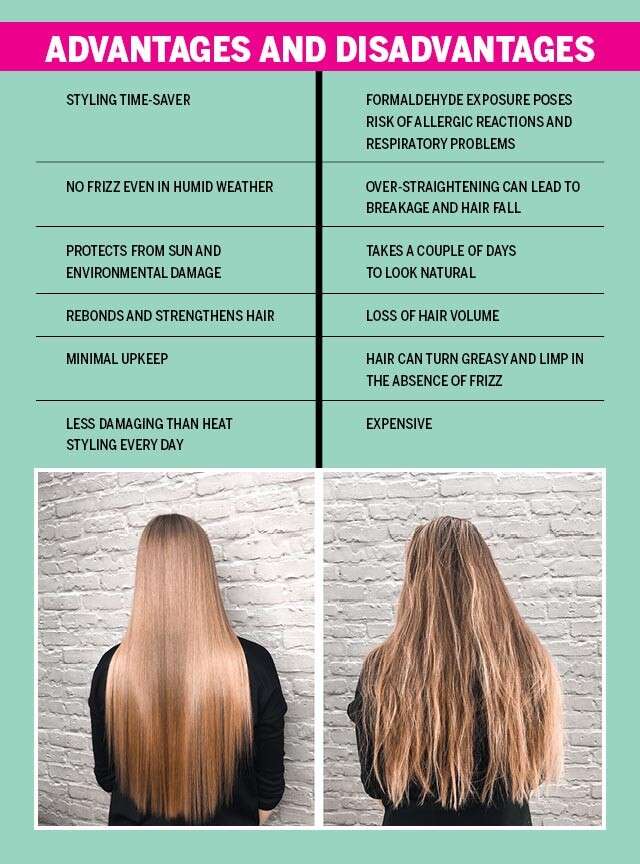
Credit: www.femina.in
Protecting Hair During Treatment
Protecting hair during a keratin treatment is essential to keep strands healthy and strong. The treatment uses chemicals and heat that can stress the hair. Proper care before and after the process helps reduce damage and maintain smooth, shiny hair. Small steps can make a big difference in protecting hair.
Pre-treatment Hair Care
Start with clean hair free from heavy oils or styling products. Use a gentle shampoo to remove buildup. Avoid deep conditioning treatments right before the keratin process. Hair should be dry and healthy to absorb the treatment evenly. Trimming split ends can prevent further damage. Discuss your hair type and condition with your stylist. This helps them choose the best keratin formula for your hair.
Post-treatment Maintenance
After the treatment, avoid washing hair for at least 48 hours. Use sulfate-free shampoos and conditioners to keep the keratin intact. Limit heat styling to reduce stress on hair. Protect hair from sun exposure and chlorine in pools. Regularly apply leave-in conditioners or serums for moisture and shine. Schedule touch-ups only as recommended to prevent over-processing. Gentle handling helps hair stay smooth and strong longer.
Safer Straightening Practices
Straightening hair with keratin treatments can improve smoothness. Safer straightening practices help protect hair from damage. Using the right methods keeps hair healthy and shiny longer.
Following simple steps reduces heat damage and stress on hair. These tips help maintain hair strength and prevent breakage after treatment.
Minimizing Heat Damage
Heat is the main cause of hair damage during straightening. Use lower heat settings on your tools to protect hair strands. Avoid daily heat styling to give hair time to recover. Let hair air dry before using heat for less damage. Small changes reduce the risk of dry and brittle hair.
Choosing The Right Tools
Select flat irons with ceramic or tourmaline plates. These materials distribute heat evenly and reduce hot spots. Use tools with adjustable temperature controls to suit your hair type. Avoid cheap or old tools that can overheat and cause damage. Good tools make straightening safer and more effective.
Effective Heat Protection
Apply heat protectant sprays or serums before styling hair. These products form a barrier against heat and moisture loss. Reapply protectant for each heat session to maintain safety. Using protectants keeps hair smooth and reduces split ends. This step is essential for healthy straightened hair.
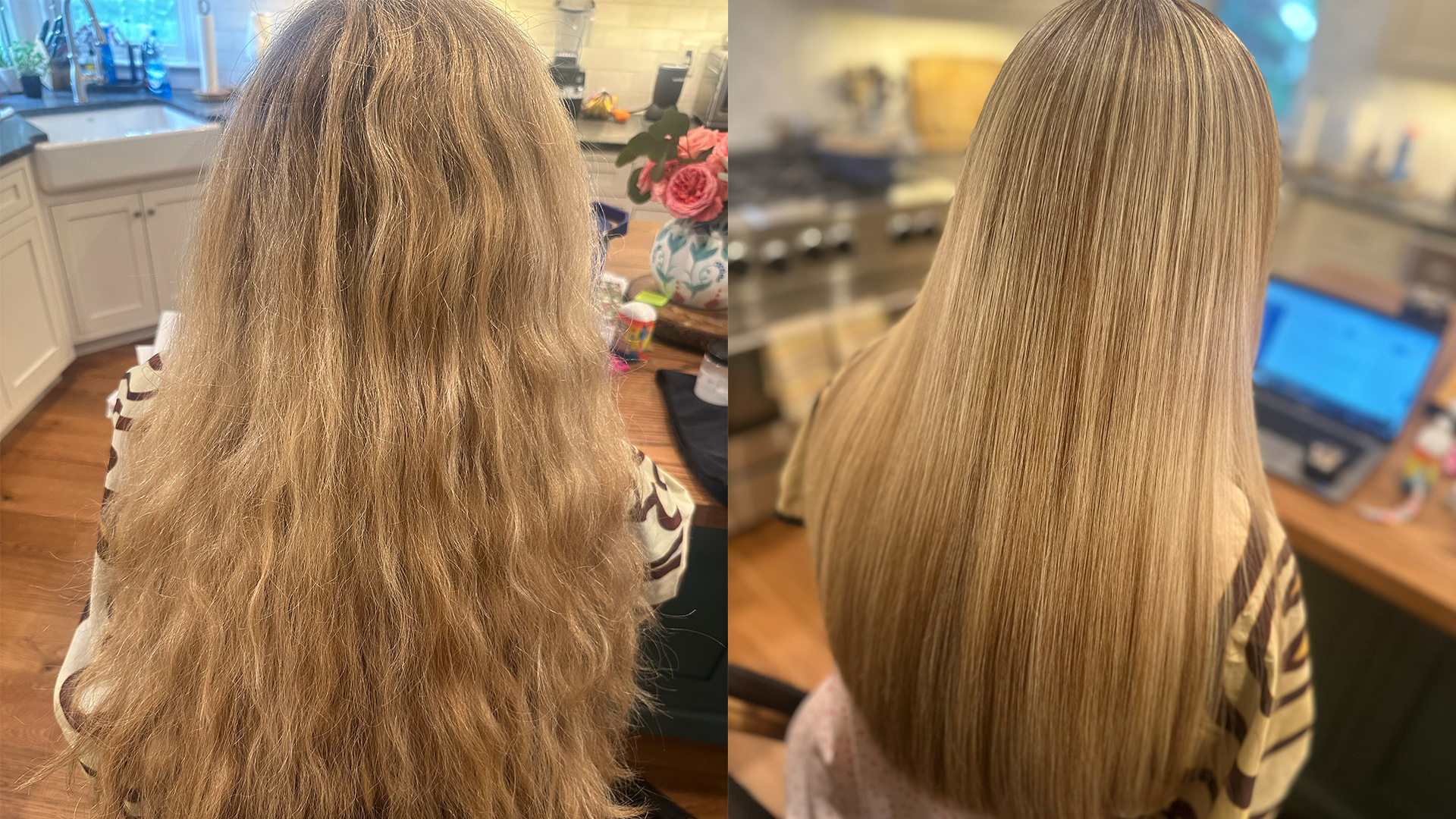
Credit: www.concihairge.com
Managing Keratin Treatment Fade
Managing the fade of a keratin treatment is key to keeping hair smooth and shiny for longer. The effects of the treatment do not last forever. Over time, the hair returns to its natural texture. Proper care helps maintain the sleek look and delays the fading process.
Understanding the signs when the treatment wears off and following smart care tips can extend the results. This section covers how to spot fading and ways to protect your hair after treatment.
Signs When Treatment Wears Off
Frizz starts to appear, especially near the roots. Hair feels rough and less soft than before. The shine reduces, making hair look dull. Curls or waves return in straightened hair. Hair may seem more tangled and harder to manage.
Care Tips To Extend Results
Use sulfate-free shampoos and conditioners. Avoid washing hair too often to keep treatment longer. Rinse hair with cool water to seal the cuticles. Limit heat styling to prevent damage. Protect hair from sun exposure with hats or sprays. Deep condition regularly to keep hair hydrated. Schedule touch-ups as advised by your stylist.
Frequently Asked Questions
What Happens If I Stop Keratin Treatment?
Stopping keratin treatment causes frizz and dryness as natural texture returns. Hair feels coarser and less smooth over time.
Is There A Healthier Alternative To Keratin Treatment?
Yes, safer alternatives include natural hair smoothing with coconut oil, argan oil treatments, or heat-free styling methods. These nourish hair without harsh chemicals.
Why Am I Losing Hair After Keratin Treatment?
Hair loss after keratin treatment happens due to chemical damage weakening hair follicles. Overuse or scalp sensitivity increases shedding.
What Is The Healthiest Hair Straightening Treatment?
The healthiest hair straightening treatment uses low heat with ceramic tools, heat protectants, and regular deep conditioning. Air-dry hair when possible and avoid excessive heat to minimize damage.
Conclusion
Keratin treatments can smooth hair but may cause damage if overused. Chemicals and heat used in the process can weaken strands and lead to breakage. Choosing a skilled stylist and following proper aftercare helps reduce harm. Regular deep conditioning keeps hair strong and healthy.
Remember, moderation and care are key to safe keratin treatments. Your hair’s health depends on smart choices and gentle handling. Stay informed and treat your hair with kindness for best results.
As an Amazon Associate, I earn from qualifying purchases.
Lovingshe is a participant in the Amazon Services LLC Associates Program which is an affiliate advertising program designed to provide a means for sites to earn advertising fees by advertising and linking to Amazon.com. Amazon may use cookies to track referrals from our site. Visit Amazon’s privacy policy for details
