


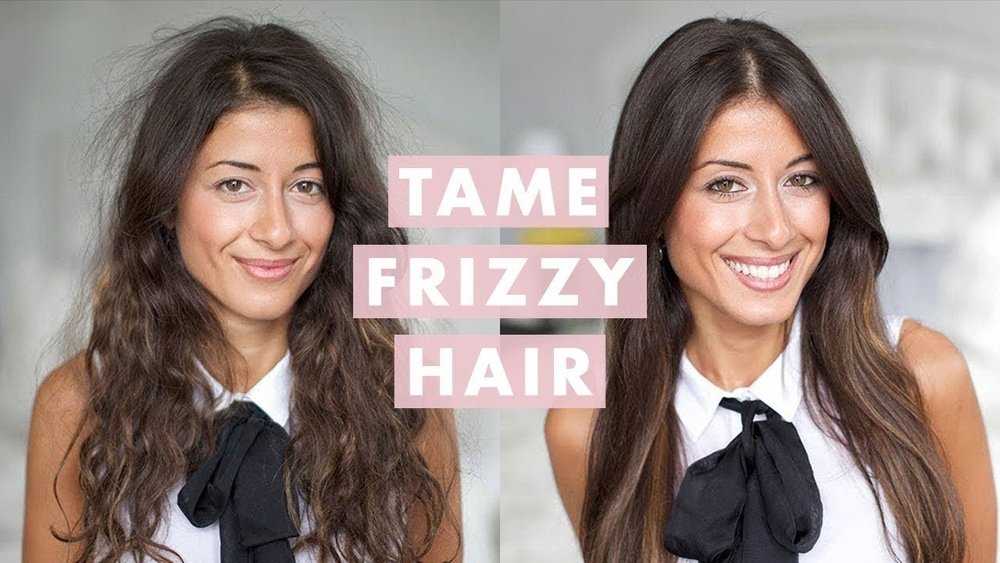
Frizzy hair can feel like a daily battle. You wake up ready to conquer the day, only to be met with hair that looks dry, unruly, and impossible to manage.
But what if you could transform your frizz into smooth, shiny strands without spending hours or breaking the bank? The secret lies in understanding your hair’s needs and treating it with the care it deserves. Whether your hair fights humidity, dryness, or damage, this guide will show you simple, effective ways to take control and bring out the best in your hair.
Keep reading—you’re about to discover how to tame your frizz and boost your confidence every single day.
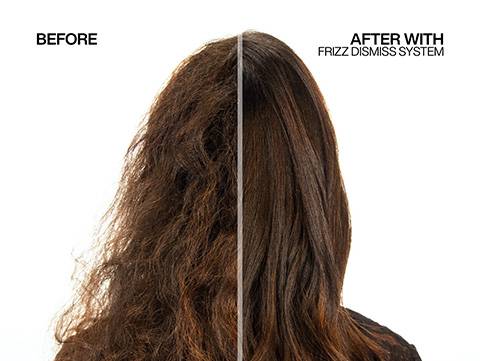
Credit: www.redken.com
Causes Of Frizz
Frizzy hair appears when the hair strands swell and lose their smooth texture. Understanding the causes helps manage and reduce frizz effectively. Several factors contribute to frizz, from environment to personal hair care habits.
Environmental Factors
Humidity is one of the main causes of frizz. Water in the air makes hair swell and rough. Cold weather can also dry out hair, leading to frizz. Sun exposure damages hair cuticles and causes dryness. Wind can tangle hair and create a frizzy look.
Hair Damage And Genetics
Damaged hair cuticles raise the hair surface, causing frizz. Heat styling tools like straighteners and curling irons weaken hair. Chemical treatments such as coloring or perming harm hair health. Some people inherit hair that is naturally dry and prone to frizz. Fine or curly hair types are more likely to become frizzy.
Washing And Styling Habits
Washing hair too often removes natural oils that protect hair. Using harsh shampoos strips moisture and roughens hair texture. Rough towel drying creates friction and breaks hair strands. Brushing dry hair can cause static and frizz. Applying heat without protection increases hair damage and frizz.
Hydrating Hair
Hydrating hair is a key step to reduce frizz and improve texture. Dry hair tends to absorb moisture from the air. This causes strands to swell and look frizzy. Keeping hair hydrated smooths the cuticle and adds shine.
Hydration works best with the right products and care habits. It also depends on healthy routines inside your body. These tips help maintain moisture and calm frizz naturally.
Moisture-rich Products
Choose shampoos and conditioners made for dry or frizzy hair. These products have ingredients that lock in moisture. Look for terms like “hydrating” or “moisture boost” on labels. Avoid harsh sulfates that strip oils from hair. Use leave-in conditioners or serums for extra hydration throughout the day.
Deep Conditioning
Deep conditioning treatments restore lost moisture and repair damage. Apply a rich hair mask once a week after washing. Cover your hair with a warm towel to help ingredients penetrate. Rinse well to leave hair soft and manageable. Deep conditioning reduces roughness that causes frizz.
Natural Oils And Hair Masks
Natural oils like coconut, argan, and jojoba nourish hair deeply. Apply a few drops to damp hair focusing on ends. Hair masks made from ingredients like honey and avocado add moisture and shine. These natural treatments soothe dryness without harsh chemicals. Use them regularly for lasting hydration.
Hydration From Within
Drinking enough water keeps your body and hair hydrated. Dehydration makes hair dry and brittle. Eat foods rich in vitamins A, C, and E for healthy hair. Avoid excessive caffeine and alcohol that cause dehydration. A balanced diet supports moisture retention in hair strands.
Washing And Conditioning
Washing and conditioning play a vital role in managing frizzy hair. Choosing the right products and techniques helps keep hair smooth and hydrated. Proper care during these steps reduces dryness and flyaways. A gentle routine restores moisture and improves hair texture.
Sulfate-free Shampoos
Sulfate-free shampoos clean hair without stripping natural oils. These shampoos prevent dryness and maintain hair’s moisture balance. They are gentle on the scalp and hair strands. Using sulfate-free options reduces frizz and keeps hair soft.
Weekly Hair Masks
Applying a hair mask once a week deeply nourishes hair. Masks add moisture and repair damage caused by heat and chemicals. They strengthen hair and smooth the cuticle layer. Regular hair masks help control frizz and improve shine.
Cool Water Rinse
Rinsing hair with cool water seals the hair cuticles. This locks in moisture and reduces frizz. Cool water also adds extra shine to the hair. End your washing routine with a cool rinse for best results.

Credit: www.highland.style
Drying And Styling Techniques
Drying and styling play a big role in managing frizzy hair. The right methods protect your hair’s moisture and smooth its surface. Using gentle techniques helps keep frizz under control and makes your hair look healthier. Below are some simple ways to dry and style your hair to reduce frizz.
Gentle Towel Drying
Rough towel drying can cause frizz by damaging the hair cuticle. Instead, use a soft microfiber towel or an old cotton t-shirt. Gently squeeze excess water without rubbing or twisting your hair. This method reduces breakage and keeps hair smooth.
Using Serums And Oils
Hair serums and oils add a protective layer to your strands. Apply a small amount to damp hair, focusing on the ends. These products help seal moisture inside and tame flyaways. Choose lightweight formulas that won’t weigh your hair down.
Limiting Heat Styling
Heat tools can dry out hair and increase frizz. Cut back on blow dryers, straighteners, and curling irons. When you do use heat, apply a heat protectant spray first. Lower heat settings reduce damage and keep hair smoother.
Diffuser Use
A diffuser attachment spreads airflow evenly and gently. It helps dry curly or wavy hair without disturbing the natural pattern. Use a diffuser on low heat and speed to avoid frizz. This method enhances curls and reduces puffiness.
Brushing And Combing
Brushing and combing play a key role in managing frizzy hair. Choosing the right tools and techniques prevents damage. It also helps keep hair smooth and healthy. Gentle care reduces breakage and flyaways. Here are some simple tips to improve your daily routine.
Wide-tooth Combs
Wide-tooth combs work best on frizzy hair. They detangle without pulling or breaking strands. Use them on wet or damp hair for gentle smoothing. Start combing from the roots and move down slowly. This method helps reduce frizz and hair loss. Avoid fine-tooth combs, which cause more damage and static.
Combing From Ends Up
Always comb hair starting from the ends. Work your way up toward the scalp carefully. This technique prevents knots from tightening and reduces breakage. It also eases the detangling process. Take your time and be patient. Quick or rough combing can increase frizz and split ends.
Avoiding Over-brushing
Over-brushing causes hair to dry out and become frizzy. Brush hair only as needed to style or detangle. Excessive brushing removes natural oils that keep hair smooth. Use soft-bristle brushes for gentle strokes. Brushing too much roughens the hair cuticle, making frizz worse. Keep brushing light and minimal for best results.
Protective Measures
Protective measures play a key role in managing frizzy hair. They help reduce damage and maintain moisture. Taking care of your hair daily prevents frizz before it starts. Simple habits can make a big difference in hair texture.
Silk Pillowcases
Silk pillowcases cause less friction than cotton ones. This means less hair breakage and fewer tangles. They help hair retain moisture overnight. Using silk pillowcases can keep hair smooth and shiny. It is a gentle way to protect hair while you sleep.
Regular Trims
Regular trims remove split ends that cause frizz. Trimming hair every six to eight weeks keeps it healthy. Split ends travel up the hair shaft and worsen frizz. Cutting off damaged ends stops this process. Clean, trimmed ends help hair look neat and less frizzy.
Natural Remedies
Natural remedies offer simple and gentle solutions for frizzy hair. These treatments use everyday ingredients. They nourish hair without harsh chemicals. You can try them at home with ease. Natural options also help restore moisture and smoothness. They improve hair texture over time. Consistent care leads to healthier, frizz-free hair.
Apple Cider Vinegar
Apple cider vinegar balances hair’s pH level. It closes the hair cuticles to reduce frizz. Mix one part vinegar with two parts water. Apply this mixture to your hair after shampooing. Leave it on for a few minutes. Rinse thoroughly with cool water. This rinse adds shine and softness to hair.
Coconut Oil
Coconut oil deeply moisturizes dry hair strands. It prevents moisture loss and reduces frizz. Warm a small amount of oil in your hands. Gently massage it into your hair ends. Avoid the scalp to prevent greasiness. Leave it on for 30 minutes or overnight. Wash hair with a mild shampoo afterward.
Leave-in Conditioners
Leave-in conditioners provide long-lasting moisture. They protect hair from humidity and dryness. Choose a lightweight, natural formula for best results. Apply a small amount to damp hair. Focus on the mid-lengths and ends. Comb through to distribute evenly. Style hair as usual for smooth, frizz-free locks.

Credit: www.youtube.com
Professional Treatments
Professional treatments offer effective solutions to control frizzy hair. These treatments smooth hair strands and add shine. They reduce the need for daily styling and help maintain a polished look for weeks.
Choosing the right treatment depends on your hair type and desired results. A hair specialist can guide you through the options and care instructions to keep hair healthy.
Keratin Treatments
Keratin treatments coat hair with a protein layer. This fills gaps in the hair cuticle, reducing frizz and sealing moisture. The process takes about two hours and lasts for several months. Hair looks smoother, shinier, and easier to manage after treatment.
These treatments work best on dry, damaged, or curly hair. They soften hair and reduce blow-drying time. Avoid washing hair for a few days post-treatment to lock in the effect.
Japanese Hair Straightening
Japanese hair straightening chemically alters hair bonds to create a permanent straight look. It eliminates curls and frizz with a long-lasting result. The treatment can last six months to a year depending on hair growth.
This process involves applying chemicals and using heat to lock in the straight shape. It requires a skilled professional and may take several hours. The hair becomes smooth, shiny, and easy to style daily.
Brazilian Blowouts
Brazilian blowouts smooth hair while keeping its natural volume. The treatment uses a special formula to create a protective layer around each strand. This reduces frizz and protects hair from humidity.
It takes about 90 minutes and lasts up to three months. Hair feels soft and looks glossy. This treatment suits most hair types and requires minimal maintenance after application.
Frequently Asked Questions
How To Hydrate And Defrizz Hair?
Hydrate hair with sulfate-free shampoo, weekly deep conditioning, and natural oils. Defrizz by using serums on damp hair, avoiding heat damage, and sleeping on silk pillowcases. Comb gently with a wide-tooth comb and trim regularly to maintain smooth, frizz-free hair.
What Causes Frizzy Hair?
Frizzy hair occurs when hair lacks moisture, causing the cuticle to lift and create a rough texture. Environmental factors, heat, harsh products, and genetics also contribute.
Can I Fix Frizzy Hair Naturally?
Yes, you can fix frizzy hair naturally by moisturizing regularly, using coconut oil or apple cider vinegar, and avoiding heat styling. Deep conditioning weekly and using sulfate-free shampoos also help control frizz effectively.
How To Defrizz Hair Permanently?
Use professional chemical treatments like keratin, Japanese straightening, or Brazilian blowouts for permanent frizz control.
Conclusion
Taming frizzy hair starts with keeping it well hydrated. Use gentle products without harsh chemicals. Avoid excessive heat and rough towel drying. Regular deep conditioning helps restore moisture and smoothness. Natural oils and leave-in conditioners protect hair throughout the day.
Stay patient; changes take time to show results. Healthy hair care habits prevent frizz from returning. Embrace simple steps for manageable, soft hair every day.
As an Amazon Associate, I earn from qualifying purchases.
Lovingshe is a participant in the Amazon Services LLC Associates Program which is an affiliate advertising program designed to provide a means for sites to earn advertising fees by advertising and linking to Amazon.com. Amazon may use cookies to track referrals from our site. Visit Amazon’s privacy policy for details
