


Have you ever wondered if braids can actually help your hair grow faster? It’s a question many people ask, especially when they want longer, healthier hair without spending hours on daily styling.
The truth might surprise you. While braids don’t speed up the natural growth of your hair, they create the perfect environment to keep your strands strong and prevent breakage. This means you can hold on to the length you already have and watch your hair look fuller and longer over time.
But beware—if your braids are too tight, they could do more harm than good. You’ll learn exactly how braids affect your hair growth, the benefits they offer, and the important mistakes to avoid. Ready to unlock the secrets to better hair growth with braids? Let’s dive in!
Braids And Hair Growth
Braids are a popular hairstyle that many believe helps with hair growth. They do not speed up how fast hair grows from the scalp. Instead, braids protect hair from damage and breakage. This protection helps keep the hair healthy and strong.
Healthy hair breaks less and stays longer. This gives the appearance of faster hair growth over time. Braids reduce the need to comb and style hair every day. They also shield hair from harsh weather and friction from clothes. This creates a better environment for hair to grow naturally.
Natural Hair Growth Rate
Hair grows at an average rate of about half an inch per month. This rate is set by your body and cannot be changed. Factors like diet, health, and genetics affect this growth speed. Braids do not change this natural pace.
What braids do is reduce hair loss by protecting the hair shaft. This means hair stays longer and looks fuller. Keeping your scalp clean and healthy also supports natural hair growth. Braids help by making hair care easier and less damaging.
Length Retention Explained
Length retention means keeping hair from breaking or falling out. Braids help with length retention by holding hair strands gently and securely. They stop hair from rubbing against clothes or getting caught in objects.
Less manipulation means less damage. Braids reduce the need to brush or style hair every day. This lowers the chance of hair breaking. When hair breaks less, it appears to grow faster because it stays long.
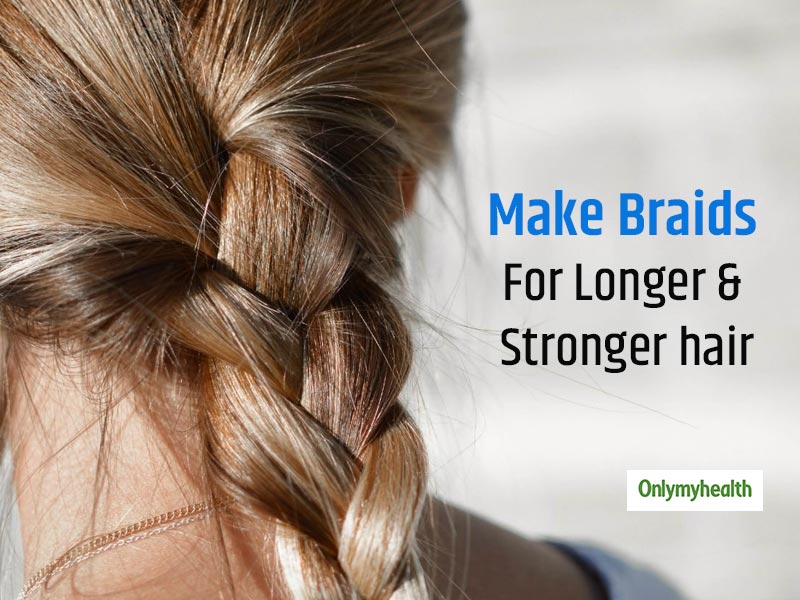
Be careful not to make braids too tight. Tight braids can pull on the scalp and cause hair loss. Gentle braids protect hair and help you keep your length over time.
Credit: www.onlymyhealth.com
How Braids Protect Hair
Braids serve as a protective hairstyle that helps maintain hair health. They keep hair strands secure and reduce damage. This protection allows hair to stay strong and healthy over time. Braids can help hair appear longer by preventing breakage and loss.
Reducing Daily Manipulation
Braids limit the need to comb or style hair every day. This reduces hair pulling and stress. Less handling means less chance of breakage and split ends. Hair stays intact and grows without frequent interruptions.
Shielding From Environmental Damage
Braids act as a barrier against sun, wind, and dust. These elements can dry out and weaken hair. By covering hair, braids protect it from harsh weather. This helps maintain hair’s natural strength and shine.
Locking In Moisture
Braids help keep moisture close to the hair strands. Moisturized hair is less likely to break or become brittle. The style reduces evaporation and keeps hair hydrated longer. Healthy moisture balance supports stronger hair growth.
Preventing Tangles
Braids keep hair strands organized and smooth. This stops knots and tangles from forming. Tangled hair often breaks when combed or brushed out. Braids minimize tangling, which protects hair from damage.
Potential Risks Of Braids
Braids are a popular hairstyle that many believe help hair grow faster. While braids can protect hair and reduce breakage, they also come with risks. Knowing these risks helps you take better care of your hair and scalp. Some risks come from how braids are done and how tight they are. Understanding these issues can prevent damage and hair loss.
Effects Of Tight Braids
Tight braids pull on the hair roots with strong force. This constant pulling can hurt the scalp and hair follicles. The scalp may feel sore or itchy after tight braiding. Over time, tight braids can cause hair to break or fall out. Hair strands may become weak and fragile. Avoid braids that feel too tight or cause discomfort. Looser braids allow the scalp to breathe and reduce damage risk.
Traction Alopecia And Hair Loss
Traction alopecia is hair loss caused by pulling on hair over time. Tight braids are a common cause of this condition. The stress damages hair follicles, stopping new hair growth. Hair loss often happens around the hairline and edges. If caught early, traction alopecia can be reversed by loosening or stopping tight styles. Leaving tight braids in too long increases the risk of permanent hair loss. Protect your hair by choosing gentle braiding techniques and giving your scalp rest.
Best Practices For Braids
Proper care is essential to enjoy the benefits of braids and support healthy hair growth. Following best practices ensures braids protect your hair without causing damage. Careful handling keeps your scalp comfortable and your hair strong. These simple steps maintain the health of both hair and scalp while wearing braids.
Keeping Braids Loose
Braids should never be too tight. Tight braids pull on the scalp and hair roots. This tension can cause pain and lead to hair loss. Keeping braids loose reduces stress on hair follicles. Loose braids allow your scalp to breathe and avoid irritation. They also prevent breakage along the hairline.
Maintaining Moisture
Moisture is key for healthy hair under braids. Dry hair becomes brittle and breaks easily. Use light oils or leave-in conditioners to keep your scalp and hair hydrated. Spritz water mixed with a bit of conditioner every few days. Moisturized hair stays flexible and strong inside the braids. This helps reduce hair breakage and promotes better hair health.
Optimal Duration To Keep Braids
Do not keep braids in for too long. Wearing braids for more than six to eight weeks can cause buildup and weaken hair. Leaving braids in too long increases the risk of tangles and matting. It also makes scalp cleaning harder, which can lead to itching or dandruff. Remove braids gently and give your hair a break before re-braiding.
Types Of Braids For Healthier Hair
Choosing the right type of braid can make a big difference in hair health. Braids protect hair strands from daily wear and tear. They reduce breakage by minimizing friction and tangling. Not all braids are equal in promoting healthier hair. Some styles put too much tension on the scalp and damage hair. Others offer gentle care and help maintain moisture. Understanding different braid types helps you select styles that support hair strength and growth.
Protective Styles Overview
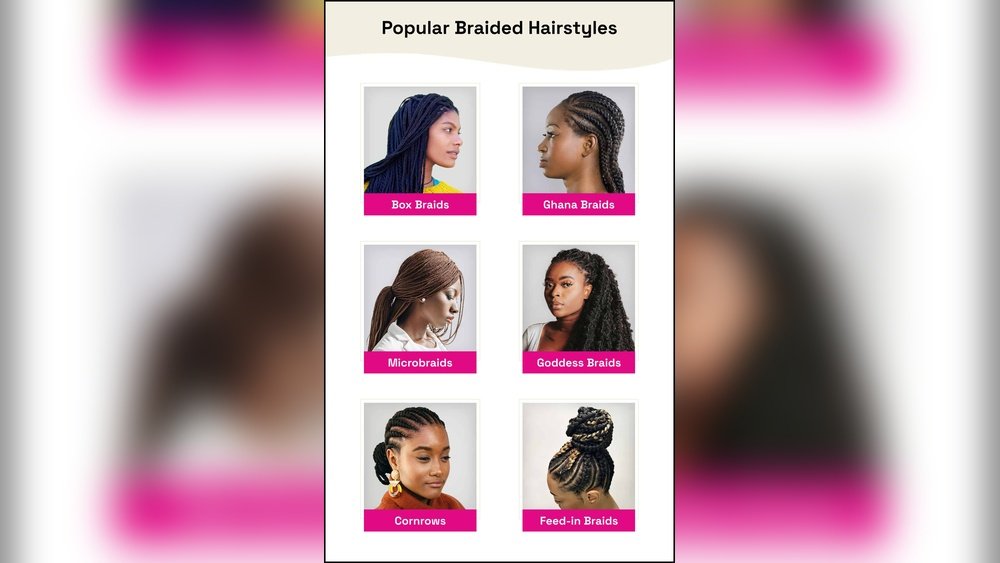
Protective styles like box braids, cornrows, and twists shield hair ends. They keep hair tucked away from harsh weather and constant touching. These styles reduce the need for frequent combing and styling. Hair stays moisturized longer under braids. This reduces dryness and split ends. Protective braids should be neat but not too tight. Tight braids cause scalp pain and may lead to hair loss. When done correctly, protective braids promote healthier, longer hair over time.
Choosing Low-tension Braids
Low-tension braids put little stress on the scalp. They prevent pulling that weakens hair follicles. Loose braids allow natural scalp movement and blood flow. This supports a healthy scalp environment for hair growth. Styles like loose box braids or large twists reduce scalp strain. Avoid very small or tightly woven braids near the hairline. These can cause traction alopecia, a form of hair loss. Pick braid patterns that feel comfortable and gentle on your scalp.
Credit: www.styleseat.com
Common Myths About Braids
Braids have long been a popular hairstyle worldwide. They offer style, convenience, and protection. Many believe braids can boost hair growth. This belief has led to several myths about braids and their effects on hair health. Let’s explore some common myths and understand what braids really do.
Braids Speeding Up Growth
Some people think braids make hair grow faster. The truth is hair grows from the scalp naturally at a fixed rate. Braids do not change this growth speed.
Braids can protect hair from damage. This protection helps keep hair from breaking off. With less breakage, hair appears longer over time. It may look like it grows faster, but the actual growth rate stays the same.
Too tight braids can harm hair. They pull on the scalp and cause stress. This can lead to hair loss called traction alopecia. So, tight braids do not help growth and can cause damage.
Long-term Effects On Hair
Braids can be good for hair if done right. They reduce daily wear and tear. Hair stays less tangled and less exposed to heat.
Keeping hair braided for a long time without breaks can cause problems. Hair may weaken or break if scalp is not cared for. It is important to keep the scalp clean and moisturized.
Removing braids gently is key. Rough removal can lead to breakage. Regular scalp care and giving hair breaks between braids help maintain healthy hair.

Credit: www.youtube.com
Frequently Asked Questions
What Hairstyle Is Best For Hair Growth?
Protective hairstyles like loose braids, twists, chignons, and buns promote hair growth by reducing breakage and locking in moisture. Avoid tight styles to prevent scalp stress and hair loss. These styles protect hair from damage, minimize manipulation, and help retain length for healthier growth.
What Speeds Up Hair Growth?
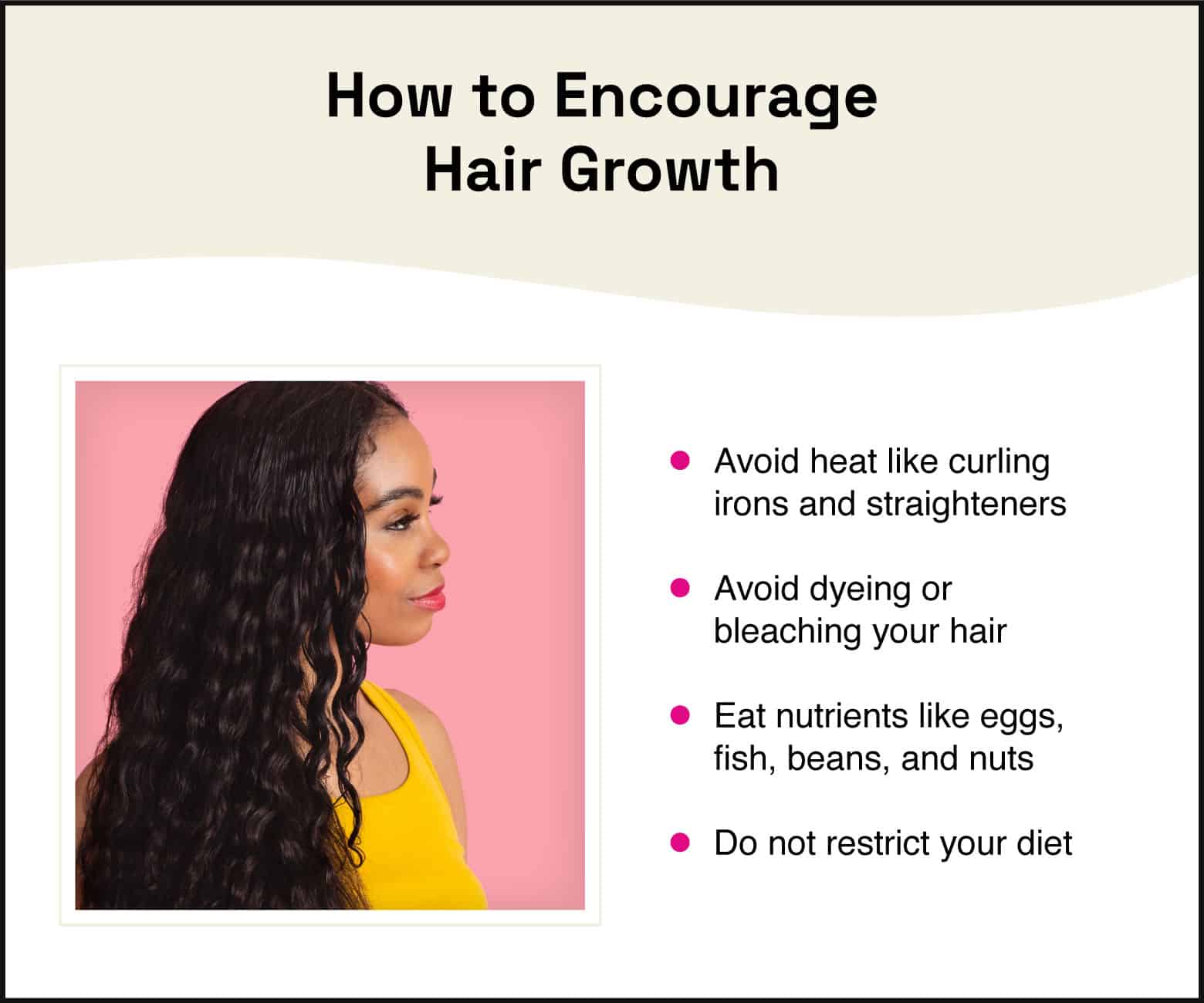
Eating a balanced diet, staying hydrated, massaging the scalp, reducing stress, and using gentle hair care products speed up hair growth.
Which Braid Is Best For Hair Growth?
The best braids for hair growth are loose, protective styles like box braids or twists. They reduce breakage and lock in moisture. Avoid tight braids to prevent scalp stress and hair loss. Keep braids moisturized and remove them timely to support healthy length retention.
How Long To Leave Braids In For Growth?
Leave braids in for 4 to 8 weeks to protect hair and retain length. Avoid tight braids to prevent damage.
Conclusion
Braids do not directly make hair grow faster. They protect hair from damage and breakage. This helps you keep the hair you have longer. Braids reduce daily hair handling, which lowers hair loss. They also lock in moisture, keeping hair healthy.
Tight braids can hurt hair and cause loss. Choose loose, gentle braids for best results. Overall, braids support hair health and length retention. Healthy hair grows well over time with care and patience.
As an Amazon Associate, I earn from qualifying purchases.
Lovingshe is a participant in the Amazon Services LLC Associates Program which is an affiliate advertising program designed to provide a means for sites to earn advertising fees by advertising and linking to Amazon.com. Amazon may use cookies to track referrals from our site. Visit Amazon’s privacy policy for details
