


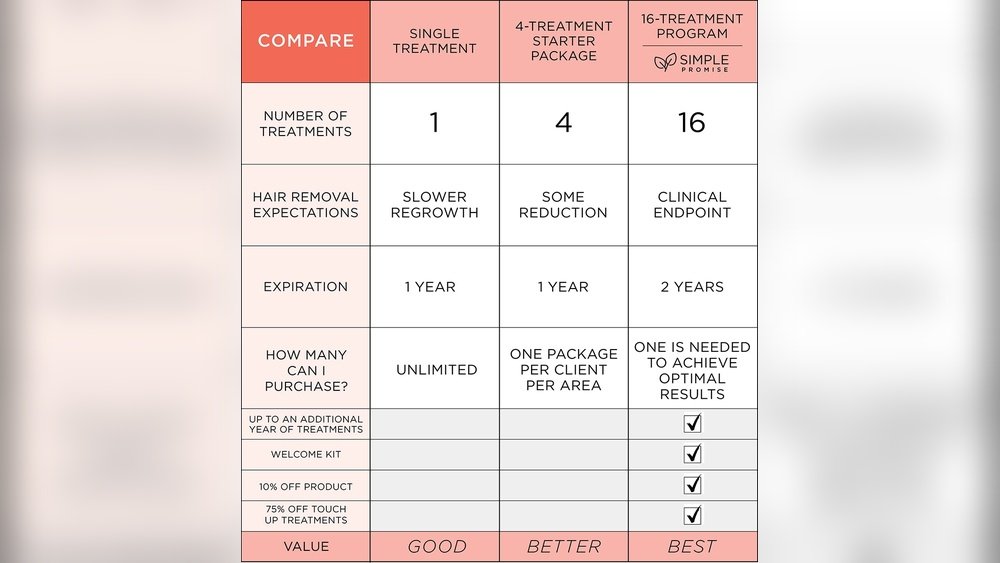
Are you considering laser hair removal for your Brazilian area but wondering how many treatments you’ll actually need? You’re not alone.
Knowing the right number of sessions can save you time, money, and help you set realistic expectations. The truth is, the answer depends on several factors unique to you—like your hair type, skin tone, and how your body responds to the laser.
You’ll discover exactly what influences the number of treatments, what to expect during the process, and how to achieve smooth, lasting results with confidence. Keep reading to find the clear path toward the smooth skin you deserve.

Credit: bioaesthetic.com.sg
Session Count For Brazilian Laser
Understanding the number of sessions required for Brazilian laser hair removal helps set clear expectations. This treatment targets hair in sensitive areas, aiming for long-lasting smoothness. The session count depends on various factors like hair type and skin tone. Knowing the average number and session length aids in planning your visits effectively.
Average Number Of Treatments
Most people need about 6 to 8 sessions for Brazilian laser hair removal. Hair grows in cycles, so multiple treatments catch all hairs in the growth phase. Some may require fewer sessions, while others might need more. Factors like hair thickness and hormonal changes can influence the total number. Consistency in scheduling sessions every 4 to 6 weeks improves results.
Typical Session Duration
A single Brazilian laser session usually takes 20 to 30 minutes. The size of the treatment area and hair density affect the time needed. The procedure is quick and convenient, fitting easily into a busy schedule. Preparation and aftercare advice add a few extra minutes but are essential for best outcomes. Short sessions with breaks ensure comfort during treatment.
Hair And Skin Factors
Hair and skin factors play a big role in how many laser hair removal treatments you need for a Brazilian. Each person’s hair and skin are different. These differences affect how well the laser works and how many sessions will give the best results.
Understanding these factors helps set clear expectations for the treatment. The laser targets pigment in the hair. This makes hair and skin characteristics very important for success.
Hair Thickness And Texture
Thicker and coarser hair absorbs more laser energy. This makes the treatment more effective on such hair types.
Fine or light hair is harder to treat. The laser may need more sessions to catch all hair strands.
Curly or straight hair does not affect the laser much. The key is the hair’s pigment and thickness.
Skin Tone Impact
The laser targets dark pigment in hair, so skin tone matters.
Darker skin tones have more pigment in the skin. This can absorb some laser energy, raising risks of burns.
Newer lasers adjust for skin tone. Still, people with darker skin might need extra sessions.
Lighter skin tones usually respond faster. The contrast between hair and skin helps the laser work well.
Hair Growth Cycle
Hair grows in cycles: active, resting, and shedding phases.
The laser only works on hair in the active growth phase.
Not all hairs grow at the same time. Multiple sessions are needed to catch all hairs.
Sessions are spaced weeks apart to match the hair growth cycle. This timing improves hair removal results.
Hormonal Influences
Hormones play a big role in hair growth, especially for Brazilian laser hair removal. Hormonal changes can cause new hair to grow even after treatments. Understanding these influences helps set realistic expectations on the number of sessions needed. Managing hormonal effects can improve and maintain your results over time.
Effect Of Hormonal Changes
Hormonal shifts trigger hair follicles to become active again. Pregnancy, puberty, and menopause cause fluctuations that increase hair growth. Some medical conditions, like polycystic ovary syndrome (PCOS), also affect hormone levels. These changes can lead to new hair growth after the initial laser treatments. This means more sessions might be necessary to target new hairs as they appear. Hormonal influences make hair removal a longer process for many people.
Managing Hormonal Hair Growth
Tracking your hormonal cycle can help plan laser sessions better. Treatments spaced to align with low hormone phases may work more effectively. Consulting a healthcare provider about hormone levels can provide insights. Combining laser hair removal with medical treatments may reduce unwanted hair growth. Regular maintenance sessions help keep hair growth under control. Patience and consistent care support long-term smoothness despite hormonal changes.
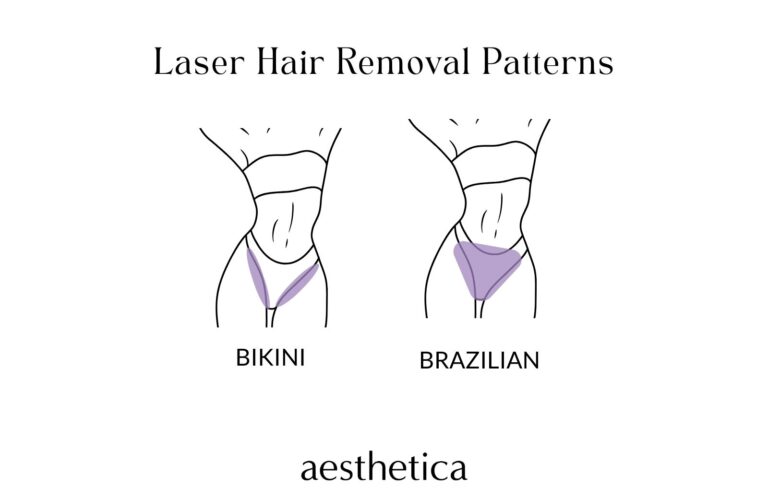
Credit: www.aesthetica.com
Individual Response Variations
Each person’s body reacts differently to laser hair removal. The number of treatments needed for a Brazilian can vary widely. This depends on how your skin and hair respond to the laser energy. Understanding these individual differences helps set realistic expectations. It also guides your treatment plan for the best results.
Body’s Reaction To Laser
The laser targets hair follicles to reduce growth. Some bodies respond quickly, with hair falling out after a few sessions. Others need more time because their follicles are deeper or thicker. Skin tone also plays a role. Darker skin may require lower laser settings to avoid irritation. Your immune system helps clear the damaged follicles, which varies by person. Sensitivity to the laser can affect how often you can safely get treated.
Adjusting Treatment Plans
Experts often change the number of sessions based on your progress. If hair regrows faster, more treatments may be needed. Some clients may need extra sessions for stubborn areas. The laser’s intensity and frequency can be modified to suit your skin type. Regular check-ups help track changes and adjust plans. This personalized approach improves safety and effectiveness. Patience is key as your body gradually adapts to the treatment.
Long-term Results
Long-term results are a key reason many choose laser hair removal for Brazilian areas. The treatment targets hair follicles to reduce hair growth over time. Patients often enjoy smoother skin for months or even years after completing sessions. Understanding what to expect helps set realistic goals and plan future care.
Achieving Semi-permanent Smoothness
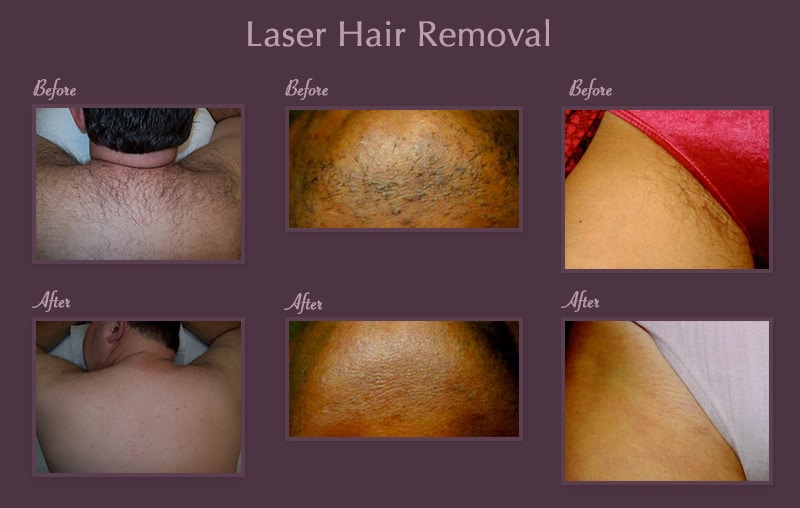
Most people reach semi-permanent smoothness after multiple treatments. The laser damages hair roots, slowing or stopping new hair growth. Typically, six to eight sessions spaced weeks apart are needed for best results. Each session reduces hair density and thickness. Over time, hair becomes finer and lighter, making regrowth less noticeable.
Smooth skin lasts longer than with shaving or waxing. Some hair may regrow, but it usually appears much thinner. Regular touch-ups can maintain a clean look. The goal is to keep skin soft and nearly hair-free for months.
Expected Hair Regrowth Patterns
Hair regrowth after laser treatment is slower and patchy. Some areas might clear completely, while others show sparse hair. Hormonal changes or genetics can cause new growth in treated zones. Regrowth often looks lighter and softer than before. Many find it easier to manage with less frequent shaving or waxing.
Touch-up sessions once or twice a year help control any new hair. These sessions keep the Brazilian area neat without full treatment. Over time, fewer touch-ups may be needed. Patience is important, as long-term results improve gradually.
Maintenance Treatments
Maintenance treatments play a key role in keeping your Brazilian laser hair removal results smooth and long-lasting. After the initial series of sessions, occasional touch-ups help manage any new hair growth. These treatments ensure your skin stays clear and hair-free over time.
Frequency Of Touch-ups
Touch-up sessions usually occur once or twice a year. The exact timing depends on your hair growth cycle and skin type. Some people may need touch-ups every six months. Others might only require them once a year. These sessions are shorter and less intense than initial treatments.
Signs You Need Maintenance
New hair growth is the main sign to schedule a maintenance session. If you notice fine or thick hairs returning, it is time for a touch-up. Uneven hair growth or patchy areas also indicate maintenance is needed. Keeping track of these signs helps you maintain smooth skin longer.
Safety And Comfort Tips
Ensuring safety and comfort during Brazilian laser hair removal is essential. Proper care before and after each session helps minimize side effects and improves results. Knowing what to expect can ease any worries and make the process smoother.
Preparing For Sessions
Avoid sun exposure for at least two weeks before treatment. Sunburned or tanned skin can increase risks. Shave the area one day before the session to help the laser target hair roots. Do not wax, pluck, or use hair removal creams between sessions. These methods remove hair roots, reducing laser effectiveness. Wear loose, comfortable clothing on treatment day to avoid irritation. Inform your technician about any medications or skin conditions. This helps customize the treatment safely.
Post-treatment Care
Keep the treated area cool and avoid hot baths or showers for 24 hours. Apply soothing creams or aloe vera to reduce redness and swelling. Avoid direct sun exposure and use sunscreen with high SPF. This prevents skin damage and pigmentation changes. Do not scratch or pick at the skin to avoid infections. Stay away from intense exercise, swimming pools, and saunas for a day or two. Follow your technician’s instructions closely for the best results and comfort.
Consultation And Personalization
Consultation and personalization form the foundation of effective Brazilian laser hair removal. Each person has unique skin and hair characteristics. These differences affect how many treatments are necessary. A professional consultation helps set realistic expectations and creates a tailored treatment plan. This approach improves safety and results. Understanding your needs ensures the best outcome and satisfaction.
Importance Of Specialist Advice
A specialist’s advice is crucial before starting laser hair removal. Experts evaluate skin type, hair color, and medical history. They identify any risks or conditions that might affect treatment. Specialists explain the process clearly and answer questions. Their guidance helps avoid complications and boosts confidence. Trusting a trained professional leads to safer and more effective sessions.
Tailoring Treatment To Your Needs
Treatment plans vary from person to person. Factors like hair thickness and growth rate influence the number of sessions. Specialists adjust laser settings to match your skin tone and hair type. They schedule sessions at intervals that encourage lasting results. Personalizing the plan reduces discomfort and improves efficiency. This careful approach helps achieve smooth skin with fewer treatments.
Credit: dermacaregainesville.com
Frequently Asked Questions
How Many Laser Sessions Do You Need For Brazilian?
You typically need 6 to 8 laser sessions for a Brazilian to target hair in its active growth phase. Results vary by hair thickness, skin type, and hormonal factors. Maintenance sessions may be required annually to manage regrowth. Consult a specialist for a personalized treatment plan.
How Many Laser Sessions Does It Take To Permanently Remove Pubic Hair?
Permanent pubic hair removal typically requires 6 to 8 laser sessions. Results depend on hair thickness, skin type, and hormonal factors. Multiple treatments target hair in active growth phases. Annual maintenance sessions may be needed for lasting smoothness. Consult a specialist for a personalized plan.
How Much Does A Full Brazilian Laser Cost?
A full Brazilian laser session typically costs between $200 and $400. Multiple sessions are needed for best results. Pricing varies by location and provider.
Can I Do Brazilian Laser Every 3 Weeks?
Brazilian laser treatments every 3 weeks can be done, but typically sessions are spaced 4-6 weeks apart for best results. Consult a specialist for personalized timing.
Conclusion
Laser hair removal for Brazilian areas usually needs multiple sessions. Most people require around six to eight treatments. Hair thickness, skin tone, and hormones affect the number. Sessions target hair during active growth for best results. After initial treatments, smoothness lasts a long time.
Some maintenance sessions may be needed yearly. Always consult a specialist for advice that fits you. Patience and consistency bring the best outcomes. This approach helps achieve lasting hair reduction safely.
As an Amazon Associate, I earn from qualifying purchases.
Lovingshe is a participant in the Amazon Services LLC Associates Program which is an affiliate advertising program designed to provide a means for sites to earn advertising fees by advertising and linking to Amazon.com. Amazon may use cookies to track referrals from our site. Visit Amazon’s privacy policy for details
