


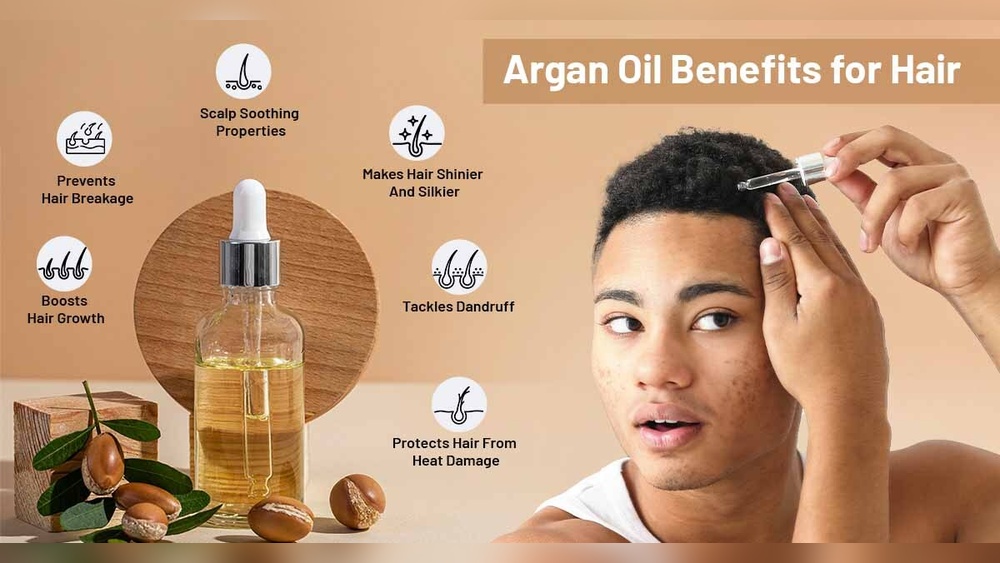
Are you wondering if argan oil can actually help your hair grow faster and thicker? You’re not alone.
Many people swear by this natural oil for healthier, shinier hair, but does it really stimulate growth or just make your hair look good? Understanding what argan oil can and cannot do for your hair is key to getting the results you want.
You’ll discover the truth about argan oil’s effects on hair growth, how to use it safely, and what to watch out for—so you can make the best choice for your hair care routine. Keep reading to find out if argan oil is the secret ingredient your hair has been missing.

Credit: utamaspicebali.com
Argan Oil And Hair Growth
Argan oil is popular in hair care for its nourishing effects. Many people wonder if it can help hair grow faster or thicker. This oil is rich in nutrients that support scalp health and hair strength. Using argan oil may improve hair texture and reduce breakage.
Understanding how argan oil affects hair growth requires looking at its nutrients and scientific studies. Some claims say it can prevent hair loss and stimulate new growth. Let’s explore the facts behind these ideas.
Nutrients In Argan Oil
Argan oil contains vitamin E, antioxidants, and fatty acids. These nutrients help moisturize the scalp and hair strands. Vitamin E protects hair from damage caused by free radicals. Fatty acids support the natural oils that keep hair healthy.
These ingredients can make hair softer and shinier. They also reduce dryness and split ends. Healthy hair is less likely to break, which can give the impression of faster growth.
Scientific Evidence On Growth
Research on argan oil and hair growth is limited. Few studies directly prove that argan oil speeds up hair growth. Most evidence is anecdotal, based on user experiences. Scientists agree that scalp health is key for hair growth.
Argan oil may improve scalp condition by reducing dryness and irritation. A healthy scalp supports hair follicles. This support can help maintain existing hair and reduce shedding.
Hair Loss Prevention Claims
Many claim argan oil stops hair loss. The oil’s nourishing properties can strengthen hair strands. Stronger hair breaks less often, which may lower hair loss. Argan oil also soothes the scalp and reduces inflammation.
While it may not cure hair loss causes like genetics, it can help maintain scalp health. Using argan oil regularly might slow down hair thinning caused by damage or dryness.
Benefits Of Argan Oil For Hair
Argan oil offers many benefits for hair health. It nourishes and protects hair from damage. Regular use can improve hair texture and appearance. This natural oil suits various hair types and needs.
Moisturizing Properties
Argan oil deeply hydrates hair strands. It locks in moisture to prevent dryness. Dry hair becomes softer and more manageable. The oil also soothes a dry, itchy scalp. This helps reduce flakiness and irritation.
Improving Hair Shine
Argan oil adds a natural shine to hair. It smooths the hair cuticle for a glossy look. Hair appears healthier and more vibrant. The oil enhances hair’s natural color and glow. This shine lasts longer with regular use.
Reducing Frizz And Breakage
Argan oil tames frizz by smoothing hair fibers. It forms a protective layer against humidity. Hair becomes easier to style and control. The oil strengthens hair and reduces breakage. Stronger hair grows without splitting or damage.
Potential Side Effects
Argan oil is popular for hair care, but it may cause some side effects. Knowing these helps you use it safely and effectively. Side effects vary based on hair type, amount used, and skin sensitivity. Caution and proper use reduce risks.
Greasiness And Product Buildup
Argan oil is rich and thick. Using too much can make hair greasy quickly. It may leave a heavy residue on the scalp and strands. Over time, buildup can block hair follicles. This might slow hair growth or cause scalp issues. Washing hair regularly helps prevent buildup.
Allergic Reactions And Irritation
Some people may react to argan oil. It comes from tree nuts, so allergies are possible. Signs include redness, itching, and swelling on the scalp. Even without nut allergies, irritation can occur. Testing a small skin patch before full use is wise. Stop use if irritation appears.
Weighing Down Fine Hair
Fine hair is delicate and light. Argan oil can weigh it down, making hair look flat and lifeless. Applying a small amount or avoiding roots helps. Use sparingly to keep volume and bounce. Lighter oils might suit fine hair better.
Common Issues And Solutions
Argan oil offers many benefits for hair care, but some common issues may arise. Knowing how to handle these problems helps you enjoy argan oil’s benefits safely. Below are solutions to frequent concerns users face.
Managing Greasy Or Heavy Hair
Using too much argan oil can make hair greasy or heavy. Apply a small amount, focusing on the ends. Avoid the scalp area to prevent buildup. Wash hair regularly to remove excess oil. Choose lighter formulas or dilute with water if hair feels weighed down.
Handling Itchy Scalp
An itchy scalp can occur from allergic reactions or product sensitivity. Perform a patch test before full use. Stop using argan oil if irritation appears. Use gentle shampoos to soothe the scalp. Avoid scratching to prevent further irritation or infection.
Avoiding Acne And Breakouts
Argan oil may clog pores if it touches the skin on the face or neck. Apply oil only to hair strands, not the skin. Cleanse the skin properly to avoid residue buildup. If acne or breakouts happen, discontinue argan oil use. Choose non-comedogenic products for skin care.
Preventing Drying Effects
Overuse of argan oil can create a barrier that blocks moisture. This may lead to dryness over time. Mix argan oil with other moisturizers like coconut oil. Do not rely on argan oil alone for hydration. Adjust your hair care routine to keep hair balanced and soft.
Who Should Use Caution
Argan oil offers many benefits, but some should use it carefully. Understanding who needs caution can help avoid unwanted side effects. This oil comes from tree nuts and has a rich, oily texture. It may not suit everyone’s hair or skin type. Using argan oil without care might cause irritation or weigh hair down. Knowing these details helps you make safe choices for your hair care.
People With Tree Nut Allergies
Argan oil is extracted from the nuts of the argan tree. People with tree nut allergies may react badly to it. Skin redness, itching, or swelling can occur after use. Even small amounts might trigger allergic responses. A patch test on a small skin area is important before full use. Avoid argan oil if you know you have nut allergies. Choosing safer alternatives can protect your scalp and skin health.
Those With Fine Or Oily Hair
Argan oil is thick and moisturizing, which can weigh down fine hair. It may leave hair looking greasy or flat. People with naturally oily scalp should use argan oil sparingly. Applying too much can cause buildup and attract dirt. Using a small amount or mixing with lighter products can help. Adjusting the amount based on your hair type keeps it healthy and fresh.

Credit: www.youtube.com
Usage Tips For Best Results
Argan oil offers many benefits for hair health. Using it correctly improves results. Small steps make a big difference. Follow these simple tips to get the most from your argan oil.
Performing Patch Tests
Test argan oil on a small skin area first. Apply a drop behind your ear or on your wrist. Wait 24 hours to check for redness or itching. Patch tests reduce the risk of allergic reactions. Stop use if irritation happens. This step is important for sensitive skin.
Choosing Pure Argan Oil
Select 100% pure argan oil without additives. Look for cold-pressed and organic labels. Pure oil absorbs better and lasts longer. Avoid products with synthetic fragrances or fillers. High-quality oil protects hair and scalp health. Pure argan oil delivers maximum nourishment.
Adjusting Amount Based On Hair Type
Use less oil if your hair is fine or oily. Start with a few drops and add more if needed. For thick or dry hair, use a slightly larger amount. Apply oil mainly to hair ends and scalp. Overuse can cause greasiness and weigh hair down. Tailor the amount to your hair’s needs.
Comparing Oils For Hair Growth
Different oils offer unique benefits for hair growth. Comparing these oils helps find the best fit for your hair type. Some oils nourish the scalp, others strengthen hair strands or reduce hair fall. Understanding each oil’s role makes your hair care routine more effective.
Rosemary Oil Benefits
Rosemary oil is known for improving scalp circulation. Better blood flow means more nutrients reach hair roots. It may help slow hair loss and promote new growth. Its natural antioxidants protect hair from damage. Many use it to reduce dandruff and dry scalp.
Castor Oil Effects
Castor oil is thick and rich in ricinoleic acid. This helps reduce inflammation and fight scalp infections. It also locks in moisture, making hair soft and shiny. People often apply castor oil to boost hair thickness. Regular use can improve hair strength and reduce breakage.
Pumpkin Seed Oil Role
Pumpkin seed oil contains nutrients like zinc and fatty acids. These support hair follicle health and reduce hair thinning. Some studies suggest it blocks hormones linked to hair loss. It also nourishes the scalp, creating a healthy environment for growth. Pumpkin seed oil is lightweight and absorbs well.
Using Coconut And Jojoba Oils
Coconut oil is popular for deep conditioning. It penetrates hair strands to reduce protein loss. This makes hair stronger and less prone to damage. Jojoba oil closely mimics natural scalp oils. It balances oil production and soothes dry scalp. Both oils help maintain healthy hair and shine.

Credit: www.ubuy.co.it
Frequently Asked Questions
Does Argan Oil Make Your Hair Grow Faster?
Argan oil nourishes and moisturizes hair but lacks strong scientific proof to speed up hair growth. It mainly improves hair health and shine.
What Are The Disadvantages Of Argan Oil For Hair?
Argan oil can cause greasiness, weigh down fine hair, trigger allergic reactions, and lead to product buildup. It may irritate sensitive scalps or cause stickiness. Overuse can attract dust and rarely affect hair color on freshly dyed hair. Patch testing is essential before use.
What Is The Best Oil For Hair Growth?
Castor oil is the best for hair growth due to its high ricinoleic acid content, which boosts circulation and strengthens hair.
How Do You Use Argan Oil For Hair Growth?
Apply a few drops of argan oil to damp hair and scalp. Massage gently to boost circulation. Leave it on or rinse after 30 minutes. Use regularly to nourish hair and improve scalp health, which may support hair growth. Avoid overuse to prevent greasiness.
Conclusion
Argan oil offers many benefits for hair health and shine. It nourishes and moisturizes, making hair softer and smoother. Scientific proof of faster hair growth is limited, but it supports scalp care. Use argan oil carefully to avoid greasiness or irritation.
Always test a small patch before regular use. People with oily or fine hair should apply sparingly. Overall, argan oil can improve hair appearance, but results vary by person. Consistent care and patience matter most for healthy hair growth.
As an Amazon Associate, I earn from qualifying purchases.
Lovingshe is a participant in the Amazon Services LLC Associates Program which is an affiliate advertising program designed to provide a means for sites to earn advertising fees by advertising and linking to Amazon.com. Amazon may use cookies to track referrals from our site. Visit Amazon’s privacy policy for details
