


Is your shower drain clogged with hair again? You’re not alone.
Hair buildup is one of the most common causes of slow or blocked drains, and it can turn your daily shower into a frustrating experience. But don’t worry—removing hair from your shower drain doesn’t have to be a nightmare. Whether you want a quick fix or a long-term solution, this guide will walk you through simple, effective ways to clear your drain and keep it flowing smoothly.
Ready to say goodbye to that stubborn clog? Keep reading to discover easy tricks you can do yourself, no plumber required.

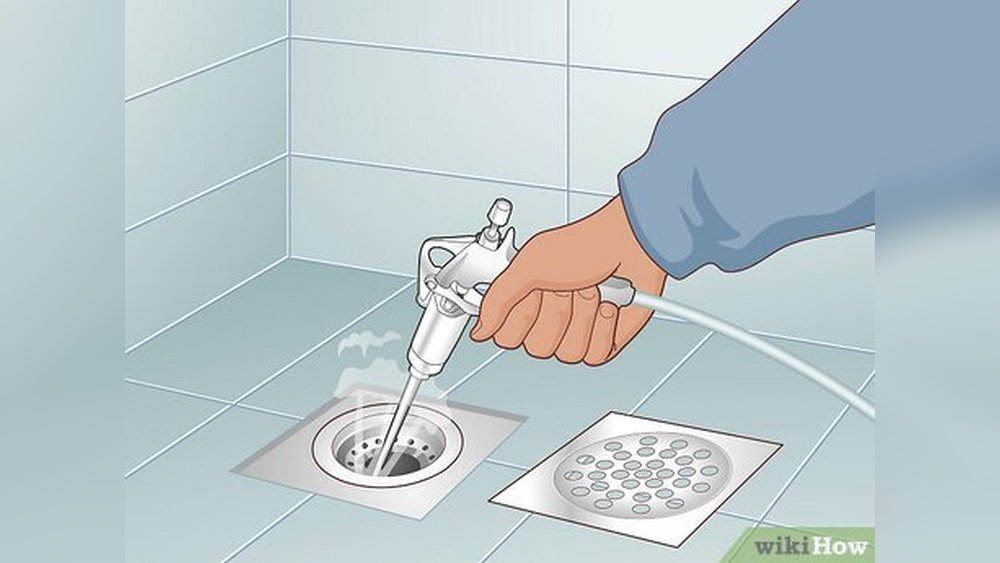
Credit: www.wikihow.com
Tools For Hair Removal
Removing hair from the shower drain is easier with the right tools. Many household items work well. Some tools reach deep clogs. Others pull out hair near the surface. Choose a tool based on the clog’s size and location.
Using A Hanger
Unbend a wire hanger to make a hook. Insert the hook into the drain. Twist and pull to catch hair. This tool works best for shallow clogs. It is cheap and easy to find. Clean the hanger after use to prevent rust.
Plumber’s Snake And Auger
A plumber’s snake is a flexible wire tool. Push it into the drain until you reach the clog. Turn the handle to grab hair and debris. Pull the snake out slowly. This tool reaches deep clogs and works well on tough blockages.
Drain Weasel And Zip-it Tool
These tools have barbs to catch hair. Push them into the drain and twist. Hair wraps around the barbs. Pull out the tool to remove the clog. Drain Weasel and Zip-It are small and easy to use. They are safer than sharp objects.
Plunger Methods
A plunger creates suction to loosen clogs. Cover the drain opening with the plunger cup. Push down and pull up quickly several times. This moves water and may dislodge hair. Use a plunger if the clog is near the surface. It’s a quick and chemical-free method.
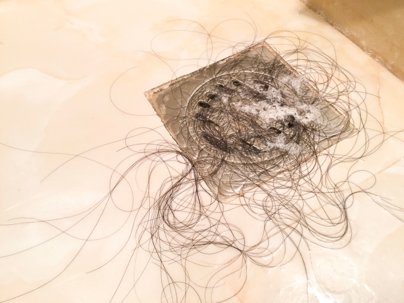
Credit: www.smithsplumbingservice.com
Natural Clearing Methods
Natural clearing methods offer a safe and eco-friendly way to remove hair from your shower drain. These techniques use common household ingredients that gently break down clogs without harsh chemicals. They protect your pipes and the environment.
Each method targets hair and buildup differently. Some dissolve grease, while others loosen trapped hair for easy removal. Using these methods regularly can keep your drain clear and flowing smoothly.
Baking Soda And Vinegar
Start by pouring half a cup of baking soda into the drain. Follow with half a cup of white vinegar. The mixture will fizz and bubble, helping to break down hair and soap scum. Wait 15 minutes for the reaction to work. Then, flush the drain with hot water to clear loosened debris.
Boiling Water
Boiling water helps soften grease and soap buildup that traps hair. Carefully pour boiling water down the drain in stages. Avoid using boiling water on PVC pipes; instead, use very hot tap water. Repeat this process a few times to clear minor clogs and keep drains fresh.
Dish Soap And Hot Water
Squirt a generous amount of dish soap into the drain. The soap breaks down greasy buildup holding hair in place. After a few minutes, pour very hot water down the drain to wash away loosened debris. This simple method helps prevent clogs and keeps the drain flowing.
Chemical Drain Cleaners
Chemical drain cleaners offer a quick way to clear hair clogs in shower drains. These products use chemicals to break down hair and other debris. They come in different types, each working in unique ways to dissolve blockages. Choosing the right cleaner and using it safely is important to protect your pipes and health.
Enzymatic Cleaners
Enzymatic cleaners contain natural enzymes and bacteria. They eat away hair and organic matter slowly. These cleaners are gentle on pipes and safe for the environment. They work best with regular use and in mild clogs. Enzymatic cleaners do not cause harsh chemical reactions. They keep drains clear without damaging plumbing.
Acidic And Alkaline Products
Acidic and alkaline products are stronger drain cleaners. They use harsh chemicals to dissolve hair quickly. Acidic cleaners use acids to eat through clogs. Alkaline cleaners contain substances like sodium hydroxide. These products work fast but can harm pipes if overused. They also release strong fumes, so use them carefully. These cleaners are best for tough, stubborn blockages.
Safety Tips For Use
Always wear gloves and eye protection when using chemical cleaners. Work in a well-ventilated area to avoid breathing fumes. Never mix different drain cleaners together. Mixing chemicals can cause dangerous reactions. Follow the instructions on the product label exactly. Avoid using chemical cleaners on old or fragile pipes. Rinse the drain with plenty of water after use to clear residue.
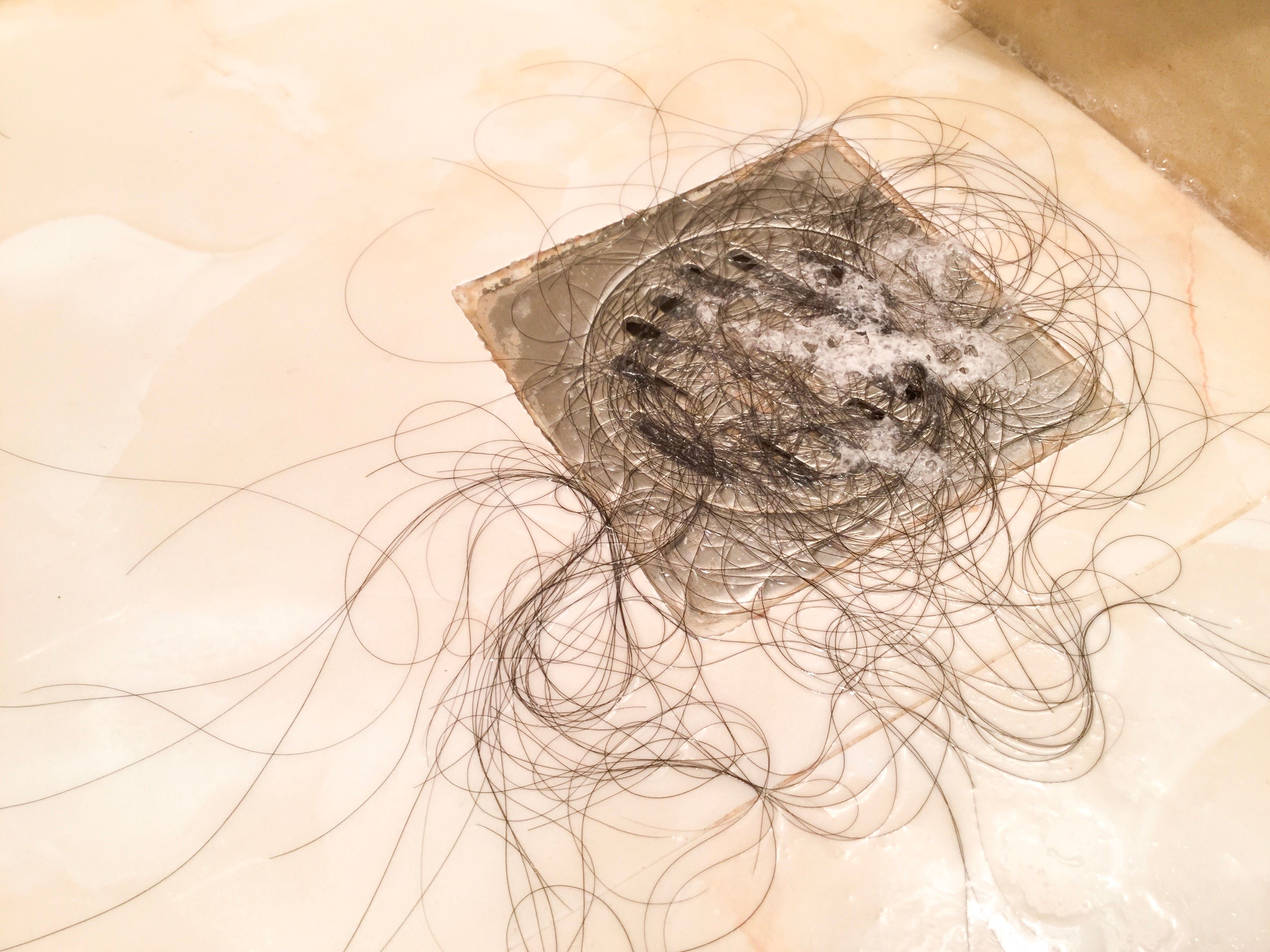
Credit: www.smithsplumbingservice.com
Preventing Hair Clogs
Preventing hair clogs in your shower drain saves time and avoids plumbing problems. Small steps can stop hair from building up and blocking water flow. Consistent care keeps drains clear and smelling fresh. Simple tools and routines reduce the risk of tough clogs.
Drain Hair Catchers
Drain hair catchers are easy to use and very effective. They fit over or inside the drain to catch hair before it goes down. These devices come in many shapes and sizes. Silicone and metal catchers work well for most showers. Remove and clean them regularly to keep water flowing smoothly. Using hair catchers cuts down on the need for harsh cleaners.
Regular Maintenance Tips
Regular maintenance keeps your shower drain free from hair buildup. Remove visible hair from the drain surface after each shower. Flush the drain with hot water once a week to clear soap scum. Use a gentle drain cleaner monthly to break down minor clogs. Avoid pouring grease or thick products down the drain. Check and clean hair catchers often for best results. These small habits prevent big problems later.
When To Call A Professional
Sometimes, hair clogs become too tough for home remedies. Calling a professional plumber is the best choice at this point. Professionals save time and prevent damage to your pipes. They have the right skills and tools to clear severe blockages quickly. Knowing when to call helps avoid costly repairs and frustration.
Signs Of Severe Blockage
Water drains very slowly or not at all. You hear gurgling sounds from the drain. Bad smells come from the shower drain area. Water backs up into the shower or nearby sinks. These signs show a deep clog that needs expert help.
Professional Tools And Techniques
Plumbers use drain snakes to reach and remove hair clogs deep inside pipes. High-pressure water jets can wash away stubborn blockages. Specialized cameras inspect the pipes for hidden problems. Professionals may disassemble the drain for a thorough clean. These tools ensure a complete and safe unclogging process.
Frequently Asked Questions
What Dissolves Hair In A Shower Drain?
Baking soda and vinegar create a fizzing reaction that dissolves hair. Commercial enzymatic cleaners also break down hair safely. Boiling water loosens grease holding hair. Dish soap cuts grease, easing hair removal. Physical tools like plumber’s snakes help pull out stubborn hair clogs.
How To Get Long Hair Out Of Shower Drain?
Use a drain hair catcher first. Remove visible hair manually with a drain tool or hanger. Pour baking soda and vinegar, then flush with hot water. For tough clogs, use a plumber’s snake or enzymatic drain cleaner carefully. Avoid harsh chemicals on standing water.
Why Should You Never Use Baking Soda And Vinegar To Unclog A Drain?
Never use baking soda and vinegar together to unclog drains because their reaction produces water and salt, which won’t clear clogs. This fizzing action lacks power to dissolve hair or grease effectively. Rely on mechanical tools or enzyme-based cleaners for safer, more efficient drain unclogging.
Will Pouring Boiling Water Down A Shower Drain Unclog It?
Pouring boiling water can help loosen soap scum and grease causing clogs. Avoid boiling water on PVC pipes; use hot tap water instead. Boiling water alone rarely clears hair clogs; combine with dish soap, baking soda, vinegar, or physical removal for better results.
Conclusion
Removing hair from your shower drain keeps water flowing smoothly. Use simple tools like a hanger or plumber’s snake for quick results. Natural solutions like baking soda and vinegar also work well. Avoid letting hair build up to prevent clogs and bad smells.
Regular cleaning saves time and hassle later. With a little effort, your drain stays clear and your shower drains fast. Easy steps can make a big difference in bathroom maintenance.
As an Amazon Associate, I earn from qualifying purchases.
Lovingshe is a participant in the Amazon Services LLC Associates Program which is an affiliate advertising program designed to provide a means for sites to earn advertising fees by advertising and linking to Amazon.com. Amazon may use cookies to track referrals from our site. Visit Amazon’s privacy policy for details
