


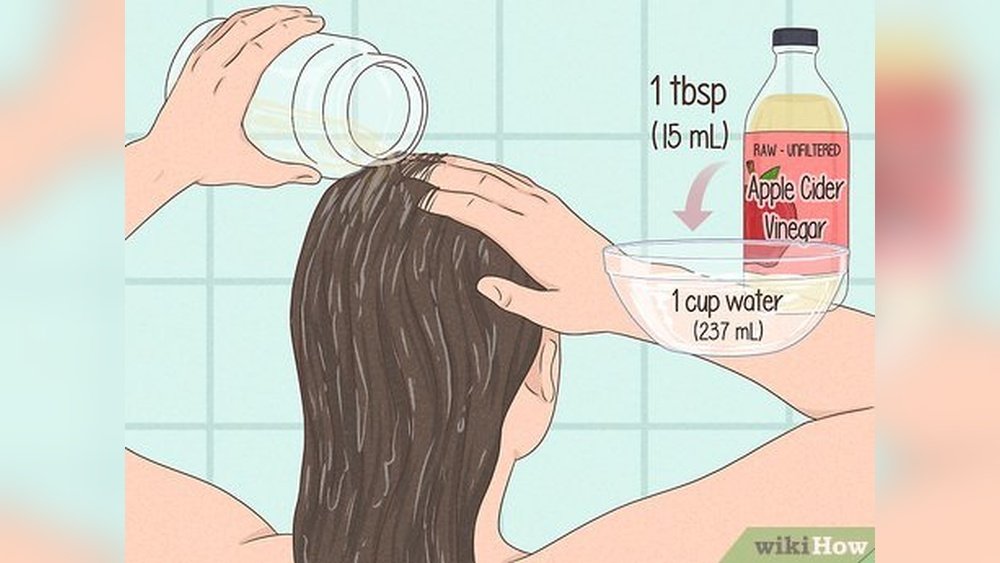
Do you find yourself constantly battling greasy hair no matter how often you wash it? You’re not alone.
Oily hair can feel heavy, look dull, and make you self-conscious throughout the day. But what if you could take control and keep your hair fresh, clean, and vibrant longer? The secret isn’t just in washing more—it’s about understanding why your scalp produces excess oil and learning simple, effective habits to balance it out.
Keep reading to discover practical tips and easy changes you can make right now to say goodbye to greasy hair for good. Your hair will thank you!
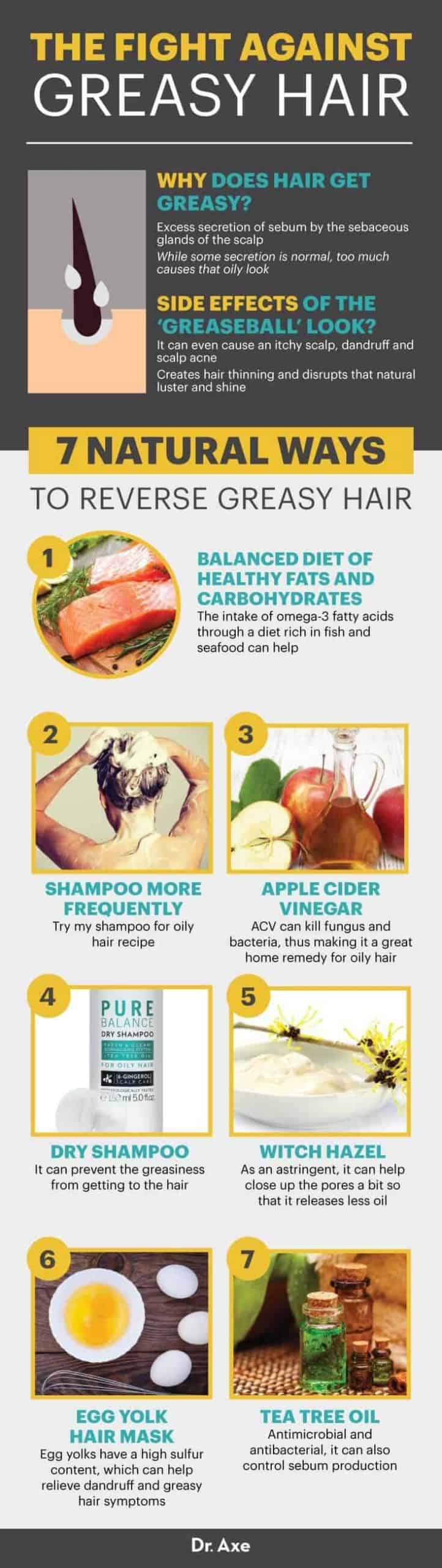
Credit: draxe.com
Proper Washing
Proper washing plays a key role in managing greasy hair. The right washing method removes excess oil without stripping hair of moisture. This helps keep hair fresh and balanced throughout the day. Simple changes in your washing routine can make a big difference.
Choose The Right Shampoo
Select a shampoo designed for oily hair or one labeled clarifying. These shampoos clean the scalp deeply and remove buildup. Avoid heavy, moisturizing shampoos as they can add extra grease. Use a gentle formula if you wash daily to prevent dryness.
Double Wash Technique
Start by massaging shampoo into your scalp to break up oils. Rinse well, then apply shampoo again for a deeper clean. This double wash method ensures all dirt and oil are removed. It leaves your scalp feeling fresh without over-drying.
Condition Ends Only
Apply conditioner only to the hair ends, not the scalp or roots. This prevents adding extra oil near the scalp. Use a lightweight conditioner to avoid weighing hair down. Rinse thoroughly to keep hair light and non-greasy.
Cool Water Rinse
Rinse your hair with cool water at the end of washing. Cool water helps close hair cuticles and reduces oil production. It also makes hair shinier and smoother. Avoid hot water as it can stimulate more oil and irritate the scalp.
Daily Habits
Daily habits play a crucial role in managing greasy hair. Small changes in your routine can reduce oil build-up and keep hair fresh longer. Consistency matters. Follow these easy steps every day for better hair health and less grease.
Use Dry Shampoo Early
Apply dry shampoo before your hair feels oily. It soaks up excess oil and adds volume. Use it in the morning or at night. This prevents grease from building up throughout the day.
Avoid Touching Hair
Keep your hands away from your hair. Touching spreads oil and dirt from your fingers. It also stimulates oil glands on your scalp. Try to avoid brushing or playing with your hair often.
Clean Brushes Weekly
Wash your hairbrush every week with shampoo and warm water. This removes oil, dirt, and product buildup. A clean brush helps keep your hair cleaner and reduces grease spread.
Air Dry Or Use Low Heat
Let your hair air dry when possible. High heat from blow dryers can stimulate oil production. If you must use a dryer, choose the lowest heat setting. This keeps your scalp calm and less oily.
Change Pillowcases Often
Change your pillowcases at least once a week. Oils from your hair and face transfer onto fabric overnight. Fresh pillowcases reduce oil buildup and keep your hair cleaner longer.
Lifestyle Tips
Adopting the right lifestyle habits can significantly reduce greasy hair. Small changes help balance oil production naturally. These habits support healthy scalp and hair over time.
Manage Stress Levels
Stress triggers hormone changes that increase oil production. Try simple relaxation methods like deep breathing or short walks. Consistent stress management reduces scalp oiliness. A calm mind helps keep your hair fresh longer.
Stay Hydrated
Drinking enough water flushes out toxins and supports skin health. Hydrated skin, including your scalp, produces oil at a normal rate. Aim for at least eight glasses of water daily. This keeps your scalp balanced and less oily.
Eat A Balanced Diet
Healthy hair starts from what you eat. Include fruits, vegetables, and whole grains in meals. Avoid too much oily or sugary food that may worsen greasy scalp. Nutrients like zinc and vitamins help control oil production naturally.

Credit: www.youtube.com
When To Get Help
Knowing when to seek help for greasy hair is crucial. Sometimes home care is not enough. Persistent oiliness might signal an underlying problem. Professional advice can guide you to the right treatment. Early action prevents worsening scalp issues.
Persistent Oiliness
If your hair stays oily despite regular washing, take note. Persistent oiliness lasting weeks or months needs attention. It can cause discomfort and affect your confidence. Do not ignore constant greasiness after changing shampoos and routines.
Consult Dermatologist
A dermatologist can identify causes behind oily hair. They check for skin conditions or hormonal imbalances. Doctors may recommend medicated shampoos or treatments. Professional guidance ensures safe and effective care. Book an appointment if home remedies fail.
Check For Scalp Conditions
Scalp problems like seborrheic dermatitis cause oil buildup. Symptoms include redness, itching, and flaking. These conditions worsen greasy hair and need treatment. A dermatologist can diagnose and prescribe medication. Proper scalp care restores balance and comfort.
Credit: prose.com
Frequently Asked Questions
How Do I Stop My Hair From Being So Oily?
Wash hair gently with clarifying shampoo, focus on scalp, rinse with cool water. Condition ends only. Use dry shampoo early. Avoid touching hair, clean brushes weekly, manage stress, and maintain a healthy diet. Change pillowcases weekly to reduce oil buildup.
Consult a dermatologist if oiliness persists.
How To Get Rid Of Greasy Hair Fast?
Wash hair with a gentle, clarifying shampoo focusing on the scalp. Rinse with cool water. Condition only ends. Use dry shampoo to absorb oil. Avoid touching hair and clean brushes regularly. Manage stress and maintain a healthy diet for long-term balance.
Why Is My Hair Still Greasy After I Wash It Everyday?
Your scalp may overproduce oil from daily washing, stripping natural oils and triggering more grease. Use gentle shampoo, condition ends only, and avoid touching hair.
What Is The Main Cause Of Greasy Hair?
The main cause of greasy hair is overactive sebaceous glands producing excess oil on the scalp.
Conclusion
Greasy hair can feel frustrating, but simple steps help control it. Wash your scalp gently and avoid heavy products. Use dry shampoo to keep oil at bay between washes. Remember, touching hair less reduces oil spread. Healthy eating and managing stress also improve scalp health.
Keep hair tools clean and change pillowcases often. These habits work together to balance oil and keep hair fresh. If oiliness continues, a doctor can offer advice. Stay consistent, and you will notice better hair days ahead.
As an Amazon Associate, I earn from qualifying purchases.
Lovingshe is a participant in the Amazon Services LLC Associates Program which is an affiliate advertising program designed to provide a means for sites to earn advertising fees by advertising and linking to Amazon.com. Amazon may use cookies to track referrals from our site. Visit Amazon’s privacy policy for details
