


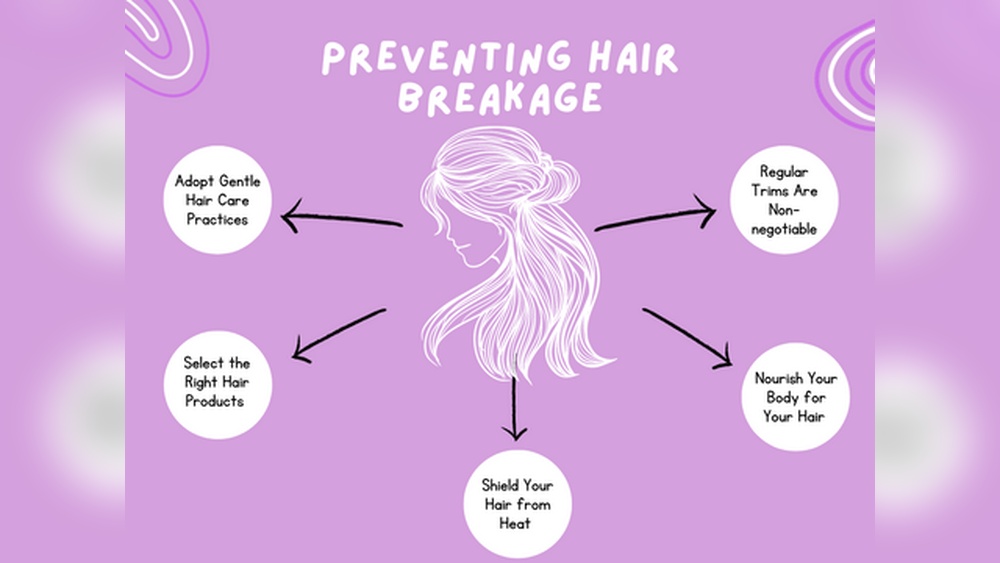
Is your hair breaking more than it should? You’re not alone—and the good news is, you can stop it.
Hair breakage can make your locks look thin, dull, and unhealthy, but understanding how to protect your hair can change everything. You’ll discover simple, effective ways to keep your hair strong and reduce breakage. From easy hair care habits to powerful treatments, you’ll learn how to save your strands and enjoy the healthy hair you deserve.
Keep reading—your hair’s new strength and shine start here.
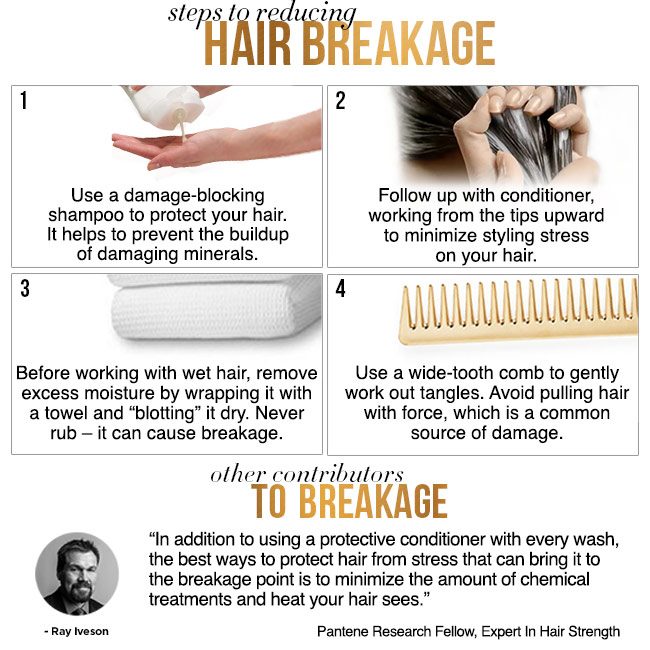
Credit: www.pantene.com.au
Causes Of Hair Breakage
Hair breakage occurs when strands weaken and snap easily. It causes uneven hair length and frizz. Understanding the causes helps protect hair and keep it healthy.
Wrong Hair Products
Using harsh shampoos or conditioners can dry out hair. Products with strong chemicals strip natural oils. Avoid sulfates and alcohol-based items that damage hair. Choose gentle, moisturizing products suited for your hair type.
Excessive Heat And Uv Damage
Heat from styling tools weakens hair structure. Flat irons, curling wands, and blow dryers cause dryness and brittleness. Sun exposure breaks down hair proteins and fades color. Always use heat protectants and limit heat styling.
Chemical Treatments
Permanent coloring, bleaching, and relaxers alter hair’s natural state. These processes weaken the hair shaft and cause breakage. Frequent treatments increase damage risk. Space out chemical services and use repair treatments after.
Mechanical Wear And Tear
Rough brushing and tight hairstyles strain hair strands. Constant pulling causes split ends and breakage. Use wide-tooth combs and avoid hairstyles that pull hair too tight. Be gentle while detangling wet hair.
Overnight Friction
Sleeping on cotton pillowcases creates friction against hair. It leads to tangles and breaks during the night. Use silk or satin pillowcases to reduce friction. Wrap hair in a silk scarf for extra protection.
Skipping Regular Trims
Split ends travel up the hair shaft if not trimmed. This causes more breakage and uneven hair. Regular trims remove damaged ends and keep hair healthy. Trim hair every 6 to 8 weeks for best results.
Nutritional Support
Nutritional support plays a big role in preventing hair breakage. Healthy hair needs the right nutrients to stay strong and grow well. A balanced diet helps protect hair from damage and keeps it shiny.
Focus on foods and nutrients that build hair structure. Proper nutrition strengthens hair strands and reduces breakage. Here are key areas to focus on for better hair health.
Protein-rich Foods
Hair is mostly made of protein called keratin. Eating enough protein supports new hair growth and repairs damage. Include lean meats, fish, eggs, beans, and dairy in meals. These foods provide essential amino acids needed for strong hair. Plant-based proteins like lentils and chickpeas also help build healthy hair.
Key Vitamins And Minerals
Vitamins and minerals boost hair strength and shine. Vitamin A helps produce scalp oils that keep hair moisturized. Vitamin C supports collagen production for hair structure. Iron improves oxygen flow to hair follicles, which helps growth. Zinc aids in tissue repair and prevents hair loss. Eat fruits, vegetables, nuts, and whole grains to get these nutrients naturally.
Supplements To Consider
Supplements can fill gaps if diet lacks key nutrients. Biotin supports hair health and reduces breakage. Collagen peptides provide building blocks for hair fibers. Multivitamins ensure a balance of essential vitamins and minerals. Consult a healthcare provider before starting supplements to choose what fits best.
Gentle Hair Care
Gentle hair care plays a key role in preventing hair breakage. Treating hair with care keeps strands strong and healthy. Harsh shampoos, rough brushing, and hot water can cause damage. Simple, gentle habits help protect hair from weakening. These habits improve hair texture and shine over time.
Follow easy steps to care for hair softly every day. Use products and techniques that reduce strain on hair. Protecting hair cuticles prevents split ends and breakage. A mild routine supports hair growth and moisture balance.
Choosing Sulfate-free Shampoos
Sulfate-free shampoos clean hair without stripping natural oils. These shampoos keep hair hydrated and reduce dryness. Harsh sulfates can weaken strands and cause frizz. Select gentle formulas with nourishing ingredients. This choice maintains scalp health and avoids irritation.
Conditioning Techniques
Conditioning locks moisture into hair strands. Apply conditioner mainly to the ends and mid-lengths. Leave it on for a few minutes before rinsing. Use a wide-tooth comb to spread conditioner evenly. Avoid heavy conditioners at the roots to prevent greasiness. Proper conditioning strengthens hair and reduces tangles.
Cooling Water Rinses
Rinsing hair with cool water seals the cuticles. Closed cuticles reflect light, making hair look shiny. Cool water also helps keep moisture inside the strands. Avoid hot water rinses that dry out hair. Finish your wash with a cool rinse for smooth, strong hair.
Brushing And Detangling Tips
Use a wide-tooth comb or soft brush for detangling. Start from the ends and work upwards gently. Avoid pulling or yanking knots to prevent breakage. Detangle hair when it is damp, not soaking wet. Regular brushing reduces tangles and distributes oils evenly.
Credit: www.reddit.com
Effective Treatments
Effective treatments play a key role in reducing hair breakage. Choosing the right care can strengthen hair strands. Consistent use of nourishing products helps restore damaged hair. These treatments lock in moisture and repair weak spots. Applying them regularly improves hair texture and resilience.
Oil Treatments
Oil treatments nourish hair deeply and prevent breakage. Castor oil thickens hair and boosts growth. Coconut oil penetrates the hair shaft to reduce protein loss. Almond oil adds shine and smoothness. Warm the oil slightly and massage into scalp. Leave it on for at least 30 minutes before washing. Use oil treatments once or twice a week for best results.
Protein And Keratin Masks
Protein and keratin masks rebuild hair structure. Hair strands are mostly protein, so these masks fill gaps. Keratin strengthens cuticles and smooths rough hair. Apply the mask on damp hair for 15 to 20 minutes. Rinse with cool water to seal the cuticles. Use protein masks once every two weeks to avoid stiffness.
Diy Remedies
DIY remedies use natural ingredients to reduce breakage. Egg yolk mixed with oil offers a protein boost. Aloe vera soothes scalp and adds moisture. Honey works as a humectant to lock in hydration. Mix these ingredients and apply evenly on hair. Cover with a shower cap and wait 30 minutes. Rinse gently with lukewarm water afterward. Repeat DIY treatments weekly for stronger hair.
Bond-building Products
Bond-building products repair broken links inside hair strands. These products rebuild the hair’s internal structure. Olaplex is a popular bond builder that reduces breakage. Use bond-building treatments after chemical processes or heat styling. Apply according to instructions for best protection. Regular use improves hair strength and elasticity.
Styling And Protective Habits
Styling and protective habits play a key role in preventing hair breakage. Choosing gentle styling methods and caring for hair daily helps keep strands strong. Simple changes in routine protect hair from damage and support healthy growth.
Limiting Heat Styling
Heat styling tools can weaken hair and cause breakage. Use them sparingly to avoid damage. Try air-drying hair or using cooler settings on your straightener or curling iron. This reduces stress on strands and keeps hair healthier.
Using Heat Protectants
Applying heat protectant sprays or creams before styling shields hair from high temperatures. These products form a barrier that lowers heat damage. Always use a heat protectant to keep hair smooth and prevent split ends.
Protective Nighttime Routines
Nighttime care protects hair from friction and tangling. Sleep on silk or satin pillowcases to reduce breakage. Consider wearing a loose braid or a silk bonnet. These habits help maintain hair moisture and prevent damage during sleep.
Regular Hair Trims
Trimming hair every 6 to 8 weeks removes split ends before they worsen. Healthy ends stop breakage from traveling up the strand. Regular trims keep hair looking neat and promote stronger growth.
Scalp Massage Benefits
Massaging the scalp boosts blood flow to hair follicles. Improved circulation nourishes roots and supports hair strength. Use gentle, circular motions for a few minutes daily. Scalp massage also helps reduce stress that can affect hair health.
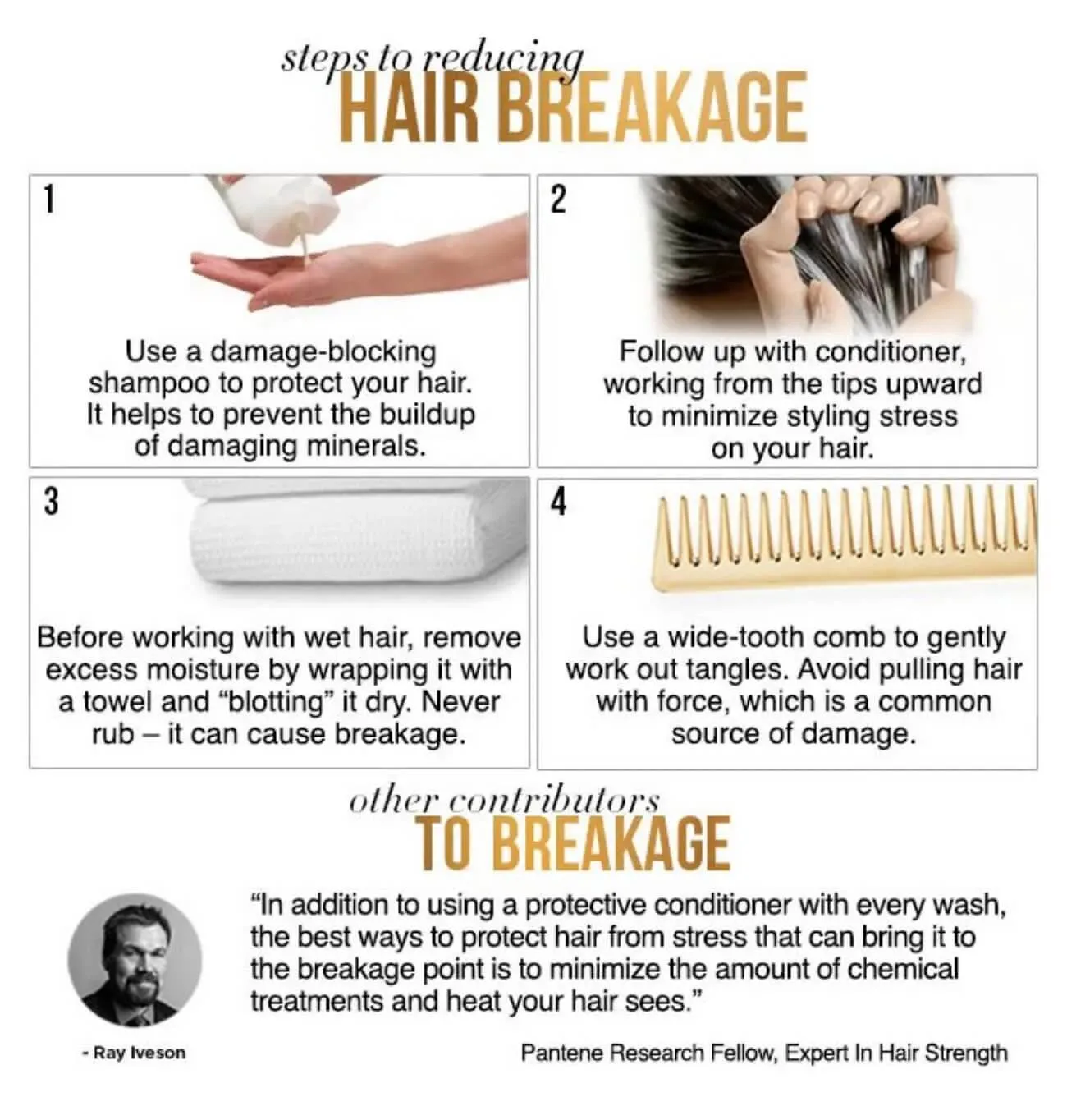
Credit: www.haircode.uk
Lifestyle Factors
Lifestyle factors play a crucial role in maintaining strong, healthy hair. Simple daily habits affect hair breakage more than many realize. Managing stress, staying hydrated, and sleeping well all support hair strength. These elements nourish hair from within and protect it from damage.
Stress Management
Stress weakens hair follicles and slows growth. It can cause hair to fall out or break easily. Regular relaxation techniques reduce stress levels. Meditation, deep breathing, and light exercise calm the mind. A calm mind supports healthy hair growth.
Hydration Importance
Water keeps hair moisturized and flexible. Dry hair breaks faster and looks dull. Drinking enough water daily nourishes hair from the inside. Aim for at least eight glasses of water each day. Eating water-rich fruits and vegetables also helps keep hair hydrated.
Healthy Sleep Patterns
Sleep repairs the body, including hair cells. Poor sleep leads to weak hair and breakage. Try to get 7 to 9 hours of rest nightly. A regular sleep schedule supports steady hair growth. Good sleep habits improve hair health over time.
Frequently Asked Questions
What Is The Biggest Cause Of Hair Breakage?
The biggest cause of hair breakage is excessive heat styling and harsh chemical treatments damaging hair strands.
How Do I Make My Hair Stronger?
Eat protein-rich foods like eggs and fish to nourish hair. Use sulfate-free shampoo and conditioner regularly. Apply oils such as coconut or castor for moisture. Limit heat styling and protect hair with silk pillowcases. Get regular trims and gently massage your scalp to boost strength.
Does Moisturizing Hair Prevent Breakage?
Moisturizing hair helps maintain flexibility and reduces dryness, which lowers the risk of breakage. Regular hydration strengthens strands.
What Is My Body Lacking If My Hair Is Breaking?
Hair breakage often signals a lack of protein, biotin, iron, or moisture in your body. Strengthen hair with balanced nutrition and hydration.
Conclusion
Taking simple steps daily can protect your hair from breakage. Use gentle hair care methods and nourishing products. Avoid harsh chemicals and reduce heat styling. Eat a healthy diet rich in protein to support hair strength. Regular trims keep hair ends healthy and prevent damage.
Protect hair at night with silk pillowcases or soft wraps. Small changes make a big difference over time. Keep your hair strong and healthy with patience and care.
As an Amazon Associate, I earn from qualifying purchases.
Lovingshe is a participant in the Amazon Services LLC Associates Program which is an affiliate advertising program designed to provide a means for sites to earn advertising fees by advertising and linking to Amazon.com. Amazon may use cookies to track referrals from our site. Visit Amazon’s privacy policy for details
