


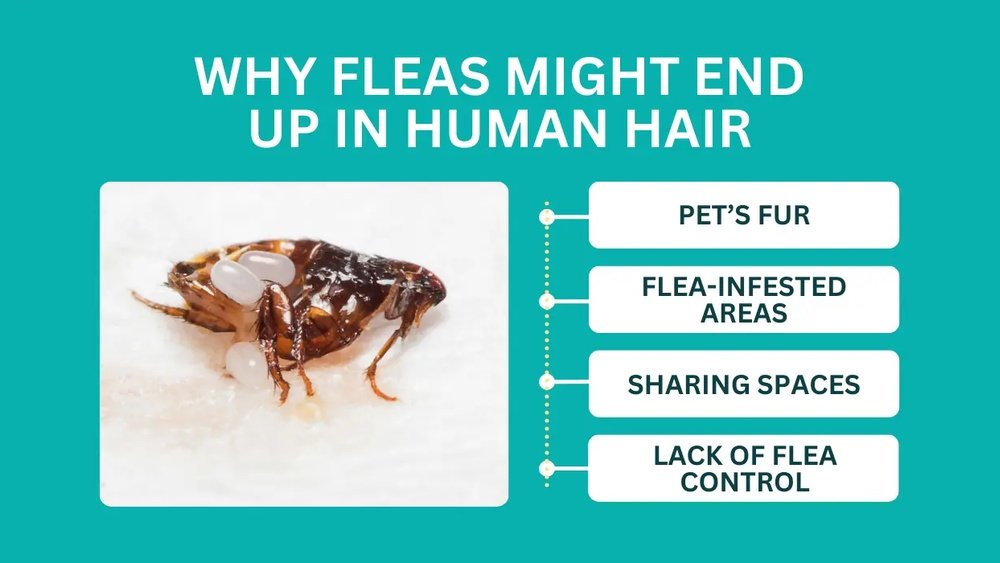
Have you ever wondered if fleas can actually live in your hair? The idea alone makes your skin crawl, especially if you’ve been dealing with itchy bites or just want to protect yourself from these tiny pests.
You might be asking, “Can fleas really make a home on my scalp? ” or “What should I do if I feel something crawling in my hair? ” Understanding the truth about fleas and human hair is key to stopping them before they cause discomfort or spread further.
You’ll discover how fleas behave around humans, how to spot if they’ve hitched a ride in your hair, and what steps you can take to keep yourself flea-free. Keep reading—your comfort depends on it!
Flea Habits
Fleas have unique habits that help them survive and spread quickly. Understanding these habits reveals why fleas rarely live in human hair for long. Their behavior centers around feeding, moving, and finding the best hosts to live on.
Preferred Hosts
Fleas prefer warm-blooded animals with fur or thick hair. Dogs and cats are their top choices. These animals provide easy access to blood and shelter. Fleas rarely choose humans as their main home. Human hair is usually too thin and lacks the warmth fleas seek. Fleas may jump on humans briefly to feed but do not stay long.
Flea Movement And Behavior
Fleas are excellent jumpers, moving quickly between hosts and environments. They jump from animals to carpets, bedding, and other areas. Fleas avoid staying still for long and prefer hiding in dark, warm places. They move swiftly through fur but find human hair less comfortable. Fleas tend to escape from human scalp rather than live there.
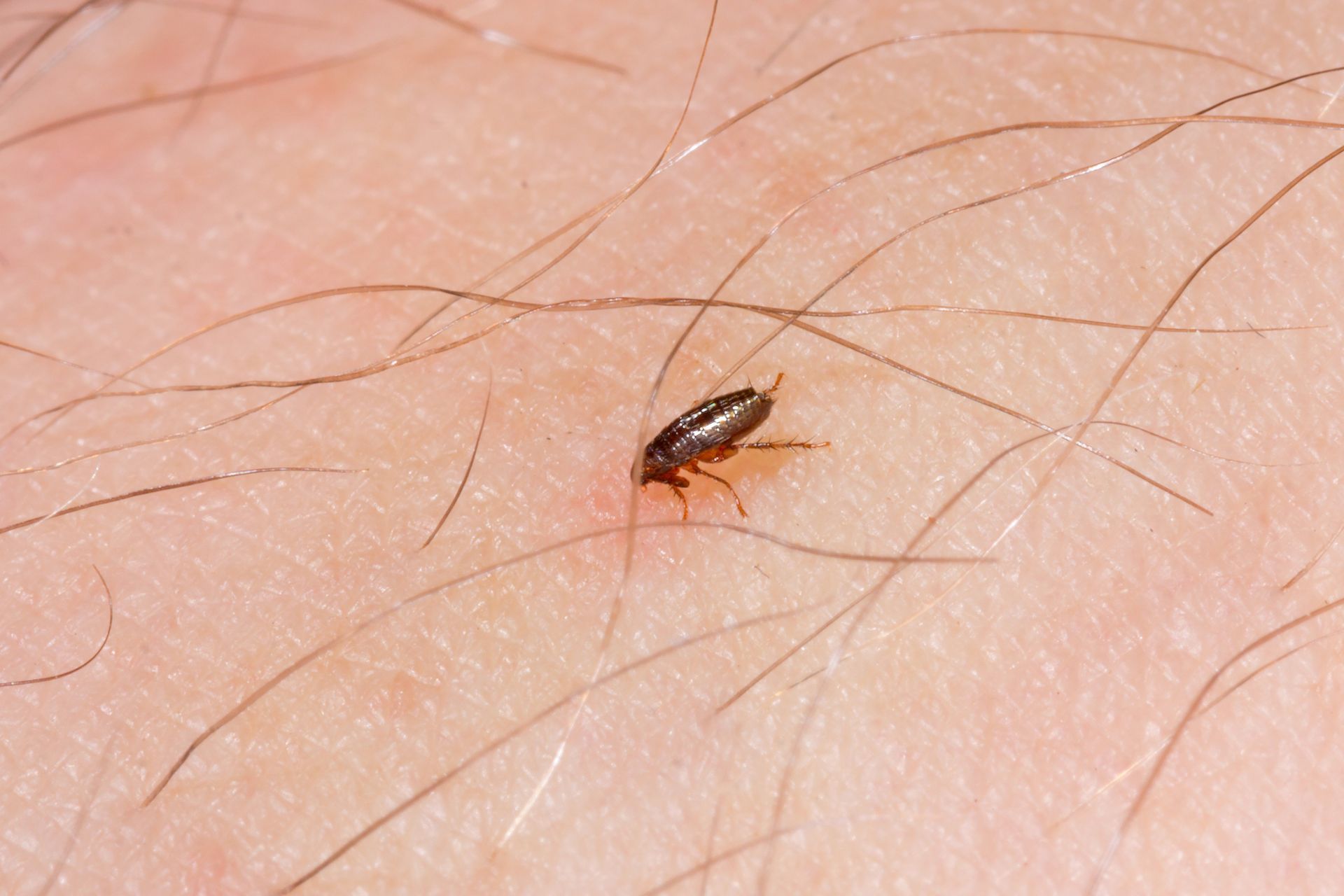
Credit: www.ecoguardpestmanagement.com
Fleas In Human Hair
Fleas are tiny pests known for biting animals and sometimes humans. Many wonder if these insects can live in human hair. Understanding how fleas interact with human hair helps to manage and prevent bites. This section explores the possibility of fleas surviving in hair and how long they might stay there.
Can Fleas Survive In Hair?
Fleas do not usually live in human hair. They prefer animal fur because it provides food and shelter. Human hair is not ideal for fleas. It is thinner and less dense than animal fur. Fleas need a stable environment to lay eggs and grow.
Adult fleas can jump into hair to bite and feed. They do not burrow or stay permanently. Human scalp is too warm and exposed. Fleas find it hard to survive long-term without a host like a pet.
Temporary Vs Long-term Presence
Fleas can stay in human hair only temporarily. They jump on humans to feed but leave soon after. Fleas look for pets or places to hide and breed. A few fleas in hair usually means nearby infestation on pets or home.
Long-term flea presence in human hair is very rare. Fleas prefer animals with thick fur to live and reproduce. Fleas on humans often come from pets or infested areas. Removing fleas from hair is possible with washing and combing.
Signs Of Fleas On Humans
Fleas are tiny pests that can cause discomfort if they come into contact with humans. Knowing the signs of fleas on humans helps you act quickly. Fleas do not live long on people, but they can bite and irritate the skin.
Detecting fleas early can prevent further problems. Pay attention to your body and scalp for unusual symptoms. Here are key signs to watch for.
Scalp Itching And Bites
One common sign is intense itching on the scalp and neck. Flea bites cause small, red bumps that may be painful. These bites often appear in clusters. The itching worsens over time due to allergic reactions. Scratching can cause skin damage and infections.
Crawling Sensation
Feeling something moving on your skin is another sign. Fleas can briefly jump onto humans, causing a creepy crawling feeling. This sensation mostly happens on the scalp, behind ears, and along the hairline. It may happen at night or during rest.
Flea Dirt Identification
Flea dirt looks like tiny black specks on the skin or hair. It is actually flea feces and can be a clear sign of fleas. To confirm, place the specks on a wet paper towel. If they turn reddish-brown, it is flea dirt mixed with blood. Finding flea dirt means fleas have been feeding nearby.
Showering To Remove Fleas
Showering to remove fleas is an important step if you suspect fleas on your body. Fleas do not live long on humans, but they can temporarily cling to hair and skin. A good shower can wash away most adult fleas, reducing discomfort and itching quickly. Understanding how soap and water affect fleas helps in using the right shower techniques.
How Soap Affects Fleas
Soap plays a key role in killing fleas. It breaks down the flea’s protective outer layer called the cuticle. This layer keeps fleas from drying out and helps them breathe. Soap’s surfactants dissolve this layer, causing fleas to suffocate or dehydrate. Soapy water also helps drown fleas by clogging their breathing pores. Using soap increases the chance of killing fleas rather than just rinsing them off.
Effective Shower Techniques
Start with warm water to loosen fleas from hair and skin. Use a generous amount of shampoo and soap. Lather well and scrub all over your body, focusing on hair and scalp. A fine-toothed comb can help remove fleas trapped in hair strands. Rinse thoroughly but carefully so fleas do not escape to other areas. Repeat showering daily until flea bites stop and no live fleas appear.
Limitations Of Showering
Showering alone does not solve a flea infestation. Fleas mainly live in carpets, pet beds, and furniture, not on humans. Showering only removes fleas on your body temporarily. Flea eggs and larvae stay in your environment and continue the cycle. You must clean your home and treat pets to fully get rid of fleas. Showering helps reduce fleas on you but does not stop an infestation by itself.
Home Flea Control
Home flea control is key to stopping flea problems fast. Fleas do not live long on humans but can hide in your home. Effective cleaning and treating pets help remove fleas and their eggs. A clean home breaks the flea life cycle and keeps you itch-free.
Start by focusing on places fleas like to hide. Bedding, carpets, and furniture often hold flea eggs and larvae. Treating pets also stops fleas from jumping back inside. Sometimes, professional help is needed for large infestations.
Cleaning Bedding And Clothes
Wash all bedding and clothes in hot water above 130°F (54°C). Hot water kills adult fleas, eggs, and larvae. Dry items on the highest heat setting for at least 20 minutes. Do this weekly during flea season or after a flea exposure. Regular washing reduces flea eggs and stops new fleas from hatching.
Vacuuming Carpets And Furniture
Vacuum carpets, rugs, and furniture every day. Flea eggs and larvae hide deep in fabric and carpet fibers. Vacuuming pulls them out and lowers flea numbers. Empty the vacuum bag or canister into a sealed bag and throw it away outside. This stops fleas from escaping back inside your home.
Pet Treatment Options
Use flea treatments made for pets to kill fleas quickly. Options include topical drops, oral pills, and flea collars. Follow the vet’s advice for best results. Treat all pets at once to stop fleas from spreading. Regular treatments prevent new flea infestations and keep pets comfortable.
Professional Pest Control
Call a pest control expert if fleas keep returning. Professionals use stronger treatments to target all flea life stages. They can treat your home and yard safely. Experts also give advice on preventing future flea problems. This service is best for heavy infestations that home methods can’t control.
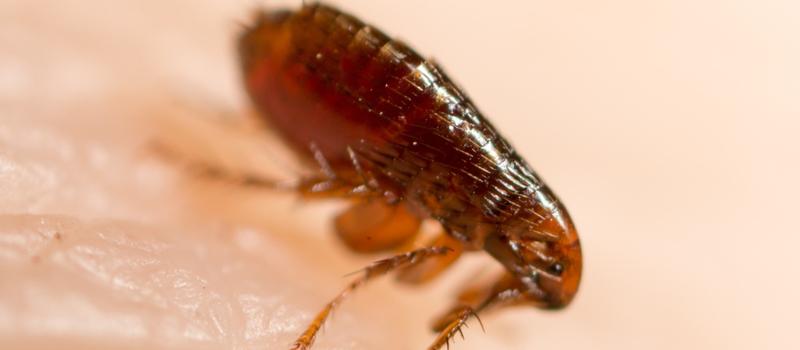
Credit: www.mosquitosquad.com
Preventing Flea Infestation
Preventing flea infestation requires consistent effort and attention. Fleas thrive in environments where pets and homes are not properly maintained. Stopping fleas early keeps your family and pets safe from bites and irritation. Focus on pet care, home cleanliness, and personal habits to lower the risk of infestation.
Regular Pet Care
Pets are the main hosts for fleas. Check your pets weekly for signs of fleas or itching. Use flea prevention products approved by your veterinarian. Bathe pets regularly using flea-control shampoos. Groom pets with a fine-toothed flea comb. Keep their bedding clean by washing it often in hot water.
Environmental Maintenance
Fleas can live in carpets, furniture, and pet bedding. Vacuum floors, carpets, and upholstery every day. Dispose of vacuum bags or empty containers immediately. Wash all bedding and pet items in hot water weekly. Keep your yard tidy by mowing grass and removing debris. Treat your home and yard with flea sprays if needed.
Personal Hygiene Tips
Fleas rarely live in human hair, but can temporarily jump on you. Shower regularly and use shampoo to wash away any fleas. Comb your hair with a fine-toothed comb to remove fleas or eggs. Change clothes daily and wash them often. Avoid close contact with infested pets until they are treated. Clean your living area to reduce flea risks.

Credit: kdfoundation.org
Frequently Asked Questions
Will A Shower Get Rid Of Fleas On Humans?
A thorough shower with soap and shampoo can wash off and kill most fleas on your body. Soap breaks down their protective coating, causing them to drown. Showering removes adult fleas but doesn’t eliminate eggs or infestations in your home or on pets.
How Do I Know If I Have Fleas In My Hair?
Check for intense scalp itching, small red bites near hairline or ears, a crawling feeling, and tiny dark insects or flea dirt in your hair.
Can Fleas Live In Your Bed?
Fleas can live in your bed by hiding in sheets and mattress seams. They feed on blood from humans or pets. Regular cleaning and treating pets prevent infestations. Fleas prefer pets but can bite humans if present. Washing bedding and vacuuming reduce flea presence effectively.
Can Humans Get A Flea Infestation In Their Hair?
Humans can temporarily get fleas in their hair, but fleas do not live or reproduce there. Fleas prefer pets and surroundings.
Conclusion
Fleas do not live long in human hair, but they can bite. Most fleas prefer animals like dogs or cats for feeding. A good shower with soap helps remove fleas on your body. Using a fine-toothed comb can catch fleas hiding in hair.
Treat your pets and clean your home to stop fleas fully. Flea eggs and larvae stay in carpets and bedding, so washing is key. Taking these steps keeps you and your family comfortable and flea-free. Stay vigilant and act quickly if you spot fleas on yourself or pets.
As an Amazon Associate, I earn from qualifying purchases.
Lovingshe is a participant in the Amazon Services LLC Associates Program which is an affiliate advertising program designed to provide a means for sites to earn advertising fees by advertising and linking to Amazon.com. Amazon may use cookies to track referrals from our site. Visit Amazon’s privacy policy for details
