


Have you ever accidentally stained your favorite shirt with hair dye and felt that sinking feeling? You’re not alone, and the good news is—you don’t have to throw your clothes away.
Removing hair dye from fabric might seem impossible, but with the right steps, you can save your garments and keep them looking fresh. You’ll discover simple, effective methods to tackle those stubborn stains quickly, using items you probably already have at home.
Keep reading, and you’ll learn how to get hair dye out of your clothes without stress or damage.
Remove Excess Dye
Removing excess hair dye from clothes is the first crucial step to stop the stain from spreading. Acting fast helps prevent the dye from settling deeper into the fabric. Start by carefully taking off as much dye as possible before applying any cleaning solutions.
This step makes the following treatments more effective. Handling the dye gently avoids pushing it further into the fibers. Use simple tools and techniques that protect your garment.
Use A Dull Knife To Scrape
Take a dull knife or a spoon to gently scrape off dried or wet excess dye. Hold the fabric taut and scrape in one direction. Avoid rubbing or pressing hard, as this can spread the stain. Remove only the visible dye on the surface. This action reduces the stain’s size and intensity.
Flush With Cold Water
Turn the stained area inside out and flush it with cold water. Use a steady stream to push the dye out of the fibers. Cold water prevents the dye from setting, unlike warm or hot water. Keep rinsing until no more dye washes away. This step helps clear loose dye particles and prepares the fabric for deeper cleaning.
:max_bytes(150000):strip_icc()/How-to-remove-hair-dye-stains-from-clothes-vertical-red-e6259f7de4ce4773900f6f9aa9dead51.png)
Credit: www.thespruce.com
Gentle Cleaning Methods
Gentle cleaning methods offer safe ways to remove hair dye stains from clothes. These techniques protect fabric fibers while targeting the stain. They often use common household items and require little effort. Such methods work well on fresh or lightly set stains. Use them first before trying stronger treatments. Act quickly for the best results. Patience helps as some stains need repeated cleaning.
Apply Liquid Detergent
Start by applying liquid laundry detergent directly on the stain. Use a small amount to cover the entire spot. Gently rub the detergent into the fabric with your fingers or a soft toothbrush. Let it sit for 5 to 10 minutes. Rinse the area under cold running water. Repeat this process if the stain remains visible. Finally, wash the garment as usual using the recommended settings. Avoid using hot water to prevent setting the stain.
Use Dish Soap And Baking Soda Paste
Mix equal parts dish soap and baking soda to form a thick paste. Apply this paste over the hair dye stain. Use a soft brush or cloth to gently scrub the paste into the fabric. Allow it to rest for 15 to 20 minutes. Rinse thoroughly with cold water to remove all residue. Repeat if necessary to lift stubborn stains. This natural paste works well on many fabrics without causing damage.
Alcohol-based Treatments
Alcohol-based treatments work well to break down hair dye stains on clothes. These treatments dissolve the dye’s pigments, making it easier to remove. They work best on fresh or slightly dried stains. Be careful to test on a small fabric area first to avoid damage.
Saturate With Hairspray
Use an alcohol-based hairspray to treat the stain. Spray the stained area until it is fully wet. Let it sit for 10 to 15 minutes. The alcohol helps lift the dye from the fabric fibers. After waiting, blot the stain gently with a clean cloth. Rinse with cold water and wash as usual. Repeat if the stain remains.
Dab With Rubbing Alcohol
Apply rubbing alcohol to a cotton ball or cloth. Dab the hair dye stain carefully, covering the whole spot. Avoid rubbing hard to prevent spreading the stain. The alcohol breaks down the dye’s color molecules. After dabbing, rinse the fabric with cold water. Launder the clothing normally. Check the stain before drying, as heat can set it permanently.
Oxidizing Agents
Bleach can be a powerful ally for removing hair dye stains from white clothes. It helps break down tough dye molecules that normal detergents might miss. Using bleach safely and correctly is key to protecting your fabric while lifting the stain. Choose the right bleach type based on your garment’s care label and the stain’s severity.
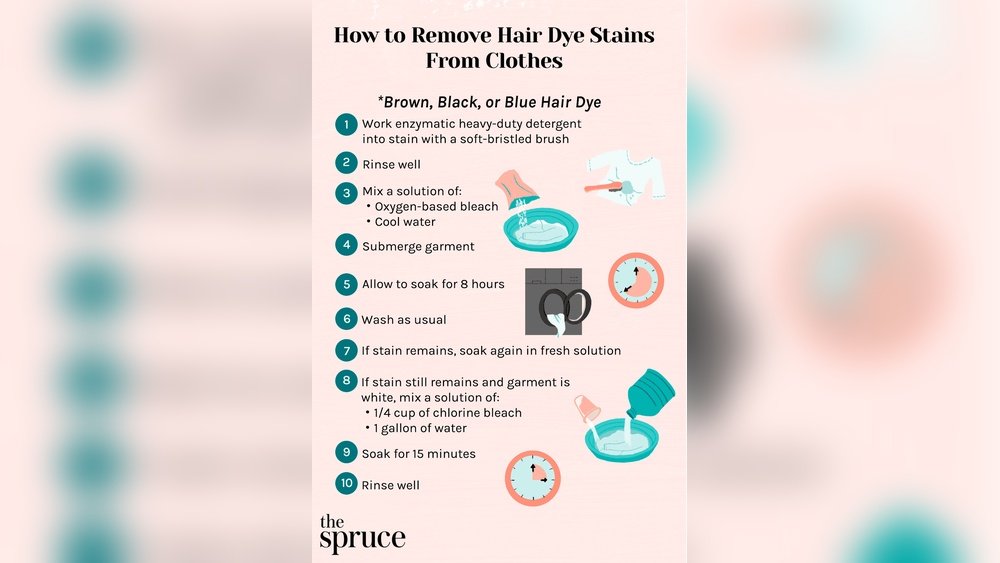
Oxygen Bleach Soak
Oxygen bleach is gentle and safe for most white fabrics. It works by releasing oxygen that breaks down the dye. Mix oxygen bleach powder with warm water following the package instructions. Soak the stained garment for several hours or overnight. Check the stain progress regularly. After soaking, wash the item as usual. Oxygen bleach is color-safe and less likely to damage fabric fibers.
Chlorine Bleach Caution
Chlorine bleach is very strong and works fast on white clothes. It can remove stubborn hair dye stains in minutes. Use only on pure white cotton or polyester fabrics. Avoid chlorine bleach on delicate materials like silk or wool. Always dilute chlorine bleach in water before applying. Test a small hidden area first to avoid damage. Never mix chlorine bleach with other cleaners or ammonia. Rinse the fabric well after treatment to remove all bleach residues.
Bleach Options For Whites
After treating hair dye stains on clothes, final care steps play a key role. These steps help confirm the stain is fully removed and protect the fabric. Proper care prevents setting the stain permanently. Follow these simple actions for the best results.
Air-dry And Inspect
Always air-dry the garment after washing. Heat from a dryer can set any leftover dye. Lay the clothing flat or hang it in a well-ventilated area. Once dry, check the stained area carefully. Look for any color traces or shadows. If the stain remains, avoid heat and proceed with further treatment.
Repeat Treatments If Needed
Some dye stains need more than one cleaning attempt. Apply your chosen stain remover again. Gently scrub and rinse with cold water. Then wash the garment once more. Patience is important. Repeat treatments increase chances of full stain removal without damage.
Check Fabric Care Labels
Always read the fabric care labels before any treatment. Some fabrics require special handling or mild detergents. Avoid harsh chemicals on delicate or sensitive materials. Follow manufacturer instructions to keep clothes safe. This helps maintain fabric quality while removing stains.

Credit: www.youtube.com

Credit: www.youtube.com
Frequently Asked Questions
How To Get Dried Hair Dye Out Of Clothes?
Scrape excess dye gently with a dull knife. Apply dish soap and baking soda paste or use hairspray. Scrub, rinse with cold water, and repeat. Air-dry to avoid setting stains. For tough spots, try hydrogen peroxide or oxygen bleach on whites only.
Always test fabric first.
Does Rubbing Alcohol Remove Hair Dye From Clothes?
Rubbing alcohol can help remove hair dye stains from clothes. Dab it onto the stain, then wash as usual. Repeat if needed. Always air-dry to avoid setting the stain with heat. Test on a hidden area first to protect fabric.
Can Hair Dye Permanently Stain Clothes?
Yes, hair dye can permanently stain clothes if not treated quickly. Promptly rinse, treat, and air-dry to prevent setting.
Will Dawn Dish Soap Get Rid Of Hair Dye?
Dawn dish soap can help remove fresh hair dye stains by breaking down oils and pigments. Use it with baking soda, gently scrub, rinse with cold water, and repeat if needed. Avoid heat until the stain fully lifts to prevent setting.
Conclusion
Removing hair dye from clothes takes patience and the right steps. Start by scraping off excess dye carefully. Use gentle cleaners like dish soap and baking soda to treat fresh stains. For tougher spots, try rubbing alcohol or hydrogen peroxide with care.
Always rinse with cold water and avoid heat until the stain disappears. Repeat treatments as needed and air-dry to prevent setting. With these simple methods, you can save your clothes from dye stains effectively. Keep trying and stay calm—clean clothes are possible even after hair dye mishaps.
As an Amazon Associate, I earn from qualifying purchases.
Lovingshe is a participant in the Amazon Services LLC Associates Program which is an affiliate advertising program designed to provide a means for sites to earn advertising fees by advertising and linking to Amazon.com. Amazon may use cookies to track referrals from our site. Visit Amazon’s privacy policy for details
