


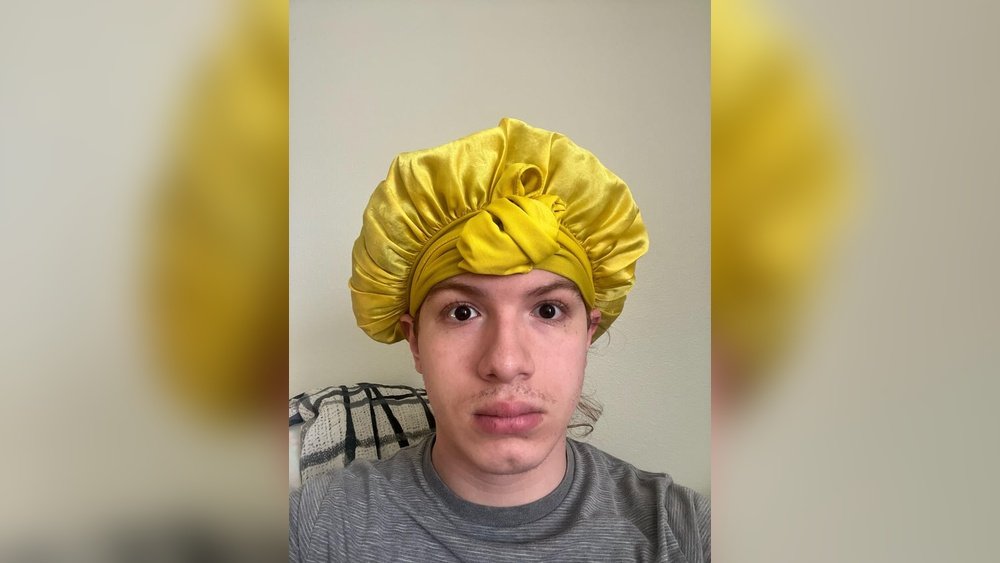
Are you wondering if wearing a bonnet might actually harm your hair? You’re not alone.
Bonnets have become a popular tool to protect hair overnight, but they can be a double-edged sword. While they can help reduce breakage, frizz, and moisture loss, the wrong bonnet or wearing it incorrectly might cause more damage than good.
You’ll discover when a bonnet is beneficial and when it could be hurting your hair. By understanding the right way to use one, you can keep your hair healthy, strong, and looking its best. Keep reading to learn the surprising truths about bonnets and your hair’s health.
Benefits Of Bonnets
Bonnets offer several benefits that help protect and maintain hair health. They create a barrier between your hair and rough pillowcases. This barrier reduces damage caused by friction during sleep. Bonnets also help keep hair looking neat and healthy. Many people find they wake up with less frizz and fewer tangles. The right bonnet can improve hair texture over time. These benefits make bonnets a popular choice for hair care routines.
Reducing Frizz And Breakage
Bonnets reduce friction that causes hair strands to rub together. This friction leads to frizz and breakage. By wearing a bonnet, hair stays smooth and less tangled. The smooth surface of satin or silk bonnets helps prevent hair from drying out. Less friction means fewer split ends and less hair loss. This is especially helpful for curly and textured hair types.
Retaining Moisture
Bonnets help hair keep its natural moisture. Cotton pillowcases can absorb oils and water from hair. Bonnets made of satin or silk do not absorb moisture. This keeps hair hydrated and soft. Moist hair is less likely to become dry and brittle. Wearing a bonnet overnight locks in moisture from conditioners or oils.
Preserving Hairstyles
Bonnets help maintain hairstyles for longer periods. Styles like braids, curls, or blowouts stay intact overnight. The bonnet protects hair from being flattened or messed up. This saves time spent restyling hair each day. It also reduces the need for heat styling, which can cause damage.
When Bonnets Harm Hair
Wearing a bonnet can protect hair from damage. It helps reduce breakage and frizz. Still, some bonnet habits can harm your hair instead of helping. Understanding when bonnets cause damage is important. Avoiding these mistakes keeps hair healthy and strong.
Tight Elastic Causing Thinning
Elastic bands that are too tight pull on hair strands. This tension can cause hair thinning, especially near the hairline. Constant pulling weakens roots and may lead to hair loss. Choose bonnets with gentle, loose elastic to avoid stress on your scalp.
Wearing On Wet Hair
Putting a bonnet on wet hair traps moisture against the scalp. This environment encourages fungal growth and weakens hair shafts. Wet hair is more fragile and prone to breakage under pressure. Always dry your hair before covering it with a bonnet.
Poor Material Choices
Materials like cotton absorb moisture and cause friction. This dries out hair and leads to split ends and damage. Synthetic fabrics can trap heat and cause scalp irritation. Silk or satin bonnets are best. They protect hair by reducing friction and retaining moisture.
Dirty Bonnets And Scalp Health
Wearing a dirty bonnet builds up oils, dirt, and bacteria. This buildup can clog hair follicles and cause scalp problems. Scalp irritation, dandruff, and even hair loss may result. Wash your bonnet regularly to keep hair and scalp clean and healthy.
Choosing The Right Bonnet
Choosing the right bonnet plays a big role in protecting your hair. Not all bonnets are equal. The material, fit, and comfort affect hair health. A good bonnet reduces breakage and keeps hair smooth. A poor choice can cause damage and discomfort. Here is what to consider when picking a bonnet.
Silk And Satin Fabrics
Silk and satin are the best fabrics for bonnets. They create less friction than cotton or polyester. This helps prevent hair breakage and frizz. These materials also keep moisture in your hair. Less moisture loss means softer, healthier hair. Silk and satin feel smooth and gentle on the scalp. They work well with all hair types.
Avoiding Synthetic Materials
Synthetic fabrics like polyester and nylon can harm your hair. They trap heat and cause sweating. This can dry out hair and irritate the scalp. Synthetic materials also create more friction. This leads to tangling and breakage. Choose natural or silk-like fabrics instead. They protect hair and keep it healthy.
Proper Fit And Comfort
A bonnet must fit well without being tight. Tight bonnets pull on hair and edges. This can cause hair loss and scalp pain. Look for bonnets with gentle elastic or adjustable bands. Comfort is key to wearing it all night. A loose fit keeps hair safe without pressure. Soft fabrics on the inside add extra comfort.

Credit: www.yanibest.com
Wearing Bonnets Correctly
Wearing a bonnet correctly is essential to protect your hair while you sleep. The right way can prevent breakage, frizz, and moisture loss. It also helps your hair stay healthy and strong.
Using On Dry Or Slightly Damp Hair
Always put on your bonnet when hair is dry or just slightly damp. Wet hair inside a bonnet traps moisture. This can weaken hair and cause breakage over time. Let your hair air dry before covering it.
Ensuring A Loose Fit
Choose a bonnet that fits loosely around your head. Tight bonnets pull on hair edges and cause thinning. A loose fit stops tension and protects your hairline. It also feels more comfortable for all-night wear.
Regular Cleaning
Wash your bonnet often to remove oils and dirt. A dirty bonnet can cause scalp issues and harm hair health. Use gentle detergent and air dry to keep the fabric soft. Clean bonnets help maintain a fresh environment for your hair.
Alternating With Silk Pillowcases
Use silk pillowcases alongside bonnets for extra care. Silk reduces friction when your hair touches the pillow. This lowers breakage and keeps hair smooth. Alternating between bonnet and pillowcase gives your hair balanced protection.
Common Problems With Bonnets
Bonnets protect hair by reducing friction and moisture loss. Yet, some common problems arise from their use. These issues can harm hair health if not addressed properly. Understanding these problems helps in choosing and using bonnets wisely.
Heat Buildup And Sweating
Bonnets can trap heat around the scalp. This causes sweating during sleep. Excess sweat creates a damp environment. Dampness weakens hair strands and encourages scalp issues. Heat buildup can also cause discomfort and dryness.
Breakage From Tight Bands
Tight bonnet bands pull on hair edges. Constant pulling leads to hair breakage and thinning. The tension stresses hair follicles. This often causes hair loss around the hairline. A loose-fitting bonnet reduces this risk significantly.
Oil And Bacteria Buildup
Wearing a bonnet all night can trap oils and dirt. This buildup creates a breeding ground for bacteria. Bacteria cause scalp irritation and dandruff. Unwashed bonnets increase these problems over time. Washing bonnets regularly keeps the scalp healthy.
Discomfort And Scalp Irritation
Some bonnet materials cause itching and irritation. Rough fabrics or poor fits worsen this. Irritation leads to scratching, which damages hair and scalp. Choosing soft fabrics like satin or silk helps prevent discomfort. A comfortable bonnet supports scalp health.

Credit: www.reddit.com
Bonnets And Hair Loss
Bonnets play a big role in hair care routines, especially at night. They protect hair from friction and help keep hairstyles intact. But many wonder if bonnets can cause hair loss. Understanding the effects of bonnets on hair loss is key to using them safely.
Can Bonnets Prevent Hair Loss?
Bonnets can help reduce hair loss caused by breakage. They protect hair from rubbing against rough pillowcases. This reduces split ends and hair breakage. Satin or silk bonnets are best because they create less friction. They also help hair keep moisture, making strands stronger. Using a bonnet can be especially helpful for curly or textured hair. This hair type breaks more easily without protection. Bonnets do not stop hair loss from medical conditions. But they protect healthy hair from damage that leads to loss.
Risks Of Wearing Bonnets Incorrectly
Wearing bonnets too tight can harm hair. Tight elastics pull on the hairline, causing thinning and loss. Wearing a bonnet on wet hair traps moisture. This weakens hair and makes it break more. Using cotton bonnets can dry hair out because they absorb moisture. Poor materials also cause friction and damage. Dirty bonnets collect oils and bacteria that harm the scalp. These issues can increase hair loss instead of preventing it. The key is a loose fit and the right fabric. Also, put the bonnet on dry or slightly damp hair. Wash bonnets often to keep hair healthy and scalp clean.
Credit: www.reddit.com
Frequently Asked Questions
Is It Bad To Wear A Bonnet Every Night?
Wearing a bonnet nightly protects hair from friction, breakage, and moisture loss. Use silk or satin, avoid tight fits, and wear on dry hair for best results.
Are Hair Bonnets Bad For Your Hair?
Hair bonnets protect hair from friction, breakage, and moisture loss if worn correctly. Avoid tight, cotton, or wet-hair use to prevent damage. Choose loose-fitting silk or satin bonnets on dry hair and keep them clean for healthy, frizz-free hair.
What Are The Disadvantages Of Bonnets?
Bonnets can cause hair thinning if too tight, trap moisture on wet hair, and lead to scalp buildup if unclean. Poor materials increase friction and heat.
What Is The Healthiest Way To Sleep With Your Hair?
Sleep with your hair loose or in a loose braid on a silk or satin pillowcase or bonnet. Avoid tight ties and wet hair. This reduces friction, breakage, and moisture loss, promoting healthier hair overnight.
Conclusion
Wearing a bonnet is not bad for your hair by itself. It protects hair from friction and breakage during sleep. Choose silk or satin bonnets to keep hair smooth and hydrated. Avoid tight fits and never wear bonnets on wet hair.
Clean your bonnet regularly to keep your scalp healthy. Using a bonnet the right way helps maintain hair health and style. Gentle care with the proper bonnet can reduce damage and frizz. Your hair will thank you for this simple nightly routine.
As an Amazon Associate, I earn from qualifying purchases.
Lovingshe is a participant in the Amazon Services LLC Associates Program which is an affiliate advertising program designed to provide a means for sites to earn advertising fees by advertising and linking to Amazon.com. Amazon may use cookies to track referrals from our site. Visit Amazon’s privacy policy for details
