


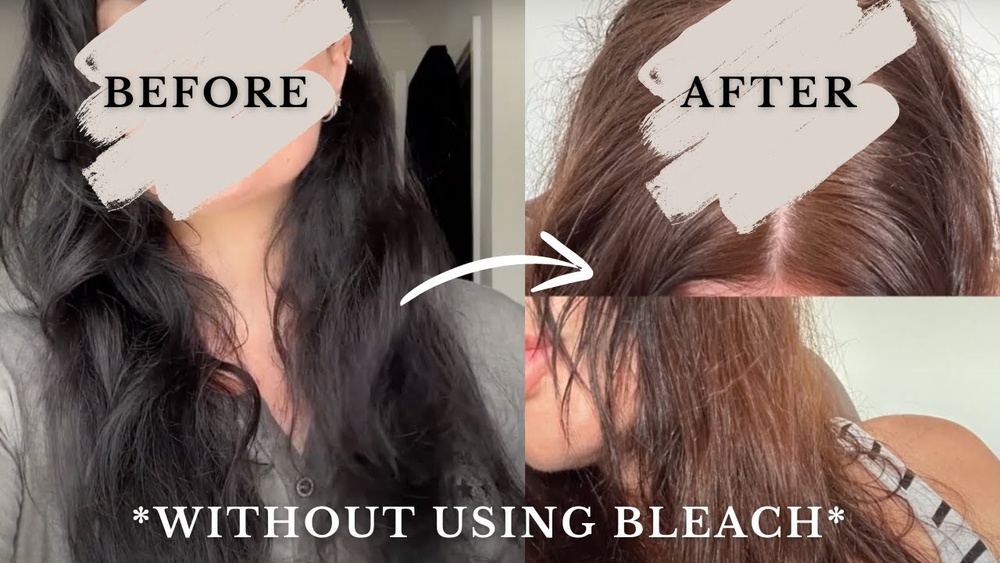
Have you ever dyed your hair black and then instantly wished you hadn’t? Stripping black hair dye from your hair can feel like a tough challenge, especially when you want to avoid damage and keep your locks healthy.
If you’re looking for effective ways to fade or remove that stubborn black color at home, you’re in the right place. In this guide, you’ll discover simple, practical methods—from gentle fading tricks using everyday household items to stronger at-home color removers that professionals trust.
You’ll also learn important tips to protect your hair throughout the process and what to expect when the color starts lifting. Ready to take control of your hair color and get closer to the shade you really want? Let’s dive in and find the best solution for your hair!
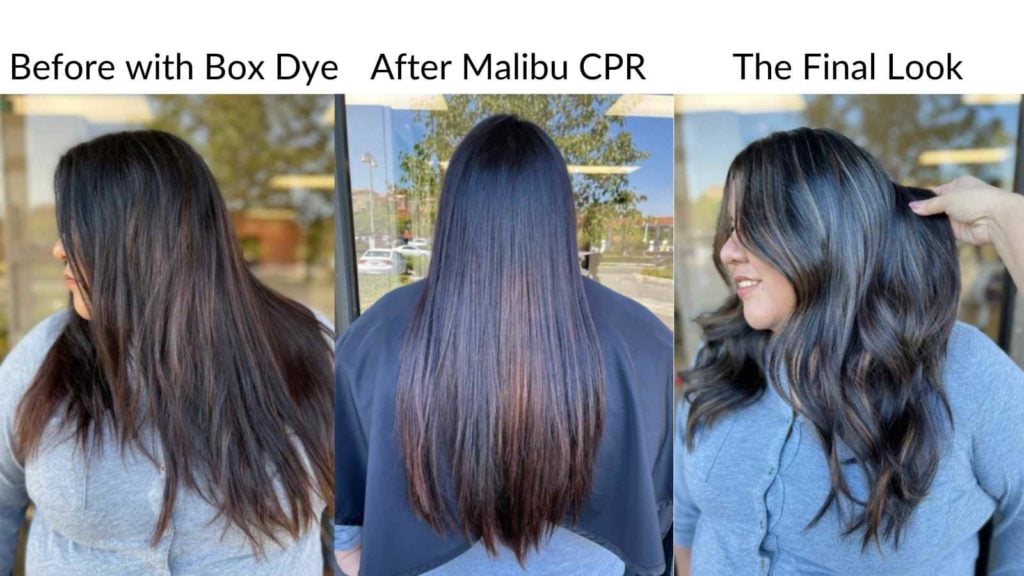
Credit: mirellamanelli.com
Gentle Fading Methods
Gentle fading methods help reduce black hair dye without harsh chemicals. These techniques are best for fresh dye or minor fading needs. They use common household items to lift some color safely. Patience is key as fading takes time and care. Always follow with deep conditioning to keep hair healthy.
Clarifying Shampoo And Dish Soap
Clarifying shampoo removes buildup and lightens hair color slightly. Mix it with a small amount of dish soap. Massage the mixture into damp hair for about five minutes. Let it sit for 10 minutes before rinsing thoroughly. Repeat once or twice a week for gradual fading. Avoid daily use to prevent dryness and damage.
Vitamin C And Baking Soda Paste
Crush vitamin C tablets into a fine powder. Mix with baking soda and a little water to form a paste. Apply the paste evenly on damp hair, focusing on dyed areas. Cover hair with a shower cap and leave for 30 to 60 minutes. Rinse well and shampoo to remove residue. This method gently lightens color over several treatments.
Vinegar Rinse
Vinegar helps to break down hair dye molecules softly. Mix equal parts of white vinegar and water in a spray bottle. Spray the mixture onto hair after shampooing. Leave it for 15 minutes before rinsing with cool water. Repeat two to three times a week for best results. Follow with conditioner to keep hair smooth and hydrated.
Stronger Removal Options
When gentle methods fail, stronger removal options become necessary. These options target the deep layers of hair where black dye molecules settle. They help break down stubborn color faster than simple washing or fading techniques. Use these methods carefully to avoid hair damage. Patience and proper aftercare are essential for healthy hair recovery.
Professional Color Removers
Professional color removers are designed to remove dark and black hair dye effectively. They work by shrinking and dissolving color molecules without using bleach. This process reduces damage compared to traditional bleach treatments. Brands like Scruples Color Delete and Vanish are popular choices. Follow the instructions precisely for best results. These removers may require multiple applications for very dark or old dye. Always do a strand test before full use to check hair reaction.
Diy Developer Treatments
DIY developer treatments combine developer liquids with shampoo or color remover powders. The developer opens hair cuticles, allowing the color to lift. Use a low-volume developer, such as 10 or 20 volume, to avoid harsh damage. Mix developer with a clarifying shampoo or a color remover according to instructions. Apply evenly and leave on for a short time, checking progress often. Rinse thoroughly and deep condition after treatment. This method works best for gradual fading of black dye at home.
Preparing For Removal
Preparing your hair and space before stripping black hair dye is essential. This step helps protect your skin and surroundings. It also ensures the best results while keeping your hair healthy. Taking time to prepare reduces risks of irritation and damage. Follow these simple steps to get ready for dye removal.
Patch Testing
Patch testing checks how your skin reacts to the dye remover. Apply a small amount on your inner arm or behind your ear. Wait 24 hours to see if redness or itching appears. If irritation shows, do not use the product on your hair. This test prevents allergic reactions and skin problems during removal.
Protecting Skin And Surfaces
Protect your skin by applying a thin layer of petroleum jelly around your hairline. This stops the remover from staining or irritating your skin. Wear old clothes or use a cape to avoid staining fabric.
Cover counters, mirrors, and floors with old towels or plastic sheets. Hair dye removers can spill or splash. Protecting surfaces makes clean-up easier and prevents permanent stains. Prepare everything before starting the process to avoid stress later.
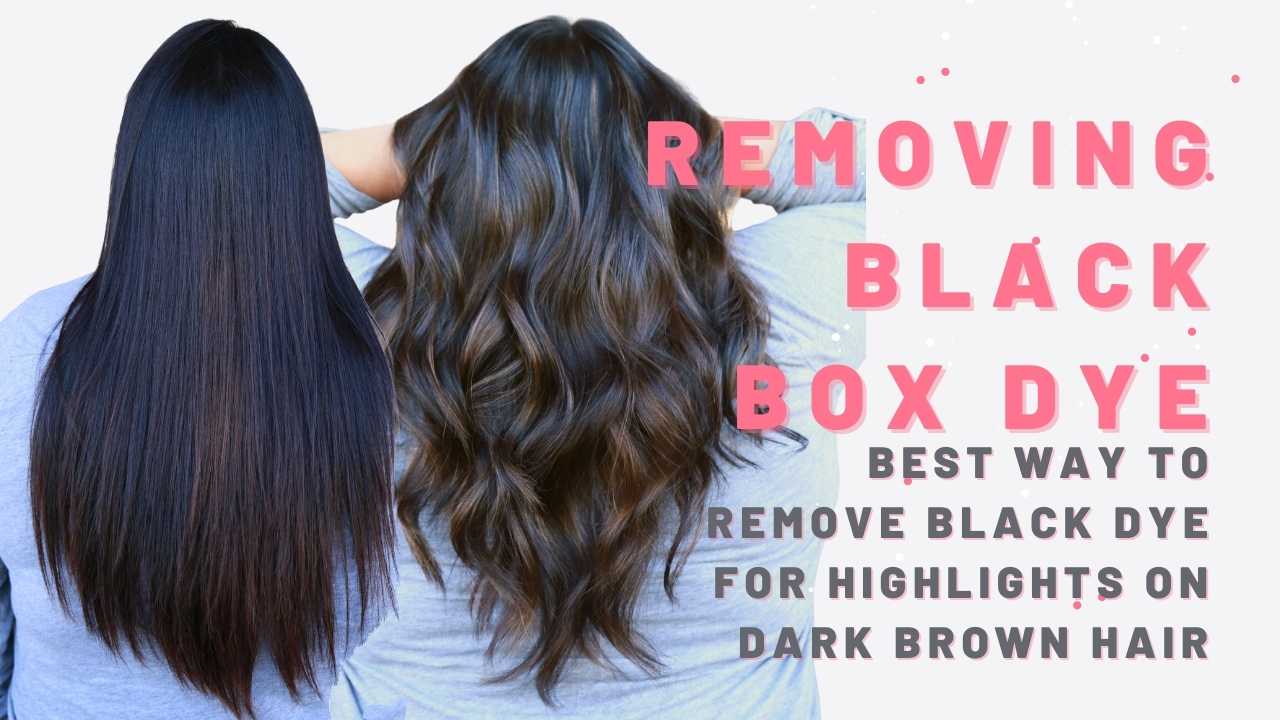
Credit: mirellamanelli.com
Post-removal Care
After stripping black hair dye, your hair needs special care. The removal process can leave hair dry and fragile. Proper post-removal care restores moisture and improves hair texture. This care helps prepare hair for any further coloring or treatment.
Deep Conditioning
Deep conditioning is essential after dye removal. It adds moisture and repairs damage. Use a rich, nourishing mask designed for chemically treated hair. Apply it generously and leave it on for at least 20 minutes. This step helps reduce breakage and smooths hair strands. Repeat deep conditioning once or twice a week for best results.
Managing Orange And Brassy Tones
Stripping black dye often reveals orange or brassy tones. These tones appear because black dye covers underlying pigments. Use purple or blue shampoos to neutralize unwanted warm hues. These shampoos tone down brassiness and brighten your hair color. Regular use keeps hair looking balanced and fresh.
Toning And Recoloring
Toning is the next step after removing unwanted color. It adjusts hair tone and corrects uneven shades. Choose a toner that suits your desired color outcome. Apply toner carefully to avoid uneven patches. If recoloring, wait a few days after toning. This pause lets your hair recover and absorb new color better. Always follow product instructions for safe application.
Managing Expectations
Stripping black hair dye takes patience and care. It is important to set realistic goals before starting. The process can be slow and may not remove all the color at once. Understanding what to expect helps reduce frustration and protect your hair.
Multiple Sessions May Be Needed
Black dye is very dark and strong. Removing it often requires several attempts. One session may only lighten the color or reveal underlying tones. Each treatment can weaken hair, so spacing sessions is safer. Give your hair time to recover between treatments.
Expect gradual changes rather than instant results. Some fading methods remove layers of dye bit by bit. This approach helps avoid damage but takes time. Tracking progress after each session helps adjust your plan.
When To See A Professional
Some hair dye stains are tough to remove at home. Professionals have tools and knowledge for safer removal. Visit a stylist if your hair feels brittle or breaks easily. They can suggest treatments or color correction techniques.
Complex dye jobs or very dark black colors may need expert care. A professional can minimize damage while improving hair health. Don’t hesitate to get help to protect your hair and get better results.

Credit: www.youtube.com
Frequently Asked Questions
How To Strip Black Hair Dye At Home?
Use clarifying shampoo or a vitamin C and baking soda paste to fade black dye. For stronger removal, apply a sulfur-based color remover kit. Rinse thoroughly and deep condition hair. Expect orange tones before toning or recoloring. Repeat if needed or consult a professional for tough dyes.
Will Dawn Dish Soap Strip My Hair Color?
Dawn dish soap can fade hair color due to its strong degreasing agents. Use sparingly to avoid stripping vibrant tones.
How To Make Permanent Black Hair Dye Fade Faster?
Use clarifying shampoo or a vitamin C and baking soda paste to fade black dye. Try a sulfur-based color remover kit for stronger fading. Always deep condition afterward to prevent damage. Expect orange tones before toning or recoloring. Repeat treatments or seek professional help if needed.
What’s The Hardest Color To Get Out Of Hair?
Black is the hardest color to remove from hair. It often requires multiple treatments or professional help to fade completely.
Conclusion
Stripping black hair dye takes patience and care. Start with gentle methods to avoid damage. Use stronger removers only if needed. Always follow instructions and protect your hair. Results may show orange or red tones. Deep conditioning keeps hair healthy after treatment.
Repeat treatments might be necessary for full removal. Consult a professional if unsure or for tough cases. Taking small steps helps achieve better, safer results.
As an Amazon Associate, I earn from qualifying purchases.
Lovingshe is a participant in the Amazon Services LLC Associates Program which is an affiliate advertising program designed to provide a means for sites to earn advertising fees by advertising and linking to Amazon.com. Amazon may use cookies to track referrals from our site. Visit Amazon’s privacy policy for details
