


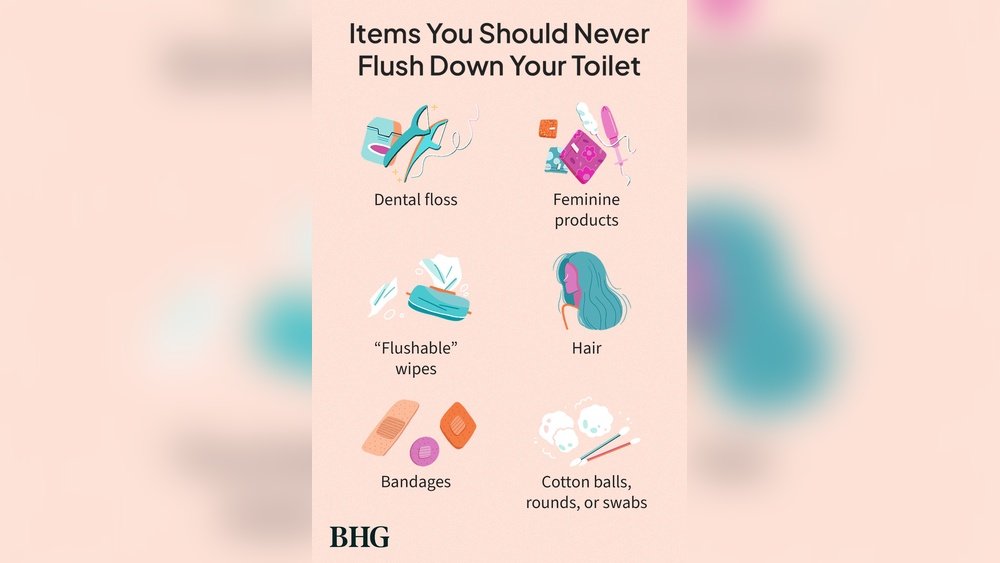
You might wonder if flushing hair down the toilet is harmless since it seems so small and natural. But here’s the truth: hair doesn’t break down like toilet paper.
Instead, it can tangle, trap other debris, and create stubborn clogs that lead to slow drains or even costly plumbing repairs. If you care about keeping your pipes clear and your bathroom running smoothly, understanding why hair causes problems—and what you should do instead—is a must.
Keep reading to discover the surprising reasons why hair is a plumbing hazard and simple tips to avoid damage to your home’s pipes.
Why Hair Blocks Pipes
Hair often causes serious problems in plumbing pipes. It does not break down like toilet paper. Instead, hair collects and clumps inside the pipes. Over time, these clumps grow and block water flow. This leads to slow drains and costly repairs. Understanding why hair blocks pipes helps prevent these issues.
Hair Resists Dissolving
Hair is made of a strong protein called keratin. This protein does not dissolve in water. Unlike toilet paper, hair stays solid in pipes. It keeps its shape and does not break apart. This makes hair a persistent clogging agent in plumbing systems.
Strands Trap Debris
Single hair strands act like tiny nets inside pipes. They catch grease, dirt, and other waste materials. These trapped particles stick to the hair strands. Over time, more debris collects, making the blockage worse. This sticky mess grows larger and harder to remove.
Clumps Cause Blockages
Hair strands eventually tangle into thick clumps. These clumps narrow the pipe space. Water struggles to flow through tight spots. The blockage becomes stronger and can stop water completely. Plumbing repairs become necessary to clear these tough clogs.

Credit: www.reddit.com
Risks Of Flushing Hair
Flushing hair down the toilet can cause several problems. Hair does not dissolve in water like toilet paper. It tends to tangle and form clumps. These clumps can block your pipes and cause costly issues. Understanding the risks helps you avoid plumbing troubles.
Slow Drains And Backups
Hair strands collect inside pipes and slow water flow. Over time, they trap other debris like soap and grease. This buildup narrows the pipes, making drains slow. Water may start to back up into sinks or showers. Slow drains can turn into full blockages if ignored.
Pipe Damage And Repairs
Hair clogs put pressure on pipes. This pressure can cause cracks or breaks. Repairing damaged pipes is expensive and takes time. Persistent blockages may need professional tools to clear. Avoid flushing hair to protect your plumbing system.
Strain On Sewage Systems
Hair waste travels from homes to city sewage systems. It adds to the solid waste that sewage plants must handle. Large amounts of hair cause clogs in public pipes and pumps. These blockages lead to sewage backups and environmental damage. Prevent problems by disposing of hair properly.
Common Misconceptions
Many people believe flushing hair down the toilet is harmless. This is a common misconception. Hair might look soft and small, but it causes serious plumbing issues. Understanding why hair should not be flushed helps protect your pipes and the environment.
Hair Is Not Flushable
Hair does not dissolve in water like toilet paper does. It is made of keratin, a strong protein. When flushed, hair strands tangle and stick to pipe walls. Over time, these tangles form blockages that stop water flow. These clogs can cause slow drains and expensive repairs.
Short Clippings Still Harmful
Even small hair clippings cause problems. They gather in pipes and catch other debris. This creates larger clumps that worsen blockages. Throwing hair in the trash is safer for your plumbing system. Avoid flushing any hair, no matter the size.
Hair Vs. Toilet Paper
Toilet paper breaks down quickly in water. It is designed to dissolve and flow easily through pipes. Hair, on the other hand, stays intact and traps grease and waste. This difference makes hair a major cause of pipe blockages. Always choose proper disposal to keep pipes clear.
Safe Hair Disposal Tips
Proper hair disposal helps protect your plumbing and the environment. Hair does not break down in water. It can cause clogs and damage pipes. Following safe disposal tips keeps drains clear and avoids costly repairs. These simple steps make hair waste management easy and effective.
Use Trash For Hair Waste
Throw hair directly into a trash bin. Use a small container or paper towel to collect loose hair. Avoid flushing hair down the toilet or sink. Trash disposal prevents hair buildup inside pipes. This method is quick and keeps drains clean.
Collect Hair With Drain Catchers
Install drain catchers in sinks and showers. These devices trap hair before it enters pipes. Empty the catcher regularly to remove collected hair. Drain catchers reduce plumbing problems and save on repairs. They are affordable and easy to use.
Dispose Of Hair After Grooming
Gather hair immediately after cutting or brushing. Use a brush or comb to remove hair strands. Collect all loose hair and place it in the trash. Cleaning up hair after grooming prevents clogs. It keeps your bathroom tidy and plumbing safe.
Preventing Hair Clogs
Hair clogs cause frequent plumbing problems. Preventing hair from clogging pipes saves time and money. Simple habits keep drains clear and water flowing smoothly. Focus on regular care and smart tools to stop hair buildup. Avoid actions that cause blockages in the first place.
Regular Drain Cleaning
Clean drains often to remove hair and debris. Use a drain brush or a flexible snake tool. This stops hair from forming tough clogs inside pipes. Regular cleaning keeps water flowing fast and prevents slow drains. Aim to clean drains every few weeks for best results.
Install Hair Filters
Hair filters catch strands before they enter pipes. Place them over shower and sink drains. These filters are easy to install and remove. They trap hair and stop it from causing blockages. Clean filters regularly to keep them working well.
Avoid Flushing Non-dissolvable Items
Never flush hair or other solid items down toilets. Hair does not dissolve like toilet paper. It tangles and traps other waste, causing clogs. Throw hair in the trash or compost bin instead. Keep pipes clear by only flushing toilet paper and waste.

Credit: www.reddit.com

Credit: www.reddit.com
Frequently Asked Questions
What Are Two Things You Should Never Flush Down A Toilet?
Never flush hair or plastic items down the toilet. Both cause clogs, damage pipes, and disrupt plumbing systems. Dispose of hair and plastics in the trash to prevent blockages and costly repairs.
Can I Flush My Pubes?
No, do not flush pubic hair. It does not dissolve, causes clogs, and can damage plumbing. Dispose of it in the trash.
Can I Dispose Of Pubic Hair In The Toilet?
Do not flush pubic hair down the toilet. It clogs pipes by tangling and does not dissolve, causing blockages and costly repairs. Dispose of hair in the trash or compost bin to protect plumbing and prevent slow drains.
Can I Flush Pubic Hair Down The Toilet On Reddit?
No, flushing pubic hair down the toilet clogs pipes and damages plumbing. Dispose of hair in the trash instead.
Conclusion
Hair does not dissolve and can clog your pipes quickly. Flushing hair leads to blockages and costly repairs. Always throw hair in the trash, never the toilet. Use a hair catcher in drains to stop hair buildup. Protect your plumbing by keeping hair out of toilets.
Simple steps prevent plumbing problems and save money. Keep your drains clear and running smoothly every day.
As an Amazon Associate, I earn from qualifying purchases.
Lovingshe is a participant in the Amazon Services LLC Associates Program which is an affiliate advertising program designed to provide a means for sites to earn advertising fees by advertising and linking to Amazon.com. Amazon may use cookies to track referrals from our site. Visit Amazon’s privacy policy for details
