


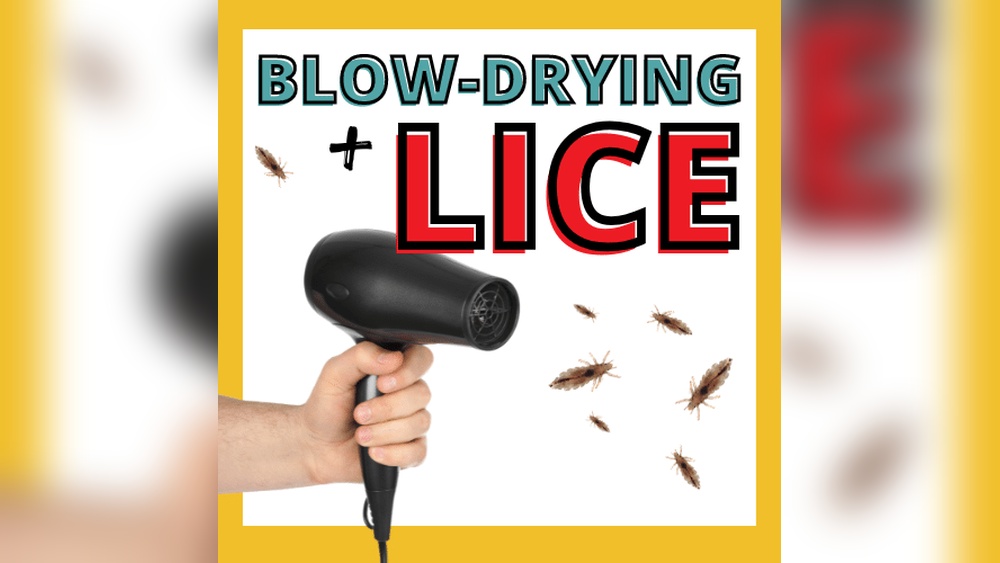
If you’re dealing with head lice, you might be wondering if blow drying your hair can actually kill those pesky lice and their stubborn eggs, called nits. It sounds like a quick and easy fix, right?
But before you grab your hair dryer and start blasting your scalp with hot air, it’s important to understand how effective this method really is — and what risks it might carry. You want to get rid of lice fast and safely, so keep reading to discover the truth about blow drying and learn the best ways to protect your hair and scalp from these unwanted guests.

Credit: www.youtube.com
Lice And Nits Basics
Understanding lice and nits is key to managing head lice effectively. These tiny pests live close to the scalp and cause itching and discomfort. Knowing their nature helps in choosing the right treatment and avoiding common mistakes.
What Are Lice And Nits
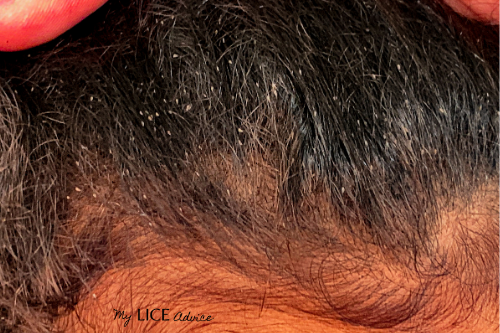
Lice are small insects that live on the scalp. They feed on human blood. Nits are lice eggs. They attach firmly to hair strands near the scalp. Nits look like tiny white or yellow dots.
Life Cycle Of Head Lice
The life cycle of lice includes three stages: egg, nymph, and adult. Eggs hatch in about 7 to 10 days. Nymphs grow into adults in 7 to 10 days. Adult lice can live up to 30 days on the scalp.
How Lice Spread
Lice spread mainly through head-to-head contact. Sharing hats, combs, or pillows also helps spread lice. They cannot jump or fly but crawl quickly. Close contact in schools and homes increases the risk.
Credit: myliceadvice.com
Heat Effects On Lice
Heat can affect lice and their eggs, called nits, but the process is complex. Lice are small insects that live close to the scalp. They need warmth and blood to survive. Applying heat might kill them, but the temperature and exposure time matter a lot.
Using a blow dryer seems like a quick way to remove lice. It blows hot air on the hair and scalp. Yet, not all heat sources are strong enough to kill lice and nits effectively. Understanding how heat works on lice helps to know if blow drying is a good solution.
Temperature Needed To Kill Lice
Lice die at temperatures above 130°F (54°C). They cannot survive long at this heat. To kill lice, the hair and scalp must reach this temperature for several minutes. Lower temperatures only stun or irritate lice but do not kill them. Regular blow dryers often do not reach or maintain this heat level.
Heat Sensitivity Of Nits
Nits are harder to kill than live lice. Their shells protect the eggs from heat. Nits need higher temperatures or longer exposure to die. Heat must penetrate the egg shell to destroy the embryo inside. Most household blow dryers do not provide enough heat to kill nits completely.
Impact Of Heat On Scalp And Hair
High heat can harm the scalp and hair. Prolonged heat causes dryness and burns. Blow drying at very hot settings may irritate the skin. Hair can become brittle and break. Careful use of heat is necessary to avoid damage. Safe lice treatment should protect the scalp and hair health.
Blow Drying As A Treatment
Many people wonder if blow drying hair can kill lice and nits. This method seems easy and quick. Some think the heat from the dryer might kill these pests. But the reality is more complex. Understanding how blow drying works against lice helps make better choices.
Using heat to kill lice is possible in theory. Lice are sensitive to high temperatures. Yet, not all heat sources are strong enough to kill them. This makes blow drying an uncertain treatment option.
Can Blow Dryers Kill Lice And Nits
Blow dryers blow hot air, but the temperature varies. Most household blow dryers do not reach the heat level needed to kill lice or nits instantly. Lice can survive short bursts of heat. Nits, or eggs, are even harder to kill because they are protected by a shell.
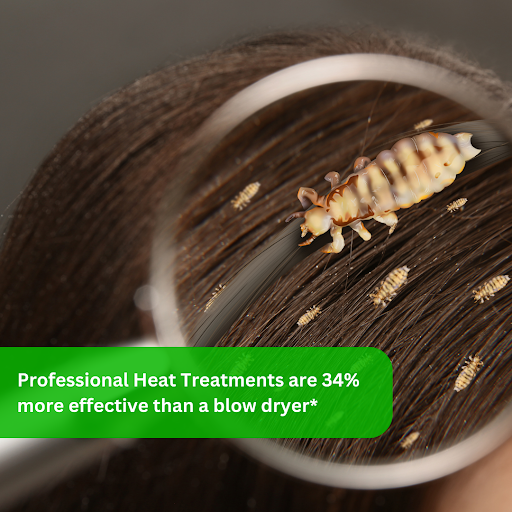
Professional lice treatment machines use controlled, high heat. They can kill lice and nits effectively. Regular blow dryers lack this precision and power. Relying on a blow dryer alone may not remove lice fully.
Effectiveness Of Household Hair Dryers
Household hair dryers are designed for drying, not killing pests. The airflow and heat spread unevenly on the scalp. Some areas may get hot, others stay cool. This means many lice and nits can survive the treatment.
Studies show hair dryers do not consistently reach temperatures above 130°F (54°C). Lice usually die at around 130°F when exposed for 5 minutes or more. Blow drying rarely maintains this heat long enough on all parts of the scalp.
Risks Of Using Blow Dryers For Lice
Using a blow dryer at high heat can cause scalp burns or dryness. Children’s scalps are especially sensitive. Overheating can irritate the skin and worsen itching. Blow dryers may also blow lice into the air, spreading them to others.
Improper use of blow dryers as a lice treatment can delay effective care. Relying on this method might allow lice to multiply. Safer and proven treatments should be preferred over blow drying alone.
Professional Heat Treatments
Professional heat treatments offer a controlled way to eliminate lice and nits. These treatments use specialized heat devices designed to target lice without harming the scalp or hair. Clinics employ these methods to ensure effective and safe lice removal. Understanding how these treatments work helps explain why simple blow drying at home is not enough.
Specialized Heat Devices
Clinics use machines that blow warm air at a set temperature. These devices heat the hair and scalp evenly. The heat dries out lice and nits, causing them to die. The temperature is carefully controlled to avoid burns. These tools are more powerful than regular hair dryers.
How Clinics Use Heat To Kill Lice
During a session, the patient sits while the machine directs warm air. The heat penetrates the hair shaft and scalp surface. This process removes lice eggs, which are harder to kill than adult lice. Heat treatments usually last about 30 to 60 minutes. Many clinics combine heat with manual nit removal for best results.
Safety Measures In Heat Treatments
Trained professionals monitor the heat levels closely. They ensure the temperature does not exceed safe limits. The scalp is checked regularly to prevent discomfort or burns. Patients are positioned carefully to avoid heat exposure to eyes or face. These safety steps make professional heat treatments reliable and safe.
Alternative Lice Removal Methods
Blow drying hair may not fully remove lice or nits. Many people seek safer, more effective alternatives. Different methods work better depending on the situation. Understanding options helps in choosing the right treatment. Below are some common alternative lice removal methods.
Chemical Treatments
Chemical treatments use special shampoos or lotions. These products contain insecticides that kill lice and nits. They are widely available in pharmacies and clinics. Follow instructions carefully for safety and best results. Some lice can resist certain chemicals. Repeat treatment after a week to catch newly hatched lice. Consult a doctor for strong prescriptions if needed.
Mechanical Removal Techniques
Mechanical removal means physically removing lice and nits. Using a fine-toothed comb is the most common method. Comb hair thoroughly and regularly to remove lice and eggs. This method is safe and chemical-free. It requires patience and time to be effective. Wet hair combing with conditioner helps to slide the comb easily. Check the comb after each stroke and clean it well.
Natural Remedies And Their Effectiveness
Natural remedies include oils like tea tree, coconut, and olive oil. These oils may suffocate lice or make the scalp less inviting. Some people use vinegar to loosen nits from hair shafts. Scientific proof for natural remedies is limited. They may help as a supplement, not a main treatment. Always test for allergies before applying oils to the scalp. Natural methods usually take longer and need repeated use.
Preventing Lice Spread
Preventing the spread of lice requires careful attention and smart habits. Lice move easily from one head to another through close contact or shared items. Stopping this transfer helps control infestations and protects your family and friends.
Hygiene Practices
Keep hair clean and brushed regularly. This removes loose lice and nits before they multiply. Avoid sharing combs, brushes, hats, or hair accessories. Wash hair tools in hot water after use to kill any lice hiding on them.
Avoiding Cross-contamination
Do not share towels, pillows, or bedding with someone who has lice. These items can carry lice or eggs and pass them to others. Encourage children to avoid head-to-head contact during play or sports. Check hair frequently to catch lice early.
Managing Household And Personal Items
Wash clothes, hats, and bedding in hot water and dry on high heat. Store clean items separately from those used during an infestation. Vacuum floors, furniture, and car seats to remove stray lice or hairs with nits.
Common Myths About Lice
Many people believe a lot of things about lice that are not true. These common myths can cause confusion and stop people from treating lice correctly. Knowing the facts helps to fight lice better and avoid wasting time on wrong methods.
Heat-based Myths
One popular myth is that blow drying hair kills lice and nits. Normal blow dryers do not get hot enough to kill lice or their eggs. Using a regular hair dryer may spread lice to other people by blowing them into the air. Very high heat can kill lice, but it must be controlled and safe. Home blow drying is not a reliable treatment.
Misconceptions About Home Remedies
Many home remedies claim to kill lice, such as mayonnaise, vinegar, or essential oils. These treatments often do not work well or only kill some lice but not the eggs. Some people believe combing alone removes all lice. Combing helps but must be done carefully and combined with other treatments. Relying only on home remedies can prolong the problem.
Separating Fact From Fiction
Lice cannot jump or fly, they only crawl. They spread mainly by direct head-to-head contact. Cleaning bedding and hats is helpful but does not replace treatment. Over-the-counter lice shampoos and treatments are the best way to remove lice and nits. Understanding these facts stops false ideas and helps you treat lice safely and quickly.
Credit: carolinasliceremoval.com
Frequently Asked Questions
Can You Kill Lice With A Blow Dryer?
A regular blow dryer does not reliably kill lice or nits. High heat can harm the scalp and spread lice. Use specialized treatments for safe, effective lice removal.
Does Blow Drying Kill Lice And Nits Effectively?
Blow drying hair does not reliably kill lice and nits. High heat can kill lice, but regular blow dryers lack consistent temperature and risk scalp burns. Effective lice treatments are safer and more reliable than blow drying.
Can A Hair Dryer Spread Lice To Others?
Yes, using a hair dryer can disperse live lice into the air. This may increase the risk of lice spreading to others nearby. Avoid blow drying as a lice control method to prevent spreading.
Are There Safer Alternatives To Blow Drying For Lice?
Yes, medicated shampoos, combing, and professional treatments are safer and more effective. Specialized heated lice combs can kill lice without burning the scalp. Consult a healthcare provider for best lice treatment options.
Conclusion
Blow drying hair alone does not reliably kill lice or nits. High heat may harm some lice, but it often fails to reach all eggs. Using a blow dryer risks spreading lice through airborne movement. Safe and effective treatments include specialized combs and medicated shampoos.
Always follow recommended lice removal methods for best results. Regular checking and cleaning help prevent reinfestation. Don’t rely on blow drying as the only solution. Combining treatments and good hygiene offers better protection against lice.
As an Amazon Associate, I earn from qualifying purchases.
Lovingshe is a participant in the Amazon Services LLC Associates Program which is an affiliate advertising program designed to provide a means for sites to earn advertising fees by advertising and linking to Amazon.com. Amazon may use cookies to track referrals from our site. Visit Amazon’s privacy policy for details
