


Are you considering laser hair removal but worried about its safety? You’re not alone.
Many people ask, “Can laser hair removal cause cancer? ” It’s a valid concern when you’re about to use a treatment that involves lasers on your skin. You want smooth, hair-free skin without risking your health. You’ll get clear, straightforward answers about the connection between laser hair removal and cancer.
We’ll break down how the procedure works, what risks really matter, and what experts say so you can make the best decision for your body and peace of mind. Keep reading to uncover the facts that could change how you think about laser hair removal forever.
Laser Hair Removal Basics
Laser hair removal is a popular method to reduce unwanted hair. It uses focused light to target hair follicles beneath the skin. This process slows hair growth over time. Understanding how laser hair removal works helps address safety concerns, including cancer risks.
Below are the basics of laser hair removal, explaining how the laser targets hair, what the treatment involves, and how long results typically last.
How Laser Targets Hair
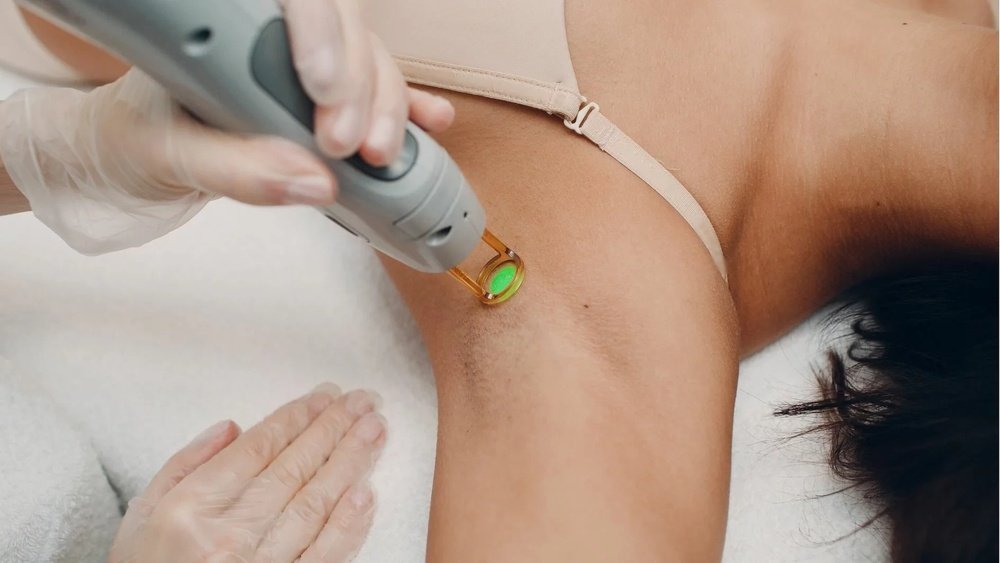
The laser emits a specific light absorbed by the pigment in hair. This light turns into heat and damages the hair follicle. Damaged follicles stop producing hair or grow hair more slowly. The laser affects only active hair follicles, leaving skin mostly untouched.
Treatment Process
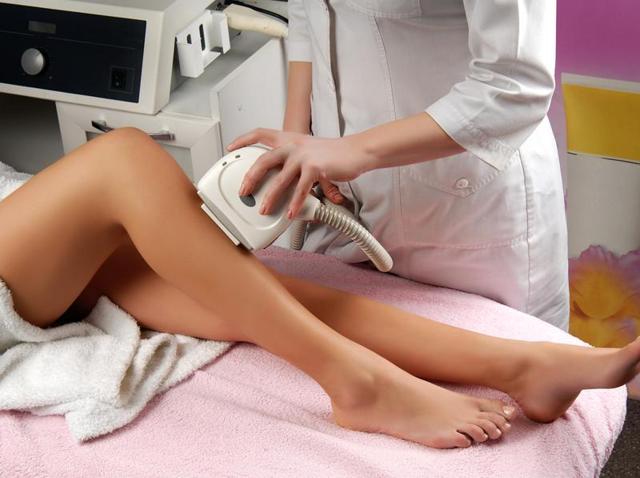
During treatment, a handheld device sends laser pulses to the skin. Each pulse takes a fraction of a second. Patients may feel a slight sting or warmth. Multiple sessions are needed to target hairs in different growth stages. Treatments usually last 15 to 60 minutes depending on the area.
Duration Of Results
Laser hair removal reduces hair growth for months or years. Some hair may regrow but becomes finer and lighter. Maintenance sessions can extend the smooth, hair-free skin. Results vary by hair color, skin type, and the number of treatments received.

Credit: www.satorilaser.com
Common Side Effects
Laser hair removal is popular for smooth, lasting results. Like all treatments, it may cause side effects. Most common effects are mild and short-lived. Knowing them helps you prepare and respond well.
Redness And Swelling
Redness and swelling happen often after laser hair removal. The skin looks pink or red around treated areas. Swelling may cause slight puffiness. These signs show the skin’s natural reaction. They usually fade within a few hours or days.
Temporary Pigment Changes
Sometimes skin color changes after treatment. It may become lighter or darker briefly. This happens due to laser heat affecting skin pigment. Most pigment changes clear up on their own fast. Darker skin tones may notice this more.
Pain And Tenderness
Some people feel pain or tenderness during and after treatment. It feels like a mild sting or pinch. Tenderness can last a few hours or a day. Using cooling gels or ice can ease discomfort quickly.
Rare Side Effects
Laser hair removal is widely known as a safe cosmetic procedure. Most people experience only mild side effects like redness or swelling. Yet, rare side effects can occur, especially if treatment is done improperly. Understanding these uncommon risks helps you make informed decisions. This section highlights some rare but important side effects to watch for.
Blistering And Burns
Blistering and burns happen when the laser’s heat damages the skin. This usually occurs with high laser settings or on tanned skin. The skin may become red, painful, and form blisters. Proper cooling and settings reduce this risk. Treating blisters carefully prevents further damage.
Scarring Risks
Scarring is rare but possible after laser hair removal. It often results from burns or improper healing. People with sensitive or scar-prone skin face higher risks. Following aftercare instructions lowers chances of scars. Healing scars may take weeks or months.
Infections
Infections can occur if the skin barrier breaks during treatment. Bacteria enter through open skin or blisters. This causes redness, swelling, and pain. Using clean equipment and avoiding sun exposure helps prevent infection. Early treatment with antibiotics may be needed.
Paradoxical Hair Growth
Paradoxical hair growth means more hair grows after treatment. It is rare and often seen in darker skin types. The laser may stimulate inactive hair follicles instead of destroying them. This effect is temporary but can be frustrating. Additional treatments usually correct this issue.
Eye Safety Concerns
Laser hair removal near the eyes requires extra caution. The eyes are very sensitive to laser light. Even small exposure can cause serious damage. Safety around the eyes is a primary concern during treatment. Professionals use strict measures to protect eyes from laser beams. Understanding the risks and protection methods helps ensure safe procedures.
Risks Near Eyes
The skin around eyes is thin and delicate. Laser energy can accidentally hit the eye or eyelid. This may cause burns, irritation, or eye injury. Damage to the retina or cornea is possible but rare. Without proper protection, the laser may harm vision or cause pain. Treatments near eyebrows or upper cheeks carry higher risks.
Protection Measures
Patients must wear special eye goggles during treatment. These goggles block laser light from reaching the eyes. The provider also uses shields to cover eyelids. Laser settings are carefully adjusted for areas close to eyes. Only trained professionals should perform treatments near sensitive zones. Following all safety steps minimizes the chance of injury.
Cancer Risk Myths
Many people worry about laser hair removal causing cancer. This fear is based on myths and misunderstandings. It is important to separate facts from fiction. Let’s explore common cancer risk myths related to laser hair removal.
Laser Energy And Skin Cells
Laser hair removal uses light energy to target hair follicles. The laser heats the pigment in the hair, damaging the follicle to reduce hair growth. This process affects only the hair follicle, not the deeper skin cells. The laser does not cause changes in DNA or cell mutations. It does not reach the layers of skin where cancer can start.
Research Findings
Multiple studies have tested the safety of laser hair removal. None show a link between laser treatments and cancer development. Research shows the laser energy used is too low to damage skin DNA. Experts review these studies regularly to ensure safety standards. No evidence suggests laser hair removal increases cancer risk.
Expert Opinions
Dermatologists and cancer experts agree laser hair removal is safe. They explain the laser targets hair pigment, not skin cells. Professional organizations state laser treatments do not cause cancer. Experts recommend choosing licensed providers to avoid other skin risks. Proper use ensures safe and effective hair removal without cancer risk.

Credit: www.raleighlaseraesthetics.com
Factors Affecting Safety
Laser hair removal safety depends on several key factors. Understanding these helps reduce risks. Each factor plays a role in how your skin reacts to the treatment. Proper assessment and care are essential for a safe experience.
Skin Type And Color
Skin type and color affect how your skin reacts to laser. Darker skin absorbs more laser energy. This increases the chance of burns or pigment changes. Lighter skin generally responds better with fewer side effects. A skilled provider adjusts settings based on skin tone.
Tanning And Sun Exposure
Tanned skin absorbs more laser heat. This can cause burns or dark spots. Avoid sunbathing or tanning beds before treatment. Sun exposure after treatment can also harm skin. Protecting skin from the sun speeds healing and lowers risks.
Provider Experience
An experienced provider knows how to handle different skin types. They select the right laser settings and techniques. Poor technique can cause burns, scarring, or pigment issues. Choose a certified professional to ensure safe treatment and better results.
Aftercare Importance
Proper aftercare reduces side effects and speeds recovery. Avoid direct sun, hot baths, and harsh skincare products. Use gentle moisturizers and sunscreen daily. Follow provider instructions closely to protect treated skin. Good care lowers the chance of complications.
Choosing The Right Provider
Choosing the right provider for laser hair removal is key to safety and good results. A skilled professional reduces risks and ensures proper care. Not all providers have the same training or standards. This section helps you know what to check before treatment.
Board Certification
Board certification shows a provider’s medical training and expertise. Certified dermatologists or plastic surgeons have passed strict exams. They understand skin health and laser safety. Certification means the provider follows professional standards. It lowers the chance of mistakes during treatment.
Experience With Lasers
Experience matters in laser hair removal. Providers who have treated many patients know how to adjust laser settings. They handle different skin types and hair colors safely. Experienced providers spot problems early and prevent side effects. Ask about their years of practice with lasers.
Facility Standards
Clean and well-equipped clinics matter. The facility should use modern, FDA-approved lasers. Proper hygiene prevents infections after treatment. Check if the clinic follows safety protocols. Good facilities also provide clear instructions for care before and after sessions.
Credit: www.hindustantimes.com
Precautions To Follow
Taking precautions before and after laser hair removal is crucial for safety and effectiveness. Proper care reduces side effects and protects your skin from damage. Following simple rules can help you avoid complications and achieve better results.
Avoiding Sun Before And After
Sun exposure makes your skin sensitive to laser treatment. Avoid direct sunlight for at least two weeks before your session. Sunburned or tanned skin may react badly to the laser. After treatment, keep your skin away from the sun. Use sunscreen with high SPF to protect treated areas. This helps prevent burns and pigment changes.
Never Treating Eyebrows Or Eyelids
Laser hair removal near the eyes is very risky. The laser can damage your eyes and cause serious injury. Professionals avoid treating eyebrows and eyelids for this reason. Use other safe methods to remove hair around your eyes. Trust only trained experts to handle areas close to your face.
Following Aftercare Instructions
Aftercare is key to healing and avoiding side effects. Follow all instructions given by your provider carefully. Keep treated skin clean and dry. Avoid harsh skincare products for a few days. Do not pick or scratch your skin. Use soothing creams if recommended. Proper care helps your skin recover quickly and safely.
Frequently Asked Questions
Is Laser Hair Removal 100% Safe?
Laser hair removal is generally safe when done by certified professionals. Minor side effects like redness or swelling may occur. Rare risks include burns or pigment changes, especially with improper care or treatment. Always follow pre- and post-treatment guidelines to minimize risks and ensure safety.
What Are The Risks Of Laser Hair Removal?
Laser hair removal risks include redness, swelling, irritation, temporary pigment changes, blistering, burns, scarring, infections, and rare eye injuries. Darker or tanned skin increases risks. Choosing an experienced, board-certified provider and avoiding sun exposure helps minimize complications.
Is Laser Hair Removal Causing Radiation?
Laser hair removal uses concentrated light, not ionizing radiation. It does not cause harmful radiation or cancer. The procedure targets hair follicles safely.
What Increases Cancer Risk The Most?
Tobacco use increases cancer risk the most by causing harmful cell mutations. Other major risks include excessive sun exposure, poor diet, and certain infections.
Conclusion
Laser hair removal does not cause cancer. The treatment uses light, not harmful radiation. Most side effects are mild and temporary. Choosing a skilled professional reduces risks greatly. Protect your skin by avoiding sun before and after sessions. Always follow aftercare instructions carefully.
Stay informed and prioritize safety for best results.
As an Amazon Associate, I earn from qualifying purchases.
Lovingshe is a participant in the Amazon Services LLC Associates Program which is an affiliate advertising program designed to provide a means for sites to earn advertising fees by advertising and linking to Amazon.com. Amazon may use cookies to track referrals from our site. Visit Amazon’s privacy policy for details
