


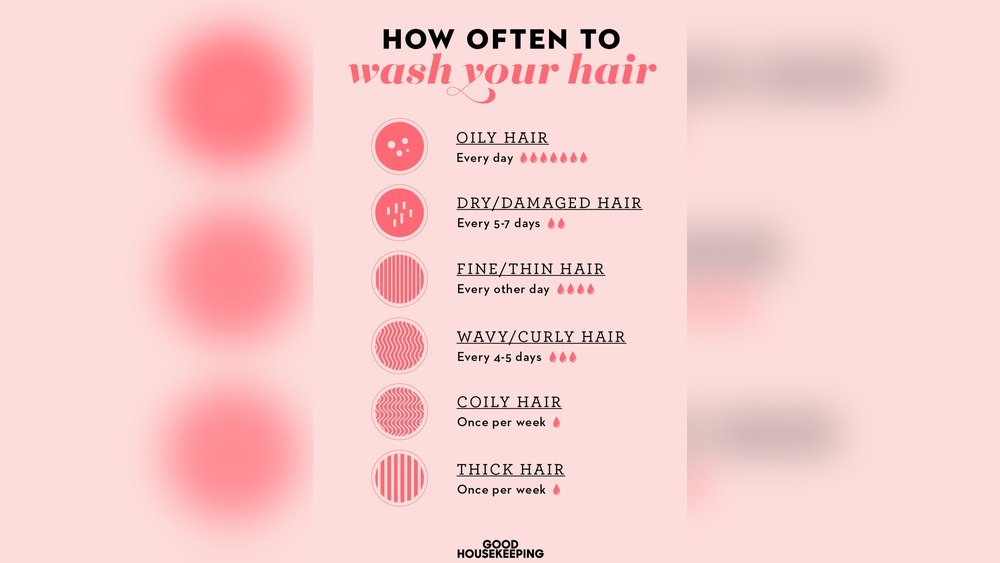
How often you should condition your hair isn’t the same for everyone—it depends on your hair type, lifestyle, and the look you want to achieve. You might wonder if daily conditioning is too much or if skipping it leaves your hair dry and dull.
The truth is, your hair is trying to tell you what it needs, but sometimes it’s hard to listen. You’ll discover simple ways to find the perfect conditioning routine that keeps your hair soft, healthy, and full of life without weighing it down.
Ready to unlock the secret to your best hair days? Let’s dive in.
Hair Types And Conditioning Needs
Understanding hair types helps decide how often to condition hair. Each hair type needs different moisture levels. Conditioning too much or too little can harm hair. The right routine keeps hair healthy and shiny.
Dry And Curly Hair
Dry and curly hair needs more moisture than other types. Conditioning daily or every time after washing works best. Use rich, creamy conditioners to lock in moisture. Leave-in conditioners help reduce frizz and add softness. Deep condition once a week to repair damage and hydrate deeply. Avoid harsh shampoos that strip natural oils.
Fine And Oily Hair
Fine and oily hair gets weighed down by heavy conditioners. Condition only two to three times a week. Use light, water-based conditioners that won’t leave residue. Apply conditioner mainly on the ends, not the scalp. Skip leave-in conditioners if hair feels greasy. Regular washing keeps scalp clean and hair fresh.
Normal Hair
Normal hair stays balanced with moderate conditioning. Condition every time you wash hair, about two to three times a week. Choose a conditioner that matches hair needs—neither too heavy nor too light. Focus on mid-lengths and ends to keep hair smooth. Occasional deep conditioning helps maintain shine and strength.
Daily Conditioning Benefits
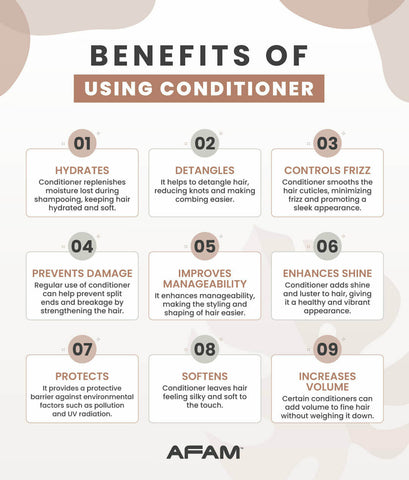
Conditioning your hair daily can improve its health and look. It adds moisture and shields hair from damage. Many people find daily conditioning keeps their hair soft and manageable. This practice suits especially those with dry or damaged hair. Here are some key benefits of conditioning every day.
Moisture For Dry Hair
Daily conditioning supplies much-needed moisture to dry hair. Dry strands feel softer and less brittle. This helps reduce breakage and split ends. Conditioning every day keeps hair hydrated and smooth. It also makes styling easier and hair shinier.
Protection After Swimming
Swimming exposes hair to chlorine and saltwater, which dry it out. Conditioning after swimming restores moisture and prevents damage. Daily conditioning helps remove chemicals and soothes the scalp. It keeps hair strong and prevents it from becoming rough and dull.
Leave-in Conditioners For Daily Use
Leave-in conditioners are made for daily use. They add gentle moisture without weighing hair down. These products protect hair from heat and pollution all day long. Leave-in conditioners keep hair soft, shiny, and easy to comb. They are perfect for daily care routines.
Signs Of Over-conditioning
Over-conditioning can harm your hair as much as not conditioning enough. It happens when the hair gets too much moisture and oils. This causes hair to lose its natural bounce and shine. Knowing the signs helps you avoid damage and keep hair healthy.
Weighed Down Hair
Hair looks heavy and feels thick but limp. It lacks the natural lift at the roots. The strands stick together, making hair look flat. Over-conditioning adds too much moisture, causing this weighed down effect.
Greasy Or Limp Texture
Hair feels oily soon after washing. It may look greasy, even if you did not use oil. Over-conditioning leaves residue on hair, attracting dirt and dust. This makes hair limp and hard to style.
Lack Of Volume
Hair looks thin and flat all day. It loses its natural body and fullness. Over-conditioning fills hair with excess product, making it heavy. This prevents hair from having natural volume or bounce.

Credit: www.youtube.com
Conditioning Frequency Guidelines
Finding the right conditioning frequency helps keep hair healthy and smooth. Hair type, lifestyle, and product choice affect how often to condition. Proper conditioning restores moisture and reduces damage. Use these guidelines to fit conditioning into your routine.
Conditioning Every Day
Daily conditioning suits dry, curly, or damaged hair best. These hair types need extra moisture to stay soft. Use a light leave-in conditioner for daily care. Swimmers benefit from daily conditioning to repair chlorine damage. Fine or oily hair may feel heavy with daily use. Choose lightweight formulas if conditioning every day.
Conditioning Every Few Days
Most hair types do well conditioning every two to three days. This schedule balances moisture without buildup. It suits normal, wavy, or slightly dry hair. Skip conditioner on non-wash days or use a light spray. Adjust frequency based on hair feel and weather changes. Watch for dryness or oiliness to guide your routine.
Conditioning After Shampooing
Conditioning after shampooing is essential for all hair types. Shampoo cleans but removes natural oils and moisture. Conditioner restores softness and protects strands from damage. Apply conditioner mainly to mid-lengths and ends. Leave it on for a few minutes before rinsing. This step keeps hair smooth and manageable.
Application Tips
Proper conditioner application can improve your hair’s health and appearance. Applying conditioner correctly ensures your hair gets the moisture it needs without weighing it down. Follow these simple tips for the best results.
Focus On Mid-lengths And Ends
Concentrate conditioner on the mid-lengths and ends of your hair. These parts are older and more prone to damage. Applying conditioner here helps prevent split ends and dryness. Avoid applying too much conditioner on the roots to keep hair light and bouncy.
Avoid Roots
Skip the roots when applying conditioner. The scalp produces natural oils that keep roots healthy. Conditioner on roots can cause buildup and make hair look greasy. Focus on the areas that need moisture most, not the scalp.
Adjust Amount Based On Hair Type
Use more conditioner if your hair is thick, curly, or dry. These hair types need extra moisture. Use less if you have fine or oily hair to avoid heaviness. Find the right balance by starting with a small amount and adding more if needed.
Credit: www.afamconcept.com
Choosing The Right Conditioner
Choosing the right conditioner is key to healthy hair. Different hair types and needs require different formulas. Picking the right one can improve your hair’s look and feel. It also helps you decide how often to condition your hair. Here are some options to consider for your hair care routine.
Rinse-out Vs Leave-in
Rinse-out conditioners work well for most hair types. Apply after shampooing and rinse off in minutes. They add moisture and make hair soft. Leave-in conditioners stay in your hair. Use them to protect and hydrate throughout the day. They are lighter and good for daily use. Choose based on how much moisture your hair needs.
Lightweight Formulas For Fine Hair
Fine hair gets heavy and flat with thick conditioners. Lightweight conditioners add moisture without weighing hair down. Look for products labeled “volumizing” or “light.” These keep your hair soft and full of life. Use them regularly for gentle care that does not cause greasiness.
Deep Conditioning Treatments
Deep conditioners are richer and thicker. They help repair damaged or very dry hair. Use deep treatments once a week or biweekly. They restore strength and shine. Apply after shampooing and leave on for 10 to 30 minutes. Rinse out well to avoid buildup. These treatments give your hair extra care it needs.
Listening To Your Hair
Listening to your hair is the best way to know how often to condition it. Hair changes with time, weather, and products used. Paying close attention helps avoid dryness or heaviness. Your hair will tell you what it needs. This approach keeps hair healthy and looking great.
Adjusting Routine Based On Hair Feel
Check how your hair feels daily. If it feels dry or rough, it might need more conditioning. Soft and smooth hair can mean you are conditioning enough. Heavy or greasy hair means you may be conditioning too often. Change your routine based on these signs.
Seasonal Changes
Hair needs shift with the seasons. Winter air can dry out hair, requiring more moisture. Summer heat and sun exposure may also call for extra care. In spring and fall, a moderate routine often works best. Adapt your conditioning to the season’s demands.
Product Build-up Awareness
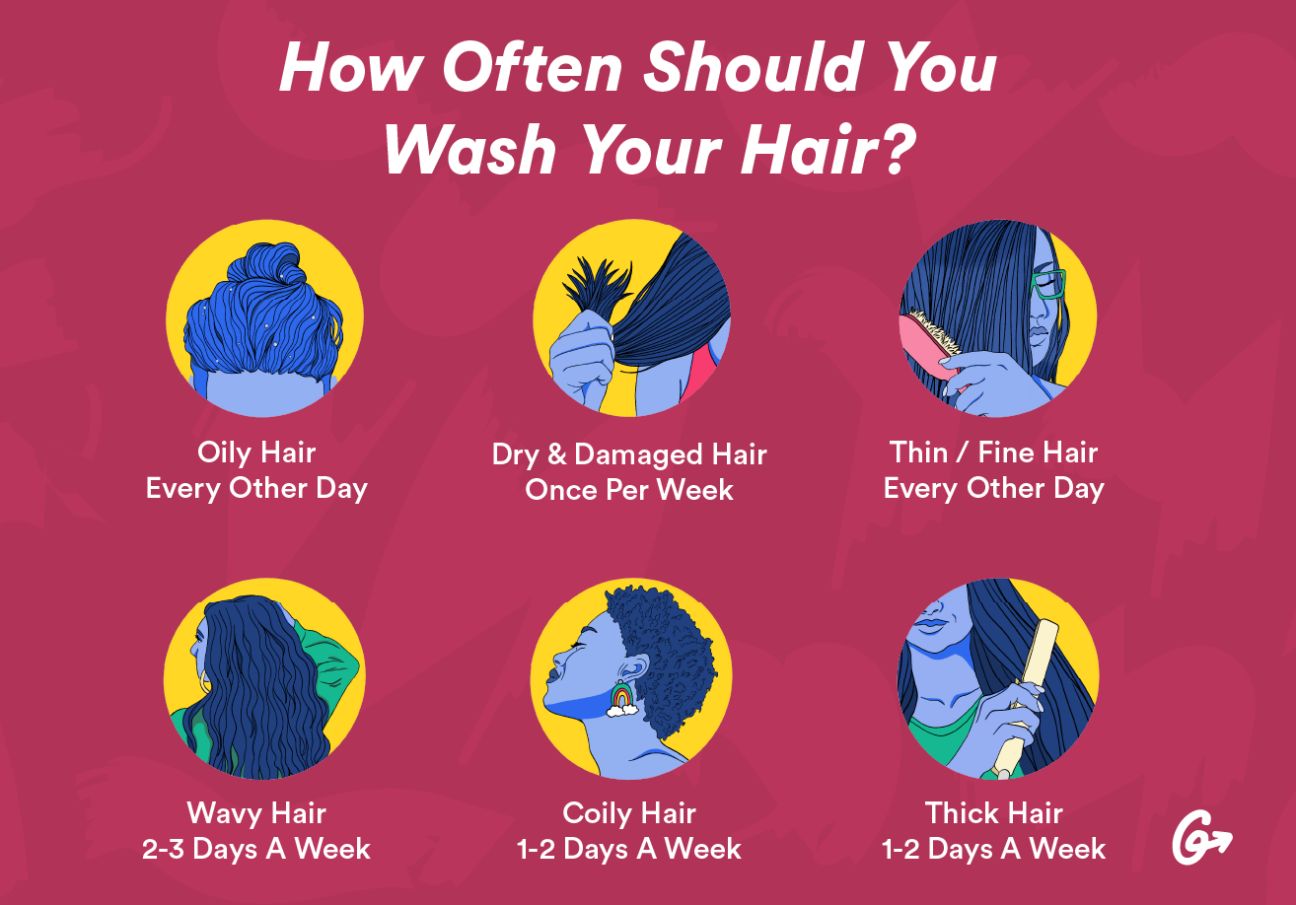
Too much product can weigh hair down and make it dull. Conditioners can build up if used too frequently without cleansing. Use clarifying shampoo occasionally to remove residue. This helps your hair stay light and fresh. Notice if hair feels sticky or heavy, and adjust conditioning accordingly.
Credit: greatist.com
Frequently Asked Questions
Is It Okay To Condition Hair Every Day?
Conditioning hair daily is fine for dry, curly, or damaged hair using lightweight products. Avoid roots and adjust frequency if hair feels heavy or greasy.
How Frequently Should I Use Conditioner?
Use conditioner every time you wash your hair, typically 2-3 times weekly. Daily use suits dry or curly hair. Apply mostly to mid-lengths and ends to avoid greasiness. Adjust frequency based on hair type and moisture needs for best results.
Can You Over Condition Your Hair?
Yes, you can over condition your hair. Over conditioning causes buildup, making hair greasy, heavy, and limp. Use conditioner sparingly.
What Are Signs Of Over-conditioned Hair?
Signs of over-conditioned hair include limpness, excessive greasiness, dullness, and difficulty holding style. Hair may feel heavy and sticky.
Conclusion
Finding the right conditioning routine depends on your hair type and needs. Dry or curly hair may need conditioning every day for softness. Fine or oily hair benefits from less frequent use to avoid greasiness. Always focus conditioner on the ends, not the roots.
Pay attention to how your hair feels and adjust accordingly. Conditioning keeps hair healthy but balance is key. Stick to simple, gentle products for the best results. Your hair will thank you with shine and strength.
As an Amazon Associate, I earn from qualifying purchases.
Lovingshe is a participant in the Amazon Services LLC Associates Program which is an affiliate advertising program designed to provide a means for sites to earn advertising fees by advertising and linking to Amazon.com. Amazon may use cookies to track referrals from our site. Visit Amazon’s privacy policy for details
