


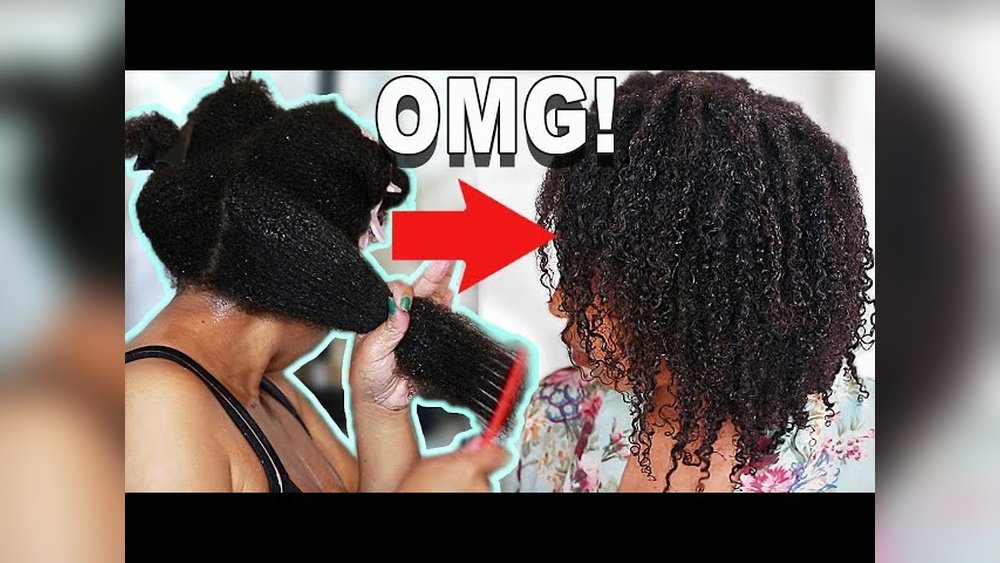
Do you ever wonder if you should leave conditioner in your hair after washing? It’s a question many people ask but don’t always get a clear answer to.
You want your hair to feel soft and healthy, but leaving the wrong conditioner in might actually cause more harm than good. Could it make your hair greasy, heavy, or even damaged? Or are there times when leaving conditioner in is actually beneficial?
Keep reading to discover the surprising effects of leaving conditioner in your hair, when it’s okay to do so, and how to choose the right product for your routine. Your hair deserves the best care, and understanding this simple step can make all the difference.

Credit: www.youtube.com
Conditioner Types
Conditioners come in different types to suit various hair needs. Each type works differently and offers unique benefits. Understanding these can help you decide whether to rinse out or leave the conditioner in your hair.
Rinse-out Conditioner
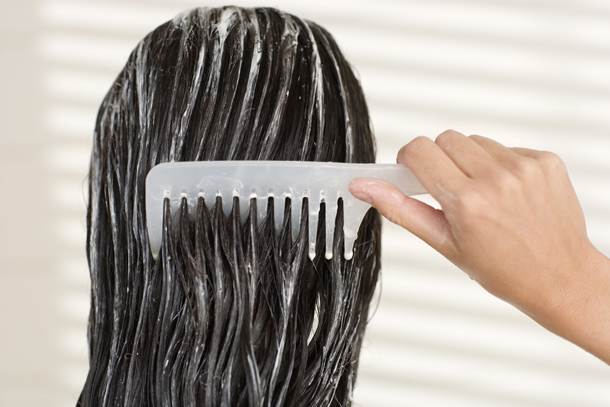
Rinse-out conditioners are the most common type. They soften and detangle hair after shampooing. Apply it, leave for a few minutes, then wash it out. This conditioner helps to smooth the hair cuticle and reduce frizz. It adds moisture without weighing hair down. Leaving rinse-out conditioner in the hair can cause buildup and greasy feeling. It is not designed to stay on the scalp or hair for long periods.
Leave-in Conditioner
Leave-in conditioners stay in the hair after washing. They provide extra moisture and protection throughout the day. Apply on damp hair and do not rinse. This type works well for dry or damaged hair. It helps with detangling and heat protection. Leave-in conditioners are lighter than rinse-out types. They reduce frizz and improve hair manageability. Using leave-in conditioner helps keep hair soft without heaviness.

Credit: burlybands.com
Effects Of Leaving Conditioner In
Leaving conditioner in your hair affects its health and appearance. It can cause issues beyond just feeling sticky or greasy. Understanding these effects helps you care for your hair better. Here are the main problems caused by leaving regular conditioner in your hair.
Product Buildup And Greasiness
Conditioner left in hair builds up on the scalp and strands. This buildup traps dirt and oil, making hair look greasy fast. It clogs hair follicles, which can slow hair growth. Hair loses its natural shine and feels heavy.
Heavy And Limp Hair
Excess conditioner weighs hair down, especially thin or fine hair. Hair loses volume and feels flat all day. Styling becomes difficult as hair lacks bounce and body. It looks dull and lifeless rather than soft and healthy.
Moisture Overload And Hair Damage
Too much conditioner causes moisture overload, called hygral fatigue. Hair cuticles swell and weaken from excess water absorption. This makes hair fragile and prone to breakage. Over-moisturized hair loses its strength and elasticity.
Scalp Irritation And Ph Disruption
Conditioner residue alters the scalp’s natural pH balance. This leads to dryness, itching, or redness. A disrupted scalp environment invites dandruff and infections. Healthy scalp function depends on proper cleansing and balanced pH.
Weakened Hair Structure
Leaving conditioner in can weaken hair structure over time. Protein loss occurs, reducing hair’s natural resilience. Hair becomes brittle, with split ends and breakage. Maintaining hair strength requires proper rinsing and care.
When Leaving Conditioner Is Okay
Leaving conditioner in your hair is not always a mistake. Certain situations make it okay to keep conditioner on your strands. Knowing when to leave conditioner in helps protect and nourish your hair. It also prevents damage and unwanted buildup. Below are key moments when leaving conditioner in hair works best.
Short Contact Periods
Leaving conditioner in for a short time is often safe. For example, applying conditioner and rinsing after one to three minutes helps. This brief period lets the conditioner soften and smooth hair. It does not cause heaviness or greasiness. Quick rinses work well for daily hair care. This method suits most hair types and keeps hair healthy.
Specific Deep Conditioning Treatments
Some conditioners are made for deep treatments. These products require longer time on hair, from 10 to 30 minutes. They contain rich ingredients that repair and hydrate deeply. Leaving these conditioners in helps fix damage and improve texture. Always follow product instructions for best results. Deep conditioning should be done once or twice a week for healthy hair.
How To Use Conditioner Properly
Using conditioner properly helps keep hair soft and healthy. It repairs damage and adds moisture. Applying the right amount and rinsing well makes a big difference. Follow these simple steps to get the best results from your conditioner.
Rinsing Techniques
Rinse conditioner with cool or lukewarm water. This closes the hair cuticles and locks in moisture. Avoid hot water, which can dry hair out. Rinse gently and thoroughly to remove all product. Leaving conditioner residue causes buildup and dullness.
Choosing The Right Product
Select conditioner based on your hair type and needs. For dry hair, use a rich, hydrating formula. Fine hair needs a lightweight conditioner to avoid heaviness. Curly hair benefits from creamy, moisturizing conditioners. Check for ingredients like oils and proteins that suit your hair.
Application Tips For Different Hair Types
For straight hair, apply conditioner mainly to the ends. Avoid the scalp to prevent greasiness. Curly hair needs conditioner from roots to tips to keep curls defined. Fine hair requires a small amount focused on the ends. Thick hair can handle more product spread evenly.
Benefits Of Leave-in Conditioner
Leave-in conditioner adds moisture and care to your hair throughout the day. It is lightweight and stays on the hair without rinsing out. This type of conditioner helps keep hair soft and manageable. It works well for all hair types, especially dry or damaged hair.
Using leave-in conditioner can improve hair texture and protect strands from damage. It supports healthy hair growth and reduces breakage. Many people notice smoother and shinier hair with regular use.
Detangling And Smoothing
Leave-in conditioner makes hair easier to comb through. It reduces knots and tangles gently. This helps prevent hair breakage caused by rough brushing. Hair feels soft and smooth to touch after applying. It is perfect for curly or thick hair that tends to tangle.
Protection Without Buildup
Leave-in conditioners protect hair from environmental damage. They form a light shield against sun, wind, and pollution. Unlike heavy conditioners, they do not weigh hair down. They keep hair fresh without causing greasy buildup. This makes hair look clean and healthy all day.
Enhancing Hair Health
Leave-in conditioner nourishes hair with vitamins and oils. It strengthens hair strands and reduces split ends. Regular use helps restore hair’s natural shine and softness. It also helps maintain moisture balance in the hair. This keeps hair flexible and less prone to damage.
Common Mistakes To Avoid
Conditioner is a key part of hair care, but mistakes happen. Using conditioner the wrong way can harm your hair instead of helping it. Avoid these common errors to keep your hair healthy and shiny. Learn what not to do with conditioner to get the best results.
Leaving Rinse-out Conditioner Too Long
Rinse-out conditioner is meant to stay in hair only a few minutes. Leaving it too long causes buildup. This buildup makes hair feel heavy and greasy. It can also clog hair follicles, leading to scalp problems. Always follow the time instructions on the product label.
Overusing Conditioner Products
Applying too much conditioner does not improve hair health. Overuse leaves residue that weighs hair down. Hair may look flat and lifeless. Using conditioner daily on fine hair can cause damage. Use conditioner sparingly and only as needed for your hair type.
Ignoring Hair Type Needs
Not all conditioners fit every hair type. Thick, curly hair needs richer formulas. Fine or oily hair benefits from lighter conditioners. Using the wrong product can cause dryness or grease. Choose conditioner based on your hair’s texture and needs for best care.
Credit: stylecaster.com
Frequently Asked Questions
What Happens If You Leave Conditioner In Your Hair?
Leaving regular conditioner in hair causes buildup, greasiness, limpness, and moisture overload. It weakens strands and may irritate the scalp. Rinse thoroughly unless using leave-in conditioner.
Are You Supposed To Wash Conditioner Out Of Your Hair?
Yes, rinse conditioner out thoroughly after use. Leaving it in can cause buildup, greasiness, limp hair, and scalp irritation. Only use leave-in conditioners without rinsing.
How To Use Conditioner Correctly?
Apply conditioner to clean, damp hair from mid-lengths to ends. Leave it for 2-5 minutes, then rinse thoroughly. Avoid the scalp to prevent buildup. Use leave-in conditioner only if labeled. Rinsing prevents greasiness, limpness, and damage caused by residue.
What Are The Signs Of Over-conditioning Hair?
Signs of over-conditioning hair include limp, heavy strands, excessive greasiness, and product buildup. Hair may feel mushy, dry, or weak. Scalp irritation or redness can occur. Over-conditioned hair often lacks volume and breaks easily due to moisture overload and cuticle swelling.
Conclusion
Leaving regular conditioner in your hair can cause buildup and heaviness. It may make hair greasy or limp, especially for fine hair. Over-moisturizing can weaken strands and lead to breakage. Rinse-out conditioners are not designed for long contact with hair or scalp.
Use only products labeled as leave-in conditioners if you want to keep them in. Proper rinsing keeps hair healthy and scalp balanced. Choose the right conditioner for your hair type and needs. Healthy hair starts with good habits and the right products.
As an Amazon Associate, I earn from qualifying purchases.
Lovingshe is a participant in the Amazon Services LLC Associates Program which is an affiliate advertising program designed to provide a means for sites to earn advertising fees by advertising and linking to Amazon.com. Amazon may use cookies to track referrals from our site. Visit Amazon’s privacy policy for details
