



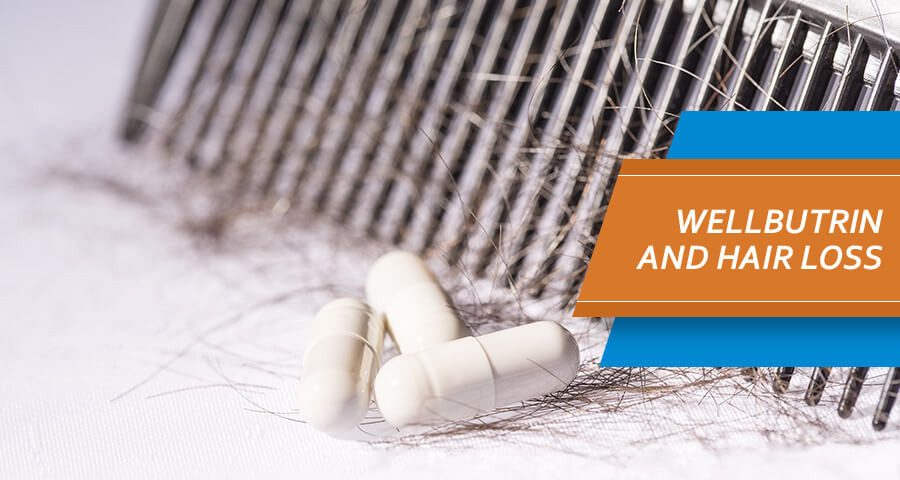
Are you worried that your prescription for Wellbutrin might be causing your hair to thin or fall out? If you’ve noticed more hair in your brush or shower drain since starting this medication, you’re not alone—and it’s a concern worth understanding.
Hair loss can be stressful and affect your confidence, especially when you’re already managing your mental health. But does Wellbutrin really cause hair loss in women? You’ll discover how common this side effect is, why it happens, and what you can do to protect your hair while staying on track with your treatment.
Keep reading to get clear answers and practical tips tailored just for you.
Hair Loss And Wellbutrin
Wellbutrin is a common medication prescribed for depression and other mood disorders. Some women taking Wellbutrin report hair loss as a side effect. Understanding this issue helps in managing concerns and expectations during treatment.
Hair loss linked to Wellbutrin is not very common. It often depends on individual sensitivity and other health factors. Knowing the type and duration of hair loss can ease worries and guide proper care.
Frequency Of Hair Loss
Hair loss due to Wellbutrin is rare but possible. Studies show it happens more often than with some other antidepressants. Still, most women do not experience this side effect. Reporting any hair changes to a doctor is important for proper evaluation.
Type Of Hair Loss: Telogen Effluvium
The typical hair loss from Wellbutrin is called telogen effluvium. It means hair falls out during the resting phase of growth. This type causes thinning rather than complete bald spots. It usually starts weeks or months after starting the medication.
Duration And Reversibility
Hair loss from Wellbutrin tends to be temporary. It often stops once the body adjusts to the drug. Stopping the medication usually leads to hair regrowth. Full recovery can take several months after hair loss begins.
Credit: addictionresource.com
Comparing Antidepressants
Choosing the right antidepressant matters for women concerned about hair loss. Different medications show varying effects on hair health. Comparing these drugs helps understand which ones carry higher or lower risks. This section breaks down common antidepressants by their potential to cause hair loss.
Risk Levels Among Common Medications
Many antidepressants cause hair loss as a side effect, but the risk varies. Selective serotonin reuptake inhibitors (SSRIs) like fluoxetine and sertraline show low to moderate risk. Serotonin-norepinephrine reuptake inhibitors (SNRIs) also have a relatively low chance of hair shedding. Tricyclic antidepressants fall somewhere in the middle. Among all, bupropion stands out with a higher risk of hair loss in women.
Why Bupropion Has Higher Risk
Bupropion, also known as Wellbutrin, affects the brain differently. It influences dopamine and norepinephrine levels, which might explain its unique side effects. This drug may trigger a condition called telogen effluvium, where hair prematurely enters a resting phase and falls out. The exact cause is unclear, but bupropion’s chemical action appears more likely to disrupt hair growth cycles than other antidepressants.
Lowest Risk Options
Paroxetine, an SSRI, often ranks as the antidepressant with the lowest hair loss risk. Other SSRIs and SNRIs generally cause less hair thinning compared to bupropion. For women worried about hair loss, doctors may suggest starting treatment with these options. Still, individual reactions differ, so monitoring and communication with a healthcare provider are key.
Identifying Medication-related Hair Loss
Identifying medication-related hair loss can be challenging. Hair thinning or shedding might have several causes. Understanding if Wellbutrin triggers this issue helps in managing it properly. Observing specific signs and knowing when to seek help is important for women using this medication.
Signs Of Hair Loss From Wellbutrin
Hair loss linked to Wellbutrin usually appears as gradual thinning. You may notice more hair falling during brushing or washing. Patches of hair loss are less common. The shedding often starts a few weeks after starting the medication. This type of hair loss is often called telogen effluvium. It means hair enters a resting phase and falls out more than usual.
Differentiating Other Causes
Many factors can cause hair loss, including stress, diet, or hormonal changes. Thyroid problems and certain illnesses also affect hair health. It is important to consider these before blaming medication. Keeping a diary of hair changes and other symptoms helps. Your doctor can perform tests to find the real cause. Avoid stopping Wellbutrin without medical advice, as it may worsen symptoms.
When To Seek Medical Advice
Seek medical advice if hair loss is sudden or severe. If bald patches or scalp irritation appear, consult your doctor. Persistent shedding beyond a few months also needs professional evaluation. Your healthcare provider can suggest treatment options or adjust medication. Early action improves chances of reversing hair loss. Do not ignore changes in hair texture or scalp health.
Managing Hair Loss On Wellbutrin
Managing hair loss while taking Wellbutrin requires careful attention and support. Hair thinning can cause concern, but there are ways to handle this side effect effectively. Understanding the right steps helps reduce stress and protect hair health.
Each woman’s experience is unique. Monitoring symptoms and seeking professional advice ensures safe management. Awareness and early action improve outcomes and maintain mental health treatment.
Consulting Healthcare Providers
Start by discussing hair loss with your healthcare provider. They can check for other causes like stress or nutritional deficiencies. Your doctor may perform tests to identify the exact reason. Open communication helps tailor the treatment to your needs. Never ignore new or worsening symptoms.
Dosage Adjustments And Alternatives
Your healthcare provider might suggest changing the Wellbutrin dose. Lowering the dose can reduce hair loss while keeping effectiveness. In some cases, switching to another medication is possible. Alternatives may have fewer side effects on hair. Any changes should be guided by your doctor to avoid risks.
Avoiding Sudden Discontinuation
Do not stop Wellbutrin suddenly. Abrupt discontinuation may cause withdrawal symptoms and worsen hair loss. Your doctor will create a safe plan to taper the medication. Gradual dose reduction minimizes side effects and supports hair regrowth. Follow medical advice closely for the best results.
Hair Regrowth And Recovery
Hair loss from Wellbutrin can be distressing for women. Understanding how hair regrows and what to expect helps manage worries. Recovery involves patience and care for your scalp and hair. Most women see improvement after some time.
Taking steps to support hair health can speed up regrowth. Sometimes, changing medication may be necessary to stop hair loss. Knowing the timeline and options keeps you informed and prepared.
Expected Timeline For Improvement
Hair regrowth usually starts within 3 to 6 months after stopping or adjusting Wellbutrin. Hair enters a resting phase during medication, causing shedding. Once the body adapts or medication changes, new hair begins to grow. Full recovery may take up to a year. Individual timelines vary based on health and treatment.
Tips To Support Hair Health
Eat a balanced diet rich in vitamins and minerals. Avoid harsh hair treatments or heat styling. Use gentle shampoos and conditioners to protect your scalp. Massage your scalp regularly to boost circulation. Stay hydrated and manage stress to improve hair growth. Consult a doctor about supplements if needed.
Switching Medications And Effects
Changing from Wellbutrin to another antidepressant may reduce hair loss. Some medications have a lower risk of causing hair shedding. Discuss options with your healthcare provider before making changes. Stopping medication suddenly can cause side effects. A gradual switch helps your body adjust and minimizes hair loss risk.

Credit: www.helloklarity.com
Wellbutrin Interactions And Risks
Wellbutrin is a common medication for depression. It works by changing brain chemicals. This medicine may have interactions and risks. These can affect your health and side effects. Understanding these risks helps women use it safely.
Combining Wellbutrin With Trazodone
Wellbutrin and trazodone both affect the brain. Taking them together can raise side effects. These include dizziness, confusion, and difficulty concentrating. Some people may feel tired or restless. Doctors watch for these signs to keep patients safe.
Seizure Risk Factors
Wellbutrin can increase the chance of seizures. This risk is higher with certain conditions. These include epilepsy, head injuries, or alcohol use. Taking high doses also raises risk. Patients must follow doctor instructions carefully to avoid seizures.
Serotonin Syndrome Concerns
Serotonin syndrome is a rare but serious problem. It happens if medicines raise serotonin too much. Wellbutrin alone rarely causes this. But combining with other serotonin drugs can trigger it. Symptoms include rapid heartbeat, fever, and confusion. Immediate medical help is needed.

Credit: xyonhealth.com
Frequently Asked Questions
How Common Is Hair Loss On Wellbutrin?
Hair loss on Wellbutrin is uncommon but possible, often causing temporary shedding called telogen effluvium. It usually reverses after stopping or adjusting the medication.
How Do You Know If Your Hair Is Falling Out From Medication?
Hair loss from medication often appears as unusual shedding or thinning. Track timing with medication start. Consult a doctor to confirm and rule out other causes.
How Long Does It Take For Wellbutrin Hair Loss To Stop?
Wellbutrin-related hair loss usually stops within six months after dose reduction or medication discontinuation. Consult your doctor before changing treatment.
Can You Take Trazodone And Wellbutrin?
You can take trazodone and Wellbutrin together under strict medical supervision. Both lower seizure threshold and may increase serotonin syndrome risk. Your doctor will monitor symptoms and adjust doses carefully to ensure safety. Never combine them without professional guidance.
Conclusion
Wellbutrin can cause hair loss in some women, but it is rare. This hair loss usually happens because of telogen effluvium, a temporary shedding phase. Most women find their hair grows back after their body adjusts or after stopping the drug.
Always talk to your doctor if you notice hair loss. They can check for other causes and suggest safe options. Never stop Wellbutrin suddenly without medical advice. Managing side effects carefully helps maintain both your health and hair. Stay informed and seek professional support when needed.
As an Amazon Associate, I earn from qualifying purchases.
Lovingshe is a participant in the Amazon Services LLC Associates Program which is an affiliate advertising program designed to provide a means for sites to earn advertising fees by advertising and linking to Amazon.com. Amazon may use cookies to track referrals from our site. Visit Amazon’s privacy policy for details
