


Are you curious about how far back a hair follicle test can detect drug use? Understanding this can be crucial if you’re facing a drug screening for a job, legal matter, or personal reasons.
Unlike other tests that only show recent drug use, hair follicle tests provide a longer detection window. But exactly how long is that window? And what factors can influence the results? You’ll get clear, straightforward answers to these questions. By the end, you’ll know what to expect and how to prepare, giving you a confident edge in any situation involving hair drug testing.
Keep reading to uncover everything you need to know about hair follicle drug detection timelines.
Credit: www.fastestlabs.com
Hair Follicle Test Basics
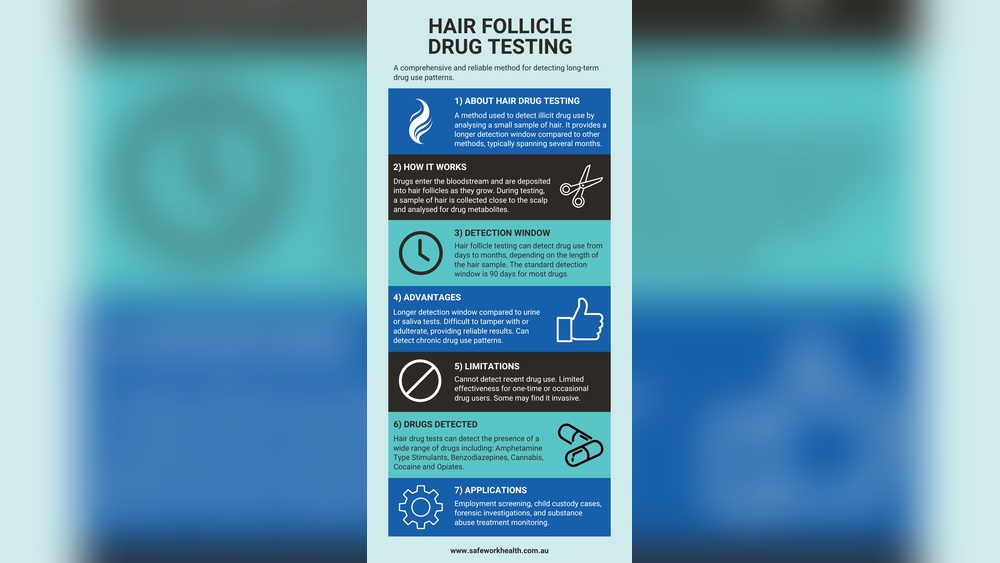
Understanding hair follicle tests starts with the basics of how they work. These tests detect drug use by analyzing tiny drug traces trapped in hair strands. Hair follicle testing offers a longer detection window compared to urine or blood tests. It reveals drug use history over weeks or even months. Knowing the fundamentals helps explain how far back these tests can detect drugs.
How Drugs Enter Hair
Drugs enter the hair through the bloodstream after use. When blood nourishes hair follicles, drug traces become part of the hair shaft. These traces stay locked inside as the hair grows. Sweat and oil on the scalp can also carry drug particles to the hair surface. This process ensures drugs are embedded inside the hair, not just on it.
Hair Growth Cycle
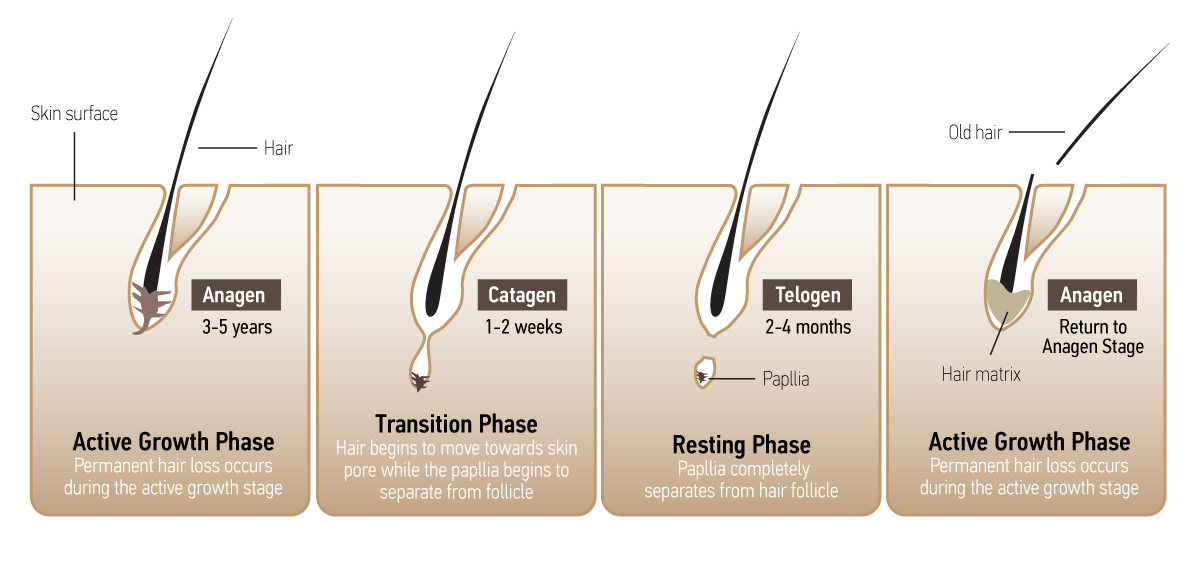
Hair grows in three main stages: anagen, catagen, and telogen. The anagen phase is the active growth period lasting months to years. Drugs get incorporated during this phase. Catagen is a brief transition phase where growth stops. Telogen is the resting phase before hair falls out. Most hair tests focus on anagen hairs for accurate detection.
Standard Testing Procedures
Testing usually requires a small hair sample, about 1.5 inches long. This length shows drug use over roughly 90 days. Laboratories wash hair samples to remove external contaminants. Then, they analyze the hair for drug metabolites using advanced methods. Results provide a timeline of drug exposure rather than recent use only.
Credit: www.health-street.net
Detection Window
The detection window in a hair follicle drug test shows how far back drug use can be identified. This window depends on hair growth and sample length. Drugs enter the hair follicle from the bloodstream and become part of the hair shaft. As hair grows, it creates a timeline of drug exposure. Understanding the detection window helps predict the test’s reach and accuracy.
Typical Time Frame Detected
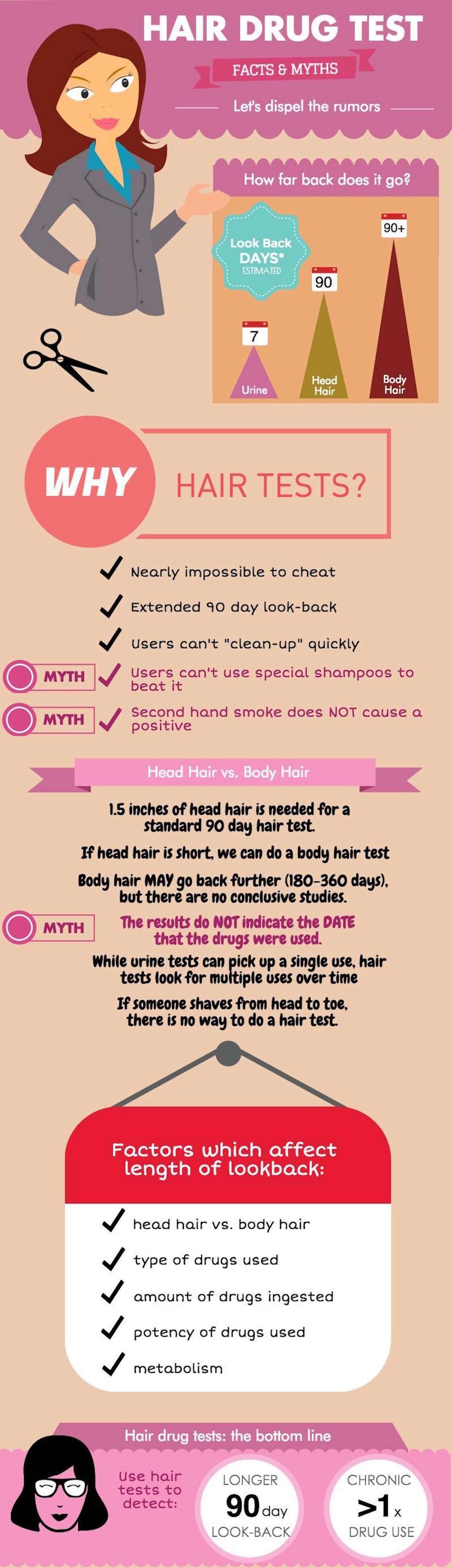
Hair follicle tests usually detect drug use from 7 to 90 days. Drugs appear in hair about a week after use. The 90-day period matches the average length of hair tested, usually 1.5 inches. This time frame is longer than urine or blood tests. It gives a broader view of drug history over months.
Impact Of Hair Length
Longer hair provides a longer detection window. Each half inch of hair represents about 22 to 30 days of growth. Short hair limits the timeline to recent drug use only. Very short or shaved hair can reduce test accuracy. Testing labs prefer hair at least 1.5 inches long to cover three months.
Differences In Hair Types
Hair type affects drug detection time. Head hair grows faster than body hair. Body hair grows slower but holds drugs longer. Some tests use body hair if head hair is unavailable. Hair color and texture may influence how drugs bind to hair. Darker hair tends to retain more drug metabolites than lighter hair.
Factors Affecting Detection
The ability of a hair follicle test to detect drugs depends on several key factors. These factors influence how long drug traces remain in the hair and how easily they can be found. Understanding these can help explain why detection times vary from person to person.
Frequency Of Drug Use
Regular drug use leads to more drug buildup in the hair. Occasional use might leave only small traces. The more often drugs are used, the stronger the signal in the hair. Heavy users may show drug presence for longer periods than light users.
Drug Metabolism Rates
Each person breaks down drugs at a different speed. Faster metabolism can reduce the amount of drug that reaches the hair. Slower metabolism means more drug stays in the body and gets into hair follicles. Genetics, age, and health all affect metabolism rates.
Hair Treatment And Damage
Hair treatments like bleaching, dyeing, or perming can affect drug detection. These processes may damage hair and wash out drug traces. Damaged hair might show lower drug levels or cause false negatives. Untreated hair tends to provide the most reliable results.
Types Of Drugs Detected
Hair follicle tests identify drug use by detecting traces in hair strands. Drugs enter the hair shaft from the bloodstream, making it possible to find drug metabolites. This test can show drug use over several months, depending on hair length. Various drugs are detectable, but detection times and accuracy differ by substance. Understanding which drugs hair tests can detect helps clarify their use and limits.
Common Drugs Tested
Hair follicle tests often check for substances like marijuana, cocaine, amphetamines, opiates, and phencyclidine (PCP). These drugs leave metabolites in hair, which the test detects. Marijuana testing targets THC metabolites, while cocaine looks for benzoylecgonine. Amphetamines include methamphetamine and MDMA. Opiates cover heroin, morphine, and codeine. PCP is less common but still tested in many panels.
Longest Detectable Substances
Cocaine and methamphetamine often remain detectable for the longest time. They bind strongly to hair proteins and resist washing. Marijuana metabolites may be present longer in heavy users, but light use is harder to detect. Opiates usually stay in hair for 90 days or more. Detection times depend on hair growth, drug amount, and frequency of use.
Limitations With Certain Drugs
Some drugs are harder to detect in hair. For example, alcohol leaves minimal traces in hair follicles. Prescription drugs like benzodiazepines may not show up reliably. Hair color and type affect results; darker hair can hold more drug metabolites. External contamination, like smoke or contact with drugs, can cause false positives. Testing labs use methods to reduce errors but limitations exist.
Test Accuracy And Limitations
Hair follicle drug tests offer reliable results but come with some limits. Understanding these helps set clear expectations. The test detects drug use over weeks or months. Accuracy varies based on several factors, including hair length and sample handling.
Potential For False Positives
False positives can occur, though they are rare. Environmental exposure to drugs or chemicals may affect results. Cosmetics, hair treatments, or contamination might also cause errors. Labs use confirmation tests to reduce false positives. Always confirm results with a more specific test.
Averaging Effect Over Time
The test provides an average drug use over time. It does not pinpoint exact dates of use. This means short-term or one-time use might be missed. Long-term patterns show better than isolated events. The test reflects drug use during hair growth only.
Challenges With Short Hair
Short hair limits the detection window significantly. Less hair means less timeline to analyze drug use. Some tests use body hair to extend detection time. However, body hair grows differently and can confuse results. Hair length is key for accurate drug history.
Sample Collection And Analysis
Understanding the process of sample collection and analysis is key to grasping how hair follicle tests detect drug use. This test examines the hair shaft for drug traces, providing a timeline of use. The accuracy depends on proper sample handling and advanced laboratory techniques. Below, we explore how samples are collected, analyzed, and securely managed.
Collection Procedures
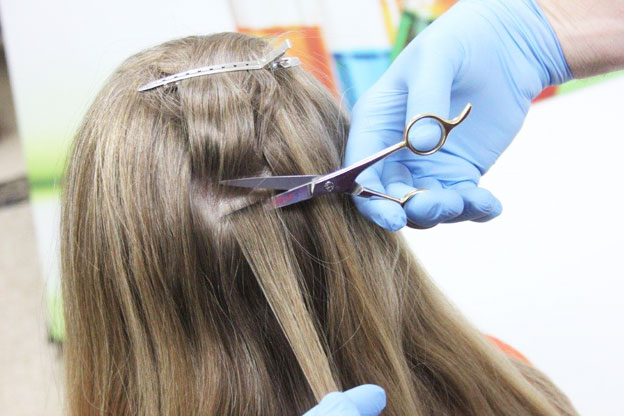
Technicians cut a small section of hair close to the scalp. Usually, about 1.5 inches of hair is taken. This length can reveal drug use for roughly 90 days. The sample is taken from the crown area to avoid cosmetic damage. Collection happens in a private setting to ensure comfort. The technician labels the sample to keep it identifiable. This step is crucial for accurate results.
Laboratory Testing Methods
Laboratories use specialized tools to prepare hair samples. The hair is washed to remove external contaminants. Then, it undergoes chemical extraction to isolate drug metabolites. Scientists apply methods like immunoassay screening and gas chromatography-mass spectrometry (GC-MS). GC-MS is highly precise and confirms initial findings. These tests detect various drugs, including cocaine, marijuana, and opioids. The process takes several days but provides reliable results.
Chain Of Custody Importance
Maintaining the chain of custody is vital for test validity. Every person handling the sample signs a tracking form. This record shows the sample’s journey from collection to analysis. It prevents tampering or mix-ups during transport and storage. Courts and employers often require strict chain of custody documentation. This ensures the test results are legally defensible and trustworthy.
Attempts To Evade Detection
Many people try to avoid detection in hair follicle drug tests. These tests trace drug use for up to 90 days or more. Because hair grows slowly, drugs stay locked inside the hair shaft. Some users attempt different methods to beat the test. Understanding these attempts helps reveal why many fail.
Effectiveness Of Cleansing Products
Many products claim to cleanse hair of drug traces. Shampoos and special treatments promise to remove drug metabolites. Most of these products do not work well. Drug molecules are inside the hair, not just on the surface. Washing hair cannot remove these deeply stored chemicals. Laboratory tests can often spot attempts to use these products.
Sample Substitution Risks
Some try to replace their hair sample with clean hair. This method carries many risks. Testing centers often watch sample collection closely. Substituted samples can cause suspicion and test refusal. If caught, the person may face serious consequences. Laboratories use techniques to confirm the sample’s origin. This makes substitution very difficult and risky.
Legal And Ethical Consequences
Evading drug tests can lead to legal trouble. Employers and courts take test tampering seriously. Cheating can result in job loss or legal penalties. Ethical issues arise from dishonest behavior. Honesty in testing protects everyone’s safety and trust. Consequences are often worse than a positive test result.
Extended And Segmental Testing
Extended and segmental testing in hair follicle drug analysis allow examiners to detect drug use over longer periods. This method divides hair into smaller sections. Each segment reflects drug intake during a specific past time. It offers a timeline of drug use instead of a single snapshot. This approach improves understanding of usage patterns.
Testing Multiple Hair Segments
Testing multiple hair segments means cutting the hair into parts. Each part usually measures about one centimeter. One centimeter corresponds to roughly one month of hair growth. Labs analyze each segment separately. This process reveals drug use month by month. It helps detect when drugs were taken. Testing various segments shows detailed history.
Extended Detection Periods
Extended testing increases the detection window beyond the usual 90 days. Since hair grows about one centimeter per month, longer hair means longer detection periods. For example, 6 centimeters of hair can show drug use over six months. Some tests analyze up to 12 centimeters or more. This extends detection up to a year or more. It depends on hair length and testing methods.
Use In Legal And Employment Settings
Extended and segmental testing is common in legal cases. Courts may require detailed drug use timelines. Employers use this testing to check long-term drug abstinence. This method provides more reliable evidence than urine or blood tests. It supports decisions in child custody, probation, and workplace safety. Extended testing offers clear proof of past drug use.
Credit: www.dnalegal.com
Frequently Asked Questions
How Long Does It Take To Be Clean For A Hair Follicle Drug Test?
Hair follicle drug tests detect drug use from the past 90 days. Complete cleansing requires about 3 months without drug use.
Can A Hair Follicle Test Go Back 12 Months?
A hair follicle test typically detects drug use from the past 90 days. It rarely shows usage beyond 12 months. Hair length and type affect detection time. Standard tests focus on recent months, making a 12-month detection uncommon and unreliable.
What Drug Stays In The Hair Follicle The Longest?
Methamphetamine and cocaine metabolites stay in hair follicles the longest, detectable up to 90 days or more. Hair tests show drug use history clearly.
How To Cleanse Hair Follicles For A Drug Test?
Cleanse hair follicles by using detox shampoos daily and avoiding drug use. Drink water and maintain healthy hair to improve results. Note, complete removal of drug traces from hair is unlikely before a drug test.
Conclusion
Hair follicle tests detect drug use over several months. Usually, they reveal drug use from about 90 days prior. Longer hair samples can show drug use further back. Shorter hair limits how far back testing can go. These tests offer a reliable way to check long-term drug use.
Keep in mind, results depend on hair length and drug type. Understanding this helps prepare for hair follicle drug tests better.
As an Amazon Associate, I earn from qualifying purchases.
Lovingshe is a participant in the Amazon Services LLC Associates Program which is an affiliate advertising program designed to provide a means for sites to earn advertising fees by advertising and linking to Amazon.com. Amazon may use cookies to track referrals from our site. Visit Amazon’s privacy policy for details
