


Are you worried that your cannabis use might be affecting your hair? You’re not alone.
Many people wonder, “Can weed cause hair loss? ” It’s a question that hits close to home when you notice thinning strands or more hair in the shower drain. Understanding how marijuana interacts with your body and hair health is key to making informed choices.
You’ll discover the surprising ways weed could impact your hair, what science says, and what you can do to protect your locks. Keep reading to find out if your cannabis habit is the hidden culprit behind your hair loss—and how to stop it before it gets worse.
Weed And Hair Loss Connection
Many people wonder about the connection between weed and hair loss. Some users report thinning hair after regular cannabis use. Research is still limited but points to several possible effects. Understanding how weed might impact hair health helps users make informed choices.
Thc Effects On Hair
THC is the main active compound in weed. It can affect the body’s hormones and stress levels. These changes may disrupt the natural hair growth cycle. High THC levels might increase stress hormones that harm hair follicles. This can lead to weaker hair and more shedding over time.
Hair Shaft Damage
Smoking or vaping weed exposes hair to harmful chemicals. These substances can damage the hair shaft. Damaged shafts become brittle and prone to breakage. Over time, this damage reduces hair strength and shine. It makes hair more likely to split and thin out.
Impact On Hair Volume
Hair volume depends on hair strength and growth rate. Weed use may slow down hair growth by affecting scalp health. Poor scalp circulation from smoking can reduce nutrient delivery to hair roots. This leads to thinner hair and lower overall volume. Users may notice less fullness in their hair.
Credit: torontohairtransplantclinic.com
Smoking And Hair Health
Smoking affects hair health in several harmful ways. The chemicals in smoke damage hair follicles and slow growth. These effects can lead to thinning hair or even hair loss. Understanding how smoking impacts hair helps explain the risks.
Restricted Blood Flow
Nicotine from smoking narrows blood vessels. This limits oxygen and nutrients reaching hair follicles. Without enough nutrients, follicles weaken and hair growth slows. Poor blood flow can cause hair to become thin and fragile.
Inflammation And Dna Damage
Toxins in smoke trigger inflammation in the scalp. Inflammation harms hair follicles and disrupts their normal cycle. Smoke chemicals can also damage DNA in follicle cells. This damage reduces the follicles’ ability to produce healthy hair.
Hormonal Imbalance
Smoking can change hormone levels in the body. It may increase testosterone and cortisol, which affect hair growth. Hormonal shifts can speed up hair loss, especially in those prone to baldness. Balanced hormones are key for healthy hair.
Cellular Damage
Smoke contains free radicals that attack cells in hair follicles. This oxidative stress leads to premature aging of follicles. Damaged cells cannot support strong, healthy hair strands. Over time, cellular damage causes hair thinning and shedding.
Gender Differences In Hair Loss
Hair loss affects men and women differently. Understanding these differences helps clarify how factors like weed use might impact hair health. Hormones, genetics, and scalp conditions vary by gender. These variations influence the pattern and severity of hair loss.
Men And Pattern Baldness
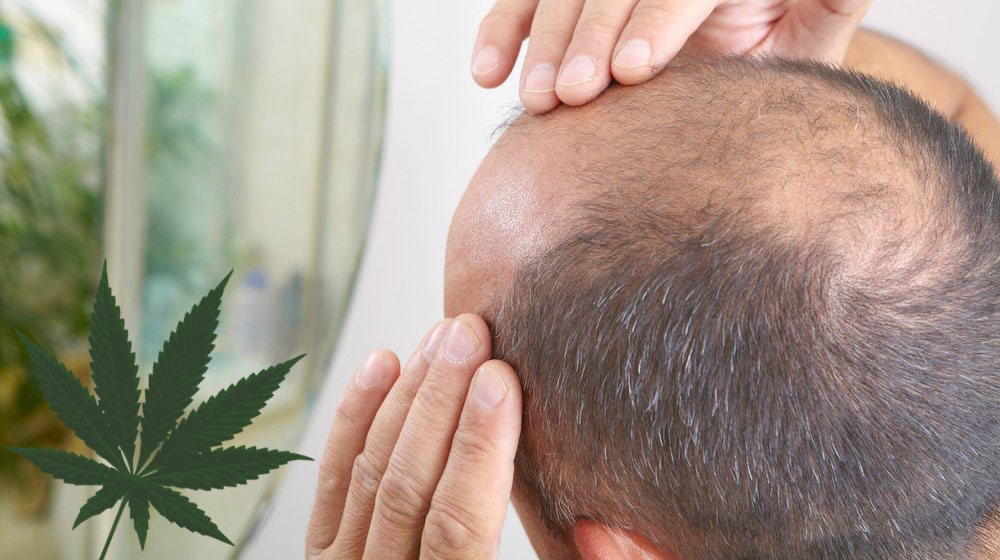
Men often experience pattern baldness, also known as androgenetic alopecia. It usually starts at the temples and crown. This type of hair loss is linked to male hormones and genetics. Weed use may affect hormone levels, potentially speeding up this process. THC can alter testosterone and cortisol, which impact hair follicles. The follicles shrink, producing thinner hair over time. This thinning can lead to visible bald spots.
Women And Diffuse Thinning
Women typically suffer from diffuse thinning rather than clear bald spots. Hair thins evenly across the scalp. Hormonal changes, stress, and lifestyle affect this condition. Weed use might increase stress hormones, harming hair growth cycles. Female hormones like estrogen help protect hair, but THC may reduce their levels. This disruption can cause more hair to enter the shedding phase. Women may notice overall volume loss rather than patchy baldness.

Credit: hairscience.org
Reversing Hair Loss
Reversing hair loss is possible with the right steps. Hair loss linked to smoking or weed use can improve over time. The body can heal damaged hair follicles. Healthy habits support new hair growth and restore hair health.
Stopping harmful substances helps the scalp recover. Blood flow improves, and inflammation decreases. This creates a better environment for hair to grow back thicker and stronger.
Benefits Of Quitting Smoking
Quitting smoking improves blood circulation to the scalp. Hair follicles receive more oxygen and nutrients. This reduces hair follicle damage and slows hair loss. The scalp becomes less inflamed and stressed. Hormone levels begin to balance naturally. These changes help stop further hair thinning.
Restoring Hair Growth
After quitting, hair growth can slowly return. New hairs grow from healthier follicles. Using gentle hair care supports this process. Eating a balanced diet with vitamins aids hair strength. Avoiding harsh chemicals and heat styling protects hair. Patience is key; hair growth takes time but is achievable.
Balancing Weed Use And Hair Care
Balancing weed use and hair care requires thoughtful habits. Weed can affect hair health in subtle ways. Understanding how to manage use and care helps protect your hair.
Maintaining healthy hair while using weed is possible. It means being mindful of consumption and supporting hair from the inside out.
Moderation Tips
Limit weed use to avoid potential damage to hair follicles. Heavy use may increase stress hormones that harm hair growth. Take regular breaks to let your body recover. Avoid smoking weed daily or in large amounts. Try alternative methods like edibles to reduce harm to hair shafts. Drink plenty of water to flush out toxins. Keep your lifestyle balanced with good sleep and nutrition.
Supporting Hair Health
Focus on nourishing your hair with a healthy diet rich in vitamins. Foods high in biotin, zinc, and vitamin E strengthen hair strands. Use gentle shampoos free of harsh chemicals. Regular scalp massages improve blood flow to hair follicles. Avoid excessive heat styling and tight hairstyles. Manage stress with relaxation techniques to reduce hair loss risk. Consider supplements after consulting a healthcare provider.
Myths And Facts About Weed And Hair Loss
Many people wonder if weed causes hair loss. The topic is full of myths and facts. It is important to separate truth from fiction. Understanding the real effects helps make better choices. Here, we explore common misconceptions and what science says about weed and hair loss.
Common Misconceptions
Some believe smoking weed directly causes hair loss. This idea spreads through social media and word of mouth. Others say THC, the active ingredient, damages hair follicles. Another myth claims weed changes hormone levels and leads to baldness. These claims often lack strong evidence. Hair loss has many causes like genetics, stress, and diet. Weed alone is rarely the main reason for losing hair.
Scientific Findings
Research on weed and hair loss is limited but growing. Studies show THC can affect cells, but direct damage to hair follicles is not proven. Weed may increase stress or cause inflammation in some users. These factors can contribute to hair shedding. Smoking any substance, including weed, might reduce blood flow to the scalp. This can weaken hair over time. More research is needed to confirm these effects. Overall, weed is not a major cause of hair loss for most people.
Credit: naturaltransplants.com
Frequently Asked Questions
Does Smoking Too Much Weed Cause Hair Loss?
Yes, smoking too much weed can contribute to hair loss. THC may damage hair shafts, causing breakage and thinning. It can also affect hormones and blood flow, worsening hair health. Reducing or quitting use may improve hair condition over time.
Does Smoking Cause Hair Loss?
Yes, smoking damages hair follicles by restricting blood flow and causing inflammation. It disrupts hormones, leading to thinning, shedding, and premature hair loss. Quitting smoking can improve hair health and reduce further loss.
Can Weed Cause Hair Loss Directly?
Marijuana’s THC may damage hair shafts, leading to breakage and thinning. However, direct hair follicle loss from weed alone lacks strong scientific proof.
How Does Smoking Weed Affect Hair Health?
Smoking weed can reduce blood flow and increase inflammation, harming hair follicles. This weakens hair and may contribute to hair thinning over time.
Conclusion
Weed use may affect hair health in some cases. THC can weaken hair shafts and cause breakage. Smoking marijuana might reduce blood flow to hair follicles. This can make hair thin and fall out more easily. Hormone changes from weed might also play a role.
Not everyone will experience hair loss from weed. Other factors like genetics and diet matter too. Taking care of your scalp and hair is important. Talk to a doctor if you notice unusual hair loss. Understanding all causes helps you protect your hair better.
As an Amazon Associate, I earn from qualifying purchases.
Lovingshe is a participant in the Amazon Services LLC Associates Program which is an affiliate advertising program designed to provide a means for sites to earn advertising fees by advertising and linking to Amazon.com. Amazon may use cookies to track referrals from our site. Visit Amazon’s privacy policy for details
