


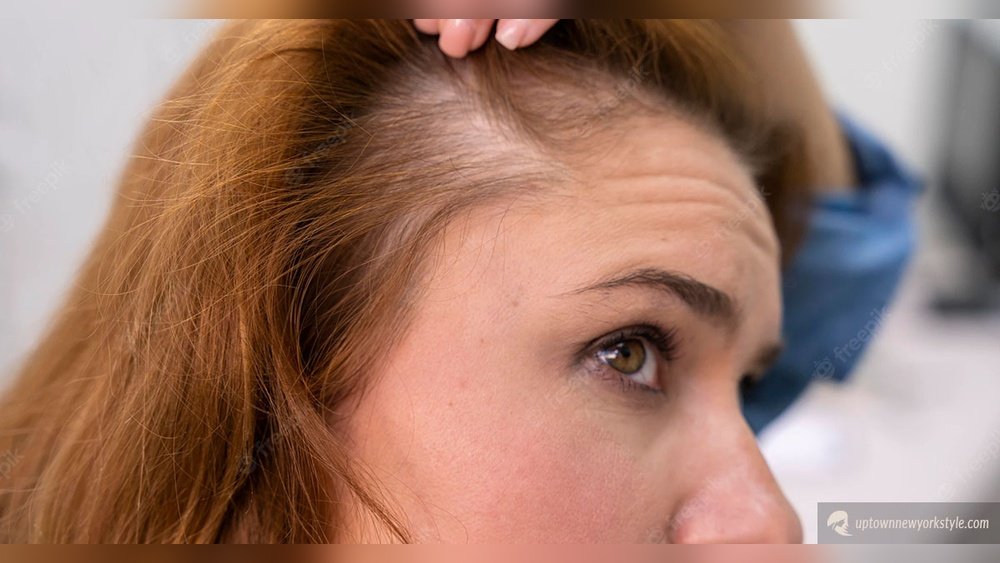
Are you worried that your favorite hair color might be secretly causing your hair to thin or fall out? You’re not alone.
Many people wonder if the chemicals in hair dye are harming their hair more than helping it look vibrant. The truth is, while hair dye can change your look, it can also impact the health of your hair in ways you might not expect.
Could your hair dye be the reason behind your hair loss? Keep reading to uncover the surprising facts about how hair dye affects your scalp and strands—and learn what you can do to keep your hair strong and beautiful.

Credit: dhimexico.com
Hair Dye And Hair Loss
Hair dye can affect hair health and cause hair loss in some cases. Chemicals in dyes may weaken hair strands, causing breakage. Some people also experience scalp irritation or allergic reactions. These reactions can lead to temporary hair shedding.
Understanding how hair dye impacts hair helps in making safer choices. Using gentle products and limiting dye use reduces risks. Proper hair care supports strong, healthy hair even with coloring.
Hair Breakage From Dye Chemicals
Many hair dyes contain ammonia, peroxide, and bleach. These chemicals damage the protein structure in hair strands. Hair becomes dry, brittle, and breaks easily. Breakage often happens during brushing or heat styling. This damage creates the illusion of hair loss.
Some dyes have ingredients like PPD that cause allergies. Allergic reactions lead to redness, itching, and burning on the scalp. The inflammation can harm hair follicles temporarily. This damage results in hair shedding from the root. The hair loss is usually not permanent.
Risks Of Over-processing Hair
Frequent dyeing, especially with bleach, weakens hair greatly. Over-processing makes hair fragile and prone to breakage. The scalp also becomes sensitive and irritated. Limiting dye sessions helps protect hair strength. Gentle care restores hair health after coloring.
Hair Breakage From Chemicals
Hair dye contains strong chemicals that can weaken hair strands. These chemicals change the hair’s natural structure. This makes hair dry and fragile. Fragile hair breaks easily and looks thinner.
Breakage happens when chemicals like ammonia and peroxide damage the protein in hair. This damage makes hair lose strength. Hair breaks off instead of falling out from the root. It may seem like hair loss but is actually breakage.
Chemicals That Cause Hair Breakage
Ammonia opens the hair cuticle to let dye in. This can dry out hair and make it brittle. Peroxide bleaches the hair and removes natural color. Bleach is the strongest and most harmful chemical in hair dye. It weakens hair and causes breakage.
How Breakage Differs From Hair Loss
Hair breakage means strands snap along the shaft. Hair loss means strands fall from the root. Breakage makes hair look thin and uneven. Hair loss reduces the number of hair strands on the scalp.
Preventing Hair Breakage
Use hair dyes without ammonia or with lower peroxide levels. Choose gentle formulas designed for damaged hair. Avoid coloring hair too often. Wait longer between dye sessions to let hair recover. Use deep conditioners to restore moisture and strength.
Allergic Reactions And Scalp Inflammation
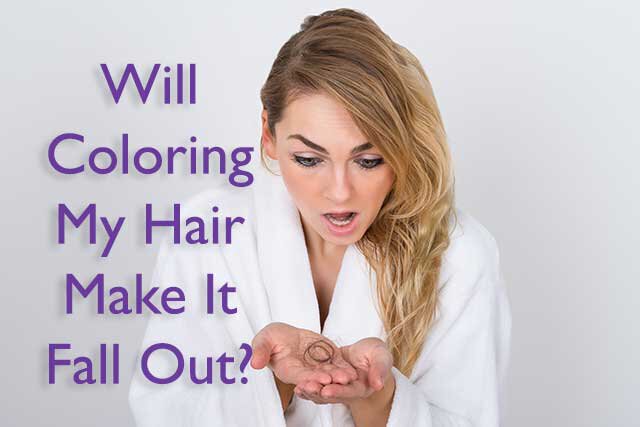
Allergic reactions and scalp inflammation are common concerns linked to hair dye use. Some people develop sensitivities to certain chemicals in dyes. These reactions can cause discomfort and affect hair health. Understanding these effects helps protect the scalp and hair.
What Causes Allergic Reactions From Hair Dye?
Certain ingredients in hair dyes trigger allergies. Para-phenylenediamine (PPD) is a frequent allergen. It causes redness, itching, and swelling on the scalp. Other chemicals like ammonia and peroxide also irritate sensitive skin. Allergic reactions vary from mild to severe.
How Does Scalp Inflammation Affect Hair?
Inflammation damages hair follicles temporarily. It creates a hostile environment for hair growth. Inflamed skin may feel sore and tight. This can lead to hair shedding or thinning. The scalp needs to heal before hair regrows normally.
Signs Of Contact Dermatitis On The Scalp
Contact dermatitis appears as red, itchy patches. Blisters or dry scales may develop. Burning or stinging sensations are common. These signs show the scalp is irritated by dye. Prompt treatment reduces damage and supports recovery.
Preventing Allergic Reactions And Inflammation
Patch testing before dyeing identifies allergies early. Using mild, hypoallergenic products lowers risk. Avoiding frequent or harsh chemical treatments helps. Moisturizing the scalp keeps skin healthy and less reactive. Professional advice ensures safer dye application.
Credit: www.totaldermatology.com
Impact Of Over-processing
Over-processing harms hair strength and health. It happens when hair undergoes multiple chemical treatments in a short time. These chemicals strip natural oils and proteins, leaving hair weak and fragile. Excessive use of bleach, permanent dyes, or heat tools worsens damage.
Hair becomes dry, brittle, and prone to breakage. The scalp may also suffer irritation, which affects hair growth. Over-processed hair looks dull and feels rough. Continuous damage can lead to hair thinning and loss.
What Is Over-processing?
Over-processing means exposing hair to too many chemical treatments. This includes frequent dyeing, bleaching, or using strong relaxers. Each treatment removes natural moisture and weakens hair fibers.
How Over-processing Causes Hair Loss
Repeated chemical exposure breaks down hair proteins. Hair strands snap easily, causing breakage. The scalp may become irritated, triggering inflammation. Inflamed follicles can stop producing hair temporarily. This cycle leads to noticeable hair thinning.
Signs Of Over-processed Hair
Look for dry, rough texture and split ends. Hair feels fragile and breaks during brushing. Color fades quickly or looks uneven. The scalp may itch or appear red and flaky.
Preventing Damage From Over-processing
Limit chemical treatments to allow hair recovery. Use gentle, nourishing products designed for colored hair. Avoid heat styling tools or use heat protectants. Give scalp care attention with soothing treatments.
Reducing Damage Risks
Reducing damage risks helps keep hair healthy after dyeing. Hair dye can weaken strands and irritate the scalp. Taking steps to protect your hair lowers chances of hair loss and breakage. Simple habits make a big difference in hair strength and scalp comfort.
Spacing Out Coloring Sessions
Allow time between dye sessions for hair to recover. Frequent coloring weakens hair and dries the scalp. Waiting at least 6 to 8 weeks reduces chemical stress. This break helps hair rebuild natural oils and protein. Less frequent dyeing means less damage and stronger hair.
Choosing Gentle Products
Select hair dyes with mild formulas and fewer harsh chemicals. Look for ammonia-free or low-peroxide options. Natural or plant-based dyes can be gentler on hair and scalp. Gentle products lower irritation and reduce the chance of breakage. Healthy hair holds color better and feels softer.
Avoiding Heat And Rough Handling
Heat styling adds extra stress to dyed hair. Hot tools cause dryness and split ends. Use cool or low heat settings if styling is necessary. Handle hair gently when brushing or towel drying. Avoid tight hairstyles that pull on fragile strands. Soft care protects hair from breaking after dyeing.
Performing Patch Tests
Test hair dye on a small skin area before full use. Patch tests reveal allergic reactions early. Redness, itching, or swelling means you should not use the product. This step prevents scalp inflammation and hair loss. Always check for sensitivity to avoid damage.
Signs To See A Specialist
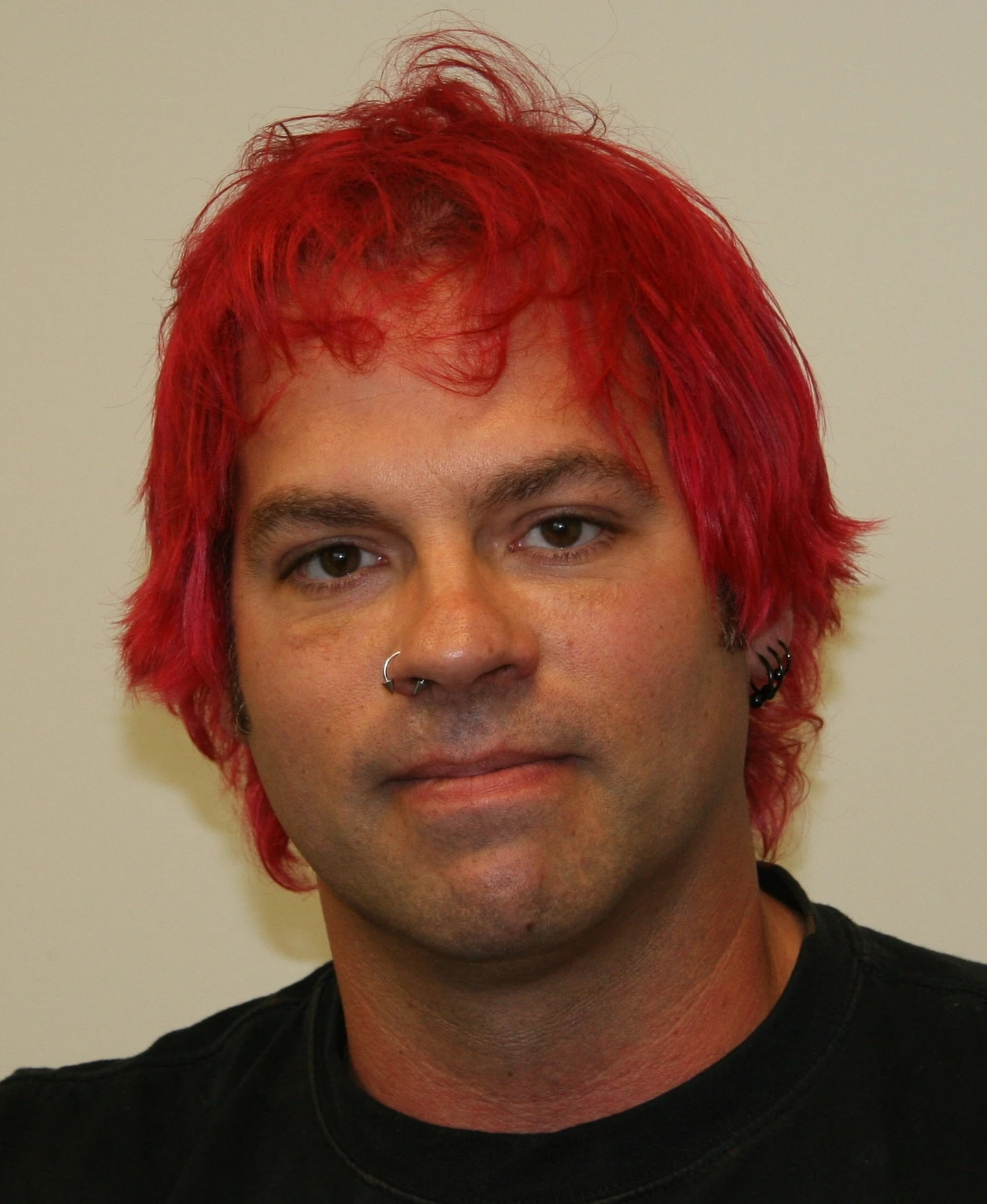
Noticing hair loss after dyeing can be worrying. Some signs show it is time to see a specialist. Early help can protect your hair and scalp health.
Understanding these signs helps catch problems before they get worse. A dermatologist or trichologist can find the exact cause and suggest treatment.
Excessive Shedding Or Bald Patches
Shedding a few strands daily is normal. Losing large clumps or seeing bald spots is not. This can mean the dye caused scalp damage or an allergic reaction.
Seek professional advice quickly if hair falls out in patches or more than usual.
Severe Scalp Irritation
Itching, burning, redness, or swelling after dye use shows irritation. This may be contact dermatitis from harsh chemicals. Persistent irritation can harm hair follicles and cause loss.
A specialist can prescribe treatments to calm inflammation and protect hair growth.
Hair Breakage And Thinning
Hair that snaps easily or feels brittle means damage to the strands. Over-processing with dye weakens hair structure. Thinning areas or shorter broken hairs need expert care.
Experts can recommend products and routines to strengthen your hair and reduce breakage.
Allergic Reaction Symptoms
Some people react badly to dye ingredients like PPD. Symptoms include rash, swelling, or blistering on the scalp or face. This requires immediate medical attention to avoid lasting damage.
Testing for allergies before future dyeing helps prevent reactions.
Credit: www.hairdr.com
Frequently Asked Questions
Can Hair Dye Make Your Hair Fall Out?
Yes, hair dye can cause hair fall mainly through breakage from harsh chemicals or allergic scalp reactions. Frequent dyeing and bleach increase risks. Use gentle products, space out treatments, and do patch tests to minimize damage and prevent hair loss.
Can Hair Dye Cause Hair Loss Or Thinning?
Yes, hair dye can cause hair thinning or breakage. Harsh chemicals weaken hair strands, leading to snapping. Allergic reactions may inflame follicles, causing temporary shedding. Over-processing, especially with bleach, increases hair damage and loss risk.
How Do Chemicals In Hair Dye Affect Hair?
Chemicals like ammonia, peroxide, and bleach damage hair protein. This makes hair dry, brittle, and prone to breakage. Repeated exposure weakens hair shafts, causing split ends and hair fall over time.
Is Hair Loss From Dye Permanent?
Hair loss from dye is usually temporary. Shedding caused by scalp irritation or allergic reactions often stops after treatment. Hair generally regrows once the scalp heals and chemical exposure is reduced.
Conclusion
Hair dye can cause hair loss mainly by damaging hair strands. Harsh chemicals make hair weak and break easily. Allergic reactions may also lead to scalp irritation and shedding. Frequent dyeing increases the risk of thinning and breakage. Choosing gentle products and spacing out treatments helps protect hair health.
Taking care of your scalp and hair reduces damage and loss. Remember, safe practices keep your hair strong and vibrant.
As an Amazon Associate, I earn from qualifying purchases.
Lovingshe is a participant in the Amazon Services LLC Associates Program which is an affiliate advertising program designed to provide a means for sites to earn advertising fees by advertising and linking to Amazon.com. Amazon may use cookies to track referrals from our site. Visit Amazon’s privacy policy for details
