


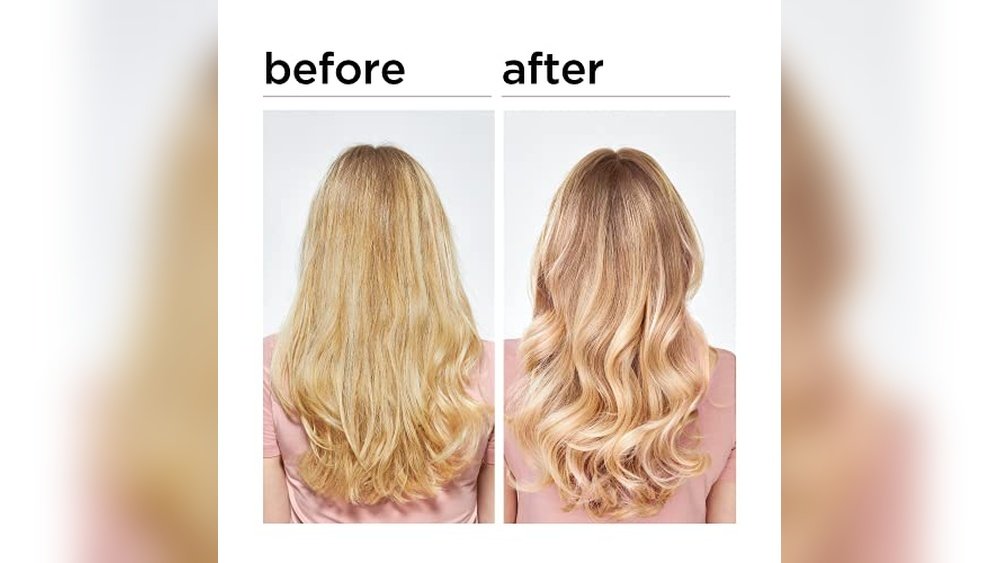
Are you wondering if using toner could be harming your hair? You’re not alone.
Many people love how toner can refresh color and neutralize unwanted tones, but there’s a common worry: can toner actually damage your hair? The truth is, toner itself is usually gentler than bleach or permanent dyes, but how you use it—and the condition of your hair—makes all the difference.
If you want to keep your hair healthy while enjoying that perfect shade, it’s crucial to understand when toner might cause damage, how to spot the warning signs, and what steps you can take to protect your locks. Keep reading to find out exactly how toner interacts with your hair and how to use it safely for stunning, healthy results.
Credit: theradome.com
What Toner Does
Toner is a popular product used to adjust hair color after bleaching or dyeing. It refines tones and neutralizes unwanted shades. Toner adds shine and balances the hair color for a polished look.
This product works by depositing color on the hair’s surface. It slightly opens the hair cuticle to allow color molecules to enter. The effect is usually temporary and fades with washing.
How Toner Changes Hair Color
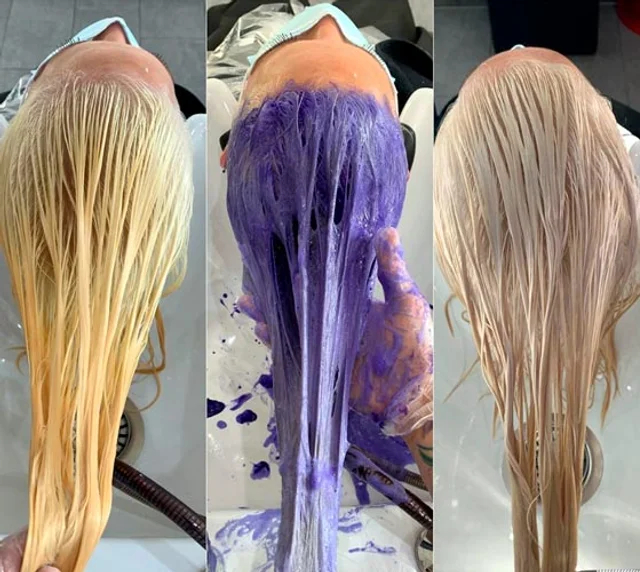
Toner changes the tone of hair by adding subtle hues. It can reduce yellow, brassy, or orange shades. This helps achieve a more natural or desired color result.
The Role Of Developer In Toner
Developer is mixed with toner to activate it. It opens the hair cuticle gently to let color absorb. The strength of the developer affects how much the hair lightens or darkens.
Temporary Vs. Permanent Toners
Temporary toners coat the hair and wash out quickly. Permanent toners penetrate deeper but may contain harsher chemicals. Choosing the right type depends on hair condition and desired result.
Why Toner Does Not Usually Damage Hair
Toner is milder than bleach and less damaging. It works mainly on the surface without stripping natural oils. Proper use keeps hair healthy and vibrant.
When Toner Can Cause Hair Damage
Leaving toner on too long or using it too often can harm hair. Applying toner on dry or already damaged hair increases risk. Harsh formulas with ammonia or strong developers can cause dryness and breakage.

Credit: us.wella.professionalstore.com
When Toner Harms Hair
Toner can improve hair color and tone, but it may also cause harm. Damage happens mainly when toner is misused or hair is weak. Knowing the risks helps protect hair health and beauty.
Understanding when toner harms hair prevents breakage and dryness. It keeps hair shiny and strong after coloring.
Over-processing Risks
Leaving toner on hair too long causes over-processing. It weakens the hair structure and leads to breakage. Frequent toning without breaks also damages hair. Over-processing dries out hair, making it brittle and rough.
Hair Condition Factors
Applying toner on already damaged or dry hair is risky. Hair that is porous or fragile absorbs toner unevenly. It can cause more harm than good. Healthy hair handles toner better and stays strong.
Harsh Toner Formulas
Some toners have strong chemicals like ammonia or high-volume developers. These harsh formulas strip moisture from hair. They weaken hair cuticles and cause scalp irritation. Using gentle, professional toners reduces damage risks.
Signs Of Toner Damage
Toner can subtly affect your hair’s health. Knowing the signs of toner damage helps you act early. This section highlights the key symptoms to watch for after using toner.
Dry And Brittle Strands
Toner may remove moisture from your hair. Strands can feel dry and rough to the touch. Brittle hair breaks easily and lacks softness. This happens when toner opens the hair cuticle too much. Over time, hair loses its natural oils and strength.
Increased Breakage
Hair becomes fragile after toner use. You may notice more strands falling out. Breakage is common if toner is left on too long. Weak hair breaks off during combing or brushing. This can make hair look thinner and unhealthy.
Scalp Irritation
Toner can irritate sensitive scalps. Redness, itching, or burning may occur. This happens if toner touches the scalp or is too harsh. Irritation signals your skin is reacting negatively. Avoid using toner on inflamed or broken skin.
Dull Hair Appearance
Healthy hair shines with natural gloss. Toner damage can make hair look dull and lifeless. The color may fade quickly or appear uneven. Hair texture feels rough and dry to the eye. Lack of shine is a clear sign of damage.
Reducing Toner Damage
Toners can enhance hair color but may cause damage if misused. Reducing toner damage helps keep hair healthy and vibrant. Using the right products and care methods lowers risk of dryness and breakage. Follow simple steps to protect hair after toning.
Choosing Quality Products
Select toners from trusted brands with gentle formulas. Avoid toners containing ammonia or strong chemicals. Products designed for sensitive hair reduce irritation. Lower-volume developers cause less cuticle damage. Investing in quality means less harm and better results.
Strengthening Treatments
Use treatments that rebuild hair strength after toning. Bonding treatments repair damage inside the hair shaft. Deep conditioners add moisture and smooth the cuticle. Regular use improves elasticity and reduces breakage. Strong hair recovers faster from chemical processes.
Assessing Hair Health
Check hair condition before applying toner. Avoid toning dry, brittle, or overly processed hair. Healthy hair absorbs toner better and suffers less damage. Perform a strand test to see how hair reacts. Adjust toning frequency based on hair’s strength.
Using Purple Shampoos
Purple shampoos help maintain toner effects and reduce brassiness. They neutralize yellow or orange tones without harsh chemicals. Using these shampoos protects color and minimizes the need for frequent toning. Gentle cleansing keeps hair hydrated and vibrant longer.
Toner Vs Hair Dye
Toner and hair dye both change hair color but work differently. Toner adjusts the tone after bleaching or coloring. Hair dye adds new color to natural or treated hair. Understanding their differences helps protect hair health and avoid damage.
Toner: What It Does
Toner neutralizes unwanted tones, like brassiness or yellow hues. It opens the hair cuticle slightly to deposit color. Usually, toners have a mild formula and work on lightened hair. The effect lasts a few weeks, fading gradually.
Hair Dye: How It Works
Hair dye changes the hair color fully or partially. It penetrates deeper into the hair shaft. Dyes often contain ammonia and peroxide to lift and deposit color. The result is stronger and lasts longer than toner.
Damage Potential: Toner Vs Hair Dye
Toners are gentler but can cause dryness if overused. Hair dye is harsher and may cause more damage. Repeated dyeing can weaken hair cuticles and cause breakage. Using either improperly risks scalp irritation and hair loss.
When To Use Toner Or Hair Dye
Choose toner to fix color tone after bleaching. Use hair dye to change hair color entirely or cover gray hair. Toner is ideal for subtle color correction. Hair dye suits bold or permanent color changes.
Safe Toner Application Tips
Applying toner safely helps protect hair from damage and keeps it healthy. Toners can enhance color without harsh effects if used correctly. Following simple steps ensures your hair stays strong and looks great after toning.
Choose The Right Toner For Your Hair
Select a toner designed for your hair type and condition. Use gentle formulas without ammonia or strong chemicals. Lower volume developers reduce the risk of drying out your hair. Always pick products from trusted brands or professional lines.
Perform A Strand Test Before Full Application
Test the toner on a small hair section first. This shows how your hair will react and the final color result. Wait the recommended time and check for any signs of damage or irritation. Adjust timing or product choice based on this test.
Follow The Instructions Carefully
Read and stick to the toner’s instructions. Do not leave toner on longer than advised to avoid over-processing. Use recommended amounts of product and developer. Rinse thoroughly to remove all toner residue after application.
Prepare Hair Properly Before Toning
Wash hair with a gentle shampoo but avoid heavy conditioners before toning. Hair should be clean and slightly damp for best toner absorption. Avoid applying toner on dry, brittle, or damaged hair to reduce risk of breakage.
Limit Frequency Of Toner Use
Space out toner applications to give hair time to recover. Overuse can weaken strands and cause dryness. Use toners only when necessary to maintain color tone and shine. Regular conditioning helps maintain hair strength between treatments.
Use Conditioning Treatments After Toning
Apply deep conditioners or bond-building treatments post-toning. These restore moisture and repair minor damage. Leave-in conditioners or oils can also protect hair from dryness. Healthy hair responds better to toner and holds color longer.
Credit: wimpoleclinic.com
Frequently Asked Questions
Do Hair Toners Damage Hair?
Hair toners usually do not damage hair if applied properly on healthy strands. Overuse or applying on damaged hair can cause dryness and breakage. Choose gentle formulas, avoid frequent applications, and maintain hair health to minimize risks.
How Can I Tone My Hair Without Damaging It?
Use a gentle, professional toner with low-volume developer. Deep condition before and after toning. Avoid frequent applications. Test hair health first. Opt for purple shampoos for mild toning. This protects hair from dryness, breakage, and scalp irritation while achieving desired color results.
Is Toner Healthier Than Hair Dye?
Toner is generally gentler than hair dye and causes less damage. It only deposits color without strong chemicals. Overuse or applying on damaged hair can still harm strands. Choose quality toners and avoid frequent use to keep hair healthy and minimize damage risks.
Are Toners Safe For Your Hair?
Toners are generally safe when used properly on healthy hair. Overuse or applying on damaged hair may cause dryness and breakage. Choose gentle formulas, follow instructions, and condition well to minimize risks and maintain hair health.
Conclusion
Toners usually do not harm healthy hair if used carefully. Overuse or harsh products can cause dryness and breakage. Always check your hair’s condition before applying toner. Use gentle formulas and deep conditioners to keep hair strong. Small steps protect your hair while enjoying the color you want.
Choose wisely and care for your hair to avoid damage.
As an Amazon Associate, I earn from qualifying purchases.
Lovingshe is a participant in the Amazon Services LLC Associates Program which is an affiliate advertising program designed to provide a means for sites to earn advertising fees by advertising and linking to Amazon.com. Amazon may use cookies to track referrals from our site. Visit Amazon’s privacy policy for details
