


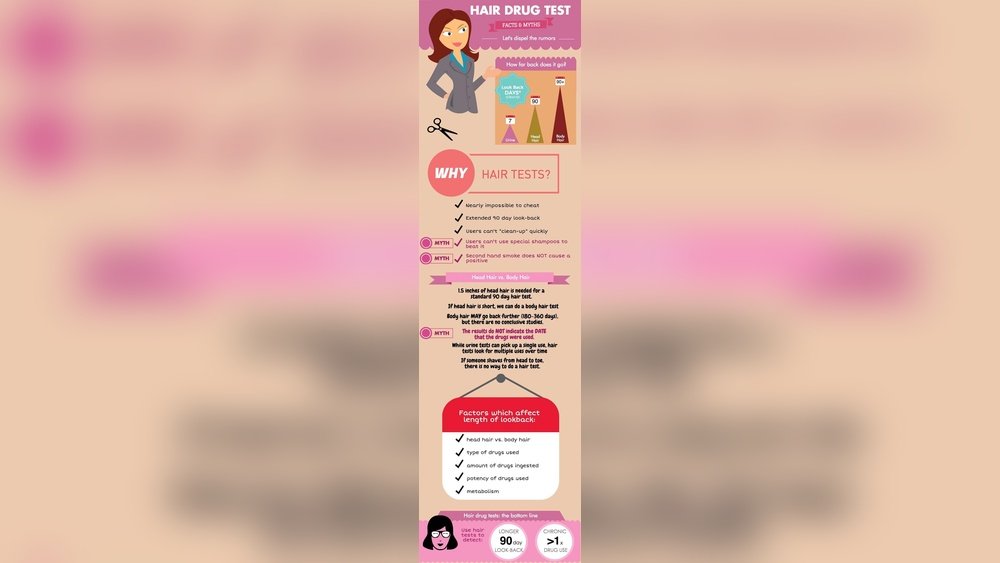
Wondering how far back a drug hair test can detect substance use? You’re not alone.
If you have an upcoming test or just want to understand how these tests work, knowing the detection window is key. Hair drug tests don’t just look at recent use—they can reveal drug use from weeks or even months ago.
But how long exactly? And what factors might change the results? Keep reading to uncover the timeline, what affects the accuracy, and how you can best prepare yourself. This knowledge can help you face hair drug testing with confidence and clear expectations.
Detection Window For Hair Tests
Hair drug tests have a unique detection window compared to other testing methods. They can reveal drug use over a longer period. This is because drugs enter the hair follicle from the bloodstream and become trapped in the hair shaft. Understanding this window helps clarify how far back a hair test can detect substance use.
Typical Time Frame
Hair tests typically detect drug use within the past 90 days. Hair grows about half an inch per month. Usually, labs test the first 1.5 inches of hair from the scalp. This length reflects roughly three months of drug history. Some tests may detect use up to 180 days, depending on hair length.
Factors Influencing Detection Period
Several factors affect how long drugs remain detectable in hair. Hair growth rate varies between individuals. Darker hair may bind more drug molecules due to higher melanin levels. Chemical treatments like bleaching can reduce drug presence. External contamination or hair products might also affect results. The type and amount of drug used influence detection time.
Comparison To Other Drug Tests
Hair tests detect drug use over a much longer period than urine or blood tests. Urine tests detect recent use, usually within days to weeks. Blood tests detect use within hours to days. Saliva tests detect very recent use, often within 24-48 hours. Hair tests provide a broader view of past drug use rather than immediate consumption.
How Drugs Incorporate Into Hair
Drugs enter the hair through the bloodstream after consumption. As hair grows, it absorbs drug metabolites, which remain trapped inside the hair shaft. This process allows hair tests to detect drug use over weeks or even months. Understanding how drugs incorporate into hair helps explain the detection period of hair drug tests.
Drug Metabolite Binding
Drug metabolites bind to the hair’s protein structure called keratin. Blood vessels near hair follicles deliver these metabolites during hair formation. Once inside the hair, metabolites stay fixed and do not wash away easily. This strong binding makes hair testing reliable for long-term drug detection.
Role Of Hair Growth Cycle
Hair grows in cycles: anagen (growth), catagen (transition), and telogen (resting). Drugs incorporate mainly during the anagen phase when hair cells divide rapidly. Since scalp hair grows about half an inch per month, tests can check drug use from the past 90 days. Older hair further from the scalp shows earlier drug use.
Impact Of Hair Color And Type
Hair color affects drug retention due to melanin, the pigment in hair. Darker hair contains more melanin, which binds certain drugs more strongly than lighter hair. Hair texture also plays a role; coarse or curly hair may absorb and hold drugs differently than straight hair. These factors influence test accuracy and drug concentration levels.
Common Substances Detected
Hair drug tests detect drug use over a long period. They analyze hair strands for drug traces. Different substances show up in hair samples for varying lengths of time. Understanding which drugs are commonly detected helps explain how far back tests can go. Hair testing catches use from weeks to months before the test.
Hair grows about half an inch per month. Labs usually test 1.5 inches of hair, revealing drug use from the past 90 days. The test detects drug metabolites, which deposit into the hair from the bloodstream. Common drugs have distinct detection windows and characteristics in hair analysis.
Marijuana
Marijuana is one of the most frequently tested drugs in hair analysis. Its active compound, THC, breaks down into metabolites stored in hair. These metabolites can be detected for up to 90 days after use. Daily users are more likely to test positive than occasional users. Light or single use may not always show up in a hair test.
Opioids And Cocaine
Opioids like heroin, morphine, and codeine leave traces in hair for months. Cocaine and its metabolites also bind well to hair strands. Both drug types have a similar detection window of around three months. These drugs tend to show clear results, especially with frequent use. Hair color can affect how much drug is absorbed, with darker hair binding more.
Other Drugs
Hair tests can detect many other substances. Amphetamines, methamphetamine, PCP, and MDMA are common examples. Each drug has its own detection timeline but generally falls within the 90-day window. Some prescription drugs and benzodiazepines may also be identified. Testing accuracy depends on drug dose, frequency, and hair treatment.
Credit: www.health-street.net
Factors Affecting Test Accuracy
Several factors affect the accuracy of a drug hair test. These factors can change how drugs show up in hair samples. Understanding these helps explain why test results may vary. Some elements can cause false positives or false negatives. Others might reduce the test’s ability to detect drugs. Below are key factors that impact test accuracy.
Hair Treatments And Chemicals
Hair treatments like bleaching and dyeing can alter drug levels in hair. Harsh chemicals may damage the hair shaft. This damage can wash away drug metabolites. As a result, test results might show lower drug amounts. Some hair products also affect how drugs bind to hair. These changes can cause false negatives or inconsistent results.
Medications And Supplements
Certain medications can interfere with hair drug testing. Common drugs like ibuprofen or decongestants may cause false positives. Some diet pills and antidepressants may also affect results. These substances sometimes contain chemicals similar to drug metabolites. Labs try to account for this, but errors can still occur. Always inform the tester about any medications taken.
Environmental Exposure
Exposure to drug smoke or chemical contaminants can affect test outcomes. Secondhand marijuana or cocaine smoke may lead to false positives. Contact with substances like paint thinner can also interfere. Testing labs wash hair samples to remove external contaminants. Despite this, some environmental factors may still impact accuracy.
Hair Color Influence
Hair color plays a role in drug test sensitivity. Darker hair has more melanin, which binds drugs more strongly. This can lead to higher drug concentrations in darker hair. Lighter hair may show lower drug levels even with similar use. This difference can cause variability in test results between individuals.
Causes Of False Positives
False positives in drug hair tests can cause serious confusion and stress. Understanding what triggers these errors helps avoid wrongful accusations. Drug residues may appear in hair due to factors other than actual drug use. Labs try to remove external contamination, but some causes still affect results.
Secondhand Smoke And Contaminants
Exposure to secondhand smoke can leave traces in hair samples. Sitting near someone smoking marijuana or cocaine may cause drugs to stick to hair strands. Environmental contaminants like paint thinner or industrial chemicals can also show up in tests. Although labs wash hair before testing, strong contamination can still cause false positives.
Certain Medications
Some common medicines may interfere with hair drug tests. Ibuprofen, decongestants like pseudoephedrine, and some diet pills can trigger false readings. Antidepressants may also affect test results. These substances do not mean drug abuse but can mimic drug metabolites in the analysis.
Hair Products And Dyes
Hair dyes and styling products sometimes contain chemicals that affect test outcomes. Some dyes may alter how drugs bind to hair, changing the test results. Frequent use of harsh chemical treatments can either hide or falsely show drug use. Testing labs consider these factors but mistakes can still happen.
Credit: www.fastestlabs.com
Causes Of False Negatives
Drug hair tests are generally reliable for detecting drug use over several months. Yet, false negatives can occur. These happen when the test fails to find drug traces despite recent use. Understanding common causes helps explain why results might be inaccurate. Several factors affect the test’s ability to detect drugs in hair samples.
Bleaching And Chemical Damage
Strong bleaching or chemical treatments damage the hair structure. These harsh processes can wash out or break down drug molecules. The damaged hair may not hold drug residues well. This damage can cause the test to miss drug presence. Frequent dyeing or bleaching raises the chance of false negatives.
Shaving And Hair Removal
Shaving all scalp hair removes the sample needed for testing. Without hair, labs cannot perform the test properly. Some people shave body hair too, but this can also affect results. Lack of hair often leads to suspicion and alternative tests. Hair removal is a common tactic but not foolproof.
Limitations In Detecting Light Use
Hair tests detect regular or heavy drug use better than occasional use. Light or one-time drug use may leave too little residue. The test’s sensitivity might not pick up small amounts in hair strands. Occasional users risk false negatives due to low drug levels. Hair tests are less reliable for detecting minimal drug exposure.
Common Myths And Ineffective Methods
Many people believe there are easy ways to beat a drug hair test. Myths about quick fixes spread fast. These ideas often lead to wasted time and money. Understanding what does not work helps avoid false hopes. Below are common myths and ineffective methods often discussed.
Normal Washing And Shampooing
Regular washing and shampooing do not remove drug traces from hair. Drug metabolites are stored inside the hair shaft. Surface cleaning cannot reach deep inside. Hair grows about half an inch per month, locking in drug history. Normal shampoos only clean the surface oils and dirt. They do not affect drug deposits inside the hair.
Detox Shampoos And Home Remedies
Many detox shampoos claim to flush out drugs from hair. Scientific evidence does not support these claims. Some products might reduce surface residues but fail to clear internal metabolites. Home remedies like baking soda, vinegar, or lemon juice also lack proof. Harsh chemicals can damage hair but do not guarantee passing tests. Labs use washing procedures to remove external contamination anyway.
Shaving To Avoid Testing
Shaving all hair to avoid testing is a common myth. No hair means no sample, but it often raises suspicion. Testers may request body hair or alternative tests instead. Shaving can delay testing but rarely helps pass. It may lead to more invasive or frequent testing. Drug labs expect hair samples and have backup plans if hair is missing.

Credit: www.arcpointlabs.com
Preparing For A Hair Drug Test
Preparing for a hair drug test requires careful steps to ensure accurate results. Understanding what to expect helps reduce stress and avoid mistakes. Proper preparation also improves your chance to pass the test without issues.
Informing Medical Review Officers
Tell the Medical Review Officer about any prescription medicines you take. Some drugs can show up on the test but are legal and prescribed. Being honest helps avoid misunderstandings or false positives. Provide names and dosages of all medications clearly. This information allows the officer to review your test results fairly.
Avoiding Extreme Hair Treatments
Harsh hair treatments can affect test results. Avoid bleaching, perming, or heavy dyeing before the test. These treatments may damage hair and remove drug traces. Washing hair often will not remove drug metabolites. Gentle hair care helps keep test results accurate. Do not shave all your hair to avoid suspicion.
Honesty And Compliance
Answer all questions honestly during the testing process. Follow the instructions given by the testing staff carefully. Non-compliance or dishonesty can lead to test failure or retesting. Being truthful and cooperative helps the process run smoothly. Your honesty is important for fair evaluation.
Interpreting Hair Test Results
Interpreting hair test results requires careful attention. Hair tests reveal drug use over several months. The results show traces of drug metabolites locked in hair strands. Understanding these results helps assess the timing and extent of drug use. Several factors influence test accuracy and result meaning. It is important to know how labs process samples and what may affect findings.
Understanding Positive Findings
A positive result means drug metabolites were found in the hair. This suggests drug use occurred during the past 90 days. Hair grows about half an inch per month, capturing drug use in segments. The concentration of drugs can indicate frequency of use. Heavy or frequent use leads to higher drug levels in hair. Light or one-time use may not always show clearly. Positive results reflect past use, not current intoxication.
Considering False Results
False positives can happen due to external contamination or certain medicines. Secondhand smoke or environmental exposure may leave traces on hair. Some over-the-counter drugs, like ibuprofen, might interfere with results. Hair treatments like dyeing or bleaching can alter drug levels. Darker hair tends to bind more drugs, affecting test sensitivity. False negatives occur if hair is shaved or severely damaged. Extreme bleaching can wash out drug traces from hair.
Role Of Lab Procedures
Laboratories follow strict steps to ensure accurate results. Hair samples undergo washing to remove external contamination. Testing focuses on drug metabolites inside the hair shaft. Labs use sensitive instruments to detect low drug levels. Proper sample collection and handling prevent errors. Chain of custody procedures track the sample from collection to result. Lab quality control reduces the chance of incorrect outcomes.
Frequently Asked Questions
Can You Pass A Hair Test In 2 Months?
Passing a hair drug test in 2 months depends on usage frequency and hair treatments. Hair retains drug traces up to 90 days. Heavy users have higher detection chances. Bleaching or shaving might reduce detection but raises suspicion. Honesty and informing the lab about medications help ensure accurate results.
What Can Mess Up A Hair Drug Test?
Heavy bleaching, dyeing, medications like ibuprofen, environmental exposure, darker hair color, and shaving can affect hair drug test results.
How Long Does A Drug Test Stay In Your Hair?
A hair drug test can detect drug use up to 90 days. Daily or heavy use shows clearer results than occasional use. Hair treatments like bleaching may reduce detection accuracy.
How Long Does It Take For Your Hair To Be Clean From Drugs?
Drugs remain detectable in hair for up to 90 days. Hair tests reveal drug use over three months. Bleaching or dyeing may affect results.
Conclusion
A hair drug test can detect drug use up to three months back. It works best for frequent users, not occasional ones. Certain hair treatments and medications may affect test results. Shaving or damaging hair can lead to false negatives.
External contamination might cause false positives. Always share medication details with the tester before testing. Avoid harsh chemicals or bleaching before the test. Understanding these factors helps you prepare and reduce surprises. Hair tests offer a longer detection window than urine or blood tests.
This knowledge supports smarter choices around drug testing situations.
As an Amazon Associate, I earn from qualifying purchases.
Lovingshe is a participant in the Amazon Services LLC Associates Program which is an affiliate advertising program designed to provide a means for sites to earn advertising fees by advertising and linking to Amazon.com. Amazon may use cookies to track referrals from our site. Visit Amazon’s privacy policy for details
