


Are you wondering exactly how long you should leave hair dye in to get the perfect color without damaging your hair? It’s a common question that can make a big difference between a stunning new look and unwanted hair problems.
Leaving dye on for too short a time might mean dull or uneven color, while leaving it on too long can cause dryness, breakage, or even an odd shade you didn’t expect. In this guide, you’ll learn the right timing for both permanent and semi-permanent dyes, what happens when you leave dye in too long, and how to fix any mishaps.
Keep reading to discover the secrets to vibrant, healthy hair color every time you dye!

Credit: www.reddit.com
Timing For Hair Dye
Timing is key when using hair dye. Each type needs a specific amount of time to work best. Leaving dye on too short may cause uneven color. Leaving it too long can harm your hair and scalp. Understanding how long to keep dye in ensures better results and healthier hair.
Permanent Dye Duration
Permanent hair dye usually needs 30 to 45 minutes to develop. This time lets the chemicals open the hair cuticle and deposit color deep inside. Leaving it longer than recommended can damage your hair. It may cause dryness, breakage, and uneven or brassy tones. Always follow the instructions on the box or from your stylist.
Semi-permanent Dye Duration
Semi-permanent dye coats the hair shaft without strong chemicals. It usually takes 15 to 30 minutes to achieve good color. Leaving it longer will not damage hair like permanent dye but can cause dryness. Semi-permanent dye fades faster, so timing helps get the best shade without extra harm.
Demi-permanent Dye Duration
Demi-permanent dye sits between permanent and semi-permanent types. It needs about 20 to 40 minutes to work. This dye gently penetrates the hair and lasts longer than semi-permanent. Over-processing can still dry out hair or cause uneven color. Following timing guidelines is important for healthy, vibrant results.
Effects Of Leaving Dye Too Long
Leaving hair dye on longer than recommended often leads to unwanted results. The chemicals in hair dye continue to affect your hair and scalp beyond the suggested time. This can cause damage that might take weeks to repair. Understanding the effects helps you avoid these problems.
Permanent Dye Damage
Permanent dye contains strong chemicals like ammonia and peroxide. They open the hair cuticle to deposit color. Leaving the dye too long makes these chemicals break down natural proteins in your hair. This causes dryness and brittleness. Hair becomes prone to breakage and split ends. Color may turn uneven, too dark, or brassy. The scalp can become irritated or even develop burns.
Semi-permanent Dye Impact
Semi-permanent dye coats the hair without harsh chemicals. It usually does not cause heavy damage or over-processing. Still, leaving it on too long can dry out hair and scalp. The dryness is less severe than with permanent dye. Prolonged exposure may make your hair feel rough or dull. It is important to rinse it out on time to keep hair healthy.
Scalp Irritation Risks
Hair dye contains ingredients that may irritate the scalp. Leaving dye on too long increases this risk. The scalp can feel itchy, sore, or inflamed. Some people develop redness or small burns. Severe irritation might cause hair loss or infection. Always follow the timing instructions to protect your scalp health.
Signs Of Over-processing
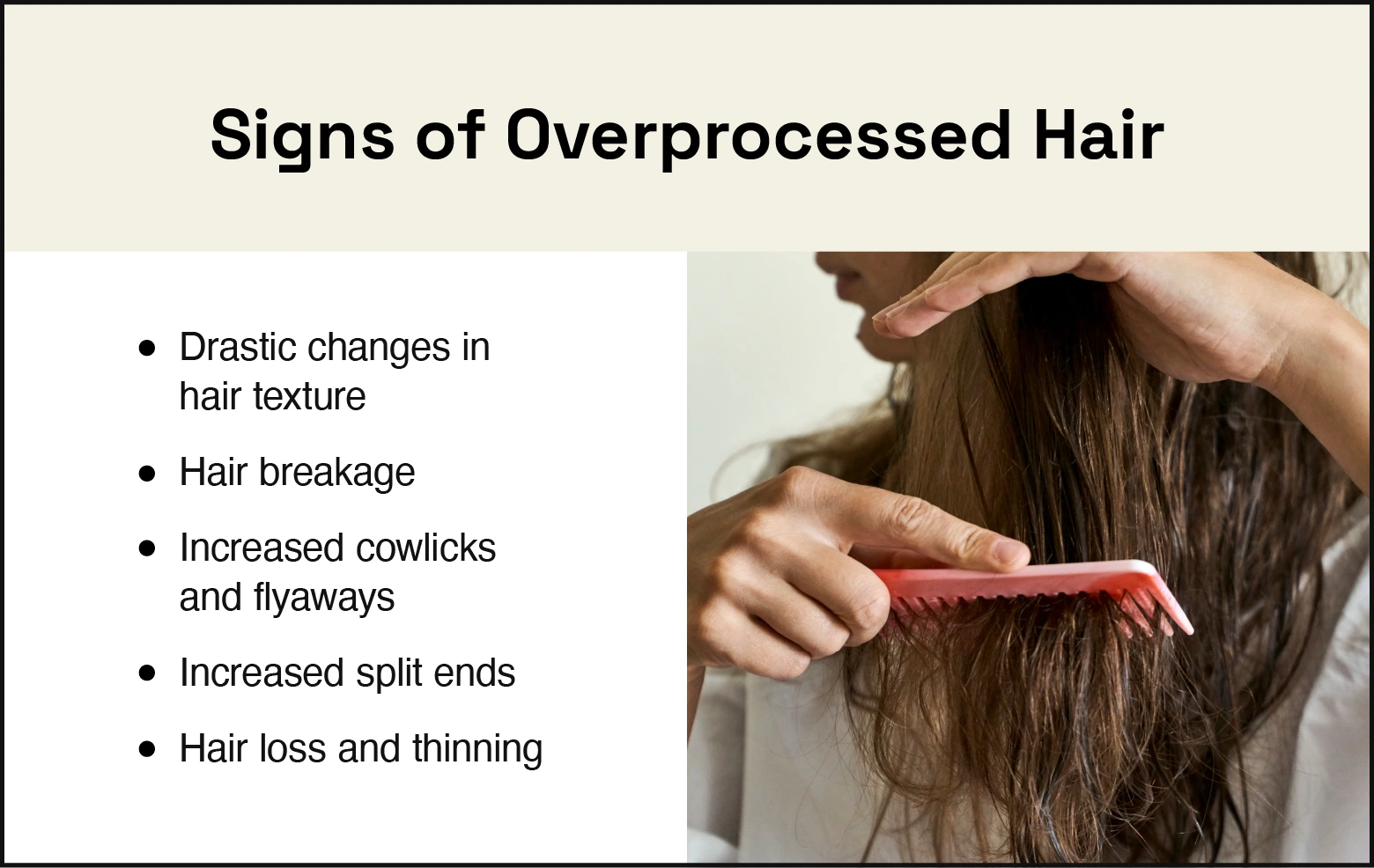
Over-processing hair dye happens when the dye stays on your hair too long. This causes damage beyond just color changes. It weakens the hair and changes its texture. Recognizing the signs early helps prevent lasting harm.
Hair that has been over-processed needs extra care to restore its health and shine. Watch for these common signs that show your hair dye has stayed on too long.
Dryness And Breakage
Hair becomes dry because the dye strips natural oils. This leaves hair brittle and weak. Breakage happens easily, especially at the ends. Over-processed hair feels rough and looks dull. It loses its natural shine and softness quickly.
Uneven And Brassy Colors
Leaving hair dye on too long can cause color problems. The dye can turn uneven, with darker spots and patches. Brassy tones like orange or yellow appear, especially on light hair. These unwanted colors make your hair look unhealthy and faded.
Frizz And Texture Changes
Over-processed hair loses smoothness and becomes frizzy. The hair cuticle is damaged, causing strands to feel rough. Texture changes make hair harder to manage. It may look puffy or dry, even after washing and conditioning.
Adjusting Dye Time For Desired Shade
Adjusting the time you leave hair dye in plays a key role in achieving the perfect shade. The longer the dye stays, the deeper and darker the color becomes. Shorter times produce lighter tones. Knowing how to adjust the timing helps avoid unwanted results.
Different hair types and dye formulas respond uniquely. Monitoring the process ensures the color develops just right. Timing also protects hair health by preventing over-processing.
Shorter Time For Lighter Color
Leaving hair dye on for less time creates a softer color. This works well for highlights or subtle changes. Start checking color development a few minutes early. You can always add more time if needed. Avoid rushing the rinse to prevent patchy results.
Lighter shades are gentler on hair. They reduce the risk of dryness or damage. Adjust timing based on your hair’s natural color and condition. Experiment carefully to find your ideal timing.
Following Manufacturer Instructions
Manufacturers design their products with specific timing for best results. Always read and follow the instructions on the box. These guidelines consider the dye’s chemical strength and purpose.
Ignoring instructions can lead to uneven color or hair damage. Some dyes require precise timing to avoid scalp irritation. Timing also affects how long the color lasts on your hair.
Use a timer to track dye time accurately. Rinse immediately once the time is up. This step stops the chemical process and preserves your hair’s health.
Fixing Hair Dye Mistakes
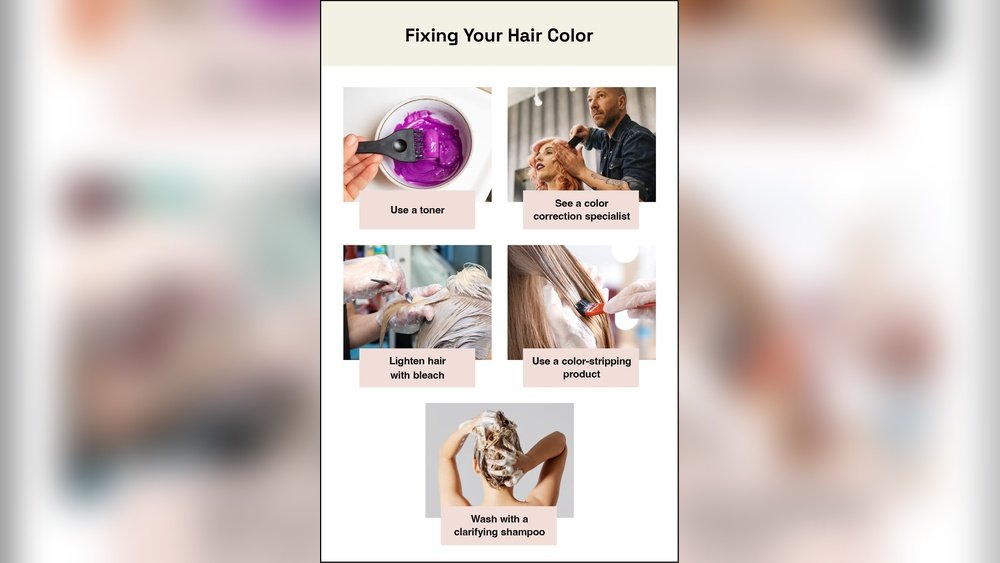
Fixing hair dye mistakes requires quick and careful steps. Over-processing or leaving dye too long can damage hair and ruin the color. Act fast to reduce harm and restore hair’s health. Use gentle methods and avoid harsh treatments to help your hair recover.
Rinsing Techniques
Rinse hair with lukewarm water until the water runs clear. Use a clarifying shampoo to remove extra dye and buildup. Avoid hot water, which can open hair cuticles and cause more damage. Rinse thoroughly but gently to protect hair strands.
Avoiding Heat And Harsh Products
Skip heat styling tools like straighteners and curling irons for a while. Avoid bleaching or using strong hair sprays that can dry out hair. Choose mild shampoos and conditioners to support healing. Let your hair rest and recover naturally from the dye process.
Moisturizing Treatments
Apply deep conditioning masks to restore moisture and softness. Use products with natural oils like argan or coconut oil to repair damage. Regular moisturizing treatments reduce frizz and breakage. Keep hair hydrated to improve strength and shine after dye mistakes.

Credit: smart.dhgate.com
Key Factors Influencing Processing Time
Several factors affect how long hair dye needs to stay on your hair. Knowing these helps you avoid damage and get the best color results. Processing time varies with hair type, the dye used, and how you apply it.
Hair Type And Condition
Thick or coarse hair may need more time for color to develop fully. Fine or damaged hair often processes faster and is more sensitive to chemicals. Healthy hair absorbs dye evenly, while dry or porous hair might take color quickly but can over-process. Adjust timing based on your hair’s strength and texture to protect it.
Product Formulation
Permanent dyes contain chemicals that open the hair cuticle and change its structure. These usually require 30 to 45 minutes to work safely. Semi-permanent dyes coat the hair and need less time, often 15 to 30 minutes. Different brands and formulas have specific instructions. Always check the label for recommended timing to avoid damage.
Application Method
Applying dye to dry hair can extend processing time since the product works on unmoisturized strands. Wet hair may dilute dye, changing how long it takes to set. Full-head applications usually need more time than root touch-ups. Using heat can speed up processing but increases risk of damage. Follow guidelines to balance time and results.
Credit: www.styleseat.com
Frequently Asked Questions
How Long Should I Leave Live Hair Dye On For?
Leave live hair dye on for 30 to 45 minutes as directed on the packaging. Do not exceed 60 minutes. Over-processing damages hair and causes uneven color. Rinse thoroughly after the recommended time to protect hair health and achieve the best color results.
What Happens If You Leave Hair Dye In For Too Long?
Leaving hair dye on too long damages hair, causing dryness, breakage, frizz, scalp irritation, and uneven or brassy color.
Can You Leave Hair Dye In For 20 Minutes?
Yes, you can leave hair dye in for 20 minutes if the instructions allow. Exceeding recommended time risks damage, dryness, and uneven color. Always follow the product’s guidelines for safe, effective results.
How Long Should I Wait To Wash Off Hair Dye?
Wait 30 to 45 minutes before washing off hair dye, following the product instructions precisely. Leaving it longer may damage hair and scalp.
Conclusion
Knowing how long to leave hair dye in is key for best results. Follow the instructions on the box carefully. Leaving dye on too long can harm your hair and scalp. Permanent dye can cause dryness, breakage, and uneven color if over-processed.
Semi-permanent dye is gentler but still may dry out hair if left too long. Always rinse thoroughly to stop the coloring process. Use moisturizing treatments afterward to keep hair healthy. Taking these steps helps you get the color you want without damage.
Simple care makes a big difference for vibrant, strong hair.
As an Amazon Associate, I earn from qualifying purchases.
Lovingshe is a participant in the Amazon Services LLC Associates Program which is an affiliate advertising program designed to provide a means for sites to earn advertising fees by advertising and linking to Amazon.com. Amazon may use cookies to track referrals from our site. Visit Amazon’s privacy policy for details
