


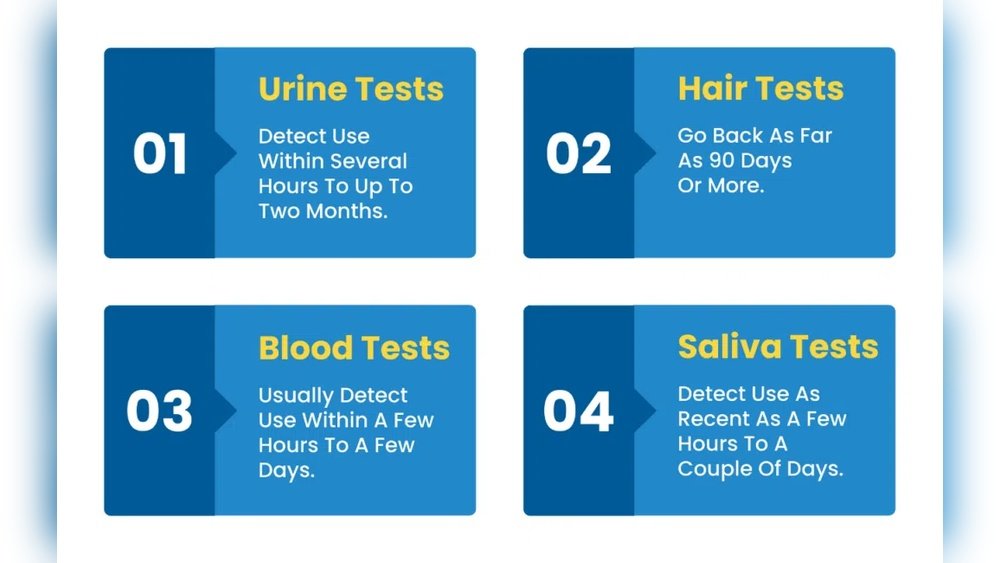
Have you ever wondered how far back a hair drug test can reveal your history? Whether you’re facing a screening for employment, legal reasons, or personal curiosity, understanding the timeline of hair drug testing is crucial.
Unlike urine or blood tests that detect recent use, hair tests can uncover patterns stretching weeks or even months into your past. But exactly how long can these tests look back? You’ll discover how hair testing works, the factors that affect its detection window, and what this means for you.
Keep reading to get the full picture and stay informed about what your hair might be telling others.
Credit: compassionbehavioralhealth.com
Detection Window
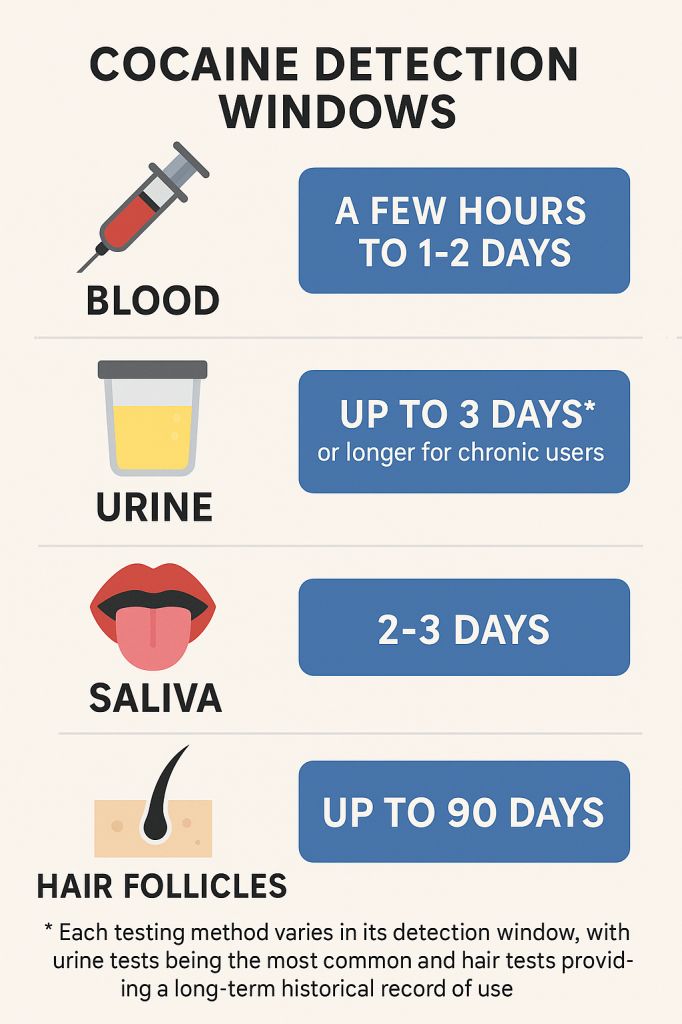
The detection window in hair drug testing shows how far back drug use can be identified. Hair tests reveal drug use patterns over weeks or months. This makes them useful for checking long-term substance use.
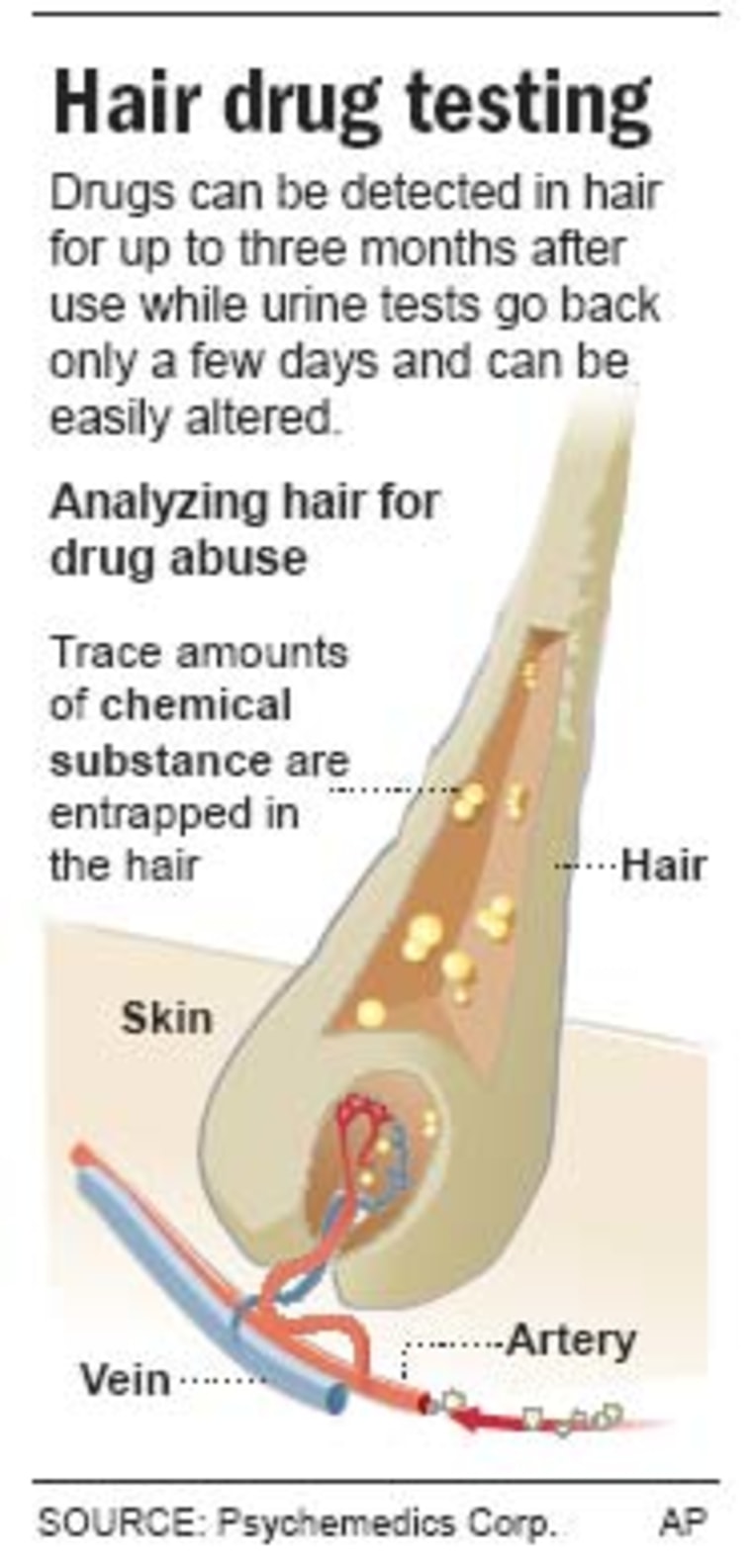
Drugs enter the bloodstream and get trapped in hair as it grows. The length of hair tested affects how far back the test can detect drug use. Understanding this window helps in interpreting test results accurately.
Timeframe For Drug Incorporation
Drugs enter hair follicles through blood supply. It takes about 5 to 7 days for drugs to appear in the hair shaft. Hair grows roughly half an inch per month. This means drug use is recorded in hair after about one week.
Testing a 1.5-inch hair sample can show drug use from the past 90 days. Older hair closer to the scalp shows recent drug use. Hair farther from the scalp shows older use.
Limitations On Recent Use Detection
Hair tests cannot detect drug use in the past few days. Drugs must grow out from the scalp to be detected. This delay means hair testing misses very recent drug use. Other tests like urine or saliva are better for recent use.
External contamination can affect results. Laboratories clean hair samples before testing. This reduces false positives from environmental exposure.
Typical Detection Period
Hair drug tests usually detect use from 1 to 3 months. The detection period depends on hair length tested. Longer hair samples may detect drug use up to 6 months back. Testing beyond 3 months is less common and less reliable.
Different drugs stay in hair for similar timeframes. Hair testing offers a wider detection window than blood or urine tests. This makes it ideal for monitoring long-term drug use patterns.
How Hair Testing Works
Hair testing for drugs is a unique method that reveals drug use over a long period. Unlike urine or blood tests, hair testing shows drug history from weeks or even months ago. Understanding how this test works helps explain its detection window and reliability.
The process starts when drugs enter the bloodstream and reach hair follicles. As hair grows, it carries traces of drugs with it. These traces become part of the hair strand, allowing laboratories to analyze and detect past drug use. The length of the hair sample also affects how far back the test can look.
Drug Entry Into Hair Follicles
After drug use, substances circulate in the blood. Hair follicles absorb these substances during the growth phase. This is the main way drugs enter the hair. Only active hair follicles capture drug molecules. The drugs bind to the hair cells, starting the detection process.
Metabolite Trapping In Hair Shaft
Once inside the hair follicle, drug metabolites become trapped in the hair shaft. Metabolites are byproducts of drugs broken down by the body. They get locked in the hair’s inner structure as it grows. This trapping makes hair a stable record of drug exposure over time.
Hair Growth And Sample Length
Hair grows about half an inch per month. A typical hair drug test uses 1.5 inches of hair. This length shows drug use from roughly 90 days before the test. Longer hair samples can extend this window further. Shorter hair means a shorter detection period.
Factors Influencing Detection Period
The detection period of hair drug testing depends on several key factors. Each factor affects how far back the test can reveal drug use. Understanding these factors helps clarify the test’s reliability and limits.
Hair Source And Type
The source of hair matters in drug detection. Scalp hair is most common due to its steady growth. Body hair grows at different rates and may show drug use over varying times. Hair type, like color and texture, also affects drug absorption. Darker hair can bind some drugs more than lighter hair. These differences influence how long drugs stay detectable.
Segmented Hair Analysis
Segmented analysis breaks hair into small parts. Each segment represents a specific time frame. This method can map drug use month by month. It provides a detailed timeline of drug intake. The accuracy depends on the segment size and hair growth rate. Small segments give better time resolution but require careful lab work.
Sample Length Impact
The length of the hair sample directly affects detection time. Longer hair covers a longer period of drug use. Typically, a 1.5-inch sample shows about 90 days of history. Shorter samples reveal less time. Labs may cut hair into shorter sections to focus on recent months. The sample length sets the maximum window for detection.
Drugs Detected And Duration
Hair drug testing can detect many substances over a long period. This method analyzes drugs trapped in hair strands as they grow. It reveals drug use history, not just recent use. The detection window depends on the type of drug and the length of hair tested.
Common Substances Tested
Hair tests commonly check for substances like marijuana, cocaine, amphetamines, opioids, and PCP. These drugs are often part of standard drug screening panels. Testing also includes synthetic drugs and some prescription medications. Laboratories can customize tests based on specific needs.
Longest Detectable Drugs
Some drugs remain detectable in hair longer than others. Cocaine and its metabolites can be found up to 90 days or more. Marijuana’s active compounds may also be detected for around three months. Certain opioids and amphetamines usually fall within this 90-day range. Hair testing can sometimes detect drug use older than three months if longer hair is analyzed.
Variations By Drug Type
The detection time varies by drug and hair growth rate. Drugs like benzodiazepines may be harder to detect or show shorter windows. The hair’s color and texture can affect results. Darker, coarser hair may retain drugs longer. Some drugs bind differently to hair proteins, changing detection times.
Benefits And Limitations
Hair testing for drugs offers a unique way to detect substance use over a longer period. This method has clear benefits but also some limitations. Understanding these helps to know when hair testing is the best choice and when it might fall short.
This section covers the main advantages and challenges of hair drug testing. It also explains why this test is not ideal for detecting recent drug use.
Advantages Over Other Tests
Hair testing can detect drug use for up to 90 days or more. This is much longer than urine or blood tests, which only show recent use. Hair samples are easy to collect and hard to tamper with. They provide a clear record of long-term drug use patterns. This makes hair testing very useful for employers and legal cases.
Challenges And False Positives
Hair tests can sometimes show false positives. Certain hair treatments like dyeing or bleaching may affect results. Environmental exposure to drugs can also cause contamination. Testing laboratories must follow strict procedures to reduce errors. Despite precautions, no test is 100% accurate. Confirmatory tests are often needed to verify positive results.
Not Suitable For Recent Use
Drugs take about 7 to 10 days to appear in hair strands after use. This means hair tests cannot detect drug use that happened in the last week. For recent drug use, urine or blood tests are better options. Hair testing mainly shows drug use over weeks or months, not days. This limits its use in cases needing immediate detection.
Credit: www.nbcnews.com
Industry Standards And Practices
Industry standards guide how hair drug testing is performed and interpreted. These standards ensure consistent results and fair practices across labs and employers. Understanding these practices helps clarify how long drug use can be detected through hair tests. Different companies may follow slightly different protocols, but many rely on established guidelines.
Typical Testing Periods Used By Companies
Most hair drug tests examine about 90 days of hair growth. Hair grows roughly half an inch per month. A 1.5-inch hair sample can show drug use from the past three months. Some companies use shorter periods, like 30 or 60 days, by testing shorter hair segments. Longer hair samples may extend the detection window beyond 90 days.
Standard Vs Extended Detection Lists
Standard drug panels check for common substances like marijuana, cocaine, and opiates. Extended panels include more drugs such as synthetic cannabinoids and prescription medications. Testing for more substances can reveal a broader drug history. Labs choose the list based on client needs and regulatory requirements. Extended lists may increase costs and testing time.
Legal And Workplace Implications
Hair drug tests are often used in employment and legal settings. The 90-day detection window helps employers identify long-term drug use patterns. Some laws limit how far back tests can be used for employment decisions. Courts may require strict chain-of-custody and accredited labs. Test results can affect job offers, promotions, or legal cases. Understanding standards protects rights and ensures fair use.

Credit: www.relialabtest.com
Frequently Asked Questions
How Far Back Do Hair Follicle Tests Go?
Hair follicle tests detect drug use up to 90 days prior by analyzing hair strands for embedded substances.
How Long Do Most Companies Go Back On A Hair Follicle Test?
Most companies test hair follicles covering about 90 days or roughly three months of drug use history.
How Long Does A Drug Test Stay In Your Hair?
A hair drug test detects drug use up to 90 days after consumption. It requires about one week for drugs to embed in hair. Longer hair samples can reveal use over extended periods. This method shows long-term patterns, not recent drug use.
What Drug Stays In The Hair Follicle The Longest?
Methamphetamine and cocaine can stay in hair follicles the longest, detectable for up to 90 days or more. Hair tests reveal drug use over months.
Conclusion
Hair testing for drugs can reveal use up to 90 days or more. This method shows drug patterns, not recent use. Hair grows slowly, so substances appear weeks after use. The test checks drug traces inside the hair shaft. Factors like hair length and type affect detection time.
Employers and courts often choose hair tests for this reason. Understanding this timeline helps you know what to expect. Always consider the test’s limits and how it works. Hair drug testing provides a longer detection window than other methods.
As an Amazon Associate, I earn from qualifying purchases.
Lovingshe is a participant in the Amazon Services LLC Associates Program which is an affiliate advertising program designed to provide a means for sites to earn advertising fees by advertising and linking to Amazon.com. Amazon may use cookies to track referrals from our site. Visit Amazon’s privacy policy for details
