


Have you ever wondered just how far back a hair drug test can reveal your past? Whether you’re facing a screening for work, legal reasons, or personal curiosity, understanding the timeline a hair drug test covers is crucial.
Unlike other tests that only catch recent drug use, hair drug tests can uncover evidence of substances used weeks or even months ago. But exactly how far back can they go? And what factors influence their accuracy? Keep reading to uncover the surprising details about hair drug testing and what it means for you.
This knowledge could make all the difference when it comes to your next drug screening.

Credit: www.relialabtest.com
Hair Drug Test Basics
Hair drug testing is a common method to check drug use over time. It analyzes hair strands to detect drug traces. This method shows drug use history longer than blood or urine tests.
Understanding how hair tests work helps to know their accuracy and limits. The process involves drug incorporation, detection windows, and typical hair sample lengths.
Drug Incorporation Into Hair
When drugs enter the bloodstream, they reach hair follicles. The hair cells absorb drug molecules during growth. These molecules stay trapped inside the hair shaft as it grows out. This process creates a timeline of drug use stored in the hair.
Detection Window Explained
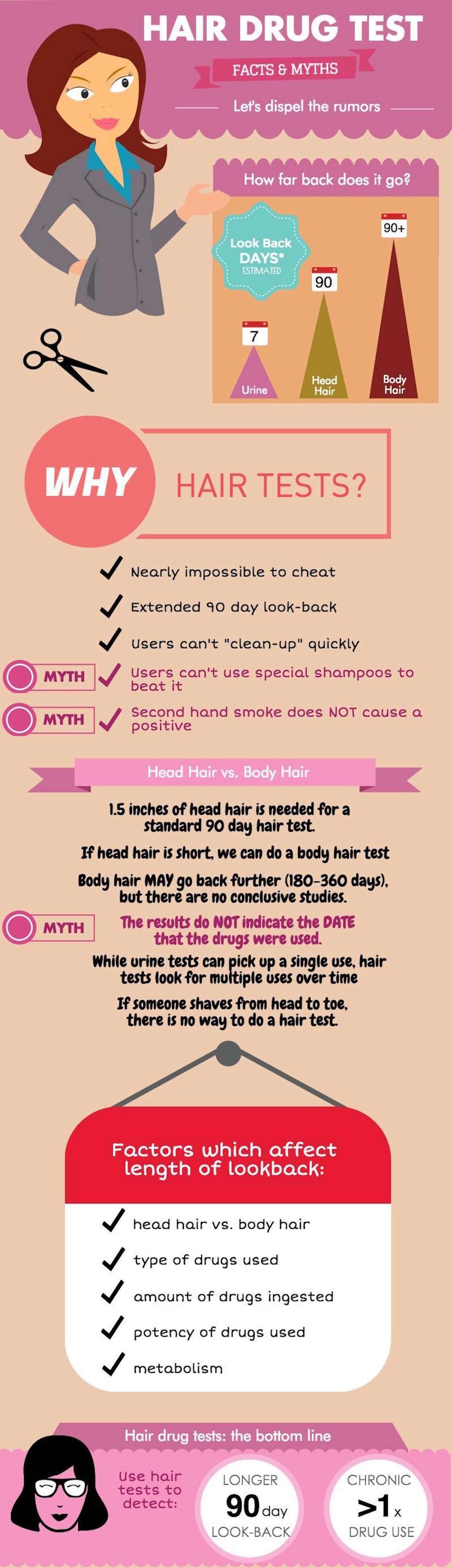
Hair tests can detect drug use from days to months ago. The detection window depends on hair growth rates and sample length. Usually, hair tests reveal drug use up to 90 days prior. This long window makes hair tests useful for tracking past drug use.
Typical Hair Sample Length
Most hair drug tests use about 1.5 inches of hair from the scalp. This length shows drug use history for roughly three months. Longer samples can show longer periods but are less common. Hair closer to the scalp gives the most recent drug use data.
Detection Periods
Detection periods in hair drug tests reveal how long drugs stay traceable in hair. Hair testing looks deeper into past drug use than other methods. Understanding this period helps clarify the test’s strengths and limits. Below, explore how far back hair testing can detect drugs, how it compares to other tests, and what happens with light drug users.
How Far Back Can Testing Go
Hair drug tests can detect drug use up to 90 days prior. Hair grows about half an inch per month. Testing usually examines 1.5 inches of hair closest to the scalp. This length covers roughly three months of drug history. Some labs analyze longer strands for extended detection but results may vary. Drugs get trapped in the hair shaft as it grows, preserving a timeline of use.
Comparison With Other Tests
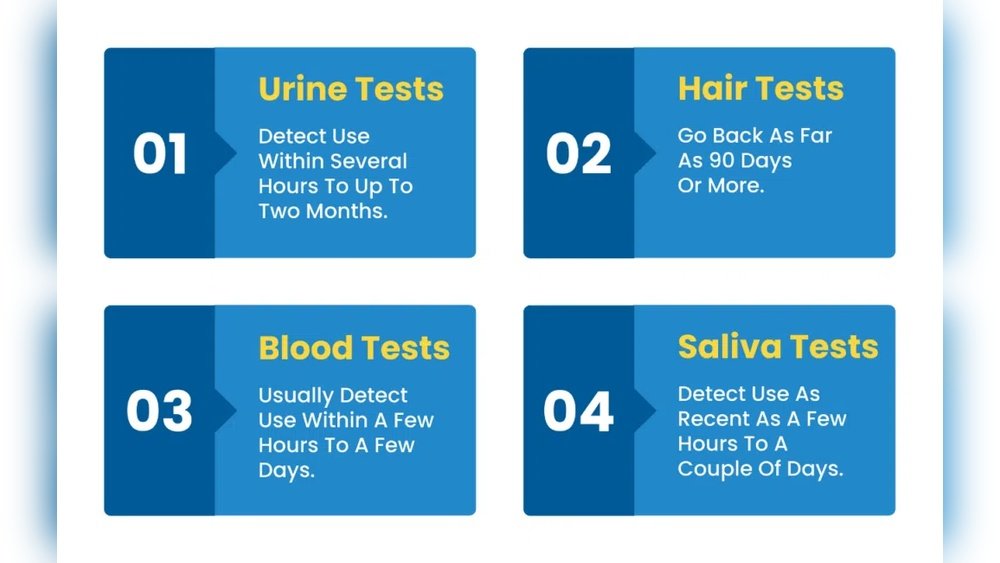
Urine tests detect drugs for a few days to weeks. Blood tests show drug presence for a few hours to days. Saliva tests detect recent use within hours to days. Hair tests provide the longest detection window, up to three months. This makes hair tests useful for identifying long-term patterns. They do not show very recent use, unlike urine or saliva tests.
Limits For Light Users
Hair tests may miss infrequent or light drug use. Small amounts of drugs might not deposit enough in hair to detect. Occasional users might test negative despite recent use. Testing is more reliable for regular or heavy users. Hair treatments like dyeing or bleaching can reduce detection sensitivity. Light users should consider these limits when interpreting results.
Factors Influencing Results
Several factors influence how far back a hair drug test can detect drug use. These factors affect the accuracy and time frame of the results. Understanding them helps explain why detection periods vary between individuals.
Hair Treatments And Chemicals
Hair treatments like bleaching, dyeing, and perming can change drug test results. Chemicals may reduce the amount of drug traces in hair strands. This can lower the chance of detecting drug use. Some treatments might damage the hair, making testing harder.
Hair Color And Type
Hair color affects how drugs bind to hair. Darker hair usually holds more drug metabolites than lighter hair. Hair type, such as curly or straight, also plays a role. These differences influence how much drug shows up in the test.
Growth Rate And Sample Source
Hair grows about half an inch per month on average. The length of the hair sample decides how far back the test can detect drugs. Samples taken from the scalp show recent months. Body hair grows slower and can show drug use from a longer time ago.
Credit: stemsontx.com
Testing Procedures
Understanding the testing procedures in hair drug analysis helps clarify how results reflect past drug use. Hair drug tests detect substances by examining hair strands for drug metabolites. These procedures involve careful collection and analysis to ensure accurate detection over time.
Sample Collection Methods
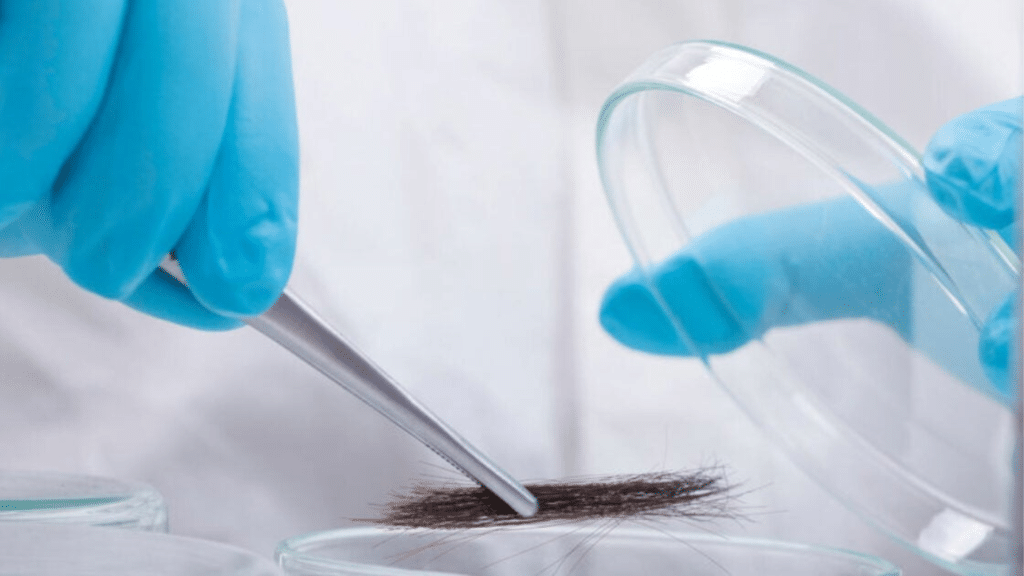
Technicians collect hair samples from the scalp, usually from the crown area. About 1.5 inches of hair is cut close to the scalp. This length corresponds to roughly 90 days of hair growth. Sometimes, body hair is used if scalp hair is not available. Proper collection prevents contamination and ensures reliable results.
Segmented Hair Analysis
Segmented analysis breaks hair into smaller parts for detailed testing. Each segment represents a specific time frame of drug use. For example, a 1-centimeter segment may show drug use from one month. This method helps track patterns and timelines of drug consumption. Labs analyze each segment separately to provide a timeline of exposure.
Cutoff Levels And Sensitivity
Labs use cutoff levels to decide if a test is positive or negative. These levels set the minimum amount of drug needed in the hair. Sensitivity varies by drug type and lab standards. Lower cutoff levels detect smaller amounts but may increase false positives. High sensitivity helps identify even light or infrequent drug use.
Common Myths And Facts
Hair drug tests often cause confusion due to many myths surrounding their accuracy and detection period. Clearing these myths helps understand what hair tests can and cannot reveal about drug use. This section breaks down common misunderstandings and presents facts based on scientific findings.
Myth: Detects All Drug Use
Many believe hair tests catch every instance of drug use. This is not true. Hair tests mainly detect drug use over weeks or months, not single or rare uses. A one-time drug use might go unnoticed. Hair tests focus on patterns, not isolated events.
Fact: Best For Regular Users
Hair drug testing works best for regular or heavy users. Drugs get deposited in hair gradually as it grows. This creates a record of repeated drug intake. Occasional or light use may not show clearly. Regular use leaves a stronger, more consistent trace.
Impact Of External Contaminants
External factors can affect hair test results. Smoke, dust, or hair treatments might cause false positives or negatives. Washing hair or dyeing it can reduce drug traces. Laboratories use special methods to reduce these effects, but some contamination risk remains.
Practical Applications
Hair drug tests detect drug use over a long period by analyzing hair strands. The test shows drug use history from weeks to months, depending on hair length. Many fields use this test to check past drug use. It helps employers, legal authorities, and healthcare providers make informed decisions.
Workplace Testing Policies
Employers use hair drug tests to maintain safe work environments. The test detects drug use up to 90 days prior. This helps identify patterns of substance use rather than one-time use. It supports fair hiring and promotes employee safety. Companies often include hair tests in their drug policies.
Legal And Forensic Uses
Courts and law enforcement use hair drug tests in investigations. The test provides evidence of drug use over several months. It helps verify claims or detect hidden drug habits. Hair testing can impact child custody, probation, and criminal cases. It offers a longer detection window than urine or blood tests.
Medical And Rehabilitation Settings
Doctors and rehab centers use hair tests to monitor patient progress. The test checks for compliance with treatment plans. It helps detect relapse or ongoing drug use. Hair testing supports personalized care and better recovery outcomes. It gives a clear history of substance use over time.
Credit: www.health-street.net
Frequently Asked Questions
Can You Pass A Hair Test In 2 Months?
Yes, you can pass a hair test in 2 months if you have not used drugs during that time. Hair tests detect drug use up to 90 days, so abstaining for two months reduces detectable traces. Hair growth and hair treatments also affect test results.
What Is The Cutoff Level For A Hair Drug Test?
The cutoff level for a hair drug test is typically 1 picogram per milligram (pg/mg) of hair. This threshold ensures accurate detection of drug metabolites. Laboratories use this standard to differentiate between drug use and environmental exposure. Hair tests detect drugs used within approximately 90 days.
What Throws Off A Hair Drug Test?
Hair treatments like bleaching, dyeing, and perming can alter test results. Hair color, growth rate, and sample length also affect accuracy.
How Long Do Most Companies Go Back On A Hair Follicle Test?
Most companies test hair follicles for drug use within a 90-day detection window, reflecting about three months of history.
Conclusion
Hair drug tests can reveal drug use from up to three months prior. This is because drugs enter hair follicles through the bloodstream as hair grows. The test looks at a small sample of hair, usually about 1. 5 inches long, representing roughly 90 days.
Factors like hair length, treatments, and growth rate can affect results. Hair tests are more reliable for regular users than for occasional use. Understanding these details helps clarify how far back hair drug tests can detect substances. Remember, hair testing offers a longer detection window than other methods.
As an Amazon Associate, I earn from qualifying purchases.
Lovingshe is a participant in the Amazon Services LLC Associates Program which is an affiliate advertising program designed to provide a means for sites to earn advertising fees by advertising and linking to Amazon.com. Amazon may use cookies to track referrals from our site. Visit Amazon’s privacy policy for details
