



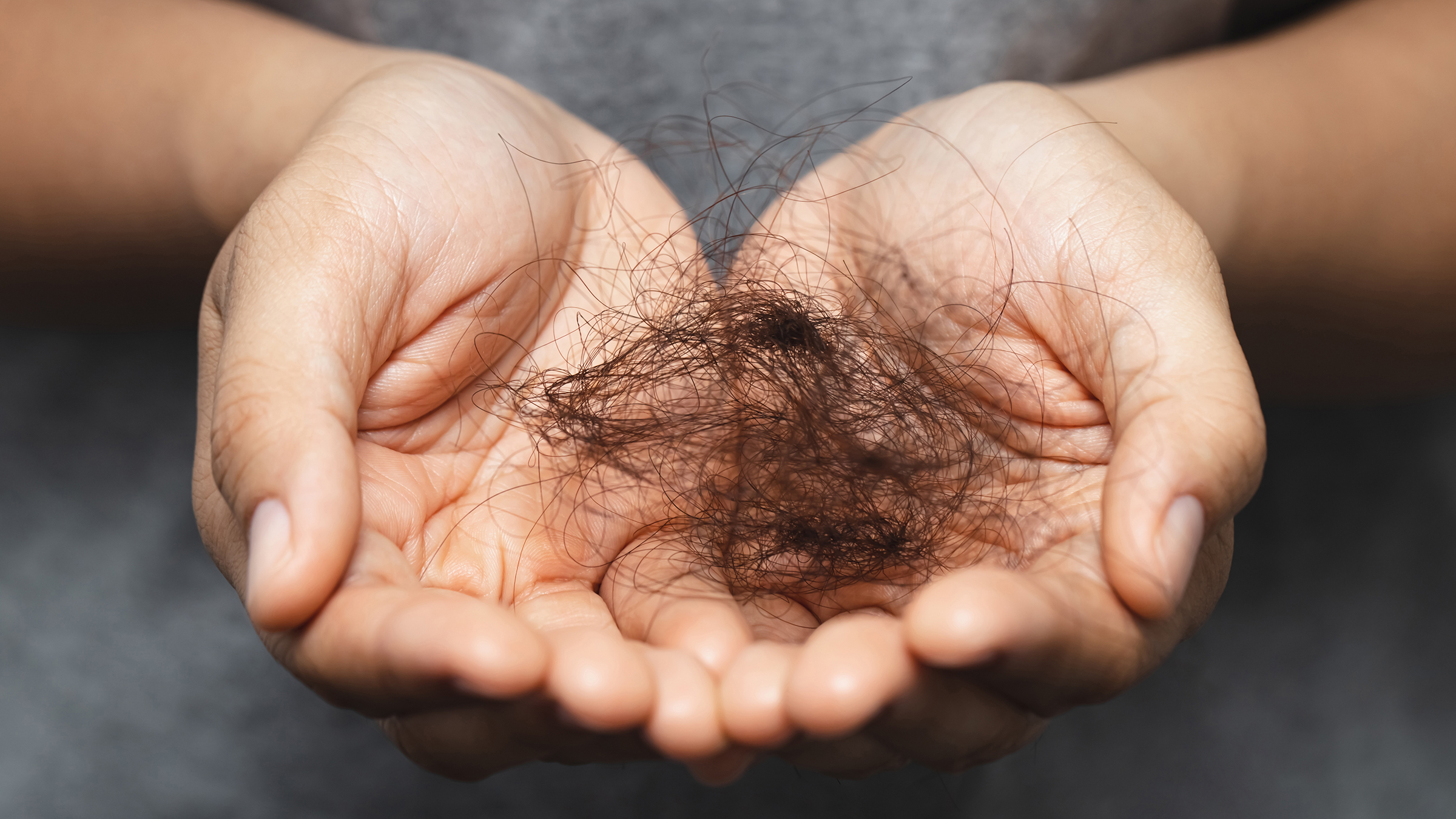
Are you taking Losartan and worried about losing your hair? It’s natural to feel concerned when you notice more hair shedding than usual.
Hair loss can be distressing, and if you’re wondering whether Losartan, a common blood pressure medication, might be the cause, you’re not alone. Many people ask, “Can Losartan cause hair loss? ” While hair thinning is a known side effect of some blood pressure drugs, Losartan is less often linked to this issue.
You’ll discover what the research says, why hair loss happens with certain medications, and what steps you can take if you notice changes in your hair. Keep reading to get clear answers and practical advice that can help you protect your hair and your health.
Credit: www.goodrx.com
Hair Loss And Blood Pressure Drugs
Blood pressure drugs help control hypertension but may cause side effects. Hair loss is one such concern for many patients. Understanding how these medications affect hair can help manage expectations and guide treatment choices. Some blood pressure drugs have been linked to hair thinning or shedding.
Hair loss from blood pressure medication usually happens because these drugs can disrupt the normal hair growth cycle. This disruption can lead to more hairs entering the shedding phase, making hair look thinner. The good news is that hair loss from these medications is often temporary.
Medications Linked To Hair Loss
Certain blood pressure medicines are more likely to cause hair loss. Beta-blockers, such as Propranolol, Metoprolol, and Atenolol, are common examples. Some ACE inhibitors like Lisinopril have also been reported to cause hair thinning. Diuretics, especially hydrochlorothiazide, may contribute as well.
These drugs affect the body in ways that can unintentionally impact hair follicles. The result is usually a condition called telogen effluvium. This means hair falls out faster than usual but regrows after the medication is changed or stopped.
How Blood Pressure Drugs Affect Hair
Blood pressure medications can alter the hair growth cycle by pushing hairs into the resting phase. This phase is when hairs stop growing and eventually fall out. The cycle may become unbalanced, causing more hair to shed than grow.
The exact cause varies by drug type. Beta-blockers may reduce blood flow to hair follicles. ACE inhibitors can affect hormone levels that support hair health. Diuretics may lead to nutrient loss, impacting hair strength and growth.
Hair loss linked to these drugs usually appears weeks to months after starting treatment. Stopping or switching medication under doctor guidance often helps hair recover. Patience is key as regrowth can take several months.

Credit: www.hairtransplantfue.org
Medications Known For Hair Loss
Many medications can cause hair loss as a side effect. This happens because some drugs affect the hair growth cycle. Hair shedding may increase, leading to noticeable thinning. Most drug-induced hair loss is temporary. Hair usually grows back once the medication is stopped or changed. Blood pressure medicines are among those known to cause this issue.
Understanding which medications may cause hair loss helps patients and doctors manage side effects better. Below are common types of blood pressure drugs linked to hair thinning or loss.
Beta-blockers
Beta-blockers are commonly prescribed for high blood pressure and heart problems. Examples include Propranolol, Metoprolol, and Atenolol. These drugs can disrupt the normal hair growth cycle. This disruption causes more hair to enter the shedding phase. Hair loss from beta-blockers is usually temporary. Patients should not stop these medications without consulting a doctor.
Ace Inhibitors
ACE inhibitors help relax blood vessels and lower blood pressure. Lisinopril is a well-known example. Some people may experience hair thinning while on ACE inhibitors. This side effect is less common than with beta-blockers but still possible. Hair loss typically reverses after stopping or switching the drug. Doctors can provide alternatives if hair loss becomes severe.
Diuretics
Diuretics help reduce fluid buildup and lower blood pressure. Hydrochlorothiazide is a widely used diuretic. Hair loss has been reported as a side effect of some diuretics. The cause is related to changes in body chemistry affecting hair follicles. Usually, hair regrows after the medication is adjusted or stopped. Patients should discuss concerns with their healthcare provider.
Losartan And Hair Loss
Losartan is a common medication for high blood pressure. Many patients worry about side effects, including hair loss. Understanding the link between losartan and hair loss helps manage concerns and expectations.
Hair loss can affect self-confidence and quality of life. Checking if losartan causes this side effect is important for users and healthcare providers.
Hair Loss As A Side Effect
Hair loss is not a common side effect of losartan. Most clinical studies do not list it as a frequent problem. Some patients may experience hair thinning, but it is rare. If hair loss occurs, it might be due to other factors like stress or illness.
Comparison With Other Blood Pressure Drugs
Other blood pressure drugs, such as beta-blockers and diuretics, show higher rates of hair loss. Beta-blockers like propranolol and metoprolol are known to cause more hair shedding. Diuretics like hydrochlorothiazide can also lead to hair thinning. Compared to these, losartan has a lower risk.
Reported Cases And Anecdotes
Some patients report hair loss while taking losartan, but these cases are uncommon. Hair loss stories often come from individual experiences rather than large studies. Doctors consider these reports but focus on more common side effects when prescribing losartan.
Causes Of Hair Thinning On Medication
Hair thinning is a common concern for many taking medication. Various drugs can affect hair growth cycles and cause shedding. Understanding why this happens helps in managing expectations and seeking proper advice. Blood pressure medicines like Losartan are sometimes linked to hair changes. The reasons behind hair thinning during medication use are diverse.
Telogen Effluvium Explained
Telogen effluvium is a type of hair loss caused by stress on the body. Medications can trigger this condition by pushing hair follicles into the resting phase. This leads to more hairs falling out than usual. The effect is usually temporary, with hair regrowing after the trigger ends. Many blood pressure drugs can cause telogen effluvium.
Role Of High Blood Pressure
High blood pressure itself can contribute to hair thinning. Poor blood flow reduces nutrients reaching hair follicles. This weakens hair growth and increases shedding. Stress from managing chronic illness also plays a part. Both the condition and its treatment can impact hair health. Monitoring blood pressure and overall health supports hair maintenance.
Influence Of Multiple Medications
Taking several medications increases the risk of hair thinning. Different drugs may interact and affect hair growth cycles. Some blood pressure medicines combined with other drugs can worsen hair loss. Tracking all medicines and side effects helps identify causes. Doctors can adjust treatment plans to reduce hair problems.
Managing Hair Loss Concerns
Managing hair loss concerns can be stressful, especially when linked to medication like Losartan. Understanding how to handle these worries helps maintain confidence and health. Taking steps to address hair thinning can reduce anxiety and improve your overall well-being.
It is important to monitor any changes in hair health carefully. Quick action can prevent further hair loss and guide proper treatment. Staying informed about options supports better decisions about your medication and care.
When To Talk To Your Doctor
Speak with your doctor if you notice unusual hair thinning. Sudden or severe hair loss needs professional evaluation. Do not stop taking Losartan without medical advice. Your doctor can check for other causes and suggest tests. Early consultation can help find the best solution for you.
Possible Alternatives
Your doctor may offer different blood pressure medicines. Some drugs have less risk of causing hair loss. Alternatives might include other classes of medication or adjusted doses. Switching medications should always be done under medical supervision. This helps control your blood pressure and protect your hair.
Expectations For Hair Regrowth
Hair often regrows after changing or stopping the medicine. Regrowth may take several months to become visible. Patience is key during this time. Healthy diet and gentle hair care can support regrowth. Keep in mind that results vary for each person.

Credit: kopelmanhair.com
Frequently Asked Questions
Which Blood Pressure Medication Causes Hair Loss?
Beta-blockers (Propranolol, Metoprolol, Atenolol), some ACE inhibitors (Lisinopril), and diuretics (hydrochlorothiazide) can cause hair loss. This usually triggers temporary hair thinning by disrupting the hair growth cycle. Consult your doctor before changing any medication.
How Do You Know If Your Hair Is Falling Out From Medication?
Notice unusual hair thinning or increased shedding after starting medication. Track changes over weeks. Consult your doctor for evaluation and alternatives.
Is Hair Loss A Side Effect Of Taking Losartan?
Hair loss is not a common side effect of losartan. Some blood pressure drugs cause thinning, but losartan rarely does. Consult your doctor if hair loss occurs.
What Is The Most Common Side Effect Of Losartan?
The most common side effect of losartan is dizziness, especially after the first dose or dosage increase.
Conclusion
Losartan rarely causes hair loss compared to other blood pressure drugs. Some medications, like beta-blockers and diuretics, show higher risk. Hair thinning from medication often stops after changing or stopping the drug. Always talk to your doctor before making changes.
They can suggest safer options and guide you through the process. Patience is key, as hair usually regrows over time. Monitoring your health and medication effects helps keep you safe and comfortable.
As an Amazon Associate, I earn from qualifying purchases.
Lovingshe is a participant in the Amazon Services LLC Associates Program which is an affiliate advertising program designed to provide a means for sites to earn advertising fees by advertising and linking to Amazon.com. Amazon may use cookies to track referrals from our site. Visit Amazon’s privacy policy for details
