


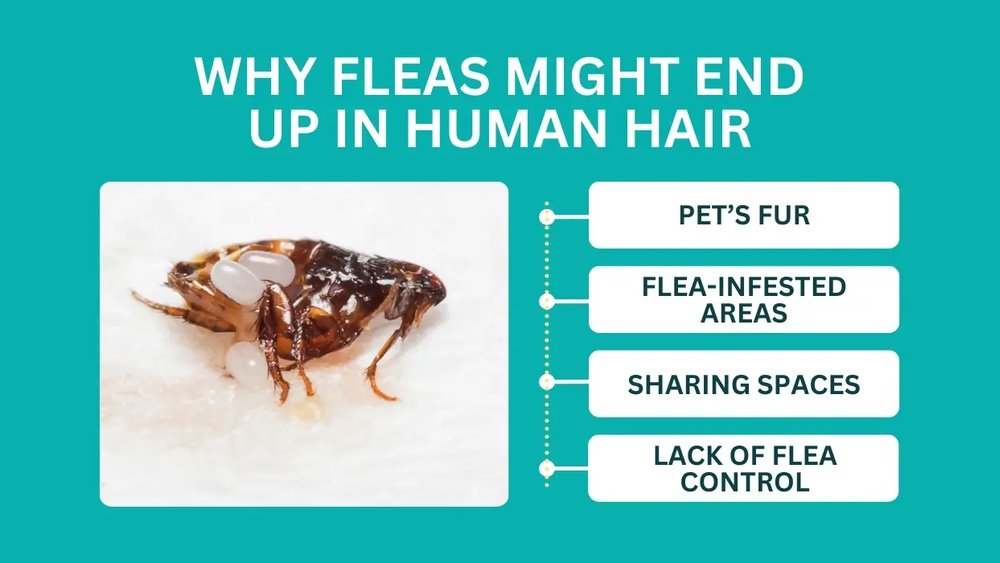
Have you ever wondered if those tiny, pesky fleas that bother your pets can actually live in your hair? It’s a common concern, especially when you start feeling that annoying itch or notice tiny bugs crawling around.
You might be asking yourself, “Can animal fleas really make a home on human hair? ” The truth is surprising and important to know—not just for your comfort, but for your health and peace of mind. You’ll discover how fleas interact with human hair, how long they can stay, and what you can do right now to protect yourself and your loved ones.
Keep reading to get the facts and learn simple, effective ways to stop fleas from causing you trouble.
Flea Behavior On Humans
Fleas can bite humans and cause itching, but their behavior on humans differs from animals. Understanding how fleas act on human hair helps to know the risks and how to protect yourself. Fleas may jump onto people but cannot live easily on human scalps. Their survival depends on the environment and food source, which human hair does not fully provide.
Fleas And Human Hair Interaction
Fleas may briefly jump into human hair searching for blood. They hold on tightly with strong legs but do not burrow into the scalp. Human hair is thinner and less dense than animal fur. This makes it hard for fleas to hide or stay long. Fleas prefer thick fur where they can move and lay eggs safely.
Why Fleas Don’t Thrive On Scalps
Human scalps do not offer the warmth and humidity fleas need. Fleas need frequent blood meals and a protected environment to survive. The scalp’s temperature and natural oils do not suit flea growth. Normal washing and grooming remove fleas quickly from hair. Fleas cannot complete their life cycle on humans alone.
Duration Fleas Stay On Human Hair
Fleas usually stay on human hair for a few hours to a day. They jump off if they cannot find a steady blood source. Regular washing and combing help remove fleas fast. Fleas rarely live on human hair beyond 24 to 48 hours. Treating pets and home areas is key to stopping flea infestations.
Credit: www.mosquitosquad.com
Flea Life Cycle Needs
Fleas need specific conditions to live and grow. Their life cycle has four stages: egg, larva, pupa, and adult. Each stage depends on the right environment. Without these, fleas cannot survive long. Understanding these needs helps explain why fleas rarely stay on human hair for long.
Environmental Requirements
Fleas thrive in warm, humid places. They prefer temperatures between 70°F and 85°F. Humidity around 70% helps eggs and larvae survive. Flea larvae need dark, moist areas with organic debris to feed on. Adult fleas need a host to feed on blood daily. Without these conditions, fleas struggle to complete their life cycle.
Difference Between Animal Fur And Human Hair
Animal fur is dense and thick. It provides fleas a safe place to hide and lay eggs. Fur traps warmth and moisture, creating a perfect environment. Human hair is thinner and less dense. It does not hold moisture well. Fleas find it hard to stay on human hair because it lacks these key features. Human scalp also lacks the debris fleas need for larvae. This makes it an unsuitable place for fleas to live long.
Signs Of Fleas In Hair
Noticing fleas in your hair can be unsettling. These tiny pests cause discomfort and raise concerns about hygiene. Understanding the signs helps you act quickly. Fleas do not usually live on human hair long, but they can jump in briefly. Spotting their presence early reduces itching and skin problems.
Itching And Irritation
One common sign is sudden itching on your scalp. Flea bites cause small red bumps that feel itchy. The irritation may worsen at night or after being near pets. Scratching can lead to sores or infections, making relief important. If you feel persistent discomfort, consider checking for fleas.
Visible Fleas Or Eggs
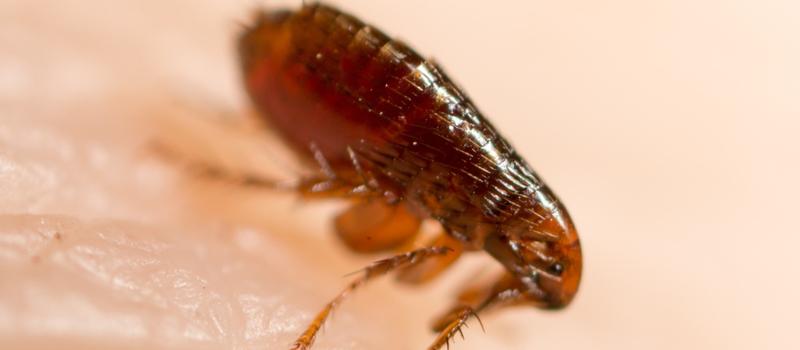
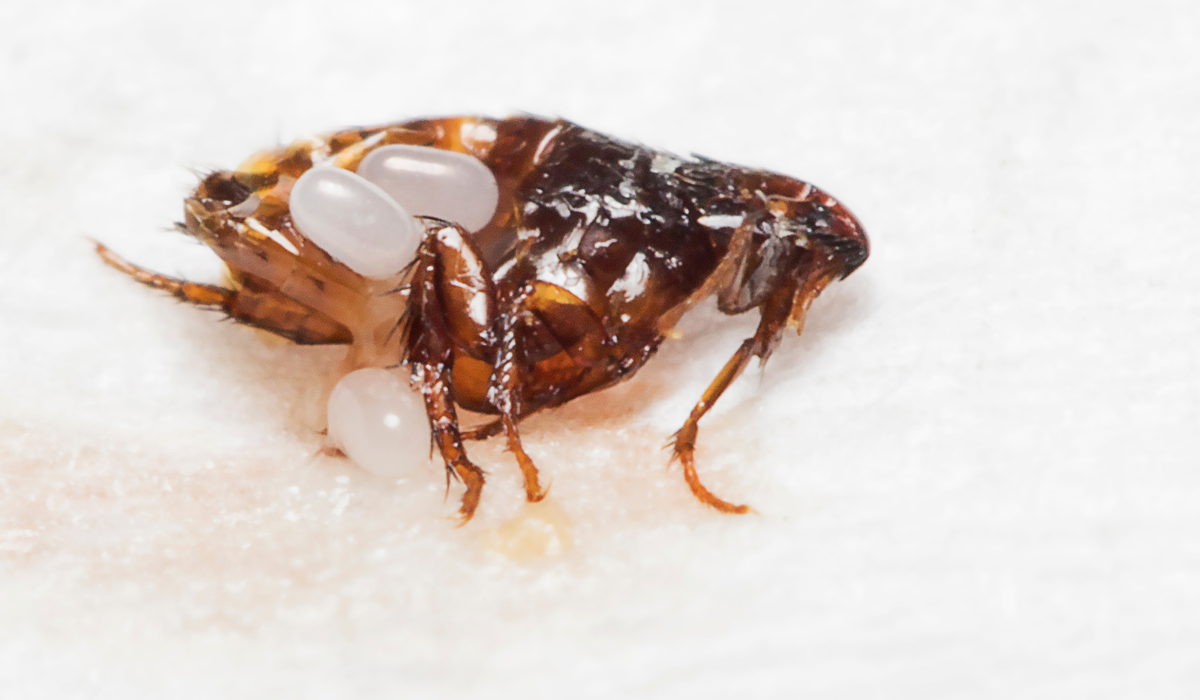
Sometimes you may see tiny dark spots moving in your hair. Fleas are small, about 1-3 mm long, and fast. Flea eggs look like tiny white grains stuck near hair roots. Using a fine-toothed comb helps spot these pests. Finding fleas or eggs confirms their presence and the need for treatment.
Effective Flea Removal
Effective flea removal is key to stopping discomfort and preventing infestations. Fleas rarely live long on humans, but they can temporarily jump into hair. Removing them quickly reduces itching and risk of bites.
Use a combination of washing, combing, and special shampoos. This multi-step approach targets fleas at different stages. Consistency over several days is important for complete removal.
Washing With Soap And Hot Water
Start by washing hair with hot water and soap. Dish soap or regular shampoo works well. The soap breaks the flea’s outer layer and drowns them. Hot water helps loosen flea eggs and dirt. Wash hair thoroughly and rinse well.
Using Fine-toothed Combs
After washing, use a fine-toothed comb on wet hair. Flea combs or lice combs work best. Comb hair in small sections carefully. Wipe the comb on a white tissue after each stroke. This removes fleas and eggs stuck in the comb. Repeat daily for several days.
Medicated And Natural Shampoos
Medicated shampoos designed for lice can help reduce fleas. Look for those with ingredients like permethrin. Natural shampoos with tea tree oil or eucalyptus oil may also repel fleas. Use these shampoos according to instructions. They support mechanical removal but do not replace combing and washing.
Treating Pets And Home
Treating pets and the home is essential to control flea problems effectively. Fleas often jump from pets to the environment, so targeting both areas stops the cycle. Pets carry fleas, and the home offers hiding spots for flea eggs and larvae. Cleaning and prevention help reduce flea populations quickly and safely.
Pet Flea Prevention
Keep pets on regular flea prevention treatments. Use vet-recommended spot-on treatments or oral pills. Check pets weekly for fleas, especially around the neck and tail. Bathe pets with flea shampoos if needed. Avoid letting pets roam in areas with high flea activity. A healthy pet is less likely to attract fleas.
Cleaning Bedding And Carpets
Wash pet bedding in hot water weekly to kill fleas and eggs. Use strong detergents and dry bedding on high heat. Clean carpets and rugs with steam cleaners to reach deep flea stages. Remove clutter where fleas can hide. Clean areas pets frequent to reduce flea populations.
Vacuuming And Disposal Tips
Vacuum carpets, floors, and furniture daily during flea treatment. Use a vacuum with strong suction to remove fleas and eggs. Empty vacuum bags or canisters immediately into sealed plastic bags. Dispose of bags outside the home to prevent fleas from returning. Regular vacuuming weakens flea life cycles and supports other treatments.

Credit: www.itchpet.com
Common Mistakes To Avoid
Dealing with fleas can be frustrating. Many people make mistakes that slow down flea removal. Avoiding common errors helps get rid of fleas faster. Understanding what not to do is as important as knowing what to do.
Here are some common mistakes to avoid when handling fleas on humans and pets.
Relying Solely On Home Remedies
Home remedies may seem easy and safe. Many try washing hair with soap or using natural oils alone. These methods can kill some fleas but often miss eggs and larvae. Fleas multiply quickly, so partial treatment fails to stop the problem. Combining home remedies with proper flea control products is necessary for success.
Ignoring Pet And Environment Treatment
Fleas usually come from pets or home areas. Treating only human hair misses the root cause. Pets need regular flea prevention and treatment. Carpets, bedding, and furniture should be cleaned and vacuumed often. Ignoring pets and surroundings lets fleas return after hair treatment. Complete control requires treating all flea habitats.
Misunderstanding Flea Habits
Fleas do not live long on human hair. They prefer animal fur for feeding and breeding. People often think fleas stay in hair permanently. In reality, fleas jump on humans only briefly. Knowing flea habits helps focus efforts on pets and home. Misunderstanding flea behavior leads to wasted time and effort on ineffective treatments.
Showering And Flea Control
Showering plays an important role in controlling fleas that may come into contact with humans. Fleas often jump onto human hair while searching for a blood meal. Showering helps wash away these pests and reduces the chance of bites. Understanding how showering works and its limits is key to effective flea control.
How Showering Removes Fleas
Warm water and soap loosen fleas from hair strands. Soap disrupts the flea’s waxy coating, making it hard for them to breathe. The lather helps wash fleas down the drain. Rinsing removes any remaining fleas and dirt. Using a fine-toothed comb on wet hair catches fleas and eggs. Wiping the comb clean after each stroke prevents fleas from escaping.
Limitations Of Showering Alone
Showering does not kill flea eggs hidden on the scalp. Fleas may return if pets or home areas still have infestations. Human hair lacks the conditions for fleas to live long-term. Fleas usually jump off within a day or two. Treating pets and cleaning bedding and carpets is necessary. Showering should be part of a wider flea control plan.
Credit: www.nativepestmanagement.com
Frequently Asked Questions
How Long Can Fleas Live On Human Hair?
Fleas can survive on human hair only briefly, usually less than two days. Human scalps lack conditions for their life cycle. Regular washing and combing remove them quickly. Treat pets and home to prevent reinfestation.
What Kills Fleas In Human Hair?
To kill fleas in human hair, wash thoroughly with hot, soapy water to drown them. Use a fine-toothed flea comb on wet hair, wiping it often. Repeat daily for several days. Treat pets and home environment to prevent reinfestation for effective control.
Will A Shower Get Rid Of Fleas On Humans?
A shower helps remove fleas by washing them off, but it won’t kill all. Use hot, soapy water and a fine-toothed comb for better flea removal. Treat pets and home to stop reinfestation.
Can Fleas Stay On A Human Head?
Fleas may jump onto human heads briefly to feed but cannot live or reproduce in human hair. They leave within a day or two. Regular washing and combing remove them effectively. Treat pets and home to stop flea infestations and prevent reoccurrence.
Conclusion
Fleas rarely stay long on human hair. They prefer animal fur for shelter and food. Fleas may jump onto hair briefly but leave soon. Washing hair with soap and combing helps remove them fast. Treating pets and cleaning your home stops flea problems completely.
Remember, fleas do not live or breed in human hair. Keeping pets protected is the best way to prevent fleas. Stay alert and act quickly if you notice flea bites or itching. This keeps you and your family comfortable and flea-free.
As an Amazon Associate, I earn from qualifying purchases.
Lovingshe is a participant in the Amazon Services LLC Associates Program which is an affiliate advertising program designed to provide a means for sites to earn advertising fees by advertising and linking to Amazon.com. Amazon may use cookies to track referrals from our site. Visit Amazon’s privacy policy for details
