


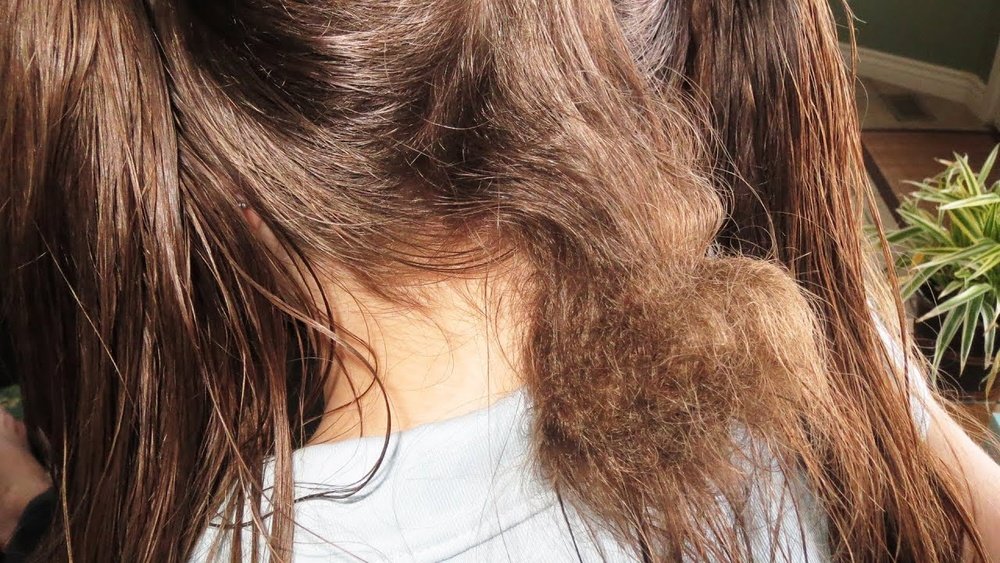
Are you tired of dealing with knots and tangles that seem impossible to brush out? You’re not alone—and the good news is, you don’t have to settle for painful, damaging detangling sessions.
Imagine running your fingers through smooth, tangle-free hair without breakage or frustration. The secret lies in knowing the right steps and tools to gently undo those stubborn knots. You’ll discover simple, effective techniques to get tangles out of your hair safely and easily.
Stick with me, and you’ll soon enjoy healthier, more manageable hair every day.

Credit: fayi.com.au
Tools And Products
Choosing the right tools and products helps make detangling hair easier and less painful. Proper items reduce breakage and smooth out knots quickly. Using gentle and effective tools protects hair from damage. This section covers the best slippery products, combs, brushes, and other helpful accessories.
Slippery Products
Slippery products make hair soft and easier to comb through. Hair oils like olive or jojoba oil add smoothness. Cheap conditioners work well to loosen knots. Detangling sprays are light and help separate strands. These products reduce friction and protect hair during detangling.
Combs And Brushes
Wide-tooth combs are gentle on tangled hair. They glide through knots without pulling hard. Detangling brushes, such as Wet Brushes, have flexible bristles. These brushes remove tangles smoothly and prevent breakage. Rat-tail combs help section hair for better control. Choose tools made for detangling to avoid damage.
Additional Accessories
Hair clips keep sections separated while you work. Spray bottles help dampen hair evenly. Finger detangling lets you feel knots and work gently. Using soft microfiber towels reduces frizz after washing. Having these extra items makes the detangling process calmer and faster.
Preparing Hair
Preparing your hair before detangling is key to reducing breakage and pain. Proper preparation softens knots and makes the process smoother. Avoid rushing. Taking time to prepare your hair carefully helps protect strands.
Dampening Techniques
Slightly damp hair is easier to detangle than dry hair. Use a spray bottle filled with water to mist your hair evenly. Avoid soaking your hair completely. Damp hair retains some moisture, making knots softer and more pliable. For extra slip, add a small amount of conditioner or detangling spray to the water. This helps your comb or brush glide through tangles with less pulling.
Sectioning Hair
Dividing hair into small sections makes detangling manageable. Use clips or hair ties to separate hair into four to six parts. Work on one section at a time. This method prevents tangles from spreading. It also gives you better control and focus. Start detangling from the ends of each section and slowly move upwards. Sectioning keeps hair organized and reduces frustration during the process.
Finger Detangling
Finger detangling is a gentle and effective way to remove tangles from your hair. It uses your fingers to carefully separate knots without causing breakage. This method works well for all hair types, especially fragile or curly hair. It helps you feel the tangles and handle them with care. Finger detangling also reduces pain and damage that harsh combs or brushes might cause.
Start with clean, damp hair for best results. Applying a bit of conditioner or oil makes the hair slippery and easier to work through. Take your time and be patient. The process can be soothing and gives you control over how much pressure you use.
Locating Knots
Run your fingers gently through your hair to find knots. Focus on areas where hair feels tight or bunched. These spots usually hide the most tangles. Check near the scalp and the ends of your hair. Knots often form where hair twists or overlaps. Work in small sections for easier handling. Avoid pulling hard, which can cause pain or breakage.
Gentle Pulling Method
Hold the hair just below the knot with one hand. Use your other fingers to loosen the tangle bit by bit. Pull gently and slowly to avoid damage. Start detangling from the ends, moving upward. This method helps prevent hair from snapping. If a knot feels tough, add more conditioner or oil. Keep your movements soft and patient. Finger detangling takes time, but it keeps hair healthy and smooth.

Credit: fayi.com.au
Using Combs And Brushes
Combs and brushes play a key role in removing tangles from hair gently and effectively. Choosing the right tool helps prevent breakage and pain. Wide-tooth combs and detangling brushes work best on tangled hair. Using these tools carefully makes the detangling process smoother and faster.
Starting From Ends
Always begin detangling at the ends of your hair. The ends hold the most knots and tangles. Gently comb or brush small sections starting from the tips. Slowly work your way upward to the roots. This method avoids pulling and breaking hair strands.
Working In Small Sections
Divide your hair into small, manageable sections before detangling. This makes the process easier and less painful. Hold one section at a time and comb through it carefully. Small sections reduce the risk of causing new tangles or damage.
Reapplying Products
Use conditioner, detangling spray, or hair oil to soften knots. Reapply these products on sections that feel dry or hard to comb. Moisturized hair slips through the comb or brush smoothly. This step protects hair and makes detangling less stressful.
Handling Severe Tangles
Handling severe tangles requires extra care and gentle techniques. These tangles can cause pain and breakage if rushed. Treat your hair with kindness and take time to work through knots slowly. Using the right products and methods helps protect your hair and makes detangling easier.
Adding More Product
Use a good amount of conditioner or hair oil on tangled areas. This adds slip, making knots easier to loosen. Apply product directly on the tangles for best results. Reapply if needed to keep hair soft and smooth. Products reduce friction and help detangle without pulling.
Taking Breaks
Don’t try to detangle all at once. Break the process into short sessions. Stop if your scalp feels sore or hair gets too dry. Resting helps prevent damage and keeps your hair healthy. Come back to tangles later with fresh hands and patience.
Patience And Care
Handle hair gently and avoid harsh pulling. Work slowly from the ends to the roots. Use fingers before combs to ease knots apart. Patience lowers the chance of hair breaking. Careful detangling protects hair and keeps it strong.
Post-detangling Care
After successfully removing tangles, proper post-detangling care helps keep hair smooth and healthy. This step prevents new knots and protects hair strands from damage. Treat your hair gently and use nourishing products to maintain softness and shine.
Washing And Conditioning
Use a mild shampoo to clean your hair without drying it out. Focus on the scalp, letting the shampoo rinse through the ends. Apply a rich conditioner from mid-length to tips. Leave it on for a few minutes to soften hair. Rinse with cool water to close the cuticles and add shine.
Smoothing Hair
After washing, gently squeeze out excess water with a soft towel. Avoid rough rubbing that causes frizz. Apply a leave-in conditioner or smoothing serum to damp hair. Use a wide-tooth comb to spread the product evenly. Let hair air dry or use a low heat setting on your dryer. This keeps hair smooth and reduces breakage.
Preventing Future Tangles
Preventing future tangles is key to keeping hair smooth and healthy. A good routine can reduce knots and make hair easier to manage. Simple habits protect hair strands and keep tangles away. Try these easy tips to maintain tangle-free hair daily.
Protective Hairstyles
Protective hairstyles help keep hair strands together. Styles like braids, buns, and twists reduce friction. These hairstyles stop hair from rubbing against clothes or pillows. They also protect hair from wind and dust. Wearing protective styles overnight saves hair from tangling.
Regular Maintenance
Regular hair care prevents tangles from forming. Comb or brush hair gently every day. Use a wide-tooth comb to avoid breakage. Trim split ends every 6 to 8 weeks. Clean hair and scalp often to remove buildup. Healthy hair tangles less and looks smooth.
Using Leave-in Treatments
Leave-in treatments add moisture and softness to hair. They smooth the cuticle and reduce roughness. Apply leave-in conditioner or detangling spray on damp hair. These products make hair easier to comb. Choose light formulas that do not weigh hair down.
Common Mistakes To Avoid
Removing tangles from hair can be frustrating and damaging if done incorrectly. Avoiding common mistakes helps keep hair healthy and smooth. These errors often cause pain, breakage, and more knots.
Focus on gentle care and the right techniques. Small changes in your routine make a big difference in detangling success.
Rough Handling
Pulling or yanking hair worsens tangles and causes breakage. Treat hair gently to prevent damage. Use slow, careful movements. Rough handling leads to split ends and hair loss over time.
Skipping Sectioning
Trying to detangle all hair at once creates frustration and knots. Divide hair into small sections before detangling. Sectioning makes the process easier and more effective. It also helps to focus on problem areas without tangling other parts.
Using Wrong Tools
Using fine-tooth combs or brushes on tangled hair causes pain and breakage. Choose wide-tooth combs or special detangling brushes. These tools glide through knots without pulling hard. Avoid brushes with stiff bristles that snag and tear hair.

Credit: www.youtube.com
Frequently Asked Questions
How Do You Untangle Badly Tangled Hair?
Apply oil or conditioner to damp hair. Section it and finger-comb gently from ends upward. Use a wide-tooth comb slowly, adding product as needed. Be patient and take breaks to avoid damage.
What Home Remedy Can I Use To Untangle My Hair?
Apply olive or jojoba oil, or conditioner to damp hair. Section hair and gently finger-comb from ends upward. Use a wide-tooth comb carefully. Reapply product as needed. Patience is key to avoid breakage and fully untangle knots.
What Loosens Knots In Hair?
Hair oil, conditioner, or detangling spray loosens knots. Use fingers and a wide-tooth comb, working from ends upward. Patience and repeated product application help release tangles gently.
How To Remove Hair Tangles Easily?
Apply conditioner or oil to damp hair. Section hair and finger detangle from ends upward. Use a wide-tooth comb gently. Add product as needed. Be patient and avoid force.
Conclusion
Getting tangles out of hair takes patience and gentle care. Use the right tools like a wide-tooth comb and apply conditioner or oil. Start detangling from the ends, working your way up slowly. Keep hair damp and add product as needed to ease knots.
Taking breaks helps if the process feels long or tough. With time and care, hair becomes smooth and healthy again. Simple steps lead to better hair without damage or frustration.
As an Amazon Associate, I earn from qualifying purchases.
Lovingshe is a participant in the Amazon Services LLC Associates Program which is an affiliate advertising program designed to provide a means for sites to earn advertising fees by advertising and linking to Amazon.com. Amazon may use cookies to track referrals from our site. Visit Amazon’s privacy policy for details
