


Have you ever wondered whether your cat has hair or fur? It’s a question that might seem simple, but the answer is quite fascinating—and it can tell you a lot about your feline friend’s health and behavior.
When you stroke your cat’s coat, you’re actually touching a complex system designed to keep them warm, protect their skin, and even communicate with other animals. Understanding what makes up your cat’s coat can help you care for them better and deepen the bond you share.
Keep reading, and you’ll discover the surprising truth behind those soft, fluffy strands and what makes cat hair and fur both similar and unique.
Cat Hair And Fur Basics
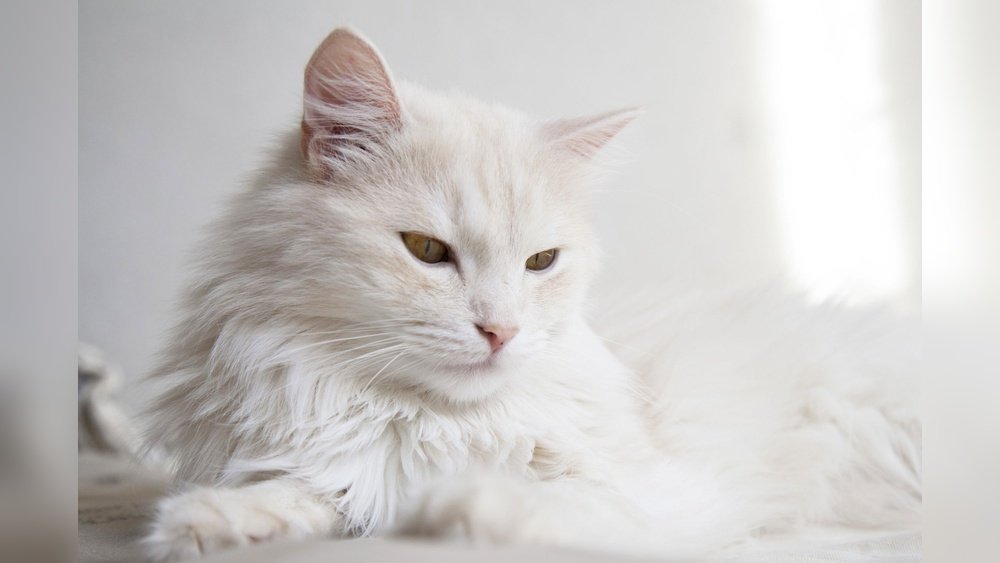
Cats have a coat that many call fur, but it is made of hair. The terms hair and fur often mean the same for animals. Cat hair grows densely, giving a soft and warm coat. This coat protects cats from cold and injury. Understanding cat hair helps us care for them better.
Cat hair grows in layers, with different types serving special roles. Each hair is made of the same material found in human hair. The way cat hair grows and functions suits their active, curious nature.
Keratin Composition
Cat hair is made mostly of keratin. Keratin is a strong protein that forms hair, nails, and skin. This protein makes the hair tough yet flexible. It protects the hair from damage and keeps it shiny. Keratin also helps the hair repel water and dirt.
Growth From Hair Follicles
Each cat hair grows from a tiny pocket in the skin called a follicle. Follicles supply nutrients that keep hair healthy. Cat hair grows in cycles: growth, rest, and shedding. This cycle helps cats shed old hair and grow new fur. The density of follicles gives cats their thick coats.
Functions Of Cat Hair
Cat hair serves many important functions. It keeps cats warm by trapping heat close to their skin. The fur also protects cats from cuts and scratches. Hair helps cats sense their surroundings through whiskers. It also helps them blend into their environment for safety.
Credit: www.catster.com
Differences Between Hair And Fur
Cats have different types of hair that work together to protect and help them. Each type has a special job. Understanding these types helps us know more about how cats stay warm and sense their world.
Guard Hairs
Guard hairs are the longest and strongest hairs on a cat’s body. They form the outer layer of the coat. This layer protects the cat from dirt and water. Guard hairs also give the cat its color and shine. They help keep the undercoat dry by repelling water.
Undercoat
The undercoat is soft and dense. It lies beneath the guard hairs. This layer keeps the cat warm by trapping heat close to the skin. The undercoat is thicker in winter and sheds in warmer months. It acts like a natural insulation blanket for cats.
Tactile Hairs
Tactile hairs, or whiskers, are very different from guard hairs and undercoat. They are stiff and thick. Whiskers help cats sense their surroundings. They detect changes in air and objects nearby. This helps cats move safely, especially in the dark.
Types Of Cat Hair
Cat fur shows amazing adaptations that help cats survive in many environments. It is not just about looks. Their fur plays a key role in keeping them safe and comfortable. These adaptations help cats handle cold, wet, and changing conditions.
Each part of a cat’s fur has a special job. The structure, color, and texture all work together. Understanding these fur adaptations helps us see how cats thrive in nature and at home.
Insulation And Temperature Regulation
Cat fur acts like a natural blanket. It traps air close to the skin. This air layer keeps body heat inside during cold weather.
In warmer weather, cat fur helps cool the body. The fur reflects sunlight and allows air to flow. This stops the cat from getting too hot.
Many cats have two fur layers. The soft underfur provides warmth. The longer guard hairs protect against wind and dirt.
Moisture Resistance
Cat fur has water-resistant features. The outer guard hairs repel water and dirt. This keeps the underfur dry and fluffy.
The oily coating on guard hairs helps water roll off. This prevents the cat’s skin from getting wet and cold.
Some cats living in wet areas have thicker guard hairs. This helps them stay dry during rain or snow.
Color Changes And Genetics
Cat fur color depends on genes. These genes control pigment types and patterns. This gives cats different colors and markings.
Some cats change fur color with seasons. Cooler temperatures can make fur darker or lighter. This helps them blend in with their surroundings.
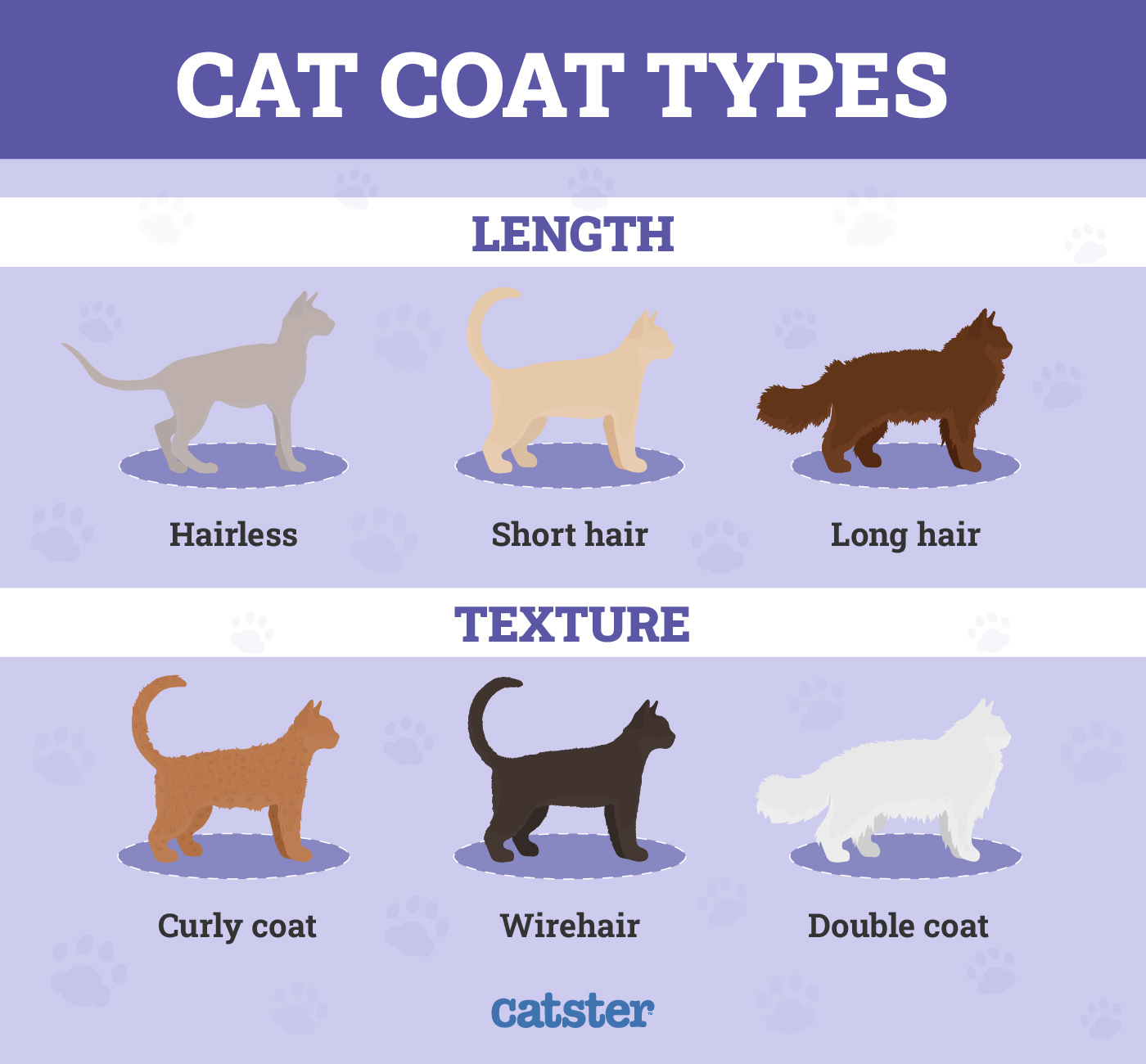
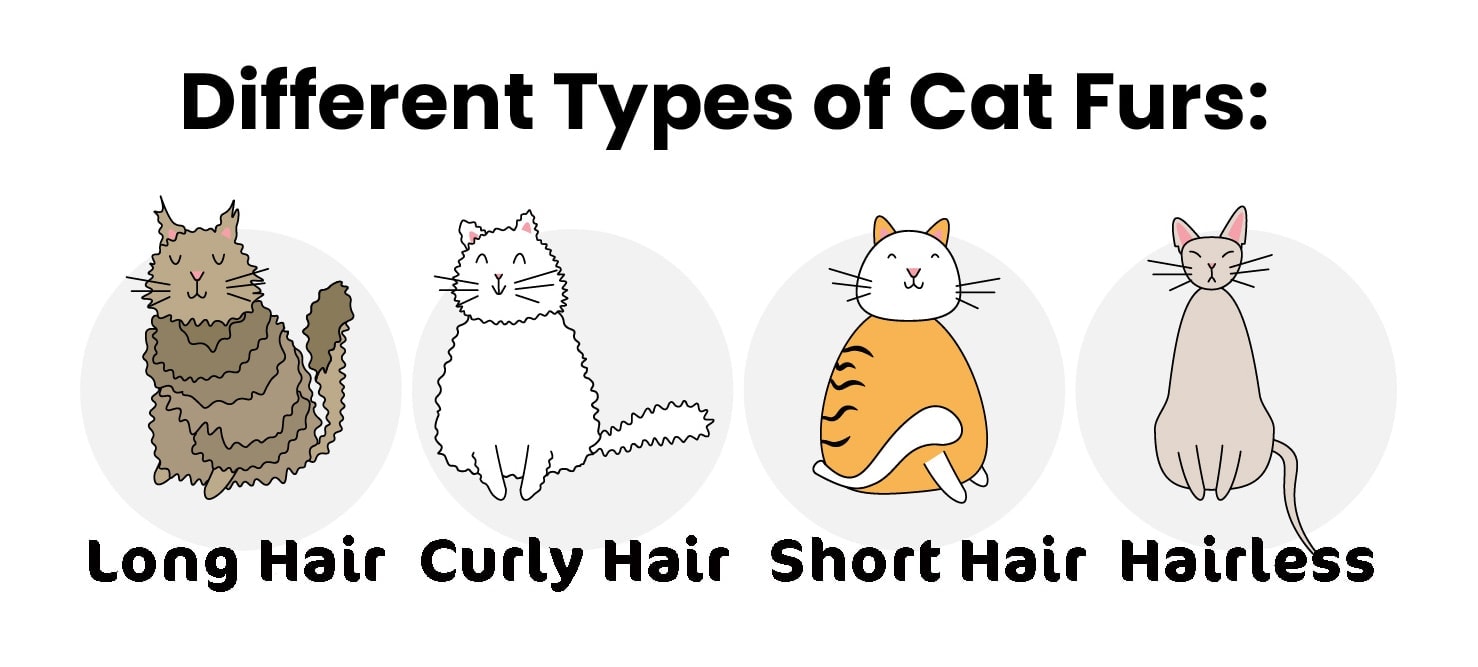
Genetics also affect fur texture. Some breeds have long, thick fur. Others have short, smooth coats. Each type suits different climates and lifestyles.
:strip_icc()/close-up-portrait-of-selkirk-rex-on-table-629355601-5c20295ac9e77c0001796a41.jpg)
Credit: www.thesprucepets.com
Cat Fur Adaptations
Many people wonder if cats have hair or fur. This question causes some confusion. The terms “hair” and “fur” are often used interchangeably. Yet, there are myths and misunderstandings about what really covers a cat’s body. Clearing up these common misconceptions helps us understand our pets better.
Hair Vs Fur Terminology
Hair and fur are made of the same material: keratin. Both grow from hair follicles in the skin. The difference lies in how these words are used. “Fur” usually describes the thick, soft coat of animals like cats. “Hair” refers more to human hair or sparse animal hair. The terms highlight the texture and purpose of the fibers rather than their makeup.
Human Hair Compared To Cat Fur
Human hair grows continuously and can reach long lengths. Cat fur grows in shorter cycles and sheds seasonally. Cats have two layers of fur: a dense undercoat for warmth and guard hairs for protection. Human hair lacks this layered structure. This difference helps cats stay warm and adapt to weather changes. Though similar, cat fur and human hair serve different needs.
Common Misconceptions
Caring for your cat’s fur is important for their comfort and health. Regular maintenance keeps their coat clean, shiny, and free from mats. Understanding shedding patterns helps you manage hair around the house. Grooming also builds a strong bond between you and your pet. Healthy fur reflects your cat’s overall well-being.
Shedding Patterns
Cats shed their fur naturally throughout the year. Shedding increases during seasonal changes, especially in spring and fall. Short-haired cats usually shed less than long-haired breeds. Regular brushing helps remove loose fur and reduces hairballs. Watching shedding patterns can alert you to changes in health or stress.
Grooming Tips
Brush your cat gently to avoid hurting their skin. Use a comb designed for your cat’s fur type. Grooming once or twice a week works well for most cats. Long-haired cats may need daily brushing to prevent tangles. Bathing is rarely necessary but can help if your cat gets very dirty.
Health Indicators In Fur
Shiny, smooth fur shows your cat is healthy. Dull or patchy fur may signal skin problems or poor nutrition. Excessive shedding or bald spots require veterinary advice. Check for fleas, ticks, or other parasites during grooming. Healthy fur means a happy, well-cared-for cat.
Credit: kdfoundation.org
Frequently Asked Questions
Is It Called Cat Hair Or Cat Fur?
Cat hair and cat fur are essentially the same, both made of keratin. “Fur” usually describes a dense, insulating coat, while “hair” refers to sparser or longer growth. For cats, people commonly say “fur” due to its thickness and layering.
Are Hair And Fur The Same Thing?
Hair and fur are made of keratin and grow from follicles. Fur is dense, layered hair on animals; hair can be sparse or continuous.
What Is The Hair On A Cat Called?
The hair on a cat is called fur. It consists of guard hairs and soft underfur for insulation and protection.
Are There Cats That Have Hair Instead Of Fur?
Cats have hair, but it forms dense fur for insulation. Hair and fur are the same protein, keratin, differing in thickness and growth.
Conclusion
Cats have hair, but we often call it fur. Their coats are dense and soft, helping keep them warm. Hair and fur share the same protein, keratin. The main difference is in thickness and growth patterns. Cats’ fur grows in layers, giving insulation and protection.
This fur sheds seasonally to adapt to weather changes. Understanding this helps in caring for cats properly. So, whether you say hair or fur, it refers to the same type of body covering. Cats’ soft fur is part of what makes them so lovable.
As an Amazon Associate, I earn from qualifying purchases.
Lovingshe is a participant in the Amazon Services LLC Associates Program which is an affiliate advertising program designed to provide a means for sites to earn advertising fees by advertising and linking to Amazon.com. Amazon may use cookies to track referrals from our site. Visit Amazon’s privacy policy for details
