


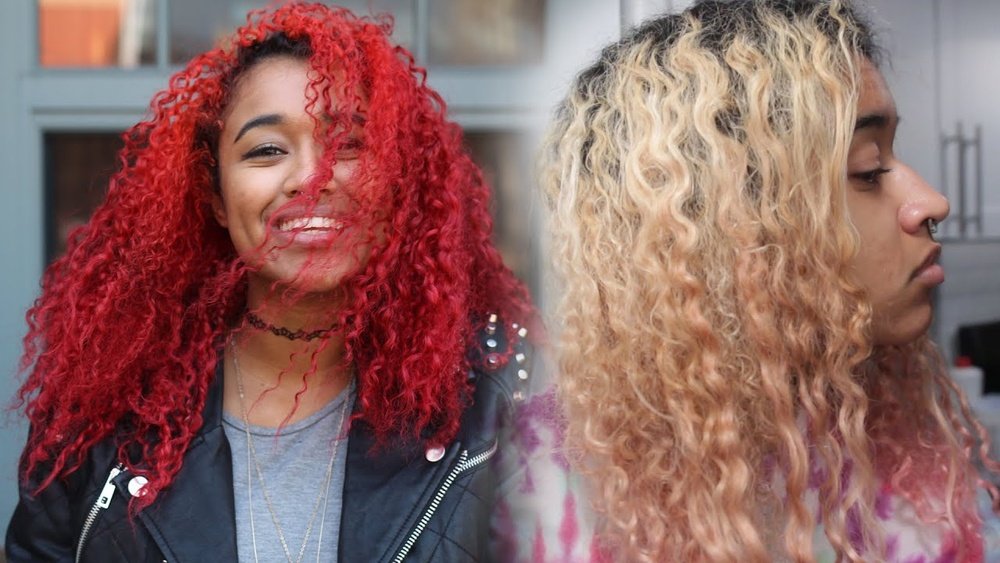
Have you ever found yourself stuck with red hair dye that just won’t fade? Whether you rushed into a bold new look or your red color didn’t turn out as expected, the frustration of wanting to strip that vibrant hue can be overwhelming.
You might think that removing red dye means harsh chemicals or damaging bleach treatments, but there are smarter, gentler ways to reclaim your natural hair color—or prepare for a fresh new shade. In this guide, you’ll discover easy, effective methods to strip red dye from your hair safely at home.
From simple kitchen ingredients to proven color removers, we’ll walk you through each step so you can make the best choice for your hair’s health and your style goals. Ready to say goodbye to stubborn red? Keep reading, because your perfect hair reset starts here.

Credit: www.reddit.com
Reasons To Remove Red Dye
Red hair dye can be vibrant and bold, but many choose to remove it for several reasons. The color may fade unevenly, leaving patchy or dull tones. Some find red dye hard to maintain, as it often stains skin and fabrics. Others want a new look or a more natural hair color. Removing red dye helps restore hair to a blank canvas for new styles.
Red dye also tends to linger longer than other colors. This makes changing hair color difficult without proper removal. Some people experience irritation or allergic reactions from red dye ingredients. Removing the dye can reduce scalp discomfort and improve hair health. Understanding these reasons helps choose the best method to strip red dye safely and effectively.
Uneven Fading And Patchy Color
Red dye fades faster and unevenly. This causes spots of dull or brassy red. Such uneven color can look messy and unprofessional. Removing the dye creates a smooth base for fresh color. It prevents patchy hair and improves overall appearance.
Difficulty In Maintenance
Red dye requires frequent touch-ups and special care. It easily stains towels, clothes, and pillowcases. Many find this upkeep frustrating and time-consuming. Removing red dye can reduce daily stress. It allows a simpler hair care routine without constant worry about stains.
Desire For A New Look
Changing hair color often means removing old dye first. Red dye is strong and resists fading naturally. Removing it opens the door to different colors. People can switch to blondes, browns, or even pastel shades. This offers more freedom to experiment with style.
Scalp Sensitivity And Allergic Reactions
Some red dyes contain harsh chemicals causing scalp irritation. Symptoms include itching, redness, and dryness. Removing the dye helps soothe the scalp and stop discomfort. It also reduces the risk of allergic reactions in the future.
Preparing Hair For New Color Treatments
Applying new dye over old red can cause color blending issues. Removing the red ensures even absorption of the new color. This leads to better, longer-lasting results. It also protects hair from damage caused by layering dyes.
Gentle Fading Techniques
Removing red dye from hair requires patience and care. Gentle fading techniques help lighten the color without harsh chemicals. These methods reduce damage and maintain hair health. Choose natural ingredients or mild products for best results. Consistent care leads to gradual fading and smoother hair.
Clarifying Shampoo And Vitamin C
Clarifying shampoo removes buildup and fades hair color gently. Vitamin C breaks down dye molecules for easier removal. Crush vitamin C tablets into a fine powder. Mix the powder with clarifying shampoo to create a thick paste. Apply to damp hair and leave for 30-60 minutes. Cover hair with a shower cap to keep moisture in. Rinse thoroughly and follow with a deep conditioner. Repeat weekly for gradual fading.
Baking Soda And Dish Soap Paste
Mix baking soda, dish soap, and clarifying shampoo for an effective paste. Baking soda lifts color, while dish soap breaks down oils and dye. Apply the paste to dry hair, focusing on dyed areas. Cover with a warm towel or shower cap to boost fading. Leave on for 20-30 minutes, then rinse well. Use this method sparingly to avoid dryness. Always condition hair deeply after treatment.
Lemon Juice And Vinegar Rinse
Lemon juice and vinegar have natural acidic properties that fade hair dye. Mix lemon juice or white vinegar with warm water. Pour the rinse over hair and let it sit for 5-10 minutes. Rinse hair with cool water to close the cuticle. Repeat this rinse a few times a week for best results. Avoid sun exposure after rinsing to prevent damage. Moisturize hair well since acids can dry strands.
Chemical Color Removers
Chemical color removers offer a direct way to strip red dye from hair. They work by breaking down the color molecules inside the hair shaft. These products can remove both semi-permanent and permanent dyes. Using them requires care to protect hair health. Always read instructions carefully and prepare your hair with deep conditioning before and after treatment.
Using Commercial Color Removers
Commercial color removers are designed to reverse hair dye safely. These products often come in kits with clear instructions. They target artificial color without damaging natural pigments too much. Apply the remover evenly to dry hair. Leave it on for the recommended time, usually between 20 and 40 minutes. Rinse thoroughly and shampoo your hair after. Expect some fading of the red dye after one treatment. Multiple applications may be necessary for stubborn colors. Avoid using heat during the process to prevent extra damage. Follow up with a deep conditioning treatment to restore moisture.
Bleach Bath Method
The bleach bath method is a gentler way to lift red dye using diluted bleach. It lightens hair gradually and can remove deep color stains. Mix one part bleach with two parts shampoo and a small amount of water. Apply this mixture evenly to damp hair. Leave it on for 10 to 20 minutes, checking often to avoid over-processing. Rinse well and condition immediately after. This method weakens hair less than full bleach but still needs careful handling. Use it only if commercial removers do not fully work. Always perform a strand test first to see how your hair reacts.

Credit: www.hadviser.com
Managing Color Changes
Managing color changes after stripping red dye from hair requires patience and care. The process often reveals unwanted tones like orange or yellow. These shades need correction to achieve a balanced, natural look. Using toners and ash shades helps neutralize these tones effectively. Proper management ensures your hair looks fresh and vibrant without damaging it.
Dealing With Orange And Yellow Tones
After removing red dye, hair may turn orange or yellow. These tones come from the underlying pigments left in the hair. Orange tones appear when red fades but copper remains. Yellow tones show if the hair lifts too much or if bleach was used.
To fix this, use color-correcting shampoos or masks. Purple shampoo works well for yellow tones. It cancels out brassiness and brightens the hair. For orange tones, blue or green shampoos help neutralize the warmth. These products should be used regularly to maintain the color balance.
Applying Toners And Ash Shades
Toners adjust hair color by adding cool or neutral shades. Ash shades contain blue or green pigments that counteract red, orange, and yellow. Choose a toner that suits your hair’s current shade and desired result.
Apply toner on damp, towel-dried hair. Leave it on for the time suggested in instructions. Always do a strand test first. Toners fade with washes, so repeat applications may be needed. Ash shades reduce warmth and give a softer, more natural finish.
Hair Care After Stripping
After stripping red dye from your hair, proper care is crucial. The process can leave hair dry and fragile. Restoring moisture and strength helps maintain healthy strands. Focus on nourishing and protecting your hair daily. This support encourages recovery and prevents breakage. Here are two key areas to concentrate on for better hair health.
Deep Conditioning Essentials
Deep conditioning replenishes lost moisture. Use a rich, hydrating mask once or twice a week. Look for ingredients like shea butter, argan oil, and keratin. Apply the mask on damp hair and cover with a shower cap. Leave it on for 20-30 minutes to absorb deeply. Rinse thoroughly with cool water to seal the cuticle. This treatment restores softness and shine after dye removal.
Avoiding Damage
Handle hair gently to avoid further damage. Skip heat styling tools like straighteners and curling irons. Use a wide-tooth comb to detangle wet hair softly. Avoid harsh shampoos with sulfates and alcohol. Choose sulfate-free and moisturizing shampoos instead. Protect hair from sun exposure by wearing hats or using UV sprays. Limit washing frequency to preserve natural oils. These steps reduce breakage and dryness after stripping color.
When To Seek Professional Help
Removing red dye from hair can be tricky. Sometimes home methods do not work well. Hair damage can happen if the process is not done right. Knowing when to ask a professional is important. They have the skills to fix tough color issues safely.
Professional help is best for complex color removal. They can protect your hair from damage. They also know which products work best for your hair type. Trusting an expert can save time and stress.
Severe Hair Damage Or Breakage
If your hair feels weak or breaks easily, stop trying to remove dye at home. Chemicals and repeated washing can worsen damage. A hairstylist can treat and repair your hair safely. They use products that rebuild hair strength.
Stubborn Or Dark Red Dye
Dark or long-lasting red dye is very hard to remove alone. It often needs special color removers or bleaching. Professionals know how to apply these safely. They avoid uneven color and over-processing your hair.
Unwanted Color Results
Removing red dye can leave your hair uneven or patchy. A color expert can fix this with toners or new dye. They match colors well and create a natural look. This avoids embarrassing hair mistakes.
Allergic Reactions Or Scalp Problems
If your scalp itches, burns, or shows redness, stop home treatments. These signs mean your skin reacts badly to chemicals. A professional can offer gentler options or medical advice. Your scalp health is the top priority.
Desire For A Major Color Change
Planning to change your hair color completely from red? Professionals help make big color changes safely. They plan the process step-by-step. This keeps your hair healthy and the final color beautiful.

Credit: www.youtube.com
Frequently Asked Questions
How Can I Remove Red Hair Dye At Home?
Use clarifying shampoo with vitamin C or baking soda and vinegar paste to fade red dye. Try color removers like Color Oops for stubborn stains. Avoid bleach unless necessary, and always deep condition hair afterward to restore moisture and reduce damage.
What Color Cancels Out Red Hair?
Green tones cancel out red hair by neutralizing its warm hues. Use ash or cool green-based shades for balance.
Will Dawn Dish Soap Strip My Hair Color?
Dawn dish soap can strip hair color due to its strong grease-cutting formula. Use it sparingly to avoid fading.
Can You Strip Red Hair Dye Out Of Hair Without Bleach?
You can strip red hair dye without bleach using clarifying shampoo with vitamin C, baking soda and vinegar pastes, or color removers. These methods fade dye gradually but may leave orange tones. Always deep condition afterward to restore moisture and consider toning to neutralize warmth.
Conclusion
Stripping red dye from hair takes patience and care. Start with gentle fading methods first. Use clarifying shampoo and vitamin C to help fade color. Baking soda and dish soap pastes can also work well. Stronger options like color removers or bleach baths remove stubborn dye.
Always follow instructions carefully and avoid overdoing treatments. Deeply condition hair after each step to keep it healthy. Remember, red dye is tough to remove quickly. Take your time for the best results and healthier hair.
As an Amazon Associate, I earn from qualifying purchases.
Lovingshe is a participant in the Amazon Services LLC Associates Program which is an affiliate advertising program designed to provide a means for sites to earn advertising fees by advertising and linking to Amazon.com. Amazon may use cookies to track referrals from our site. Visit Amazon’s privacy policy for details
