


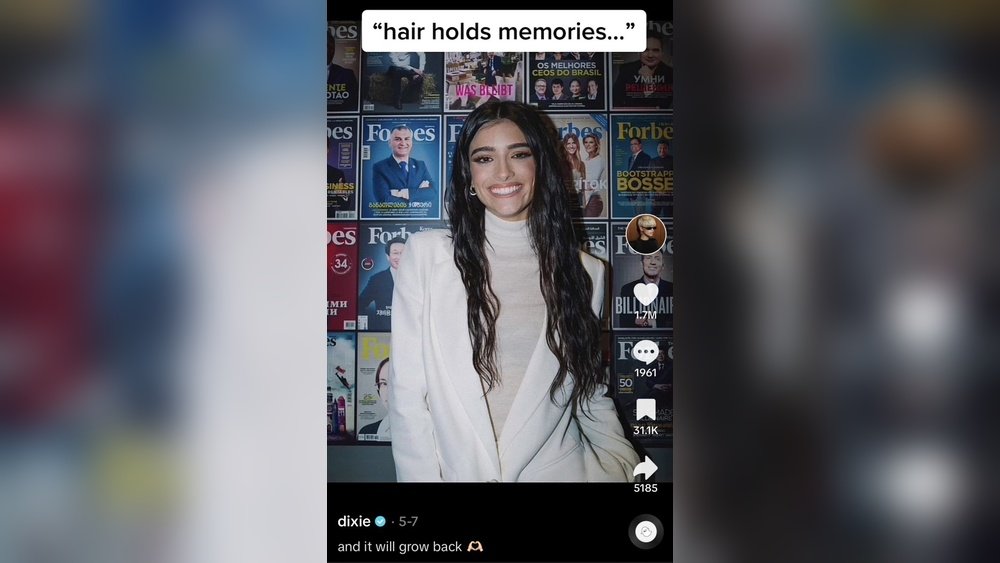
Have you ever wondered if your hair holds more than just strands and style? What if your hair could tell a story—a story of your past emotions, stress, and life experiences?
While hair doesn’t literally store memories like your brain does, it acts as a living record of your journey. From the way it changes with your health and stress levels to the powerful feelings tied to cutting or styling it, your hair is deeply connected to who you are.
Ready to uncover how your hair reflects your inner world and why it feels like it “holds memories”? Keep reading to discover the surprising science and symbolism behind this fascinating idea.
Hair And Memory Myths
Many people believe hair can hold memories. This idea feels true because hair changes with life events. Hair might reflect who we are and what we feel. Cutting hair often means leaving something behind. But does hair really store memories? Science says no. Memories live in the brain, not in hair strands.
Still, hair connects to our emotions and identity in strong ways. It shows how we handle stress and change. Hair acts like a symbol for our past and our feelings. Understanding these myths helps separate fact from fiction.
Literal Memory Storage
Hair does not keep memories like a computer disk. Memories form in brain cells, not in hair fibers. Hair grows from follicles and has no nerves or brain tissue. It cannot record events or store thoughts. Hair is made of keratin, a protein that holds no memory data. No scientific proof exists that hair stores memories literally.
Symbolic Memory Triggers
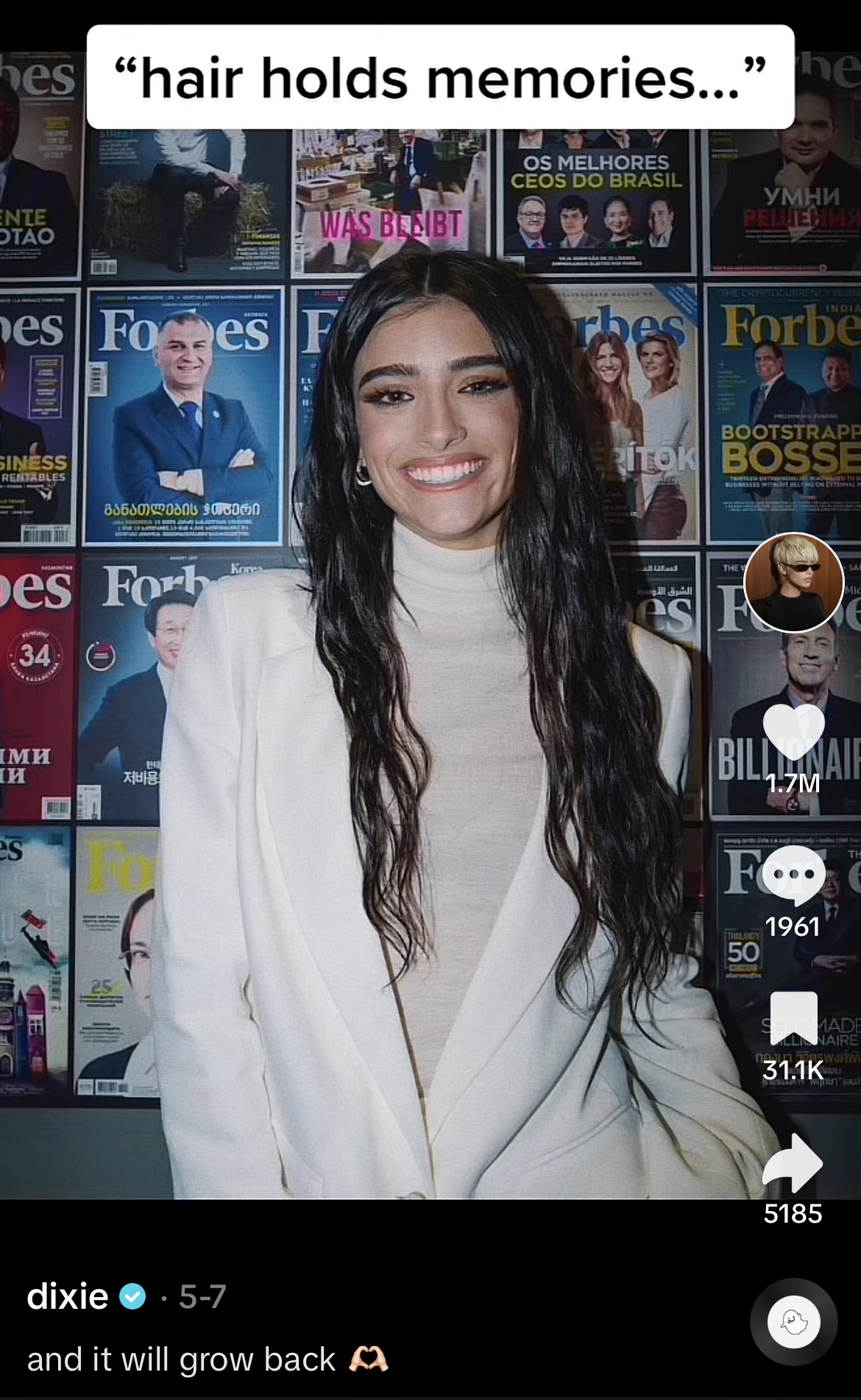
Hair can remind us of past moments and people. A hairstyle or color may bring back old feelings. Haircuts often mark new chapters in life. Smells or textures of hair can trigger strong memories. Hair holds meaning in culture and personal identity. It acts as a bridge between memory and emotion. Hair serves as a symbol, not a container, of memories.

Credit: www.yahoo.com
Scientific Links To Hair
Hair does not store memories like the brain, but science shows strong links between hair and our body’s responses. Hair reflects changes inside us, especially related to stress. Researchers study hair to understand how our body handles stress over time. This connection helps explain why hair changes during tough times.
Stress Hormones In Hair
Hair can hold traces of stress hormones. Cortisol, called the stress hormone, gets into hair as it grows. Scientists can measure cortisol levels from hair samples. These levels show how much stress a person had in past weeks or months. This method helps track long-term stress, unlike blood tests that show short-term changes.
Physical Hair Changes From Stress
Stress affects hair’s health and growth. High stress can cause hair to fall out or grow slower. Hair may become thinner, brittle, or dull under stress. Some people develop patches of hair loss due to stress-related conditions. These physical changes in hair mirror the body’s struggle with emotional or physical pressure.
Hair And Identity
Hair plays a big role in how people see themselves. It shapes first impressions and shows personality. Changes in hair can mark new phases in life. Many feel a strong bond with their hair, linking it to who they are.
People often use hair to express moods and beliefs. Hair can be a reflection of culture, age, or style. It acts as a personal signature that others recognize. This makes hair much more than just strands on the head.
Hair As A Self-image
Hair influences self-confidence and daily attitude. A hairstyle can boost how someone feels inside. It often matches a person’s character and goals. Taking care of hair shows self-respect and pride.
Many choose styles that fit their unique identity. Hair can be a shield or a way to stand out. It helps people control how they are seen. This control supports a strong self-image every day.
Hair Changes Reflect Life Events
Cutting or coloring hair often marks important moments. People change hair after big events like breaks or new jobs. These changes show growth or a fresh start. Hair becomes a symbol of moving forward.
Sometimes, hair holds memories of past times or feelings. Styles can remind people of who they were or want to be. This makes hair a living record of personal history. It connects past experiences to the present.
Cultural And Spiritual Views
Hair carries deep meaning in many cultures and spiritual beliefs. It often symbolizes more than just physical appearance. Across the world, hair connects to identity, energy, and emotions. Many traditions see hair as a vessel of life force or spiritual power. It holds stories of a person’s journey, feelings, and heritage.
People honor hair through rituals and customs, showing respect for its symbolic role. These views shape how societies treat hair and its care. Exploring these perspectives reveals why hair is more than just strands—it is a part of the soul and spirit.
Hair As Energy And Emotion
Hair is thought to store energy and emotions in many spiritual practices. It acts like a natural antenna, absorbing and holding subtle energies. Some believe hair reflects a person’s emotional state and life experiences. When emotions change, hair can react by growing differently or changing texture.
Many cultures see hair as connected to the crown chakra. This chakra links to higher consciousness and spiritual insight. Healthy hair supports the flow of positive energy, helping maintain balance. Cutting or altering hair may affect this energy, symbolizing shifts in personal growth or healing.
Rituals Of Hair Cutting
Hair cutting is a powerful ritual in many traditions. It marks transitions like birth, coming of age, marriage, or mourning. In some cultures, cutting hair releases old energy or memories, allowing renewal. It symbolizes letting go of the past and embracing new phases of life.
Some spiritual groups keep hair as sacred keepsakes. These locks serve as reminders of important moments or spiritual protection. Others use hair offerings to honor ancestors or deities. These rituals show respect for hair’s symbolic role in memory and identity.
Trauma Effects On Hair
Trauma can leave a mark on more than just the mind. It often affects the body, including hair. Hair reacts visibly to physical and emotional stress. Understanding trauma’s effects on hair helps reveal the connection between the two.
Traumatic Alopecia
Traumatic alopecia means hair loss caused by injury to hair follicles. This damage happens through pulling, friction, or physical harm. The hair may fall out in patches or thin over time. Sometimes the scalp shows redness or irritation. This condition varies based on trauma type and duration. It often affects people who experience intense stress or physical strain.
Hair And Emotional Health
Emotional health influences hair growth and condition. Stress releases chemicals that disrupt normal hair cycles. This can cause sudden hair shedding or slower growth. Many people notice hair changes after tough emotional events. Hair can reflect feelings of sadness, anxiety, or fear. Caring for hair may improve self-esteem during healing. The state of hair often mirrors inner emotional struggles.
Credit: thecentraltrend.com
Credit: www.reddit.com
Frequently Asked Questions
Does Hair Actually Keep Memories?
Hair does not literally store memories; memories form in the brain. Hair reflects stress and health changes, symbolizing life experiences.
What Does Psychology Say About Hair?
Psychology views hair as a reflection of self-identity and emotional state. Hair changes often symbolize personal transformation and stress levels. Hair absorbs stress hormones, linking it indirectly to past experiences. Caring for hair boosts self-confidence and affects social interactions positively.
What Is The Spiritual Connection Of Hair?
Hair spiritually symbolizes energy flow, strength, and identity. It connects to the crown chakra, enhancing cosmic and self-awareness.
What Does Trauma Do To Hair?
Trauma damages hair follicles, causing hair loss or thinning called traumatic alopecia. It alters hair growth, texture, and scalp health. Stress from trauma triggers hormonal changes that weaken hair strength and quality. Prolonged trauma can lead to permanent hair loss if untreated.
Conclusion
Hair does not store memories like the brain does. Yet, it reflects feelings and life changes clearly. Cutting or changing hair often marks new beginnings for many. Hair can show stress and health shifts over time. It acts as a symbol of personal stories and identity.
Our hair connects us to emotions and past moments deeply. This makes hair meaningful beyond just appearance. Remember, memories live in the mind, but hair tells a silent story.
As an Amazon Associate, I earn from qualifying purchases.
Lovingshe is a participant in the Amazon Services LLC Associates Program which is an affiliate advertising program designed to provide a means for sites to earn advertising fees by advertising and linking to Amazon.com. Amazon may use cookies to track referrals from our site. Visit Amazon’s privacy policy for details
