


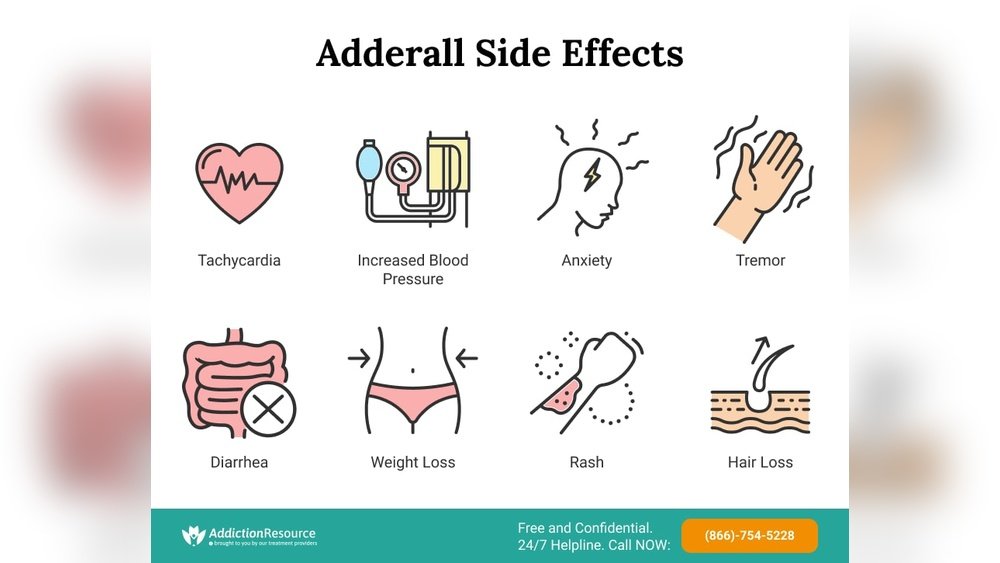
Are you worried that taking Adderall might be causing your hair to thin or fall out? You’re not alone.
Many people wonder if this common medication for ADHD could affect their hair health. While hair loss isn’t the most frequent side effect, it can happen, often linked to factors like stress, changes in your appetite, or sleep problems caused by the drug.
Understanding why this happens and what you can do about it is key to protecting your hair and feeling confident again. Keep reading to learn how Adderall might impact your hair and the steps you can take if you notice hair loss.

Credit: wellnessretreatrecovery.com
Adderall And Hair Loss
Adderall is a widely prescribed medication for ADHD and narcolepsy. Many users wonder about its possible side effects, including hair loss. Understanding the link between Adderall and hair loss can help users manage their health better. This section explores how Adderall might affect hair, common side effects related to hair, and rare cases of hair loss.
How Adderall Affects Hair
Adderall contains stimulants that affect the nervous system. These stimulants can increase stress levels in the body. High stress may push hair follicles into a resting phase, causing hair to shed more than usual. Appetite loss is another effect of Adderall. Reduced appetite can lead to poor nutrition, which impacts hair growth negatively. Sleep problems caused by Adderall also disturb hormones that regulate hair health. These combined effects can make hair weaker or thinner over time.
Common Side Effects Linked To Hair
Hair thinning or shedding is a less common side effect of Adderall. Some users report mild hair loss during treatment. Insomnia and anxiety caused by Adderall can make hair loss worse. Another condition linked to Adderall use is trichotillomania. This is a behavioral disorder where people pull out their own hair due to stress or anxiety. Poor diet and lack of sleep from medication use also add to hair problems. These factors together increase the chance of temporary hair loss.
Rare Hair Loss Cases
Severe or permanent hair loss from Adderall is very rare. Most hair loss cases linked to Adderall are temporary and reversible. When hair loss occurs, it usually stops after adjusting the dose or stopping the medication. Some users may need to see a doctor to rule out other causes. Hair loss might also result from misuse or high doses of Adderall. Monitoring symptoms closely helps catch any unusual hair changes early. Medical advice is crucial for safe management.
Causes Behind Hair Shedding
Hair shedding can happen for many reasons. Understanding these causes helps manage the problem better.
Some causes relate directly to Adderall use. Others come from side effects or lifestyle changes linked to the medication. These factors can affect hair health in different ways.
Stress And Anxiety Impact
Adderall is a stimulant that can increase stress levels. Stress forces hair follicles to stop growing and shed early.
This shedding is called telogen effluvium. It happens when hair enters the resting phase too soon. Anxiety caused by Adderall can make this worse.
Nutritional Deficiencies
Adderall often reduces appetite. This can cause poor nutrition over time. Hair needs vitamins and minerals to stay healthy.
Lack of nutrients like iron, zinc, and protein weakens hair. Weak hair breaks or falls out more easily. Eating well supports hair growth and strength.
Sleep Disruption Effects
Many people on Adderall have trouble sleeping. Poor sleep harms hormone balance in the body. Hormones control hair growth cycles.
Without enough rest, hair growth slows down. Hair may thin or fall out more. Good sleep helps keep hair healthy and strong.
Compulsive Hair Pulling
Some users develop trichotillomania. This is a condition where people pull out their hair compulsively. It can be triggered by stress or the medication itself.
Hair pulling causes visible hair loss. It can lead to bald patches. Addressing this behavior is important for hair recovery.
Identifying Hair Loss From Adderall
Identifying hair loss caused by Adderall requires careful observation of symptoms and patterns. Hair loss linked to this medication often relates to stress, nutrition, or behavioral changes. Understanding the signs helps distinguish Adderall-related hair loss from other causes. Awareness is key to managing and addressing the issue effectively.
Signs Of Telogen Effluvium
Telogen effluvium is a common hair loss type caused by stress or medication. It leads to sudden, diffuse shedding across the scalp. Hair strands become loose and fall out easily during brushing or washing. This condition is usually temporary and reversible once the trigger stops. Adderall’s stimulant effects can push hair follicles into the resting phase, triggering this shedding.
Recognizing Trichotillomania
Trichotillomania is a compulsive hair-pulling disorder sometimes linked to Adderall use. It causes patchy hair loss where individuals pull out their own hair. This behavior often stems from anxiety or nervous tension. The hair loss appears in irregular patches, unlike the uniform thinning seen in telogen effluvium. Identifying this condition early can lead to better treatment outcomes.
Differentiating Other Causes
Hair loss can result from many factors beyond Adderall. Nutritional deficiencies, hormonal imbalances, and other medications may cause similar symptoms. Stress unrelated to medication also plays a significant role. A doctor’s evaluation is essential to rule out other medical conditions. Tracking changes in diet, lifestyle, and medication helps clarify the cause of hair loss.

Credit: www.hairtransplantfue.org
Managing Hair Loss
Managing hair loss linked to Adderall use requires a careful and informed approach. Hair shedding may happen due to stress, poor nutrition, or sleep problems caused by the medication. Taking action early can help reduce hair loss and support healthy growth.
Several steps can help manage this issue, from consulting healthcare professionals to making lifestyle changes and using medical treatments. Each method plays a key role in protecting your hair and overall health.
Consulting Healthcare Professionals
Talking with your doctor is essential if you notice hair loss. They can check if Adderall or other factors cause the problem. A healthcare provider may adjust your dosage or suggest alternative medications. They can also screen for nutrient deficiencies or hormonal imbalances. Early medical advice helps prevent further hair loss and guides proper care.
Lifestyle Adjustments
Simple changes can improve hair health. Eating a balanced diet rich in vitamins supports strong hair. Managing stress through relaxation techniques lowers the chance of hair shedding. Prioritizing good sleep helps regulate hormones that affect hair growth. Avoiding harsh hair treatments or styles reduces scalp damage. These habits protect your hair while you use Adderall.
Medical And Topical Treatments
Doctors may recommend treatments to stimulate hair growth. Topical solutions like minoxidil are popular options. Some patients benefit from vitamin supplements to correct deficiencies. In some cases, prescription medications help reduce shedding. A dermatologist can provide tailored advice and monitor progress. Combining treatments with lifestyle changes often gives the best results.
Preventing Hair Loss While On Adderall
Adderall can sometimes lead to hair loss due to stress, poor nutrition, and sleep problems. Taking steps to protect your hair while using Adderall is important. Simple changes in lifestyle may reduce the risk of hair thinning. Focus on managing stress, eating well, and sleeping better. These habits support hair health and overall well-being.
Stress Reduction Techniques
Stress causes hair follicles to rest and shed hair prematurely. Try deep breathing exercises daily. Meditation helps calm the mind and lower anxiety. Physical activities like walking or yoga ease tension. Keeping a journal can also help manage worries. Reducing stress protects hair from shedding.
Balanced Nutrition Tips
Adderall may reduce appetite, leading to poor nutrition. Eat foods rich in vitamins A, C, and E. Include plenty of protein like eggs, fish, and beans. Iron and zinc also support hair growth. Drink enough water to stay hydrated. Balanced meals strengthen hair follicles and improve growth.
Improving Sleep Quality
Poor sleep disrupts hormones that control hair growth. Create a bedtime routine to relax before sleep. Avoid screens and caffeine in the evening. Keep your bedroom dark and cool for better rest. Aim for seven to eight hours of sleep nightly. Good sleep helps hair stay healthy and strong.
When To Seek Medical Advice
Noticing hair loss while taking Adderall can cause worry. Knowing when to seek medical advice is important. Early consultation helps find the right cause and solution. Professional help can prevent further hair thinning or damage.
Persistent Or Severe Hair Loss
Hair shedding happens naturally but should not last long. Losing large amounts of hair over weeks needs attention. Severe hair loss might signal a health issue or medication side effect. Contact a doctor if hair loss continues or worsens.
Possible Medication Alternatives
Adderall is not the only treatment for ADHD or narcolepsy. Doctors can suggest other medications with fewer side effects. Changing drugs may reduce hair loss and improve well-being. Never stop or switch medicine without medical advice.
Specialist Referrals
Sometimes, a general doctor might refer you to a specialist. A dermatologist can evaluate hair and scalp health. A psychiatrist or neurologist can review medication effects and adjust treatment. Specialists provide focused care for better results.
Credit: www.hims.com
Frequently Asked Questions
Does Adderall Cause Thinning Hair?
Yes, Adderall can cause thinning hair, mainly due to stress, poor nutrition, or sleep disruption. This hair loss is usually temporary.
What Is The Biggest Side Effect Of Adderall?
The biggest side effect of Adderall is increased heart rate and blood pressure, raising risks of serious heart problems.
Why Am I Suddenly Losing So Much Hair?
Sudden hair loss can result from stress, medication side effects, poor nutrition, hormonal changes, or illness. Consult a doctor to identify the cause.
Does Hair Loss From Drugs Grow Back?
Hair loss caused by drugs often grows back after stopping the medication or managing side effects. Consult a doctor for proper guidance.
Conclusion
Adderall may cause hair loss, but it is not common. Stress, poor diet, and sleep problems often play a bigger role. Pay attention to changes in your hair and health. Talk with your doctor if you notice increased shedding or hair pulling.
They can help adjust your treatment or suggest ways to protect your hair. Taking care of your body with good nutrition and rest also supports hair growth. Stay informed and proactive about your health for the best results.
As an Amazon Associate, I earn from qualifying purchases.
Lovingshe is a participant in the Amazon Services LLC Associates Program which is an affiliate advertising program designed to provide a means for sites to earn advertising fees by advertising and linking to Amazon.com. Amazon may use cookies to track referrals from our site. Visit Amazon’s privacy policy for details
