


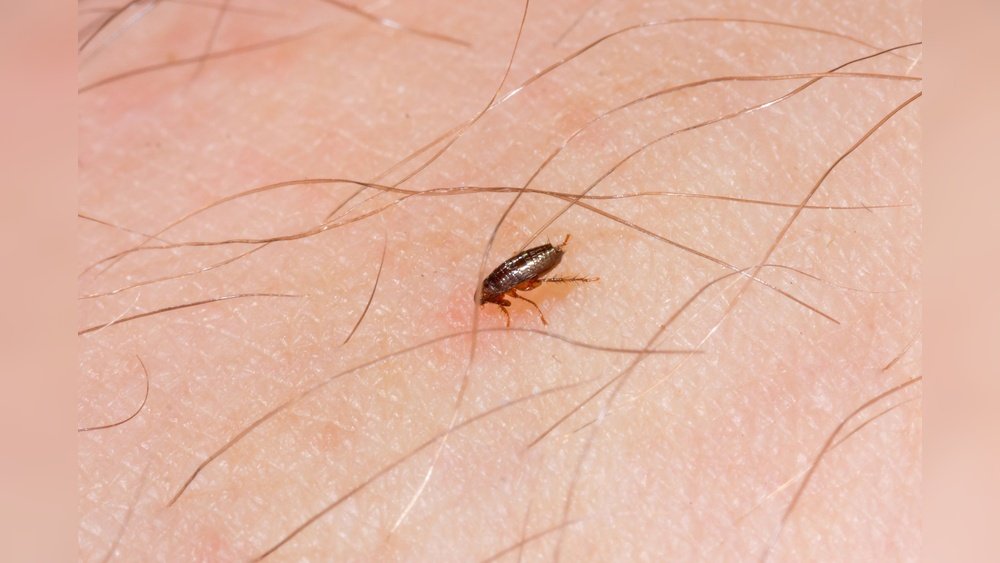
Have you ever wondered if fleas can actually live in your hair? That itchy feeling on your scalp might make you question it.
Fleas are notorious for biting pets, but what about humans like you? Understanding whether these tiny pests can take up residence in your hair is crucial—not just for your comfort, but for your health too. You’ll discover the truth about fleas in human hair, how to spot them early, and what steps you can take to get rid of them fast.
Keep reading to protect yourself and your loved ones from these sneaky invaders.
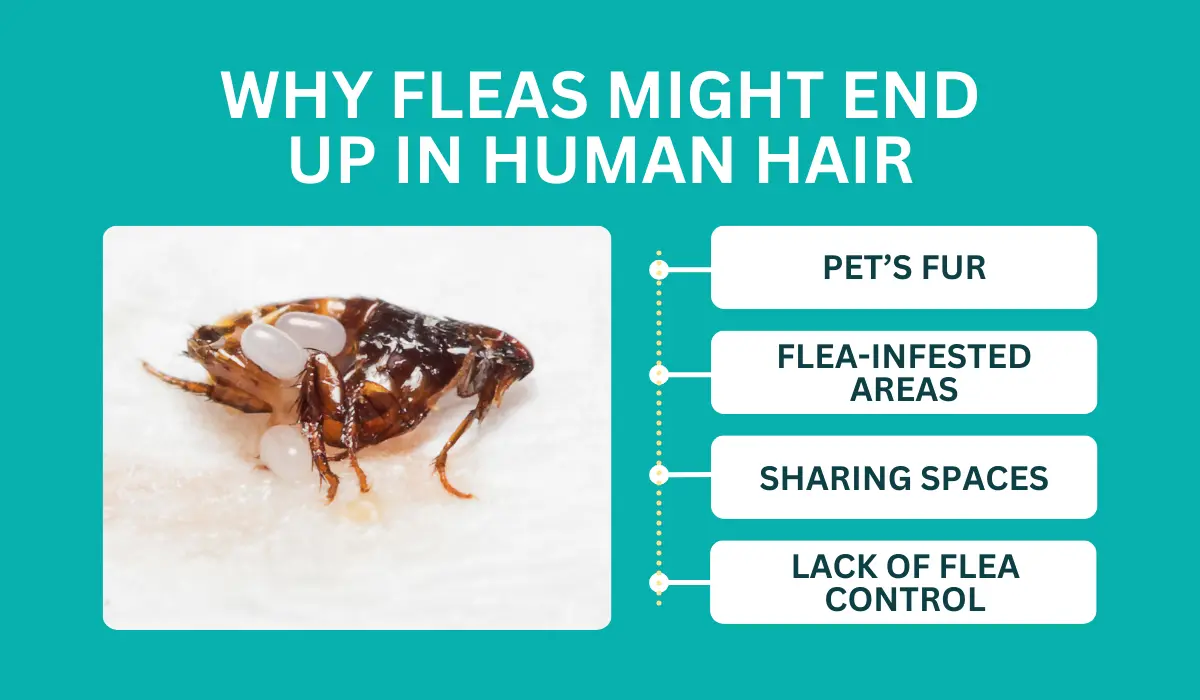
Credit: www.nativepestmanagement.com
Fleas And Human Hair
Fleas are tiny insects that mostly live on animals like dogs and cats. Many people worry about fleas living in human hair. Understanding how fleas behave helps clear up these concerns. Fleas need specific conditions to survive and reproduce.
Human hair is not the ideal place for fleas to live. Fleas prefer animal fur because it provides food and a good environment. People may get flea bites, but fleas do not usually stay in human hair for long.
Can Fleas Live In Human Hair?
Fleas can jump onto human hair, but they do not live there. Human hair is too thin and does not offer the right shelter. Fleas look for places where they can hide and feed easily.
Fleas feed on blood, but they prefer animal hosts. Human skin is not the best food source for fleas. They may bite humans, causing itching and discomfort, but they do not stay in hair.
If fleas are found in hair, it is usually temporary. Fleas quickly leave human hair to find a better host. Cleaning your home and pets is the best way to stop flea problems.
Differences Between Fleas And Lice
Fleas and lice are small insects but very different. Lice live in human hair and feed on human blood. They cannot jump but crawl from hair to hair.
Fleas can jump long distances and live mostly on animals. Fleas do not stay in human hair like lice. Lice cause head itching and can spread easily among people.
Knowing the difference helps find the right treatment. Lice need special shampoos designed to kill them. Fleas require treating pets and the home environment.
Credit: www.healthline.com
Signs Of Fleas In Hair
Detecting fleas in human hair can be challenging. Fleas are tiny and quick, making them hard to notice. Recognizing the signs early helps you take action fast. Here are common signs that suggest fleas might be in your hair.
Intense Itching And Irritation
Itching is usually the first sign of fleas. The bites cause skin irritation and discomfort. You might feel itchy all over your scalp or in one spot. Scratching can make the skin red and sore. This itching often worsens at night.
Red Bumps And Clusters
Flea bites often appear as small red bumps. These bumps may cluster in groups. The skin around the bites can swell and become inflamed. Sometimes, the bumps have a tiny red dot in the center. These marks show where the flea has bitten.
Feeling Crawling Sensations
Many people report a crawling feeling in their hair. This sensation happens when fleas move around. It can feel like tiny insects are running on your scalp. This feeling may cause anxiety and make you scratch more.
Spotting Fleas And Flea Dirt
Sometimes, you can see fleas in your hair. They look like tiny dark specks that move quickly. Flea dirt is another clue. It looks like small black dots or dust on your scalp. Flea dirt is flea feces and may turn red if wet.
Immediate Flea Removal
Fleas can cause intense itching and discomfort if they get on humans. Removing fleas quickly stops bites and skin irritation. Acting fast prevents fleas from biting more and spreading. Immediate flea removal focuses on cleaning hair and skin thoroughly. Proper techniques help wash away fleas and reduce the chance of more bites.
Showering And Washing Techniques
Take a hot shower to remove fleas on your hair and body. Use warm water with soap to wash away fleas. Scrub hair and scalp gently but well to dislodge any fleas hiding. Rinse hair and body several times to ensure fleas are washed off. Avoid using cold water as it may not kill fleas effectively. After showering, dry yourself with a clean towel and change into fresh clothes.
Using Flea Shampoos Safely
Choose flea shampoos made for humans or pets carefully. Follow the instructions on the shampoo label strictly. Avoid using shampoos with harsh chemicals without expert advice. Test a small skin area before full use to check for reactions. Use flea shampoo only as needed, not daily. Rinse hair thoroughly after shampooing to remove all residues. Flea shampoos can kill fleas and soothe itchy skin.

Credit: www.itchpet.com
Preventing Flea Infestations
Preventing flea infestations is key to avoiding bites and discomfort. Fleas can live on pets and in the environment, making prevention necessary. A clean home and treated pets reduce the chances of fleas spreading. Simple steps keep fleas away and protect your family.
Cleaning Clothes And Bedding
Wash clothes and bedding in hot water regularly. Heat kills flea eggs and larvae effectively. Use a high-temperature dryer to ensure no pests survive. Clean bedding often to remove any fleas hiding there. This stops fleas from multiplying in your home.
Vacuuming Floors And Furniture
Vacuum carpets, rugs, and furniture daily to capture fleas and their eggs. Empty the vacuum bag or canister outside immediately to prevent fleas from escaping. Focus on areas where pets rest or spend time. Regular vacuuming breaks the flea life cycle and keeps your home flea-free.
Treating Pets For Fleas
Use vet-approved flea treatments on all pets. Flea collars, topical drops, and oral medicines help control fleas on animals. Check pets for fleas often, especially after outdoor activity. Treating pets stops fleas from spreading to your home and family.
Home And Yard Treatments
Apply flea sprays or foggers inside your home to kill fleas and eggs. Treat outdoor areas where pets play or rest to reduce flea populations. Keep grass trimmed and remove debris to limit flea habitats. Consistent treatment inside and outside prevents flea infestations effectively.
When To Seek Professional Help
Knowing when to seek professional help is vital if fleas invade your hair or living space. Fleas can be tricky pests to handle alone. Some situations demand expert intervention to protect your health and home. Recognizing these signs early saves time and discomfort.
Persistent Infestations
Fleas may return even after home treatments. Persistent infestations need professional pest control. Experts use stronger methods that reach flea eggs and larvae. They treat carpets, furniture, and pet areas deeply. If you still find fleas weeks after cleaning, call a professional. This stops the cycle and prevents more bites.
Health Risks From Flea Bites
Flea bites can cause serious skin reactions. Some people develop rashes, swelling, or infections. Fleas might carry diseases like typhus or tapeworms. If you see signs of allergic reactions or infections, seek medical advice. Professionals can help treat bites and suggest ways to avoid future problems. Protect your health by acting fast.
Frequently Asked Questions
Does Showering Get Rid Of Fleas On Humans?
Showering with hot water and soap removes and kills fleas on skin and hair temporarily. It doesn’t stop reinfestation. Treat pets and clean your home for lasting flea control.
How Do You Know If You Have Fleas In Your Hair?
Intense scalp itching and small red bumps near the hairline indicate fleas in hair. You may also feel crawling sensations. Check for tiny dark specks or flea dirt. Persistent irritation after contact with pets suggests fleas presence in your hair.
Can A Flea Live In Human Hair?
Fleas rarely live in human hair because they prefer animal fur. They may temporarily crawl on hair but do not stay long.
How Long Can A Flea Live On A Human Head?
Fleas rarely live long on human heads, typically surviving only a few hours to a day. They prefer animal fur for feeding and breeding.
Conclusion
Fleas rarely live in human hair for long. They prefer animal fur and bite skin instead. Taking a hot shower can wash off fleas on your body. Still, fleas often come from pets and your home. Treating your pets and cleaning your house is essential.
Vacuum floors, wash bedding, and use flea treatments. This stops fleas from returning again and again. Staying clean and caring for pets keeps fleas away. Remember, fleas do not make humans their main home.
As an Amazon Associate, I earn from qualifying purchases.
Lovingshe is a participant in the Amazon Services LLC Associates Program which is an affiliate advertising program designed to provide a means for sites to earn advertising fees by advertising and linking to Amazon.com. Amazon may use cookies to track referrals from our site. Visit Amazon’s privacy policy for details
