


Have you ever wondered why pulling your hair can actually feel good, even though it might seem strange or uncomfortable to others? If you find yourself tugging at strands when you’re stressed, bored, or anxious, you’re not alone—and there’s a real reason behind that sensation.
When you pull your hair, your brain releases chemicals that make you feel calm and even a bit euphoric. This creates a cycle where the tension melts away for a moment, encouraging you to do it again. But why does this happen, and what does it mean for your mental and emotional health?
Keep reading to uncover the surprising science behind why pulling hair feels good and learn when it might be time to seek help.

Credit: www.reddit.com
Hair Pulling As A Coping Mechanism
Hair pulling often acts as a way to cope with difficult feelings. People use it to handle stress, anxiety, or moments of boredom. This action can bring a brief sense of calm or relief. It may feel good because it triggers the brain’s release of soothing chemicals. Understanding hair pulling as a coping mechanism helps explain why it happens and how it affects emotions.
Stress And Anxiety Relief
Pulling hair can reduce feelings of stress and anxiety. It creates a small distraction from overwhelming thoughts. The brain releases endorphins, which help ease tension. This calming effect makes hair pulling a quick way to feel better. Many people do it without realizing it helps them cope.
Managing Boredom And Tension
When boredom or tension builds up, hair pulling offers a way to stay active. The repetitive motion provides sensory input that breaks the dullness. This action helps release nervous energy and focus the mind. It can feel soothing during long or quiet moments. This makes hair pulling a common response to inactivity.
Ritualistic Behaviors
Some individuals perform hair pulling as a ritual. They may feel for certain hairs or examine them closely. These small actions give a sense of control and satisfaction. Rituals create comfort by making the behavior predictable and focused. This helps ease feelings of unease or restlessness.
:max_bytes(150000):strip_icc()/trichotillomania-hair-pulling-disorder-5089316-v1-943c1ede740a4c878aad6663a8d22638.jpg)
Credit: www.verywellhealth.com
Neurological Factors Behind The Urge
Hair pulling often feels good due to complex neurological processes. These processes involve brain chemicals and systems that control pleasure and habits. Understanding these factors helps explain the strong urge behind this behavior.
Endorphin Release And Pleasure
Pulling hair triggers the release of endorphins in the brain. Endorphins are natural chemicals that reduce pain and create a feeling of pleasure. This release can make hair pulling feel soothing or calming. The sensation encourages repeating the behavior to feel good again.
Brain Chemistry And Neurotransmitters
Neurotransmitters like dopamine and serotonin affect mood and impulse control. Imbalances in these chemicals may increase urges to pull hair. Dopamine, linked to reward and motivation, can make hair pulling feel rewarding. Serotonin helps regulate mood, and low levels might raise anxiety, triggering hair pulling as relief.
Reward System And Habit Formation
The brain’s reward system learns to connect hair pulling with comfort. This connection strengthens the habit over time. Repeated hair pulling activates pleasure centers, making it harder to resist. The behavior becomes automatic, forming a cycle similar to addiction.
Trichotillomania: The Hair-pulling Disorder
Trichotillomania is a hair-pulling disorder that affects many people worldwide. It causes an uncontrollable urge to pull out hair from the scalp, eyebrows, or other body parts. This behavior often leads to noticeable hair loss and distress.
People with trichotillomania pull hair to relieve tension or feel pleasure. The act can become a habit that is hard to stop. Understanding this disorder helps explain why pulling hair sometimes feels good.
Signs And Symptoms
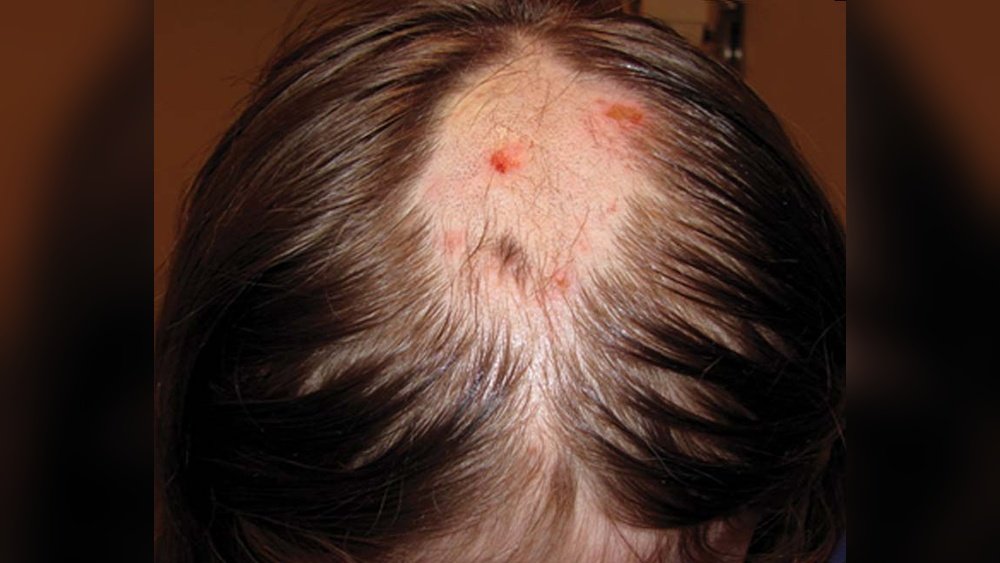
Hair loss in patches is a common sign. The skin may look irritated or damaged. People often hide these areas with hats or scarves.
Other symptoms include feeling anxious or restless before pulling hair. Some feel relief or satisfaction after pulling. The urge to pull hair can happen daily or in short bursts.
Automatic Vs Focused Pulling
Automatic pulling happens without thinking. People may pull hair while doing other tasks like watching TV. They are often unaware of the behavior.
Focused pulling is more conscious. People pay attention to the hair they pull. They may feel specific textures or look at the pulled hair closely.
Both types of pulling provide a sense of comfort or relief. They can happen separately or together in the same person.
Emotional And Psychological Links
Stress, anxiety, and boredom often trigger hair pulling. It serves as a way to manage difficult feelings. Pulling hair can bring a temporary sense of control or calm.
Some people feel shame or guilt after pulling. These emotions can make the urge stronger. The brain releases chemicals that create pleasure, reinforcing the habit.
Trichotillomania is linked to brain chemistry changes. Imbalances in dopamine and serotonin affect impulse control. This makes stopping the behavior challenging without help.
When Hair Pulling Becomes A Problem
Hair pulling can start as a small habit but turn into a serious issue. It often begins as a way to relieve stress or boredom. Over time, the behavior may become uncontrollable and harmful. Understanding when hair pulling becomes a problem is important for health and well-being.
Physical And Emotional Consequences
Repeated hair pulling can cause noticeable hair loss. This may lead to bald patches on the scalp or other body areas. Skin irritation, scabs, and infections can also occur. These physical effects might cause pain and discomfort.
Emotionally, hair pulling can bring shame and low self-esteem. Many feel anxious or embarrassed about their appearance. The behavior can lead to social withdrawal and isolation. Stress and guilt often increase the urge to pull more hair, creating a tough cycle.
Recognizing The Need For Help
Hair pulling becomes a problem when it disrupts daily life. Difficulty controlling the urge or hiding the behavior are red flags. Negative effects on work, school, or relationships show the issue is serious.
Seeking help from a healthcare professional is important. Therapy, such as cognitive behavioral therapy, can reduce hair pulling. Support groups and habit reversal training also help manage symptoms. Early intervention improves chances of recovery and better mental health.
Treatment Options And Support
Finding the right treatment and support is key to managing hair-pulling urges. Various options help reduce the urge and improve emotional health. Support also plays a crucial role in recovery and coping.
Understanding these treatments can guide you or a loved one toward better control and relief.
Cognitive Behavioral Therapy (cbt)
CBT helps change thoughts and behaviors linked to hair pulling. It teaches skills to resist urges and manage triggers. One common type is Habit Reversal Training (HRT). This method replaces hair pulling with healthier actions. Sessions often include tracking urges and learning relaxation techniques. CBT is effective in reducing hair-pulling episodes over time.
Medications And Medical Approaches
Some medications help balance brain chemicals involved in hair pulling. Doctors may prescribe antidepressants or anti-anxiety drugs. These can reduce urges and improve mood. Medical approaches vary depending on individual needs and symptoms. Always consult a healthcare provider before starting any medication. Medication works best combined with therapy and support.
Support Groups And Self-help Strategies
Support groups offer a safe space to share experiences and advice. Talking with others facing the same challenge reduces feelings of isolation. Self-help strategies include stress management, mindfulness, and keeping hands busy. Journaling urges and triggers can increase awareness. Building a support network strengthens commitment to change and recovery.
Credit: neurosciencenews.com
Frequently Asked Questions
Why Do I Enjoy Pulling My Hair Out?
You enjoy pulling hair because it relieves stress or boredom by releasing feel-good chemicals like endorphins. This creates temporary pleasure and a coping cycle.
Why Do I Feel Relieved When I Pull My Hair?
Pulling hair releases endorphins, creating a calming, pleasurable feeling. This relieves stress, anxiety, or boredom temporarily.
Is Hair-pulling Ocd Or Adhd?
Hair-pulling is primarily linked to Trichotillomania, a compulsive disorder related to OCD. It is not a symptom of ADHD.
Why Does My Head Feel Better When I Pull My Hair?
Pulling hair releases endorphins, creating a calming, pleasurable feeling. It helps reduce stress and tension temporarily. This can become a compulsive habit linked to brain chemistry.
Conclusion
Pulling hair often feels good because it eases stress and tension. The brain releases chemicals that bring comfort and calm. This behavior can become a habit, linking relief with hair pulling. Many people do it without thinking, while others focus on the feeling.
Understanding why helps recognize when it becomes a problem. If hair pulling causes harm or distress, seeking support is important. Professionals can guide you toward healthier ways to cope. Remember, you are not alone in this experience. Small steps can lead to better control and well-being.
As an Amazon Associate, I earn from qualifying purchases.
Lovingshe is a participant in the Amazon Services LLC Associates Program which is an affiliate advertising program designed to provide a means for sites to earn advertising fees by advertising and linking to Amazon.com. Amazon may use cookies to track referrals from our site. Visit Amazon’s privacy policy for details
