


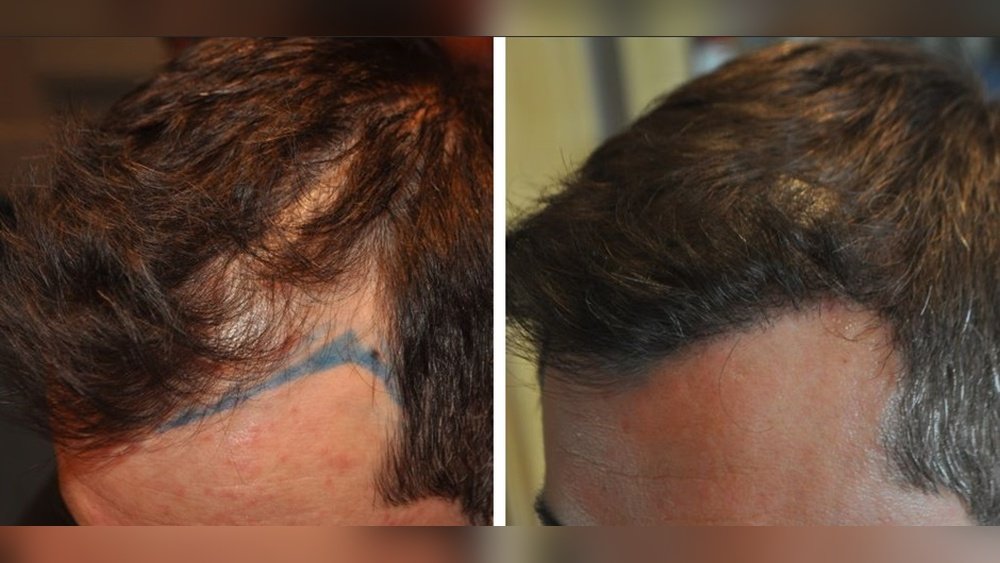
Are you noticing your hair looking thinner or feeling weaker than before? If so, you’re not alone—and you might be wondering if collagen could be the secret to thicker, healthier hair.
Collagen is often talked about for its skin benefits, but what about its role in hair health? Could boosting your collagen intake actually slow down hair thinning or even promote new growth? You’ll discover how collagen works in your body, what science says about its effects on thinning hair, and whether adding collagen supplements to your routine could make a real difference for your hair’s strength and volume.
Keep reading to find out if collagen is the missing piece in your hair care puzzle.
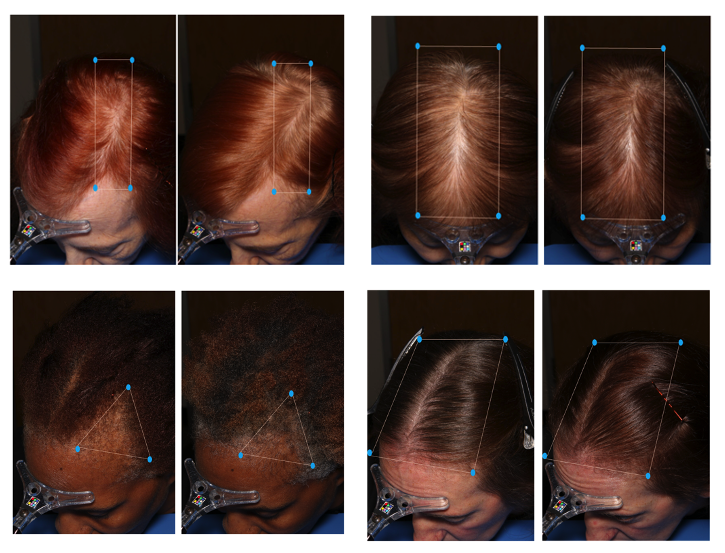
Credit: www.mdhair.co
Role Of Collagen In Hair Structure
Collagen is a key protein in the body that supports skin, bones, and hair. It forms a strong base for hair strands. Healthy collagen levels help hair stay thick and resilient. As collagen production drops with age, hair can become thinner and weaker. Understanding collagen’s role helps explain how it may affect thinning hair.
Collagen And Hair Follicles
Hair follicles rely on collagen for strength and structure. Collagen surrounds each follicle, protecting it from damage. It also supports the skin layer where follicles grow. When collagen decreases, follicles may shrink or weaken. This can slow hair growth and cause hair to thin. Maintaining collagen helps keep follicles healthy and active.
Amino Acids From Collagen
Collagen provides important amino acids like proline and glycine. These building blocks are essential for producing keratin. Keratin is the main protein in hair strands. Without enough amino acids, hair can become brittle and break easily. Consuming collagen can supply these amino acids, supporting stronger, thicker hair growth.
Causes Of Thinning Hair
Thinning hair affects many people worldwide. Understanding its causes is key to finding the right treatment. Various factors contribute to hair thinning, ranging from genetics to lifestyle choices. Identifying these causes can help manage and possibly slow down hair loss.
Genetic Factors
Genetics play a major role in hair thinning. If your family has a history of hair loss, you might inherit this trait. Male and female pattern baldness are common genetic causes. These conditions affect the hair follicles, causing them to shrink over time. As a result, hair becomes thinner and falls out more easily.
Nutritional Deficiencies
Poor nutrition can lead to thinning hair. Hair needs vitamins and minerals to grow strong. Lack of iron, zinc, and vitamins like B12 and D can weaken hair. Protein is also essential since hair is mostly made of it. Eating a balanced diet supports healthy hair growth and reduces thinning risks.
Environmental Stressors
Environmental factors impact hair health. Exposure to pollution, harsh weather, and chemicals can damage hair. Stress from daily life also affects hair growth cycles. Overuse of heat styling tools or harsh hair products weakens hair strands. Protecting hair from these stressors helps maintain thickness and strength.
Collagen Supplements For Hair Health
Collagen supplements have gained popularity for supporting hair health. These supplements supply the body with essential amino acids that help build keratin, the key protein in hair. Many people use collagen to combat thinning hair and to boost hair strength and shine.
Understanding the types of collagen supplements, their absorption, and the right dosage helps in making an informed choice for hair care.
Types Of Collagen Supplements
Collagen supplements come in various forms. The most common are hydrolyzed collagen peptides, which break down collagen into smaller pieces. These are easier for the body to absorb.
Other types include gelatin and undenatured collagen. Marine collagen, sourced from fish, is popular for its high absorption rate. Bovine collagen comes from cows and is widely available.
Absorption And Bioavailability
Hydrolyzed collagen has better absorption than whole collagen. Smaller collagen peptides enter the bloodstream more easily. This helps them reach hair follicles faster.
Taking collagen with vitamin C improves absorption. The body needs vitamin C to produce new collagen. Drinking collagen supplements on an empty stomach may boost bioavailability.
Recommended Dosage
Most studies suggest 2.5 to 10 grams of collagen daily for hair benefits. Starting with 5 grams per day is a common approach. Consistency is key; results may take several weeks.
Consult a healthcare provider before starting any supplement. They can recommend the correct dose based on individual needs.
Scientific Evidence On Collagen And Hair
Scientific research explores collagen’s role in hair health and thinning. Studies test if collagen supplements improve hair thickness, growth, and strength. Researchers compare collagen to other nutrients to find the best support for thinning hair.
Here is a look at the key scientific findings on collagen and hair.
Studies On Hair Thickness And Density
Research shows collagen peptides may increase hair thickness and density. One study found participants had fuller hair after taking collagen supplements for several months. Collagen provides amino acids that help build keratin, a protein vital for hair strength.
Improved scalp coverage also appeared in some trials. These results suggest collagen supports the structure of hair strands and scalp skin.
Effects On Hair Growth Cycle
Collagen might influence the hair growth cycle by reducing hair follicle damage. Healthy follicles grow hair longer and reduce shedding. Some lab studies reveal collagen helps protect follicles from oxidative stress.
This protection may extend the growth phase of hair and delay thinning. More human trials are needed to confirm these effects fully.
Comparison With Other Supplements
Collagen differs from biotin and vitamins that directly nourish hair follicles. Biotin supports keratin production, while collagen supplies building blocks for hair structure. Some experts suggest combining collagen with other supplements for better results.
Unlike some supplements, collagen also benefits skin and joint health. This broader effect may make it a valuable choice for overall wellness.
Collagen Vs. Biotin For Thinning Hair
Thinning hair affects many people and prompts questions about the best supplements. Collagen and biotin often come up as popular choices. Each plays a different role in hair health. Understanding their effects helps in choosing the right option.
Biotin Deficiency And Hair Loss
Biotin is a B vitamin essential for healthy hair growth. A lack of biotin can lead to hair thinning and loss. Biotin deficiency is rare but can happen due to poor diet or certain medical conditions. Restoring biotin levels often improves hair strength and prevents further loss. Biotin supports keratin production, a protein vital for hair structure.
Synergistic Effects Of Both Supplements
Collagen and biotin work well together to support hair health. Collagen provides amino acids needed for hair building blocks. Biotin helps the body use these nutrients effectively. Taking both may enhance hair thickness and reduce breakage. Their combined use promotes a healthier scalp environment. Together, they support stronger, fuller hair over time.
Additional Benefits Of Collagen For Hair
Collagen offers more than just support for thinning hair. It contributes to overall hair strength and vitality. Its benefits extend beyond hair growth, improving the hair’s condition and appearance. Here are some key additional advantages of collagen for hair health.
Reducing Hair Breakage
Collagen strengthens hair strands by improving their elasticity. Stronger strands break less during brushing or styling. This reduces hair fall caused by mechanical damage. It also helps maintain hair length and fullness. Consistent collagen supply supports hair resilience over time.
Improving Scalp Health
The scalp needs collagen for a healthy environment. Collagen supports skin structure, keeping the scalp firm and elastic. A healthy scalp promotes better hair follicle function. It reduces dryness and irritation that can lead to hair loss. Healthy skin means healthier hair growth conditions.
Slowing Hair Graying
Collagen contains amino acids essential for pigment production. These nutrients help maintain natural hair color longer. Collagen may support melanin synthesis, which gives hair its color. Slower graying means hair looks youthful for a longer time. This effect helps preserve hair’s vibrant look naturally.
Potential Side Effects And Risks
Collagen supplements are popular for improving hair health. Many people try them to fight thinning hair. It is important to know about possible side effects and risks before starting collagen. Understanding these can help you make a safer choice for your hair and overall health.
Common Side Effects
Some users report mild side effects with collagen supplements. These include stomach upset, feeling bloated, or mild diarrhea. Allergic reactions are rare but possible. Symptoms may include itching, swelling, or rash. If you notice any unusual signs, stop taking collagen and consult a doctor.
Who Should Avoid Collagen Supplements
People with allergies to fish, shellfish, or eggs should avoid some collagen types. Pregnant or breastfeeding women should speak to a healthcare provider first. Those with kidney or liver problems need medical advice before use. Collagen might interact with some medications, so check with a doctor if you take regular medicine.
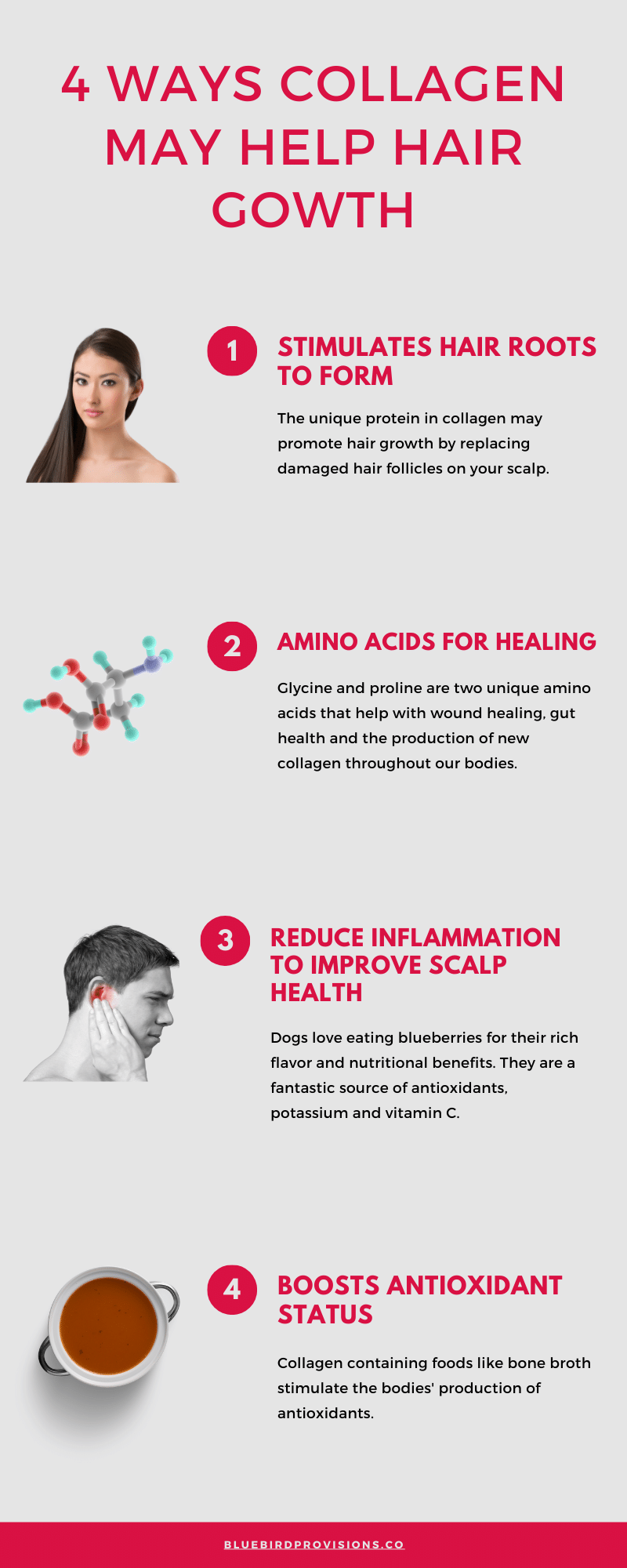
Credit: bluebirdprovisions.co
Tips For Enhancing Hair Growth Naturally
Enhancing hair growth naturally involves simple, effective habits. These habits support hair strength and reduce thinning. Focusing on diet, hair care, and lifestyle can improve your hair health over time.
Consistent care nourishes hair follicles and promotes growth. Natural methods often work best for lasting results.
Diet And Nutrition
Eating a balanced diet is crucial for healthy hair. Include foods rich in protein, vitamins, and minerals. Vitamin C helps produce collagen, which supports hair structure. Iron and zinc strengthen hair follicles and prevent hair loss. Drinking enough water keeps your scalp hydrated and healthy. Avoid excessive sugar and processed foods, which can harm hair growth.
Hair Care Practices
Gentle hair care prevents breakage and thinning. Use mild shampoos that do not strip natural oils. Avoid harsh chemicals and heat styling tools. Regular scalp massages increase blood flow to hair roots. Trim split ends to maintain hair strength and appearance. Limit tight hairstyles that pull on hair and cause damage.
Lifestyle Changes
Stress negatively affects hair growth and causes shedding. Practice relaxation techniques like meditation or yoga. Ensure you get enough sleep for body repair and hair health. Regular exercise improves circulation and delivers nutrients to hair follicles. Avoid smoking and excessive alcohol, which weaken hair quality.
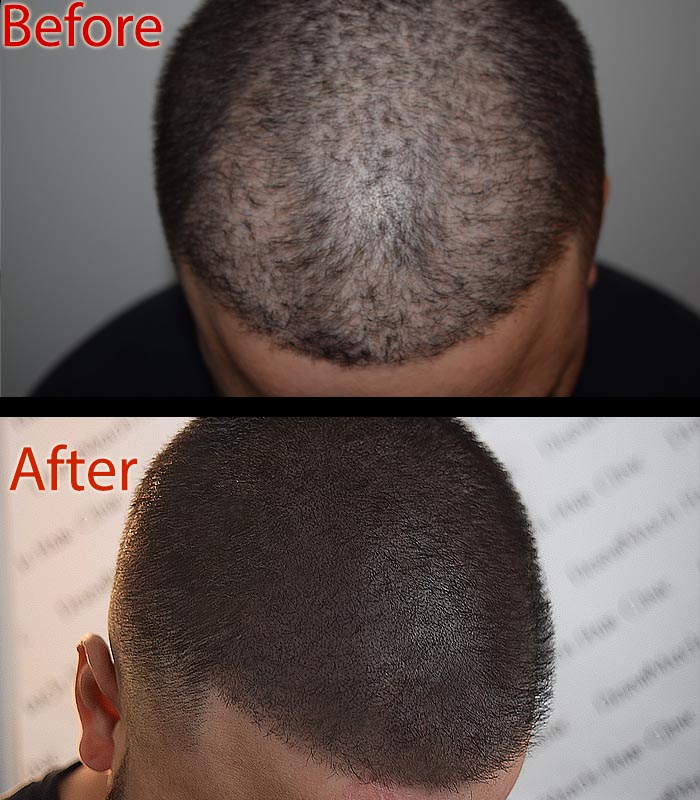
Credit: www.dermimatch.com
Frequently Asked Questions
Is Biotin Or Collagen Better For Thinning Hair?
Biotin aids hair growth mainly in deficiency cases, while collagen strengthens hair and may reduce thinning. Both support hair health.
How Long Does It Take For Collagen To Improve Hair?
Collagen may improve hair strength and thickness within 6 to 12 weeks of regular use. Results vary by individual.
Does Collagen Really Help With Thinning Hair?
Collagen provides amino acids essential for hair structure. It may strengthen hair and reduce breakage, supporting thicker hair over time.
How Long Does Collagen Take To Improve Hair?
Collagen benefits usually appear after 6 to 12 weeks of consistent use. Results vary depending on individual hair health and supplementation.
Conclusion
Collagen supports hair health by providing key amino acids. It may strengthen hair and reduce breakage over time. Some studies suggest collagen helps slow thinning and improve thickness. Results can vary depending on individual factors and supplement quality. Maintaining a balanced diet and good hair care is essential too.
Collagen works best as part of a healthy lifestyle. Patience is important since hair growth takes time. Overall, collagen could be a helpful addition for thinning hair.
As an Amazon Associate, I earn from qualifying purchases.
Lovingshe is a participant in the Amazon Services LLC Associates Program which is an affiliate advertising program designed to provide a means for sites to earn advertising fees by advertising and linking to Amazon.com. Amazon may use cookies to track referrals from our site. Visit Amazon’s privacy policy for details
