


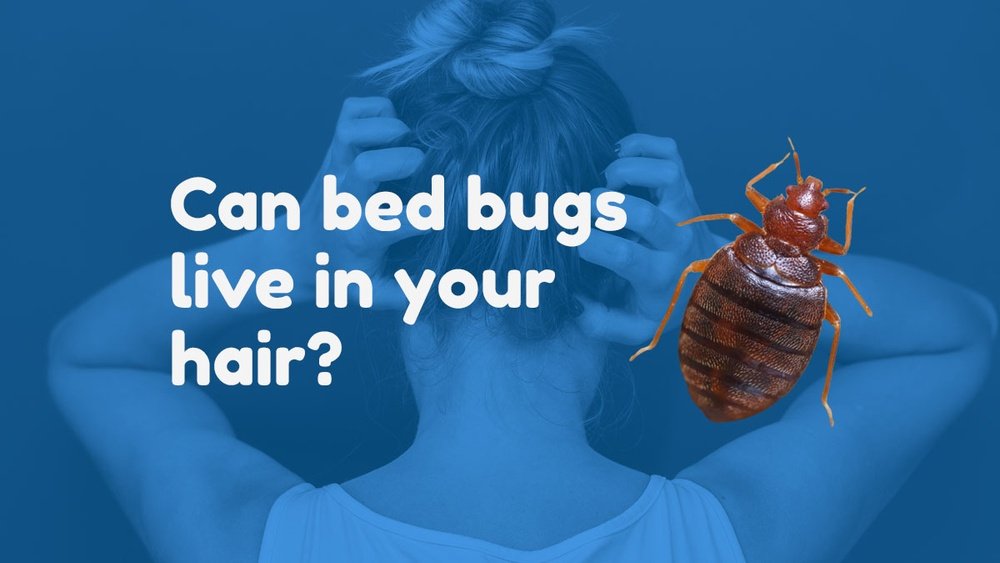
Are you worried about bed bugs crawling into your hair while you sleep? It’s a common fear, but what’s the truth behind it?
Understanding whether bed bugs actually get in your hair can help you stay calm and take the right steps if you suspect an infestation. You’ll discover how to tell the difference between bed bugs and head lice, what signs to watch for on your skin and in your environment, and the best ways to protect yourself and your home.
Keep reading to clear up the confusion and learn how to keep your hair—and your peace of mind—bug-free.
Bed Bugs And Hair Myths
Many people worry about bed bugs crawling into their hair. This fear comes from stories and myths that spread online and offline. Understanding the truth helps calm those fears. Bed bugs have different habits than other pests like lice. Knowing these facts clears confusion and helps you focus on real risks.
Why Bed Bugs Avoid Hair
Bed bugs prefer warm, hidden places near their food source. They feed on exposed skin during sleep. Hair is not an ideal place for them. Hair is thick and hard to move through. Bed bugs do not have strong claws to grip hair strands. They are slow movers and avoid places that make travel difficult. Bed bugs stay close to mattresses, bed frames, and furniture. They come out mainly at night to feed. Hair offers no advantage for feeding or hiding. This explains why bed bugs avoid hair.
Common Misconceptions
Many confuse bed bugs with head lice. Both bite and cause itching, but they are different. Lice live in hair and lay eggs on hair strands. Bed bugs do not lay eggs on hair or scalp. Bed bugs leave red, itchy welts on skin, not in hair. Some think small bugs in hair are bed bugs, but they are likely lice. Bed bugs rarely climb onto people’s bodies except to feed. They quickly return to hiding spots. Misunderstanding these facts causes unnecessary worry. Knowing the difference helps you take proper action.

Credit: freedomwildlifesolutions.com
Signs Of Bed Bug Bites Near Hair
Bed bug bites near the hair can cause discomfort and confusion. These bites often show on skin around the hairline, neck, and scalp. Recognizing the signs helps identify a bed bug problem early.
Pay close attention to how the bites look and feel. Understanding these signs guides you in taking the right steps to protect yourself.
Itchy Red Welts Pattern
Bites usually appear as red, raised welts. They are very itchy and often appear in a line or cluster. This pattern is sometimes called “breakfast, lunch, and dinner.”
The skin around the hairline and neck may have these welts. They can be swollen and painful to touch.
Delayed Bite Reactions
Bites may not show up immediately. Sometimes, it takes days for redness and itching to start. This delay can confuse people about the cause.
Watch your skin for several days after possible bed bug exposure. Early signs may be mild but can get worse.
Other Infestation Indicators
Look for small blood spots on pillows or sheets. Dark spots, which are bed bug droppings, may appear on mattresses.
A musty, sweet smell is common in heavy infestations. Shed skins from bed bugs might also be visible near the bed.
Spotting Bugs Or Eggs In Hair
Spotting bugs or eggs in hair can cause worry and confusion. Bed bugs rarely live in hair. They prefer hiding in beds or furniture. Bugs or eggs found on hair usually mean head lice. Identifying the type of bug is important for proper treatment. The following sections help you recognize lice and symptoms of infestation.
Head Lice Identification
Head lice are tiny, wingless insects about the size of a sesame seed. They cling tightly to hair shafts near the scalp. Their eggs, called nits, look like small white or yellowish dots. Nits stick firmly to hair and do not brush off easily. Lice move quickly but avoid light, hiding close to the scalp. Bed bugs do not live on the scalp or hair.
Symptoms Of Lice Infestation
Intense itching on the scalp is a common sign of lice infestation. This itching results from an allergic reaction to lice bites. You might see small red bumps or sores on the scalp, neck, and shoulders. Dandruff-like flakes that do not brush away could be nits. Sometimes, you can spot tiny moving bugs on the hair or scalp. If these symptoms occur, check hair closely for lice or nits.
Bed Bugs Vs. Head Lice
Bed bugs and head lice are tiny pests that cause discomfort but differ greatly in behavior and habitat. Understanding their differences helps identify the problem correctly. This section compares bed bugs and head lice to clarify if bed bugs get in your hair.
Habitat Differences
Bed bugs hide in beds, furniture, and cracks near sleeping areas. They prefer dark, quiet places close to human skin for feeding. Bed bugs do not live in hair. They come out at night to feed on exposed skin.
Head lice live only on the scalp and hair of humans. They cling tightly to hair shafts and lay eggs (nits) near the scalp. Lice cannot survive away from the human head for long. They need the warmth and blood from the scalp.
Bite And Itch Patterns
Bed bug bites appear on skin exposed during sleep. Common spots include the face, neck, arms, and hands. Bites often form lines or clusters of red, itchy welts. The itching may start days after the bite.
Head lice cause intense itching on the scalp and behind the ears. The scalp may become red and irritated from scratching. Unlike bed bugs, lice do not bite exposed skin but feed by sucking blood from the scalp.
Actions To Take For Suspected Infestations
Suspecting an infestation of bugs in your hair or home can cause stress and confusion. Acting quickly helps control the problem and prevents it from worsening. Knowing the right steps for lice and bed bugs is key to effective treatment. Stay calm and follow a clear plan to protect yourself and your family.
Treating Lice In Hair
Start by checking the scalp closely for tiny bugs or eggs. Use a fine-toothed nit comb to remove lice and nits from hair strands. Apply an over-the-counter lice treatment shampoo according to the instructions. Repeat the treatment after 7 to 10 days to kill newly hatched lice. Wash all clothing, bedding, and hats in hot water to kill any remaining lice. Avoid sharing personal items like combs and brushes to prevent spreading.
Handling Bed Bug Infestations
Inspect your mattress, bed frame, and nearby furniture for signs of bed bugs. Look for small rust-colored spots or shed skins around seams and crevices. Vacuum the entire room thoroughly, focusing on cracks and edges. Encase mattresses and pillows in protective covers designed to trap bed bugs. Contact a licensed pest control professional for a thorough treatment plan. Do not try to use DIY sprays that may be ineffective or harmful. Continue monitoring for bites and signs after treatment to ensure the infestation is gone.
Can Bed Bugs Live On Your Body?
Can bed bugs live on your body? This question worries many people who face bed bug infestations. Bed bugs do bite humans and feed on their blood. Yet, their survival on the human body is very different from other parasites like lice. Understanding how bed bugs behave helps clear up common myths.
Feeding Habits Of Bed Bugs
Bed bugs feed on blood but only for short periods. They come out mostly at night to bite exposed skin. Their bites cause red, itchy welts. After feeding, bed bugs retreat to hiding spots. These are usually cracks, mattresses, or furniture seams. Bed bugs do not live on the human body. They need a safe place to hide between meals. Without such a spot, they cannot survive long.
Why Hair Is Not Ideal For Bed Bugs
Hair is not a good environment for bed bugs. Unlike lice, bed bugs do not cling to hair strands. Hair is too thick and tangled for them to move easily. Bed bugs prefer flat surfaces where they can hide and rest. The scalp also produces oils and sweat, which bed bugs avoid. They cannot stay on hair for long periods. This explains why bed bugs rarely infest hair or scalp.
Effectiveness Of Showering Against Bed Bugs
Showering can help remove bed bugs from your skin and hair, but it does not guarantee complete removal. Bed bugs do not like water and may be washed away during a shower. Still, relying on showering alone is not enough to stop an infestation. Understanding how showering works and its limits is important for effective bed bug control.
Removing Bugs From Skin And Hair
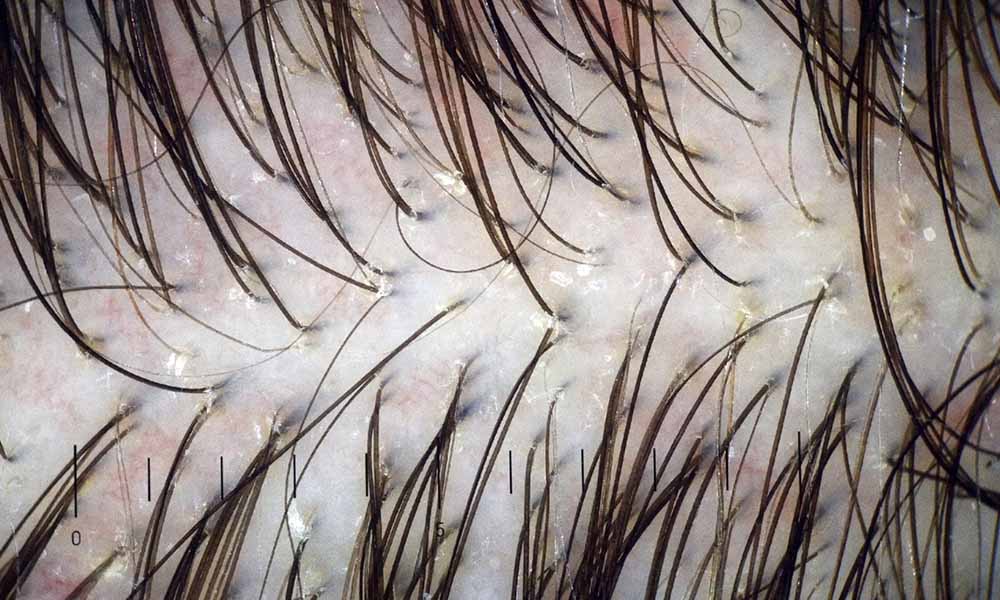
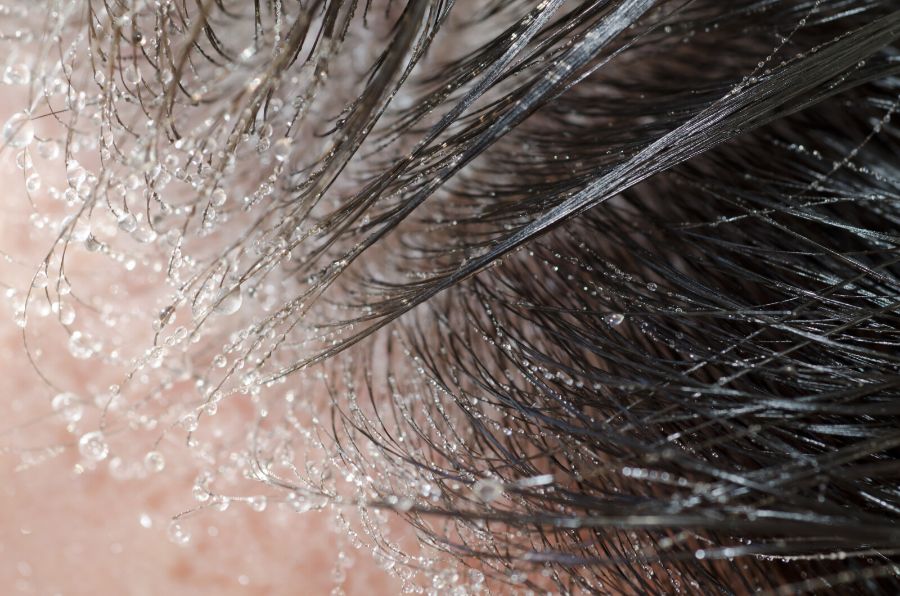
Showering with soap and water can wash off bed bugs on the skin. Using a washcloth or gentle scrubbing can help remove bugs hiding on hair and scalp. Warm water opens pores and helps clean better. Showering soon after exposure reduces the chance of bugs biting. It also removes any bed bug eggs stuck on the skin or hair.
Limitations Of Showering Alone
Showering does not kill bed bugs hiding in clothes, bedding, or furniture. Bugs often stay hidden during the day in cracks and crevices. They return to bite at night after the shower. Eggs can remain on surfaces and hatch later. Showering does not affect bed bugs inside mattresses or walls. Without treating the environment, bed bugs will come back.
Importance Of Environmental Cleaning
Cleaning your home is key to controlling bed bugs. Wash bedding, clothes, and curtains in hot water. Vacuum floors, mattresses, and furniture carefully. Use a steamer on cracks and crevices to kill bugs and eggs. Declutter rooms to remove hiding places. Consider professional pest control for severe infestations. Cleaning stops bed bugs from coming back after showering.
Credit: txbedbugexperts.com
Credit: naturesmace.com
Frequently Asked Questions
How Do You Know If Bed Bugs Are In Your Hair?
Bed bugs rarely infest hair. Signs include itchy red welts on exposed skin, rust spots on sheets, and a musty odor. Tiny bugs or eggs in hair usually indicate head lice, causing scalp itching and visible nits near the scalp.
Does Showering Get Rid Of Bed Bugs?
Showering with soap and hot water can remove bed bugs from your body temporarily. It does not eliminate infestations in your home.
How To Get Rid Of Bed Bugs While Pregnant?
Use non-toxic methods like encasing mattresses and washing bedding in hot water. Vacuum frequently and call a pest control expert safe for pregnancy. Avoid chemical sprays and consult your doctor before any treatment.
Can Bed Bugs Get In Your Private Parts?
Bed bugs rarely infest private parts but can bite exposed skin there. They prefer hiding in bedding, not on the body. Bites cause red, itchy welts. Bugs found directly on hair or private areas are likely lice or other insects, not bed bugs.
Conclusion
Bed bugs rarely live in hair. They prefer beds and furniture. Bites usually appear on exposed skin, not scalp. Itchy scalp and nits often mean lice, not bed bugs. Check your bedding for spots or bugs to confirm. Treat lice with special shampoo and comb out nits.
For bed bugs, call a pest control expert quickly. Staying informed helps you act fast and protect yourself. Don’t let confusion cause more stress—know the signs well.
As an Amazon Associate, I earn from qualifying purchases.
Lovingshe is a participant in the Amazon Services LLC Associates Program which is an affiliate advertising program designed to provide a means for sites to earn advertising fees by advertising and linking to Amazon.com. Amazon may use cookies to track referrals from our site. Visit Amazon’s privacy policy for details
