


Thinking about donating your hair but unsure if it’s long enough? You’re not alone.
Many people want to help but wonder, “How long does hair have to be to donate? ” Whether you’re cutting your hair for the first time or a seasoned donor, knowing the exact length requirements is key. Your hair could bring comfort and confidence to someone facing hair loss, but it must meet certain standards to be accepted.
You’ll discover the minimum lengths needed by popular organizations, simple tips to prepare your hair, and how to make sure your donation truly makes a difference. Keep reading to find out how close you are to making a life-changing gift with your hair!
Minimum Lengths
Knowing the minimum hair length for donation helps you prepare properly. Different organizations set their own rules. Most require a certain length to make wigs for those in need.
Hair that is too short cannot be used effectively. This is why length requirements exist. Meeting these lengths ensures your donation can make the biggest difference.
Shortest Acceptable Length
The shortest length accepted is usually around 8 to 10 inches. Some charities accept hair as short as 8 inches for specific programs. This length allows the hair to be made into smaller wigs or hairpieces.
Hair shorter than 8 inches is often not usable. It may not provide enough material to create a full wig. Always check the exact length rules before cutting.
Common Length Requirements
Many organizations require at least 10 to 12 inches of hair. This length is common because it allows for standard wig sizes. It also helps create styles that look natural and full.
Some groups ask for 12 inches or more. Longer hair donations are highly valued for their versatility and volume. Donors with longer hair often help more people.
Preferred Lengths For Children
Children’s hair donations often have special rules. Many charities prefer hair that is at least 12 inches long for kids. This length helps make wigs that fit smaller heads well.
Shorter hair from children may be accepted by some programs. These wigs support children with hair loss due to illness. Always verify the length needed for child donations.
Donation Preparation
Preparing your hair for donation takes careful steps. Proper preparation helps ensure your hair meets charity standards and can be used effectively. Each step matters for a successful donation.
Follow these simple guidelines to get your hair ready.
Measuring Hair Correctly
Measure your hair from the point where it will be cut to the ends. Use a ruler or measuring tape. This shows if your hair meets the minimum length required by the charity. Measure carefully to avoid mistakes.
Securing Hair With Bands
Gather your hair into a ponytail or braid. Use strong elastic bands to secure it tightly. Place one band at the base and another at the end. This keeps hair strands together during cutting and shipping.
Cleaning And Drying Hair
Wash your hair thoroughly before cutting. Do not use conditioner or styling products afterward. Let your hair dry completely. Sending wet hair can cause mold and damage the donation.
Checking Charity Guidelines
Each charity has specific rules for hair donation. Check their website for details on hair length, color, and preparation. Follow their instructions exactly to ensure your donation is accepted.
Hair Types Accepted
Different hair types can be donated, but not all are accepted by every organization. Knowing which hair types qualify helps donors prepare properly. Many charities accept natural, color-treated, and some chemically treated hair. Each type has specific rules to follow.
Color-treated Hair
Color-treated hair is usually accepted by most donation programs. Hair dyed with semi-permanent or permanent color can be donated. The hair should be healthy and free from damage. Avoid donating hair with harsh chemicals or extreme treatments.
Bleached Hair Rules
Bleached hair is often restricted by donation organizations. Many charities do not accept hair that has been bleached. Bleaching weakens the hair and reduces its strength. Some programs may accept lightly bleached hair if it is in good condition.
Hair Condition Considerations
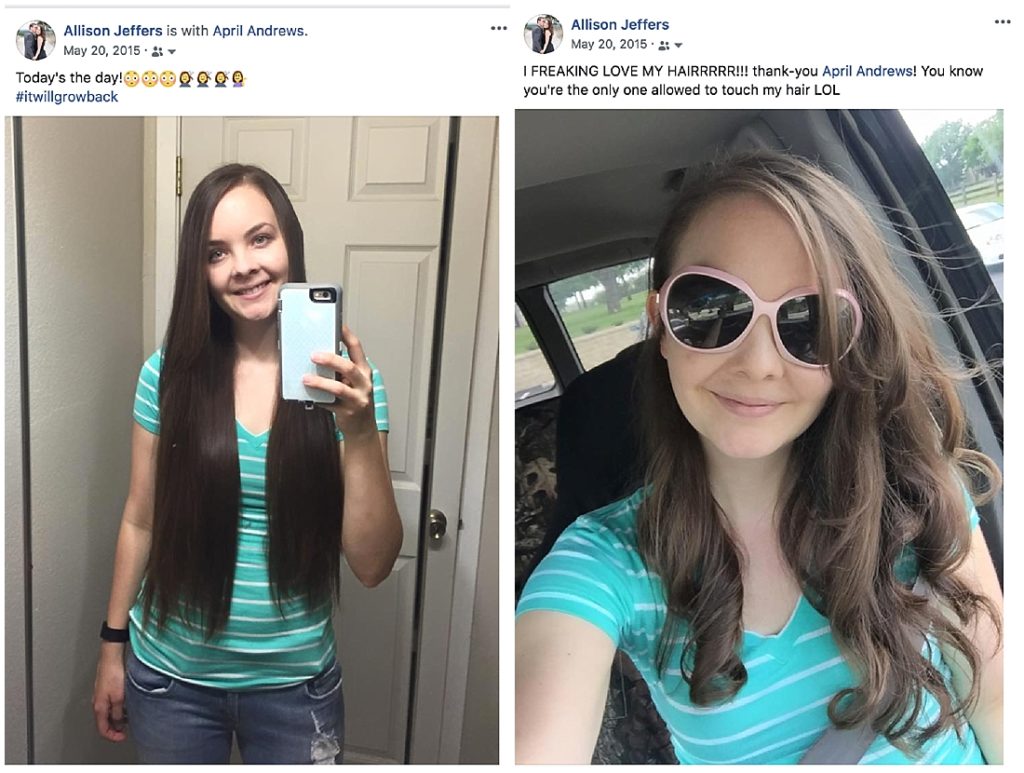
Healthy hair is essential for donation. Hair must be clean, dry, and free from split ends. Avoid donating hair that is heavily damaged or over-processed. Proper care ensures the hair can be used to make quality wigs.
Credit: allisonjeffers.com
Step-by-step Donation
Donating hair is a simple, kind act that helps many people. Following the right steps ensures your hair reaches those in need. This guide explains each step clearly, so your donation counts.
Securing Hair Before Cutting
Start by washing and drying your hair completely. Wet hair may spoil or tangle during shipping. Gather your hair into one or two ponytails. Use a strong elastic band to hold it tightly near the scalp. This keeps the hair strands aligned and neat. Tie another band at the end of the ponytail to secure it further.
Cutting Techniques
Cut above the first elastic band to keep the hair together. Use sharp scissors for a clean cut. Ask someone to help if needed for a straight line. Avoid cutting loose strands that fall outside the ponytail. Make sure the hair length meets the minimum requirement of the charity. Usually, 8 to 12 inches is needed depending on the organization.
Packaging Hair
Place the cut hair in a clean plastic bag. Keep it dry and avoid folding or crushing it. Label the bag with your name and contact details if required. Some charities provide donation forms; include them inside the package. Proper packaging prevents damage during transit.
Mailing Instructions
Check the charity’s website for the exact mailing address. Use a sturdy envelope or small box for protection. Consider using tracked mail to ensure delivery. Include any donation forms or letters requested by the charity. Send your package as soon as possible after cutting to avoid damage.
Charity Examples
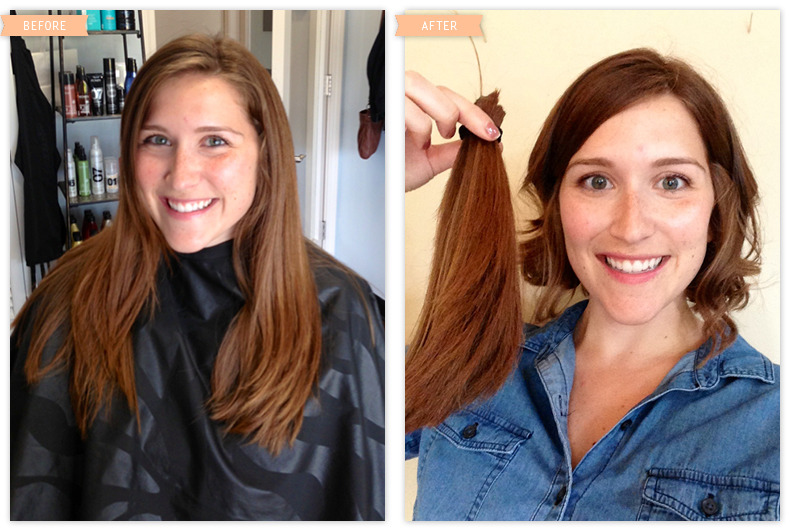
Many charities accept hair donations to help people who suffer from hair loss due to medical conditions. Each charity has its own rules about how long the hair must be. Knowing these rules helps you donate the right way. Below are some popular charities and their hair length requirements.
Locks Of Love
Locks of Love asks for a minimum hair length of 10 inches. They use donated hair to make wigs for children with medical hair loss. Hair must be clean, dry, and tied in a ponytail or braid before cutting. Color-treated hair is accepted, but bleached hair is not.
Wigs For Kids
Wigs for Kids requires at least 12 inches of hair. They provide wigs to children who lose hair from medical treatments. Hair must be clean, dry, and secured in a ponytail or braid. They accept natural and colored hair but not chemically treated hair.
Children With Hair Loss
Children With Hair Loss asks for a minimum of 8 inches of hair. They offer hair replacements free of charge to children experiencing hair loss. Hair should be clean, dry, and tied before cutting. Both natural and colored hair donations are welcome.
Credit: www.beautylish.com
Donation Benefits
Donating hair offers many benefits beyond just the act of giving. It supports people facing medical hair loss and brings hope to many lives. Charities also provide special perks to donors, encouraging more to participate. Wigs made from donated hair help those in need feel confident at low or no cost.
Helping Medical Hair Loss Patients
Hair donation helps patients who lose hair due to illness. People with cancer, alopecia, or burns receive wigs made from donated hair. These wigs restore their natural look and boost self-esteem. Donated hair brings comfort during tough medical treatments. This simple act can brighten someone’s day and improve their quality of life.
Perks Offered By Charities
Charities often thank donors with special perks. Some send certificates or thank-you notes to show appreciation. Others offer discounts on hair care products or styling services. These perks encourage donors to continue giving. Donors also join communities of like-minded people who care and support each other.
Wigs Provided At Low Or No Cost
Many charities provide wigs for free or at low cost. This helps people who cannot afford expensive wigs. Wigs made from real hair look natural and feel comfortable. They help users feel confident in social and work settings. Low-cost wigs ease financial stress for families facing medical challenges.
Selling Hair
Selling hair offers a way to turn your locks into cash. Many people choose this option to support themselves or fund good causes. Understanding the selling process helps make the experience smooth and rewarding. Below are key details about finding buyers, the selling steps, and using the money for donations.
Finding Buyers
Start by searching for reputable hair buyers online. Look for companies or individuals who specialize in purchasing hair. Check reviews and testimonials to avoid scams. Some salons also buy hair directly from clients. Local options may offer easier transactions. Confirm they accept your hair length and type before proceeding.
Process For Selling
Prepare your hair by washing and drying it thoroughly. Avoid using styling products before the sale. Cut hair cleanly, usually in a ponytail or braid. Package the hair securely in a plastic bag or box. Submit it according to the buyer’s instructions. Include any required forms or information. Payment methods vary but often include direct deposit or check.
Using Proceeds For Donation
Money earned from selling hair can support charities or individuals. Many sellers donate proceeds to cancer support groups or wig foundations. Others use funds for personal causes or community aid. Choose a cause that matters to you. This way, your hair donation helps even more people beyond the hair itself.
Credit: www.businessinsider.com
Frequently Asked Questions
What Is The Shortest Length Of Hair To Donate?
The shortest hair length to donate typically starts at 8 to 10 inches. Always check specific charity requirements before cutting. Hair must be clean, dry, and secured in a ponytail or braid for donation.
Can I Donate 6 Inches Of My Hair?
Yes, you can donate 6 inches of hair, but many charities prefer at least 8 to 12 inches for wig-making. Check specific charity requirements before donating.
What Is The Minimum Length For Locks Of Love?
Locks of Love requires a minimum hair length of 10 inches. Hair must be clean, dry, and secured in a ponytail or braid before cutting.
Do You Get Paid For Donating Hair?
You usually do not get paid for donating hair to charities. Some private buyers pay for hair, but charity donations remain unpaid.
Conclusion
Donating hair requires meeting specific length rules set by charities. Most groups ask for at least 8 to 12 inches of hair. Clean, dry hair tied in a ponytail or braid works best. Always check the charity’s rules before cutting your hair.
Your donation can help create wigs for those in need. Even shorter hair may qualify for some programs. Donating hair is a simple way to make a big difference. Keep your hair healthy and ready for donation. Every strand counts in bringing hope to others.
As an Amazon Associate, I earn from qualifying purchases.
Lovingshe is a participant in the Amazon Services LLC Associates Program which is an affiliate advertising program designed to provide a means for sites to earn advertising fees by advertising and linking to Amazon.com. Amazon may use cookies to track referrals from our site. Visit Amazon’s privacy policy for details
