


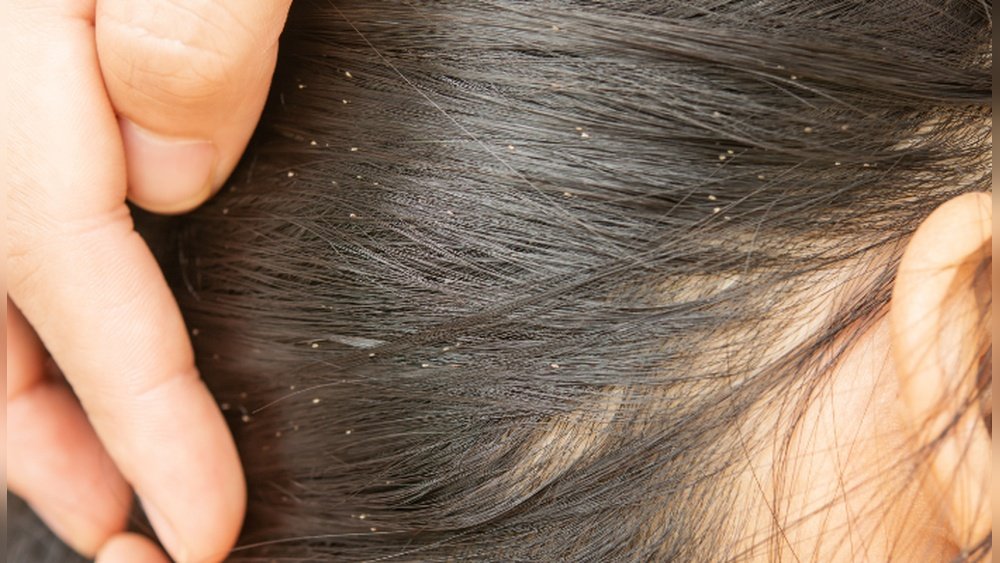
You might be wondering if flat ironing your hair can actually kill lice. It sounds like a quick and easy fix, right?
After all, lice are tiny pests that hate heat. But before you grab your straightener, it’s important to know the truth. Can a flat iron really get rid of lice and their eggs? Or could it put you at risk without solving the problem?
You’ll discover why relying on a hair straightener isn’t the best way to fight lice, what dangers it brings, and which safer, more effective methods you should use instead. Keep reading to protect your scalp and say goodbye to lice for good.
Heat And Lice Survival
Heat can kill lice and their eggs under certain conditions. Lice are sensitive to temperature changes. They cannot survive extreme heat for long. This fact makes heat a potential tool for lice removal.
Using heat safely is a challenge. Hair straighteners produce high heat but may not reach all lice. Understanding how lice react to heat helps explain why flat ironing often fails.
How Lice React To Heat
Lice die quickly at temperatures above 130°F (54°C). Eggs, or nits, are harder to kill and need higher heat or longer exposure. Lice try to escape heat by moving away from hot areas. They cling tightly to hair shafts, making them tough to remove with heat alone.
Limitations Of Heat Penetration
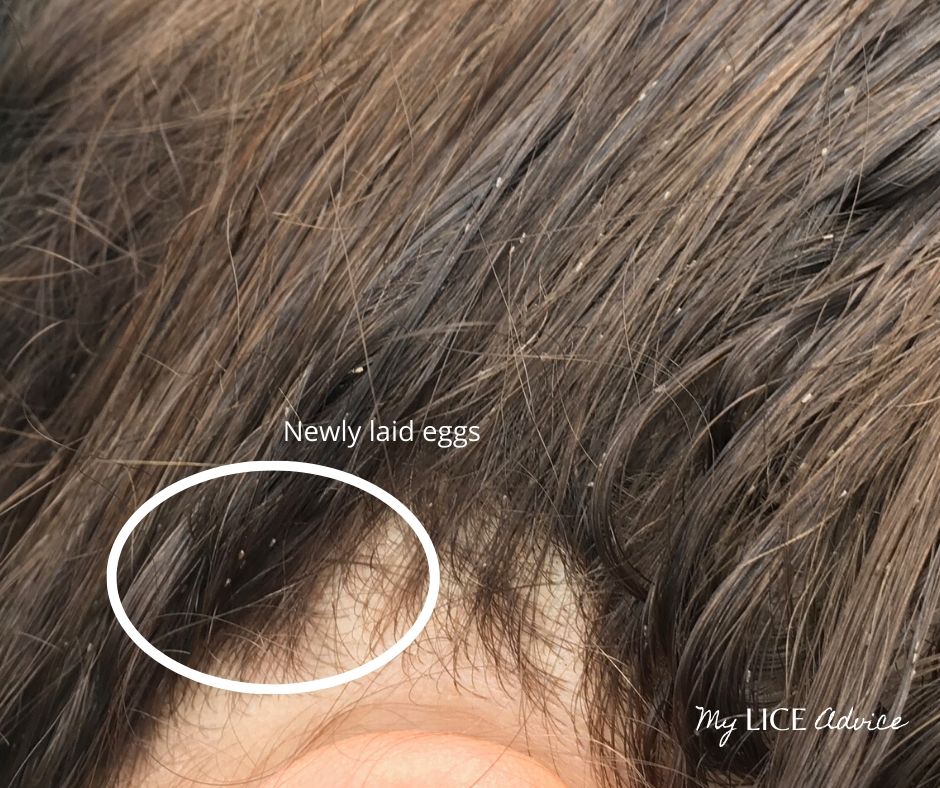
Flat irons heat the hair surface but not close enough to the scalp. Lice and nits live very near the scalp, where heat is less effective. Applying heat too close can burn the skin. Lice can survive in cooler spots, avoiding the hot plates. This uneven heat exposure means many lice and eggs remain alive after ironing.
Credit: myliceadvice.com
Flat Ironing Limitations
Flat ironing hair might seem like a quick way to kill lice. The heat can kill some lice and nits. Still, this method has important limits. Understanding these limits helps avoid unsafe attempts and repeated problems. Flat ironing does not fully solve a lice infestation. Many lice and eggs can survive the process and cause the problem to come back.
Missed Areas Near Scalp
Lice and eggs live very close to the scalp. Flat irons cannot reach this area well. The heat is strongest on the hair strands, not at the scalp. Lice near the scalp often escape the heat and survive. This makes flat ironing unreliable for complete lice removal.
Inability To Remove Nits
Nits stick firmly to hair shafts. Flat irons may kill some lice but not all eggs. The hard shells protect the nits from heat. Surviving eggs hatch later and cause reinfestation. Removing nits requires combing and special treatments, not just heat.
Risk Of Burns And Injuries
Flat irons reach very high temperatures. Using them on the scalp risks burns and pain. Children’s scalps are especially sensitive. Accidental contact can cause blisters or hair damage. This makes flat ironing a dangerous choice for lice control.
Why Eggs Persist
Lice eggs, also called nits, are hard to get rid of. They stick tightly to hair strands. Many people wonder if flat ironing hair can kill these eggs. The answer lies in why lice eggs survive heat and treatments.
Understanding the nature of lice eggs helps explain why they remain even after using heat tools. Their strong grip and resistance make them tough targets.
Egg Adhesion To Hair Shaft
Lice eggs attach firmly to each hair strand. They use a glue-like substance that dries quickly. This glue is very strong and hard to break. It keeps eggs in place through washing and brushing. Flat irons may not reach the exact spot where eggs cling. This tight grip helps eggs stay safe during heat exposure.
Resistance To Heat Exposure
Lice eggs have a tough outer shell. This shell protects them from heat damage. The temperature from flat irons may not be enough to kill eggs inside. Eggs near the scalp stay cooler and survive better. Heat often does not reach the base of the hair where eggs are laid. This heat resistance lets eggs hatch even after flat ironing.
Safer Alternatives
Flat ironing hair to kill lice can cause burns and miss lice near the scalp. It also does not remove lice eggs, which can hatch later. Safer alternatives focus on removing lice and eggs without harmful heat. These methods protect the scalp and reduce the chance of reinfestation. Here are safer options to consider.
Wet Combing Method
Wet combing uses a fine-toothed comb on wet, conditioned hair. This method physically removes lice and eggs from the hair strands. It is safe for all ages and avoids chemicals or heat. Repeating wet combing every few days helps catch newly hatched lice. This method requires patience but works well over time.
Professional Lice Treatments
Professional lice treatments use specially designed products and tools. Experts know how to apply treatments safely and fully remove lice. Many treatments kill lice and loosen eggs from hair. These treatments often come with combs for thorough removal. Visiting a professional reduces guesswork and increases success.
Pesticide-free Products
Pesticide-free lice products kill lice without harsh chemicals. They often use natural ingredients like essential oils or silicone-based formulas. These products are less likely to cause irritation or resistance. They work by suffocating lice or breaking their outer shell. Using these products with combing improves lice removal and safety.
Risks Of Diy Heat Treatment
Using a flat iron to kill lice may seem like a quick fix. The idea is to apply heat to the hair, hoping to kill lice and their eggs. This DIY heat treatment carries several risks. It can harm the scalp, fail to remove all lice, and cause reinfestation. Understanding these risks helps to avoid damage and frustration.
Potential Scalp Damage
Flat irons use very high heat to straighten hair. This heat can burn the scalp easily. Burns cause pain, redness, and blisters. Children’s scalps are especially sensitive. Repeated heat exposure can dry out and weaken the scalp skin. Scalp damage can lead to infections and discomfort.
Ineffective Lice Eradication
Lice lay their eggs very close to the scalp. Flat irons cannot reach this area safely. Heat does not kill all lice or eggs on the hair shaft. Many eggs have a tough shell that heat cannot penetrate. Adult lice can move away from the heat quickly. This makes flat ironing an unreliable way to remove lice completely.
Reinfestation Risks
Even if some lice die, eggs often survive. Eggs hatch after a few days and restart the infestation. Flat ironing does not remove lice or eggs from the scalp. Lice can spread to others or return from untreated hair. Without proper treatment, reinfestation is very common.

Credit: www.youtube.com
Expert Recommendations
Experts advise caution when considering flat ironing as a lice treatment. The idea of using heat to kill lice seems simple. Yet, professional recommendations highlight key issues and safer alternatives. Understanding expert advice helps avoid ineffective or harmful methods.
Use Of Specialized Devices
Experts suggest using devices designed specifically for lice removal. These tools apply controlled heat to the scalp and hair. They reach areas where lice and eggs hide. Specialized devices maintain safe temperatures to prevent burns. They improve the chance of killing lice and nits effectively. Flat irons lack this precision and safety control.
Following Medical Guidelines
Medical guidelines recommend proven treatments over heat styling tools. Wet combing with a fine-toothed comb is a safe, effective method. Approved lice shampoos and lotions are also advised. These treatments target both lice and eggs thoroughly. Health professionals warn against relying on heat from flat irons. This approach risks burns and often misses lice close to the scalp.
Common Myths About Lice
Many people believe false ideas about lice and how to get rid of them. These myths can cause confusion and delay proper treatment. Understanding the truth helps in dealing with lice safely and effectively.
This section clears up common myths and explains why some popular methods do not work well.
Heat As A Quick Fix
Some think that heat can quickly kill lice. High temperatures can kill lice and eggs, but using heat alone is not safe or reliable. Lice live close to the scalp, where heat tools often cannot reach. Also, using heat risks burning the skin. Heat does not remove lice or eggs from the hair. It only kills some lice that the heat touches.
Effectiveness Of Flat Irons
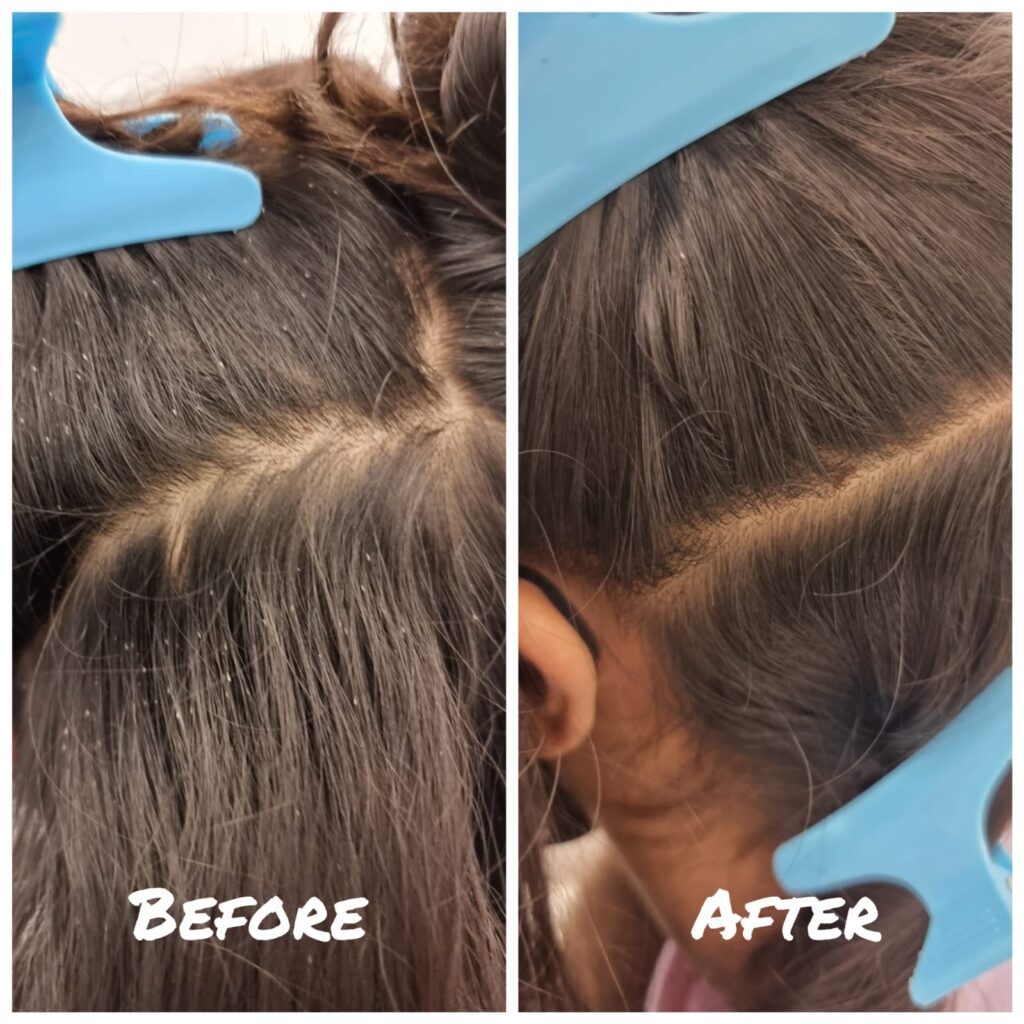
Flat irons get very hot, so many believe they can kill lice. Flat irons miss the scalp area where lice hide and lay eggs. They cannot reach all lice or nits on the hair. Lice can move away from the heat before it harms them. Using a flat iron can cause burns and damage to the scalp or hair. Flat irons do not remove lice or eggs; they only kill some lice on contact, which is not enough.
Credit: www.licefreesalon.com
Frequently Asked Questions
Can Lice Survive A Hair Straightener?
Hair straighteners can kill lice with high heat but often miss eggs near the scalp. They risk burns and don’t ensure full removal. Use wet combing or specialized treatments for safer, effective lice control.
Does Ironing Get Rid Of Lice?
Ironing hair may kill some lice with heat but misses eggs near the scalp. It risks burns and doesn’t fully eliminate lice. Use wet combing or specialized treatments for safe, effective lice removal instead.
What Is The Fastest Way To Get Rid Of Lice In Your Hair?
The fastest way to get rid of lice is using medicated lice treatments combined with wet combing. Avoid flat irons; they risk burns and don’t kill all eggs. Consistent combing and approved shampoos ensure effective removal and prevent reinfestation.
Does Heat From A Curling Iron Kill Lice?
Heat from a curling iron can kill some lice but often misses eggs near the scalp. It risks burns and doesn’t fully remove lice. Use proven treatments like wet combing or lice shampoos for safer, effective removal. Avoid relying on curling irons to eliminate lice completely.
Conclusion
Flat ironing hair will not fully kill lice or their eggs. The heat cannot safely reach the scalp where lice live and lay eggs. Missing even a few eggs allows lice to return quickly. Using a flat iron risks burns and scalp damage, especially on children.
Safer options include wet combing and proven lice treatments. These methods remove lice and eggs thoroughly without harm. Always choose treatments designed specifically for lice removal. Protect your scalp and health with careful, effective care.
As an Amazon Associate, I earn from qualifying purchases.
Lovingshe is a participant in the Amazon Services LLC Associates Program which is an affiliate advertising program designed to provide a means for sites to earn advertising fees by advertising and linking to Amazon.com. Amazon may use cookies to track referrals from our site. Visit Amazon’s privacy policy for details
