


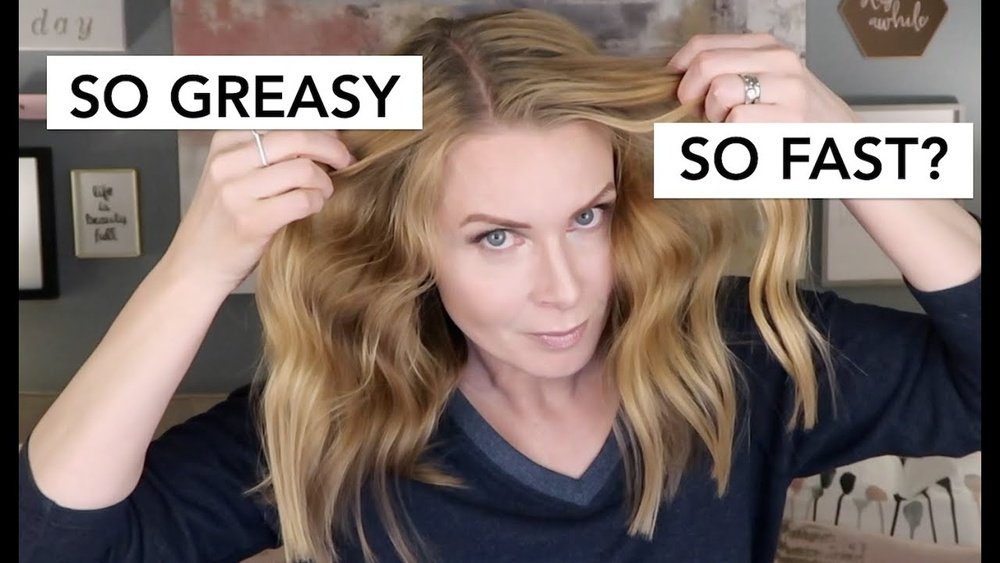
Does your hair start looking oily just hours after washing? You’re not alone—and it can be seriously frustrating.
When your scalp produces too much oil, your hair feels greasy, limp, and heavy, making you want to hide under a hat. But why does this happen so fast, and more importantly, how can you stop it? You’ll discover the real reasons behind oily hair and simple, effective ways to keep your hair fresh and clean longer.
Get ready to say goodbye to that greasy feeling and hello to hair that stays vibrant throughout the day. Keep reading—you’ll wish you knew these tips sooner!
Causes Of Quick Oiliness
Understanding why hair gets oily quickly helps manage it better. Several factors cause rapid oil buildup on your scalp. Knowing these causes can guide you to healthier hair habits.
Each scalp reacts differently to internal and external triggers. Some triggers make your scalp produce excess oil. Others involve lifestyle choices affecting oiliness. Here are the main causes of quick oiliness.
Excess Sebum Production
The scalp naturally produces sebum to protect hair and skin. Some people’s glands create more sebum than needed. This excess oil spreads over the scalp and hair strands. Overactive sebaceous glands often cause greasy hair soon after washing.
Genetics play a role in sebum levels. Hormonal changes can also increase oil production. Sebum helps keep hair healthy but too much makes it look oily and heavy.
Overwashing Effects
Washing hair too often strips away natural oils. The scalp reacts by producing more oil to compensate. This cycle leads to hair becoming greasy faster. Overwashing disrupts the scalp’s oil balance.
Using harsh shampoos or hot water can worsen this problem. The scalp feels dry and overproduces oil to protect itself. Reducing wash frequency helps the scalp regulate sebum better.
Hormonal Influences
Hormones strongly affect sebum production. Puberty, pregnancy, and menstrual cycles cause hormone shifts. These changes trigger the scalp to produce more oil. Hormonal imbalances due to stress or health conditions also impact oiliness.
Men and women both experience hormonal effects on scalp oil. Managing stress and hormone levels can reduce oily hair issues.
Diet And Lifestyle Impact
What you eat affects your scalp health. Diets high in oily or sugary foods may increase oil production. Poor hydration and lack of nutrients weaken scalp balance. Smoking and stress also worsen oily scalp conditions.
Good sleep, balanced diet, and drinking water support healthy scalp oil levels. Lifestyle habits influence how fast hair gets oily daily.

Credit: www.wikihow.com
Adjusting Your Wash Routine
Adjusting your wash routine can help control oily hair. Small changes make a big difference. Overwashing often causes the scalp to produce more oil. Finding the right balance keeps hair fresh without stripping natural oils.
Focus on how you wash, condition, and rinse your hair. These steps affect oil levels and hair health. Try these simple tips to manage oiliness and keep your hair clean longer.
Washing Frequency Tips
Wash hair less often to reduce oil production. Every day washing strips natural oils and triggers more oil. Try washing every two or three days. This trains your scalp to balance oil better. Use dry shampoo between washes to keep hair fresh.
Focusing Shampoo On Scalp
Apply shampoo mainly to your scalp, not the ends. The scalp produces the oil that makes hair greasy. Massage shampoo gently into the scalp to remove excess oil and dirt. Avoid piling shampoo on the hair ends to prevent dryness and frizz.
Conditioning Only The Ends
Put conditioner only on the mid-lengths and ends of your hair. Avoid the scalp and roots to stop extra oil buildup. Conditioning the ends keeps hair soft and hydrated without weighing it down. Use a lightweight conditioner to keep hair light and bouncy.
Rinsing With Cooler Water
Rinse your hair with cool or lukewarm water instead of hot. Hot water can stimulate oil glands and cause more oil. Cool water helps close hair cuticles and reduces oil production. It also makes hair shinier and less prone to grease.
Using Dry Shampoo Effectively
Dry shampoo is a helpful tool for managing oily hair between washes. It absorbs excess oil and refreshes your hairstyle without water. Using it properly boosts its effectiveness and keeps your hair looking clean longer. Understanding when and how to apply dry shampoo, picking the right product, and knowing its benefits and limits makes a big difference.
When To Apply Dry Shampoo
Apply dry shampoo when your scalp feels oily but before your hair looks greasy. Using it on clean hair can help prevent oil build-up. Spray or sprinkle it on roots and wait a few minutes to let it absorb oil. Then, gently brush or massage your scalp to spread the product evenly.
Choosing The Right Product
Select dry shampoo suited for your hair type and color. Powder forms work well for light hair, while tinted versions match darker shades. Avoid products with heavy fragrances or sticky formulas. Look for options that leave no visible residue and feel light on your scalp.
Benefits And Limitations
Dry shampoo saves time and reduces washing frequency, which can lower oil production. It adds volume and texture to flat hair. Yet, it does not replace washing completely. Overuse may cause build-up, clog pores, and irritate the scalp. Use dry shampoo moderately and maintain a regular cleansing routine for healthy hair.
Managing Hair Habits And Tools
Managing hair habits and tools plays a key role in controlling oily hair. Small daily actions affect how quickly your scalp produces oil. Simple changes in how you treat your hair can slow down oil buildup. Proper care of hair tools also reduces grease and dirt. This section explains easy steps to improve your hair routine and keep it fresh longer.
Avoid Touching Hair Often
Touching your hair spreads oil from your fingers to strands. This can make hair look greasy fast. Try to keep your hands away from your hair during the day. Avoid playing with your hair or running fingers through it. Less contact means less oil transfer and less dirt buildup. This small habit helps your hair stay cleaner longer.
Cleaning Brushes And Combs
Hair brushes and combs collect oil, dirt, and product residue. Using dirty tools adds oil back to clean hair. Clean your brushes and combs at least once a week. Use warm water and mild shampoo to wash away buildup. Dry them fully before use. Clean tools help reduce oil transfer and keep hair looking fresh.
Brushing Techniques
Brushing your hair can spread natural oils from scalp to ends. Too much brushing pushes oil down too fast. Use a gentle brush and avoid over-brushing. Brush just enough to detangle and style hair. Focus on the ends more than the scalp. Proper brushing helps balance oil distribution and prevents greasy roots.
Rinsing After Workouts
Sweat mixes with oil and dirt, making hair oily quickly. Rinse your hair with water after workouts to remove sweat. Even a quick rinse helps reduce oil buildup. If possible, wash hair with shampoo after heavy sweating. Keeping hair clean after exercise controls oil and keeps scalp healthy.
Weekly Deep Cleansing
Weekly deep cleansing helps remove excess oil and dirt from your scalp. It refreshes hair and prevents oil buildup that regular shampoo misses. Deep cleaning keeps your scalp balanced and your hair light.
Use deep cleansing once a week to avoid oily roots and heavy hair. This practice supports scalp health and hair freshness without stripping natural oils too often.
Using Clarifying Shampoo
Clarifying shampoo removes oil, dirt, and styling product residue. It cleans the scalp deeply, reaching areas regular shampoo can miss. Use it once a week for best results.
Apply clarifying shampoo mainly on your scalp. Massage gently to break down grease and buildup. Rinse thoroughly with cool water to close hair cuticles and add shine.
Removing Product Buildup
Hair products like sprays, gels, and serums can build up quickly. This buildup traps oil and makes hair look greasy faster. Deep cleansing helps remove these layers effectively.
Focus on areas where you apply products most. Use a gentle scrub or a clarifying shampoo to lift buildup. This prevents your scalp from becoming oily too fast and keeps hair fresh longer.
Lifestyle Changes To Reduce Oil
Making lifestyle changes can greatly reduce oily hair. Small daily habits affect scalp oil production. Managing stress and eating well support scalp health. These changes help balance oil levels naturally.
Stress Management
Stress triggers the body to produce more oil. Cortisol, a stress hormone, increases sebum production. Practicing relaxation techniques lowers stress and oil output. Try deep breathing, meditation, or light exercise. Regular sleep also helps keep stress in check. Less stress means less oily scalp and hair.
Balanced Diet For Scalp Health
What you eat impacts scalp oiliness. Foods rich in vitamins A, B, and E nourish hair follicles. Omega-3 fatty acids reduce inflammation and balance oil. Avoid excess sugary and greasy foods as they worsen oiliness. Drink plenty of water for hydration. A balanced diet supports healthy scalp and controls oil production.
Quick Fixes For Greasy Hair
Quick fixes for greasy hair help you look fresh fast. Greasy hair can feel heavy and look dull. You need simple ways to fix it without a full wash. These tricks absorb oil and add volume instantly. Keep these easy tips ready for busy days or emergencies.
Using Baby Powder Or Alternatives
Baby powder soaks up oil and refreshes hair quickly. Sprinkle a small amount on your roots. Rub gently with your fingers to spread it evenly. It removes shine and gives hair a matte look. Cornstarch or dry shampoo can also work well. Avoid using too much to prevent white patches. Brush hair lightly afterward to blend the powder. This trick is great for second-day hair or before going out.
Emergency Touch-up Tips
Blot oily spots with a clean tissue or paper towel first. Use dry shampoo spray or powder on roots to absorb excess oil. Massage it in and wait a few minutes, then brush out the residue. You can also twist or braid hair to hide greasy areas. Changing your part or wearing a headband helps cover oily roots. Avoid touching your hair too much, as it spreads oil faster. These quick fixes keep hair looking cleaner until your next wash.
:max_bytes(150000):strip_icc()/GettyImages-801994836-2000-8771a4e0987543b5a9d4e4840fe5944d.jpg)
Credit: www.southernliving.com

Credit: www.youtube.com
Frequently Asked Questions
How Do I Stop My Hair From Getting Greasy So Fast?
Wash hair less often to prevent oil overproduction. Apply conditioner only to ends. Use dry shampoo on roots before greasing. Avoid touching hair and clean brushes regularly. Rinse with cool water and use clarifying shampoo weekly. Manage stress and maintain a balanced diet for healthier scalp oil control.
Why Is My Hair Greasy After 1 Day?
Your scalp overproduces oil due to overwashing, touching hair, or hormonal changes. Focus shampoo on roots, condition ends, and avoid frequent washing.
How Do I Stop My Head From Being So Oily?
Reduce oiliness by washing hair less often and shampooing only the scalp. Use dry shampoo early, condition ends only, avoid touching hair, clean brushes regularly, and rinse with cool water. Clarify weekly and maintain a balanced diet to support scalp health.
Why Does My Hair Get Oily So Fast?
Hair gets oily quickly due to overactive sebaceous glands producing excess oil. Factors like genetics, hormonal changes, and overwashing can speed up oil production. Proper hair care and balanced washing routines help control fast oiliness effectively.
Conclusion
Oily hair can feel frustrating and hard to manage. Simple changes in washing and caring habits help control oil. Focus shampoo on your scalp and condition only the ends. Avoid touching your hair often and clean your brushes regularly. Using dry shampoo and clarifying shampoos can keep oil at bay.
Remember, a healthy scalp means less oil buildup. With patience and the right routine, your hair can stay fresh longer. Keep these tips in mind to reduce greasy hair fast.
As an Amazon Associate, I earn from qualifying purchases.
Lovingshe is a participant in the Amazon Services LLC Associates Program which is an affiliate advertising program designed to provide a means for sites to earn advertising fees by advertising and linking to Amazon.com. Amazon may use cookies to track referrals from our site. Visit Amazon’s privacy policy for details
