


You’ve just invested in hair extensions, and you’re loving the new length and volume. But now you’re wondering—how long should your hair extensions actually last?
Knowing the answer can save you time, money, and frustration. Whether you want to keep your look fresh or avoid damage, understanding the lifespan of different types of extensions is key. You’ll discover how long various extensions last, what affects their durability, and simple care tips to make your hair look flawless for as long as possible.
Keep reading to unlock the secrets behind lasting, beautiful hair extensions.
Credit: www.luxyhair.com
Lifespans By Extension Type
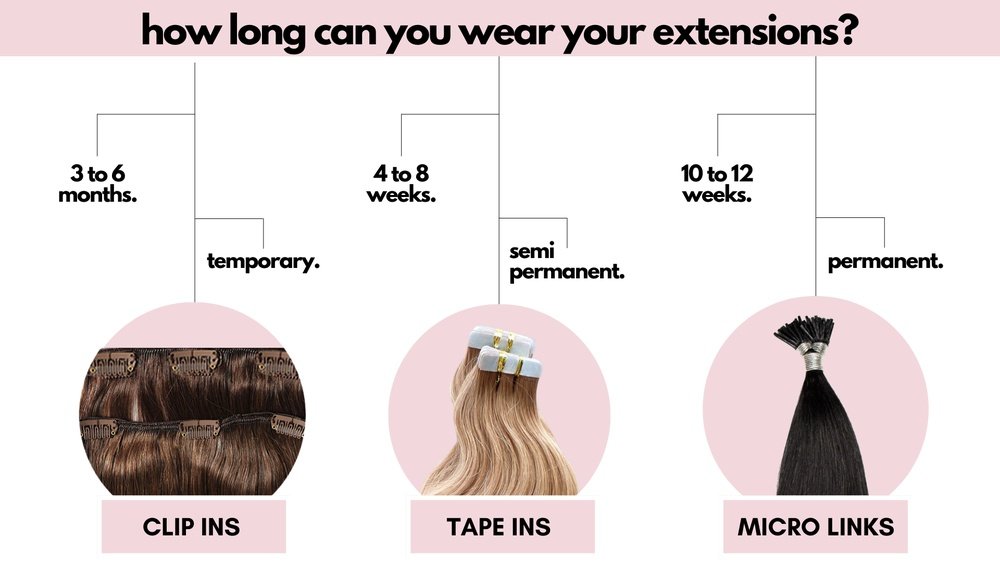
Hair extensions come in many types, each with a different lifespan. Knowing how long each lasts helps you plan your hair care and budget. Some extensions last a few weeks, while others can stay in for months. The lifespan depends on the method and how well you maintain them.
Sew-in And Weave
Sew-in and weave extensions are sewn into braided hair. They usually last between 6 to 8 weeks. This method is sturdy and ideal for thick hair. Proper care can extend their wear without damage.
Tape-in Extensions
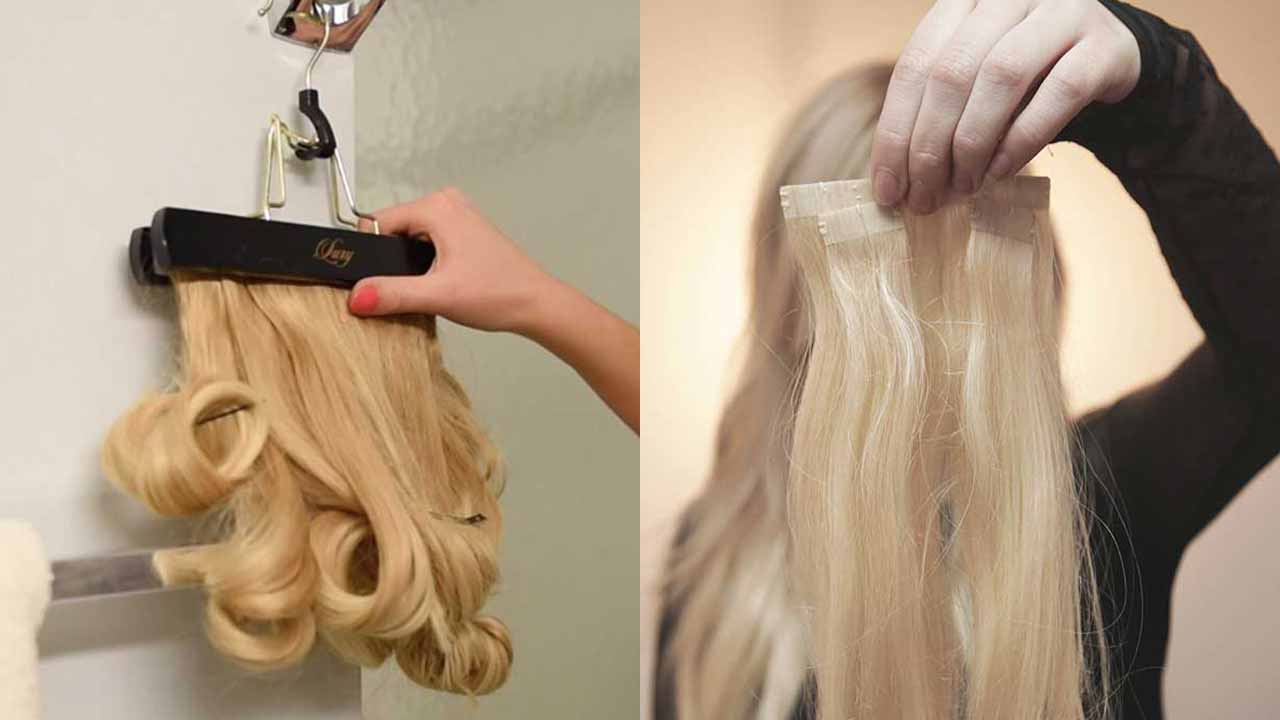
Tape-in extensions use adhesive strips to attach hair. They last about 4 to 8 weeks before needing reapplication. They are lightweight and cause less tension on the scalp. Gentle handling keeps the tape from slipping.
Micro-link And I-tip
Micro-link and I-tip extensions attach with small beads or rings. They can last 2 to 3 months with regular maintenance. These do not use glue, reducing damage risk. Regular tightening appointments keep them secure.
Fusion And Keratin Bond
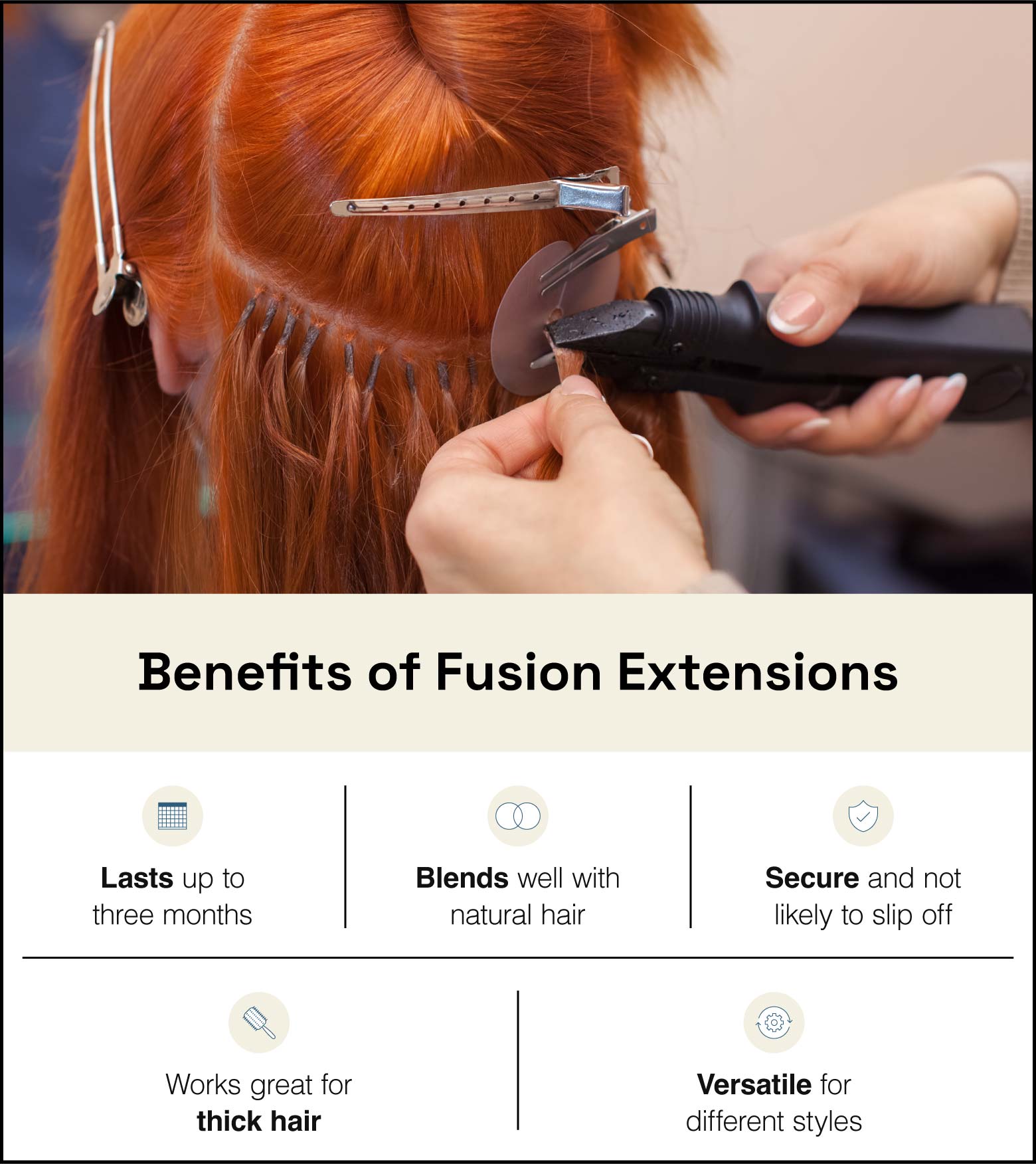
Fusion and keratin bond extensions use heat to attach strands. They offer a natural look and can last 3 to 4 months. Removal requires a professional to avoid hair damage. Avoid frequent heat styling to prolong their life.
Hand-tied Wefts
Hand-tied wefts are sewn with thin strips of hair. They typically last 6 to 10 weeks. This method is gentle and adds volume without heavy tension. Proper washing and brushing help maintain their quality.
Quality And Material
Quality and material play a major role in how long hair extensions last. The type of hair and its grade affect durability and appearance. Choosing the right material ensures your extensions stay beautiful longer. Understanding the differences helps you pick the best option for your needs.
Human Hair Grades
Human hair extensions come in different grades. Higher grades mean better quality and longer lifespan. Remy hair is the top grade because all cuticles face the same direction. This reduces tangling and matting. Lower grades may look good at first but wear out faster. Investing in high-grade hair gives you a natural look and durability.
Synthetic Vs. Human Hair
Synthetic hair is cheaper but less durable. It does not last as long as human hair. Synthetic strands can tangle easily and are sensitive to heat. Human hair extensions can be styled with heat tools and dyed. They blend better with natural hair for a seamless look. Human hair lasts longer with proper care, making it a better choice for lasting results.
Care And Maintenance
Proper care and maintenance play a vital role in extending the life of hair extensions. Treating them gently and following a good routine keeps them looking fresh and natural. Neglect can cause tangling, shedding, and premature damage.
Understanding the best washing methods, brushing techniques, and limits on heat and chemicals will protect your investment. Simple steps can make your extensions last much longer.
Washing And Products
Use sulfate-free shampoos to avoid drying out extensions. Wash hair gently with lukewarm water. Avoid rubbing or twisting the extensions.
Condition the ends carefully, not the roots or bonds. Rinse thoroughly to remove all residue. Limit washing to two or three times per week.
Choose lightweight, hydrating products made for extensions or color-treated hair. Heavy oils and silicones can weigh extensions down and cause buildup.
Brushing And Styling
Brush extensions with a wide-tooth comb or a special extension brush. Start from the tips and work upward to avoid pulling on the bonds.
Detangle hair gently, especially after washing. Avoid brushing wet extensions to prevent breakage.
Style extensions with care. Use low heat settings and avoid tight hairstyles that strain the bonds or wefts. Loose styles help maintain the bonds longer.
Heat And Chemical Exposure
Limit the use of hot tools like straighteners and curling irons. Excessive heat weakens the hair and bonds.
Use a heat protectant spray before styling to shield the extensions. Avoid applying heat directly on the attachment points.
Stay away from harsh chemicals like bleach or strong dyes. These can damage both the extensions and your natural hair.
Credit: www.styleseat.com
Lifestyle Influences
Lifestyle plays a big role in how long hair extensions last. Daily activities and habits affect their durability. Understanding these influences helps keep extensions looking fresh longer.
Swimming And Water Exposure
Chlorine and salt water can damage hair extensions. These chemicals weaken bonds and dry out hair strands. Frequent swimming reduces the lifespan of extensions. Using a swim cap or rinsing hair immediately helps protect them.
Sun And Environmental Factors
Sunlight causes extensions to fade and become brittle. Wind and pollution also stress the hair fibers. Prolonged exposure to harsh weather can lead to tangling and dryness. Wearing a hat or using UV protection sprays can shield extensions.
Daily Styling Habits
Heat styling tools like straighteners and curling irons cause damage. Excessive brushing or rough handling weakens the bonds. Using gentle hairbrushes and heat protectants preserves extensions longer. Keeping styling minimal extends their lifespan significantly.
Hair Growth And Maintenance Frequency
Hair growth and maintenance frequency play a key role in how long hair extensions last. Extensions attach close to your scalp. As your natural hair grows, the extensions move further away. This shift changes the look and fit of the extensions. Proper care and regular maintenance keep them looking fresh and secure longer.
Impact Of Hair Growth Rate
Everyone’s hair grows at a different speed. On average, hair grows about half an inch per month. Faster growth means the extensions will move away from the scalp quicker. This can cause tangling and pulling. It may also reveal the attachment points. Slower growth keeps extensions in place longer. Knowing your hair growth rate helps plan maintenance better.
Scheduling Touch-ups
Touch-ups keep extensions looking neat and healthy. Most stylists recommend visits every 6 to 8 weeks. During touch-ups, extensions are moved closer to the scalp. This prevents matting and damage to your natural hair. Regular appointments also allow your stylist to check for any issues. Skipping touch-ups can shorten the life of your extensions. Consistent maintenance ensures a natural and comfortable fit.
Signs To Replace Extensions
Knowing when to replace hair extensions helps keep your look fresh and healthy. Extensions wear out over time due to daily use and care habits. Spotting the signs early avoids damage to your natural hair. Pay attention to how your extensions feel and look. Some changes mean it’s time for a refresh. Below are key signs to watch.
Tangles And Matting
Extensions that tangle easily can harm your natural hair. Matted hair feels thick and hard to comb. This happens when the hair cuticles lift and snag. Frequent tangling means the extensions lose their smooth texture. Brushing becomes painful and time-consuming. Replace extensions if you notice knots forming often. Fresh extensions glide easily through your fingers.
Extension Shedding
Some shedding is normal, but heavy loss is a warning. Excessive shedding leaves your hair looking thin and uneven. Extensions start to lose volume and length quickly. Loose strands fall out during brushing or styling. This happens when bonds weaken or hair quality declines. If shedding increases, it’s best to replace your extensions. Healthy extensions hold firmly with minimal loss.
Scalp Discomfort
A sore or itchy scalp shows extensions may need changing. Tight bonds or improper placement can cause pain and irritation. Discomfort can lead to headaches or scalp inflammation. Your scalp should feel comfortable and free from redness. Persistent soreness means your extensions are pulling too much. Replace them to protect your scalp and natural hair.
Tips For Extending Lifespan
Extending the life of hair extensions requires care and attention. Small efforts can make a big difference in how long they stay beautiful and intact. Following simple tips helps maintain their shine, texture, and strength.
Proper care starts with the right installation and continues with regular maintenance and product choices. These steps protect both the extensions and your natural hair.
Proper Installation
Getting hair extensions installed correctly is crucial. A skilled stylist ensures the extensions are secure without damaging your hair. Poor installation can cause early slipping or breakage. Choosing the right method for your hair type also helps increase lifespan.
Regular Salon Visits
Visiting the salon often keeps extensions looking fresh. Professionals can adjust, tighten, or reposition them as needed. They also check for damage or tangling. Regular visits prevent small issues from becoming bigger problems.
Using Quality Products
Use shampoos and conditioners made for extensions. Sulfate-free and gentle formulas protect hair bonds and strands. Avoid heavy oils or alcohol-based products that weaken attachments. Good products keep hair soft and manageable, extending the life of your extensions.

Credit: www.irresistibleme.com
Frequently Asked Questions
How Long Do Hair Extensions Last From A Salon?
Hair extensions from a salon typically last 6 to 12 weeks before needing maintenance. Premium extensions can last up to a year with proper care. Factors like hair type, extension method, and maintenance routine affect longevity. Regular salon visits and gentle care extend their lifespan significantly.
How Often Should I Replace Hair Extensions?
Replace hair extensions every 6 to 12 weeks for tape-ins and micro-links. Fusion or bonded extensions last up to 5 months. Proper care and maintenance extend their lifespan.
How Long Do Sew-in Hair Extensions Last?
Sew-in hair extensions typically last 6 to 8 weeks before needing maintenance. With proper care, the hair itself can last up to 6 months or longer. Regular salon visits and gentle handling extend their lifespan significantly.
What Is The Healthiest Hair Extension Method?
The healthiest hair extension method is tape-in extensions. They cause minimal damage and lie flat, protecting natural hair. Proper care extends their lifespan.
Conclusion
Hair extensions can last from a few weeks to over a year. Quality and care play a big role in their lifespan. Choosing good hair and gentle products helps them stay fresh longer. Avoiding too much heat and harsh chemicals keeps extensions healthy.
Regular maintenance appointments keep extensions looking their best. Remember, how you treat your hair affects how long extensions last. With proper care, extensions stay beautiful and natural for many months. Treat them well, and enjoy your stylish look longer.
As an Amazon Associate, I earn from qualifying purchases.
Lovingshe is a participant in the Amazon Services LLC Associates Program which is an affiliate advertising program designed to provide a means for sites to earn advertising fees by advertising and linking to Amazon.com. Amazon may use cookies to track referrals from our site. Visit Amazon’s privacy policy for details
