


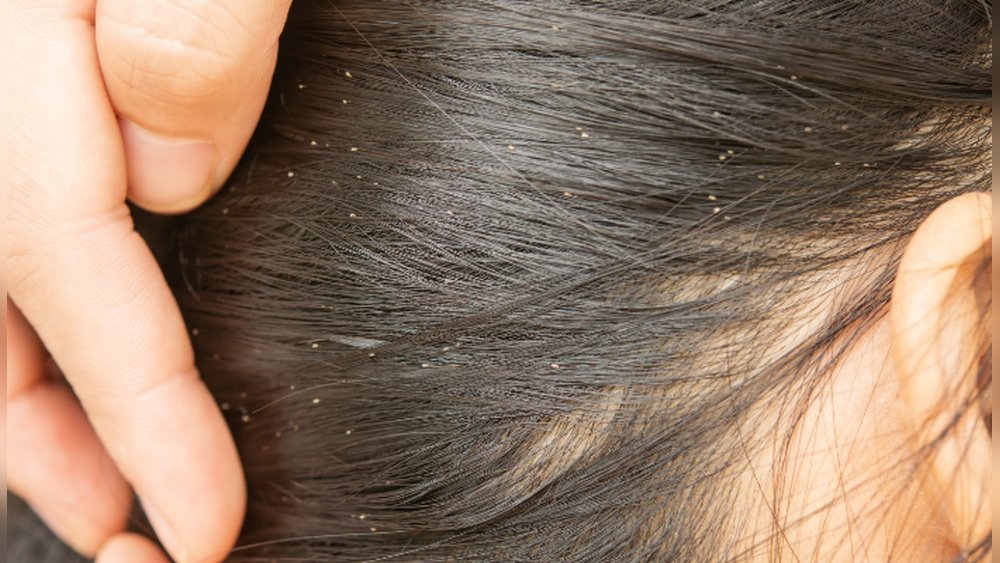
Are you wondering if straightening your hair can actually get rid of those stubborn head lice? It’s a question many people ask when faced with an itchy scalp and unwanted bugs.
You might think that the intense heat from a hair straightener could be a quick fix. But before you grab your flat iron, it’s important to know whether this method really works—or if it could do more harm than good.
Keep reading to discover the truth about using heat to kill head lice, why it might not be as effective as you think, and what safer, proven options are available to help you take control of your hair and your head lice problem.

Credit: www.licedoctors.com
Lice And Heat Exposure
Heat exposure plays a role in the life cycle of head lice. Many believe that straightening hair can kill these pests. Understanding how heat affects lice is important before trying this method. The effectiveness depends on temperature, duration, and method used. Household heat tools have limits in reaching all lice and their eggs. This section explains the impact of heat and the restrictions of common hair tools.
How Heat Affects Lice
Head lice are sensitive to heat. High temperatures can cause dehydration, leading to their death. Lice and their eggs need warmth to survive, but too much heat is harmful. Exposing lice to temperatures above 130°F (54°C) for several minutes can kill them. Heat damages their outer shell and disrupts their breathing. However, lice often hide close to the scalp where heat is lower. Eggs, or nits, are glued firmly to hair strands and resist heat damage.
Limitations Of Household Heat Tools
Hair straighteners and blow dryers do not reach consistent, high heat near the scalp. They heat small sections of hair at a time, allowing lice to move to cooler areas. The heat needed to kill lice could burn the scalp or damage hair. Nits remain unaffected because the heat does not penetrate deeply. Household tools cannot maintain the necessary temperature long enough to kill all lice. Safer, more effective treatments are recommended for lice removal.

Credit: www.theliceremovalclinic.com
Why Straighteners Fall Short
Straightening hair might seem like a quick fix to kill head lice. The heat from a straightener can harm lice. Yet, this method often fails to remove all lice and nits. Many factors limit the effectiveness of hair straighteners in lice removal.
Proximity Of Lice To Scalp
Lice live close to the scalp where it is warm and moist. Straighteners only reach the hair strands, not the scalp. Applying high heat near the scalp can cause burns. Therefore, lice near the scalp remain safe and unharmed during straightening.
Strong Attachment Of Nits
Nits are lice eggs glued tightly to hair shafts. Heat alone cannot remove these eggs. Physical removal with a fine-toothed comb is needed. Without removing nits, lice can hatch and cause reinfestation.
Missed Areas During Straightening
Hair straighteners only cover small sections at a time. Lice can move quickly to untreated areas. Many lice and nits remain hidden in parts of the hair. This leads to incomplete treatment and continued infestation.
Risk Of Hair And Scalp Damage
High heat damages hair, making it dry and brittle. Scalp burns are possible if heat touches skin. Frequent use of straighteners can worsen hair health. This risk outweighs the limited benefits for lice removal.
Heat-based Professional Treatments
Heat-based professional treatments offer a scientific approach to killing head lice. These methods use controlled heat to dry out and kill lice and their eggs. Unlike home hair straighteners, these treatments are designed to target lice safely and effectively.
They avoid burns and damage to the scalp or hair. Professionals use devices that deliver precise heat to ensure lice cannot survive. This section explains how these treatments work and their benefits.
Fda-cleared Heated Air Devices
Some heated air devices have FDA clearance for lice treatment. These tools blow hot, dry air onto the scalp and hair. The heat kills lice by drying them out quickly.
These devices reach the scalp safely, unlike flat irons or blow dryers. They treat the entire head, covering all lice and eggs. Many parents trust these devices for fast and chemical-free lice removal.
Controlled Temperature Benefits
Professional devices keep temperature steady and controlled. This control stops burns and hair damage. The heat is strong enough to kill lice but safe for skin.
Controlled heat also helps reach lice eggs stuck to the hair. The eggs dry out and die without needing harsh chemicals. This makes the treatment gentle yet effective for all ages.

Credit: www.chemist-4-u.com
Alternative Lice Removal Methods
Straightening your hair is not a reliable way to remove head lice. The heat may kill some lice but often misses many, especially the eggs. Safe and effective lice removal requires methods designed to target both live lice and their eggs. Here are some alternative lice removal methods proven to work well.
Wet Combing With Nit Combs
Wet combing is a popular method to remove lice. Hair is dampened and conditioned to make combing easier. A fine-toothed nit comb is used to carefully remove lice and nits from the hair strands. This process is repeated every few days for at least two weeks. Wet combing is gentle and chemical-free, making it safe for children and sensitive scalps.
Medicated Shampoos And Lotions
Over-the-counter medicated shampoos and lotions contain ingredients that kill live lice. These products often need to be applied twice, about a week apart. They work by suffocating or poisoning lice. Many contain permethrin or pyrethrin, which are effective but should be used with caution. Always follow the instructions on the label to avoid irritation or incomplete treatment.
Prescription Treatments
Stronger treatments are available with a doctor’s prescription. These include topical medications that kill lice resistant to common shampoos. Prescription options may include malathion, benzyl alcohol, or ivermectin. Doctors guide the use of these treatments to ensure safety and effectiveness. Prescription treatments are often used when over-the-counter options fail.
Professional Lice Removal Services
Professional lice removal offers expert care and thorough treatment. Specialists use combing and sometimes FDA-approved devices that kill lice with heated air. These services help remove lice and nits effectively in one or more sessions. Professionals can provide advice on preventing reinfestation. This option is ideal for severe or persistent lice cases.
Common Myths About Heat And Lice
Many people believe heat from styling tools can kill head lice. These myths often cause confusion and ineffective treatments. Understanding the truth about heat and lice helps avoid wasted efforts and damaged hair.
Heat styling tools do affect lice, but not enough to completely eliminate them. The lice live close to the scalp where heat does not reach safely. Also, lice eggs (nits) stick tightly to the hair and need physical removal.
Effectiveness Of Blow Dryers
Blow dryers produce warm air that may dry out lice. This can weaken some lice but does not kill all of them. The heat is not consistent or strong enough to reach lice hiding near the scalp. Blow drying alone will not remove nits, which remain attached. It is not a reliable treatment for lice infestations.
Flat Ironing Misconceptions
Flat irons get very hot and can kill lice on contact. Yet, they only touch small hair sections at a time. Lice can move away from the heated area quickly. The high heat can also burn the scalp and damage hair. Flat ironing misses eggs and lice deep near the scalp. This method is risky and ineffective as a sole lice treatment.
Safety Considerations
Using a hair straightener to kill head lice raises important safety concerns. The heat needed to kill lice might harm your scalp or hair. Careful attention to safety helps prevent injury while managing lice problems.
Avoiding Scalp Burns
Scalp skin is delicate and can burn easily from high heat. Straighteners get very hot, often over 350°F (177°C). Holding a hot iron too close to the scalp risks painful burns. Move the iron slowly and keep it away from the scalp. Use a heat protectant spray to add a barrier. Do not use a straightener on irritated or broken skin. Always test the iron on a small hair section first. If your scalp feels hot or uncomfortable, stop immediately.
Protecting Hair Health
High heat damages hair strands by drying and breaking them. Frequent straightening weakens hair, making it brittle and prone to split ends. Use the lowest heat setting that works for your hair type. Apply heat protectant products before straightening. Avoid straightening the same section multiple times. Regularly deep condition hair to restore moisture. Healthy hair resists damage better and looks smoother. Straightening should not replace proven lice treatments.
Frequently Asked Questions
Does Hair Straightening Kill Lice?
Hair straightening can kill some lice with heat, but it misses many and won’t eliminate all eggs. It’s unsafe near the scalp. Use medicated shampoos or fine-toothed combs for effective lice removal. Heat tools risk burns and hair damage, so avoid relying on straighteners alone.
Does Ironing Get Rid Of Lice?
Ironing hair does not effectively kill lice or their eggs. Heat cannot safely reach the scalp where lice reside. Irons miss many lice and can damage hair. Use medicated shampoos, wet combing, or professional treatments for safe, effective lice removal.
Does Heat Styling Your Hair Kill Lice?
Heat styling can kill some lice and nits, but it often misses many and risks scalp burns. Use medicated treatments or wet combing instead.
What Is The Fastest Way To Get Rid Of Lice In Your Hair?
The fastest way to get rid of lice is using medicated shampoos combined with wet combing using a fine-toothed nit comb. Avoid heat tools like straighteners as they can damage hair and miss lice or eggs. Consult a doctor for stronger treatments if needed.
Conclusion
Straightening hair may kill some lice but not all. Lice and eggs stay close to the scalp where heat can’t reach safely. Many lice can escape during straightening. This method risks hair damage and scalp burns. Safe and effective lice removal uses medicated shampoos or fine-toothed combing.
Professional treatments with heated air also work well. Always choose proven methods to fully remove lice and nits. Don’t rely on straightening alone to solve lice problems.
As an Amazon Associate, I earn from qualifying purchases.
Lovingshe is a participant in the Amazon Services LLC Associates Program which is an affiliate advertising program designed to provide a means for sites to earn advertising fees by advertising and linking to Amazon.com. Amazon may use cookies to track referrals from our site. Visit Amazon’s privacy policy for details
