


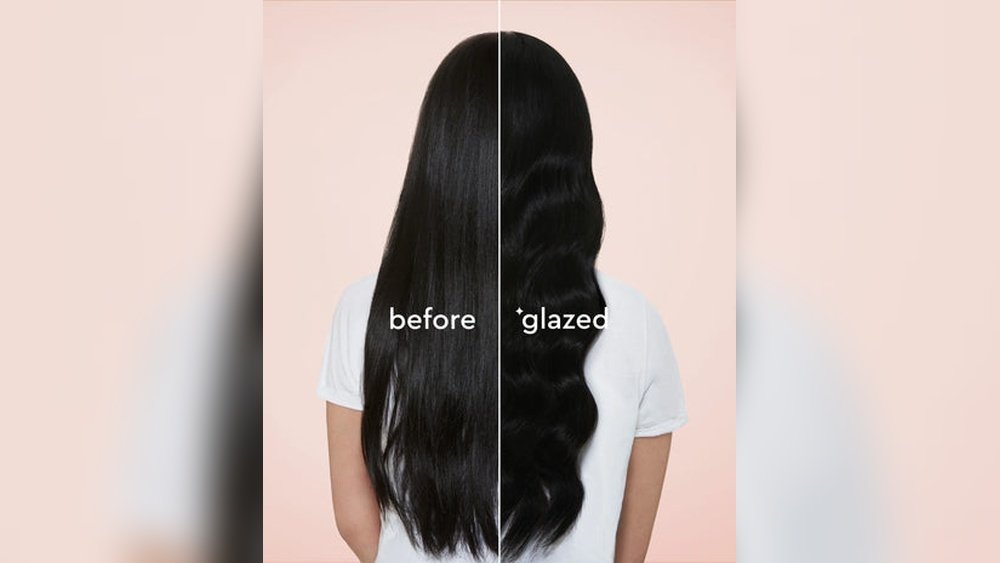
Thinking about dyeing your hair black? It’s a bold choice that can completely transform your look, but it’s not a decision to make lightly.
You might be wondering if black hair will suit your skin tone, how much upkeep it will require, or if it will really boost your confidence. Before you take the plunge, it’s important to understand what black hair dye means for your style and lifestyle.
You’ll discover the key factors to consider, simple tests to find out if black is your color, and tips to make sure your new shade looks flawless. Ready to see if black hair is your next best move? Keep reading to find out!
Benefits Of Black Hair
Choosing black hair color offers many benefits beyond just a bold look. It suits various styles and skin tones while being easy to care for. Black hair also hides imperfections and adds a natural shine that brightens your appearance.
This section explores why black hair remains a popular and practical choice for many people.
Low Maintenance And Longevity
Black hair color lasts longer than lighter shades. It does not fade as quickly, which means fewer touch-ups. This saves time and money on hair care. The deep color also hides roots better, so growing hair looks natural. It suits busy lifestyles and those wanting simple hair routines.
Conceals Damage And Enhances Shine
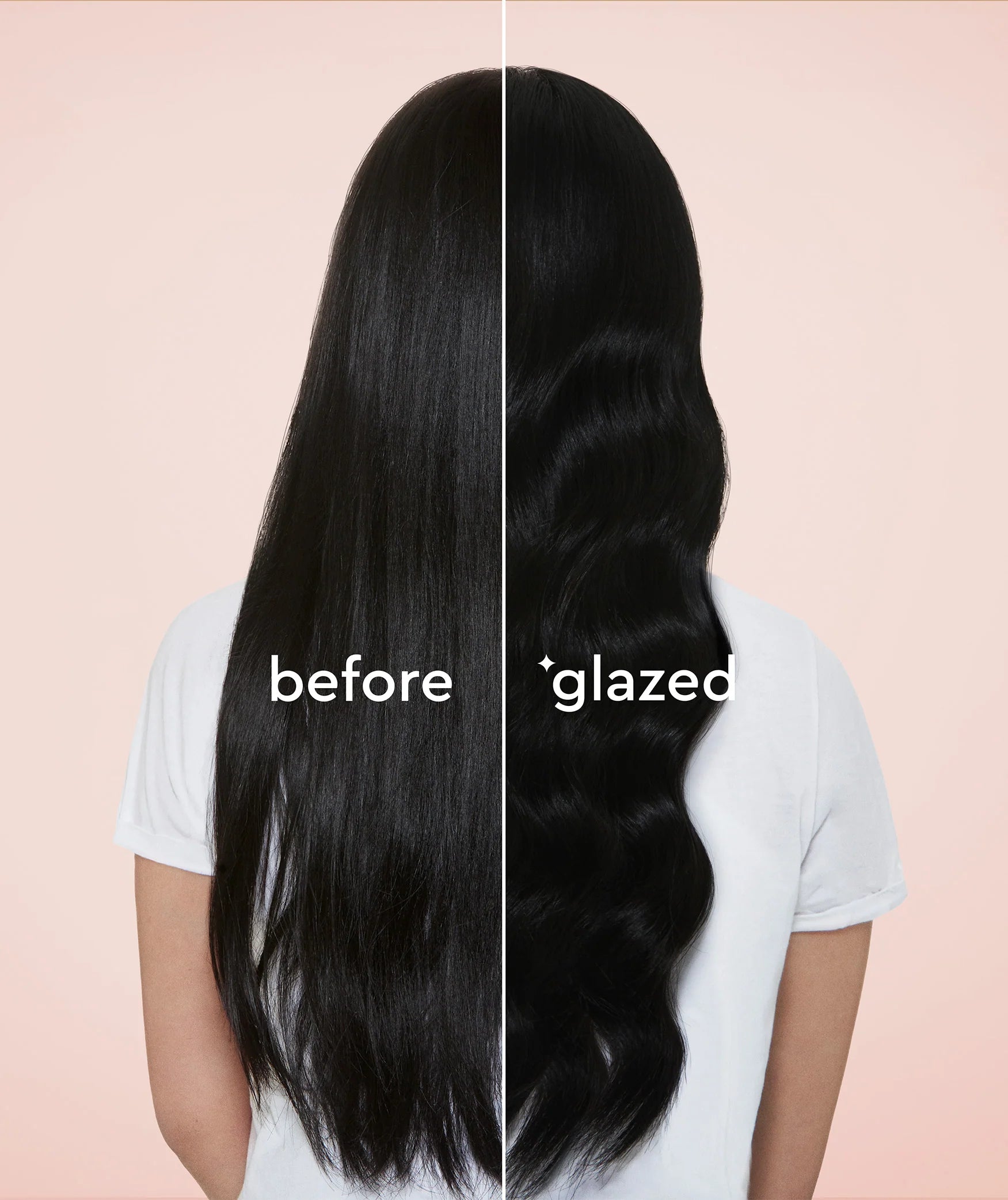
Black dye covers signs of hair damage well. Split ends, dryness, and uneven tones become less visible. The dark color adds a healthy shine that makes hair look smooth and soft. This effect gives hair a polished, well-kept appearance without extra effort.
Versatility Across Skin Tones
Black hair suits many skin tones. Cool undertones work well with true black shades. Warm undertones look great with soft black or dark brown hues. Olive and darker skin tones can carry both cool and warm blacks. This versatility allows anyone to find a flattering black shade.
Assessing Skin Undertones
Assessing your skin undertones helps decide if black hair dye will suit you. Undertones show through your skin’s natural colors beneath the surface. Knowing your undertones can prevent dye choices that wash you out or clash. Simple tests reveal if your undertone is cool, warm, or neutral. These clues guide you to the best black hair shade for your complexion.
Vein Color Test
Look at the veins on your wrist in natural light. Blue or purple veins mean you likely have cool undertones. Green veins suggest warm undertones. If veins appear blue-green or a mix, your undertone may be neutral. This test is quick and gives a clear hint about your skin’s base color.
Jewelry Preference Test
Think about which jewelry looks best on you without makeup. Silver jewelry usually flatters cool undertones. Gold jewelry tends to suit warm undertones better. If both silver and gold look good, you might have neutral undertones. This test helps match hair colors that complement your natural glow.
Paper Color Test
Hold a piece of white paper next to your bare face in daylight. Look for any color reflection on your skin. A yellow or golden glow means warm undertones. A pink or rosy glow signals cool undertones. If you see no strong color, your undertone could be neutral. This test shows how your skin reacts to pure white light.
Matching Black Shades To Skin
Choosing the right black shade for your hair depends on your skin tone. Matching black shades to skin enhances your natural beauty. It creates balance and makes your hair color look more natural. Different skin undertones pair best with specific black shades. Knowing your undertone guides you to the perfect black hair color.
Cool Undertones And True Black
People with cool undertones have skin with pink, red, or blue hints. True black hair with blue undertones suits cool skin best. This deep black shade creates a sharp contrast and makes features pop. True black also brightens cool-toned complexions without washing them out. This shade looks bold and stylish on cool undertones.
Warm Undertones And Dark Chocolate
Warm undertones show hints of yellow, peach, or golden hues in the skin. Dark chocolate black shades work well with warm skin tones. This rich brown-black color blends with warm undertones for a soft, natural look. Dark chocolate adds warmth and depth without looking harsh. It prevents the skin from appearing dull or washed out.
Neutral And Olive Skin Tones
Neutral skin tones balance cool and warm undertones. Olive skin has a greenish or muted golden shade. Both skin types are very versatile with black hair colors. They can wear either true black or warm black shades. Neutral and olive skin tones allow more freedom in choosing black hair shades. Try different blacks to find your perfect match.
Credit: glazehair.com
Considering Hair And Contrast
Choosing to dye your hair black involves more than just picking a color. Contrast between your hair, skin, and eyes plays a key role. Contrast affects how natural or striking your hair color looks on you. Understanding this can help you decide if black suits your style and features.
Some people have strong contrast between their hair and skin. Others have softer, less obvious differences. Hair volume and thickness also affect how black hair appears. Each of these points matters when thinking about dyeing hair black.
High Contrast Features
High contrast means a big difference between skin, eyes, and hair color. Dark eyes and fair skin create a sharp contrast with black hair. This makes black hair look bold and intense.
People with high contrast often find black hair very flattering. It highlights their features and adds drama to their look. Black hair can bring out eye color and skin tone beautifully.
Low Contrast And Fair Skin
Low contrast means hair, skin, and eyes have similar tones. Fair skin with light eyes and dark hair is an example. Jet black hair might look too harsh on low contrast faces.
Softer black shades or dark browns suit low contrast well. They add depth without overwhelming the skin tone. This approach keeps your look natural and balanced.
Hair Volume And Thickness
Hair texture changes how black dye looks. Thick, voluminous hair reflects light differently than thin hair. Black color on thick hair can appear rich and shiny.
Thin hair dyed black might look flat or dull. Adding layers or styling can help add dimension. Consider your hair’s volume before choosing pure black dye.
Trying Black Hair Before Dyeing
Trying black hair before dyeing is a smart step. It helps you see how the color fits your style and skin tone. Testing the look first avoids surprises and saves time and money. There are simple ways to preview black hair without a permanent change. These methods give a clear idea of the final result.
Virtual Try-on Tools
Virtual try-on tools let you see black hair on your photo. Upload your picture to apps or websites. These tools show how different shades of black look on you. They are easy to use and fast. You can try many styles and tones from deep black to soft black-brown. Virtual try-ons help you choose the best shade for your skin and features.
Using Wigs Or Temporary Color
Wearing a black wig is a simple way to test the look. Choose a wig that matches the black shade you want. Wigs give a realistic feel of how your hair will appear. Temporary hair color sprays or chalks also work well. They wash out easily and let you try black without damage. These options let you live with black hair for a day or two.
Seeking Opinions From Stylists And Friends
Ask professional stylists for advice on black hair. They can suggest shades that suit your skin tone. Stylists often have experience with different hair colors. Friends and family can give honest feedback too. Show them your virtual try-on or wig look. Their opinions add confidence to your final decision.
Common Concerns With Black Hair
Dyeing hair black is a popular choice but raises some common concerns. Many wonder how black hair suits different skin tones and affects hair health. Others worry about maintaining the color’s vibrancy over time. Understanding these issues helps decide if black hair dye fits your style and lifestyle.
Potential Harshness On Fair Skin
Black hair can sometimes look too sharp against fair skin. The deep color creates a strong contrast that may feel harsh. This contrast can make facial features appear more severe. Softer dark shades, like dark brown or warm black, often suit fair skin better. Choosing the right shade prevents the black from washing you out.
Maintenance Of Color Vibrancy
Black hair dye usually lasts longer than lighter colors. The dark pigment holds well and fades less quickly. Still, fading can occur with exposure to sun and frequent washing. Using color-safe shampoos helps keep the black rich and shiny. Regular touch-ups may be needed to maintain an even tone.
Impact On Hair Health
Black dye can be gentle if applied properly. Permanent black dyes often contain strong chemicals that may dry out hair. Overuse of dye weakens hair strands and causes breakage. Conditioning treatments and gentle hair care reduce damage. Healthy hair looks better and holds color longer.
Choosing The Right Black Dye
Choosing the right black dye is key to achieving the look you want. Black hair can appear in many shades and styles. Picking the right type and tone affects how natural and flattering your hair looks. Consider how long you want the color to last and what shade fits your skin best. Also, decide between doing it yourself or visiting a professional. These choices help you get the perfect black hair color.
Permanent Vs Temporary Dyes
Permanent black dyes offer long-lasting color that won’t wash out easily. They penetrate the hair shaft and cover gray hairs well. Temporary dyes sit on the hair surface and fade after a few washes. They are good for short-term changes or special events. Permanent dyes require more commitment but need less frequent touch-ups. Temporary dyes allow for more color changes without damage.
Selecting Warm Or Cool Black Shades
Warm black shades have hints of brown or red. They suit skin with yellow or peach undertones better. Cool black shades have blue or ash tones. They work well with skin that has pink or blue undertones. Choose a shade that matches your skin’s undertone to avoid looking washed out. Testing your skin tone helps pick the best black shade for your hair.
Professional Salon Vs Box Dye
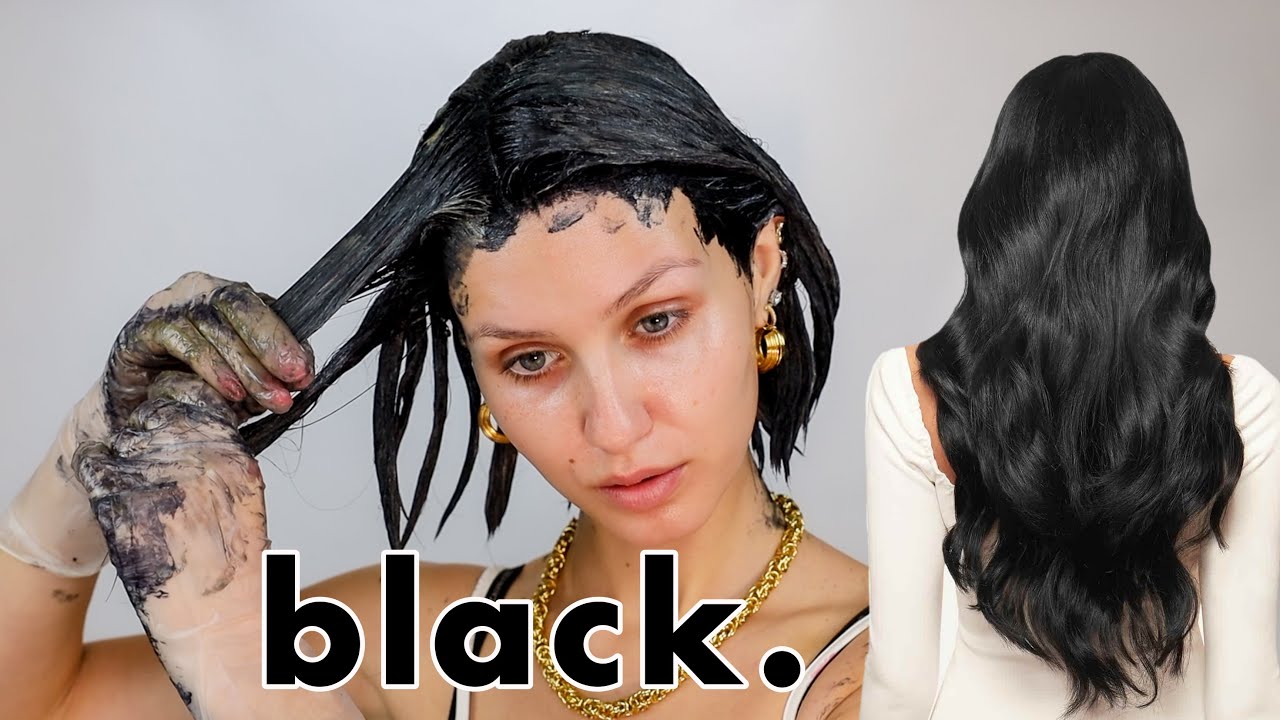
Professional salons use high-quality products and custom formulas. Stylists can tailor the dye to your hair type and desired shade. They also offer expert application to avoid uneven color. Box dyes are cheaper and convenient for home use. They come with instructions but may not suit all hair types. Salons give better results but cost more. Box dyes are good for simple, quick color changes.
Credit: www.youtube.com

Credit: www.youtube.com
Frequently Asked Questions
Is Dyeing Hair Black A Good Idea?
Dyeing hair black offers a sleek, low-maintenance look that hides damage well. Choose shades that match your skin tone for the best results.
How Do I Know If Black Hair Suits Me?
Check your skin’s undertone by examining wrist veins and jewelry preference. Cool tones suit true black; warm tones prefer softer blacks. Use virtual try-ons or temporary dyes. Dark or olive skin handles black well; fair skin looks better with softer dark shades.
Which Is The Healthiest Hair Color?
The healthiest hair color is natural or semi-permanent shades. They cause less damage and maintain hair strength and shine. Avoid frequent bleaching or harsh dyes to protect hair health.
Does Black Hair Make You Look Younger Or Older?
Black hair can make you look younger by adding contrast and vibrancy. On fair skin, it may appear harsh and age you. Choose shades based on skin tone and hair volume for a youthful effect.
Conclusion
Choosing to dye your hair black is a personal decision. Consider your skin tone and natural hair color first. Dark shades often look elegant and can hide damage well. Remember, black hair needs less frequent touch-ups compared to lighter colors.
Test different shades virtually or with wigs before making a change. Keep in mind how black hair suits your lifestyle and hair texture. Make sure you feel confident and comfortable with your new look. This will help you enjoy your black hair to the fullest.
As an Amazon Associate, I earn from qualifying purchases.
Lovingshe is a participant in the Amazon Services LLC Associates Program which is an affiliate advertising program designed to provide a means for sites to earn advertising fees by advertising and linking to Amazon.com. Amazon may use cookies to track referrals from our site. Visit Amazon’s privacy policy for details
