


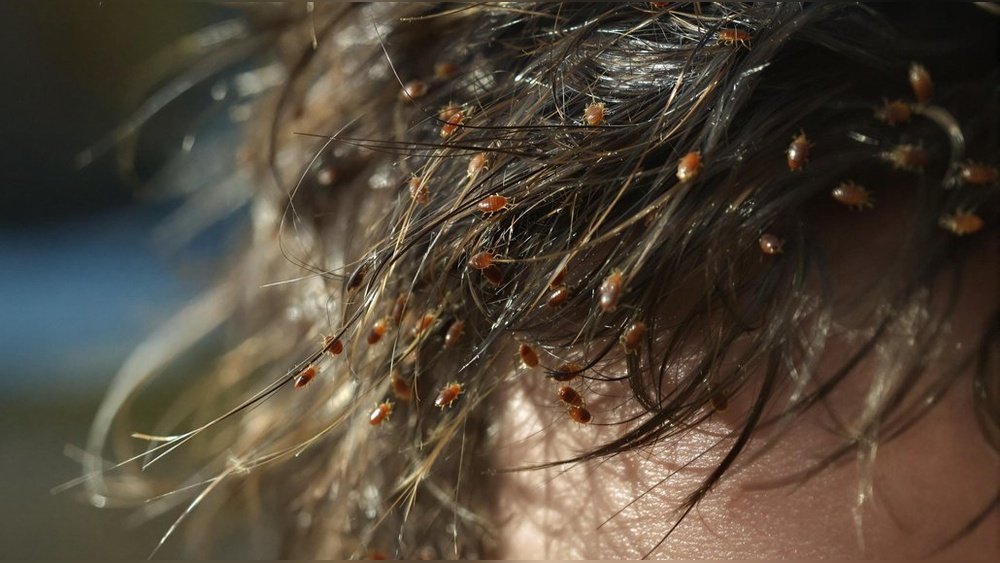
Can bed bugs really get in your hair? If you’ve ever felt itchy and worried about tiny bugs crawling around your scalp, you’re not alone.
Many people wonder if those irritating bites or crawling sensations mean bed bugs have made your hair their home. The truth might surprise you. Bed bugs prefer hiding in mattresses and furniture, not in hair. But how can you be sure?
And what should you do if you spot bugs or eggs in your hair? You’ll discover the key differences between bed bugs and head lice, learn how to identify the signs of an infestation, and find out the best steps to take to protect yourself and your family. Keep reading to clear up the confusion and put your mind at ease.
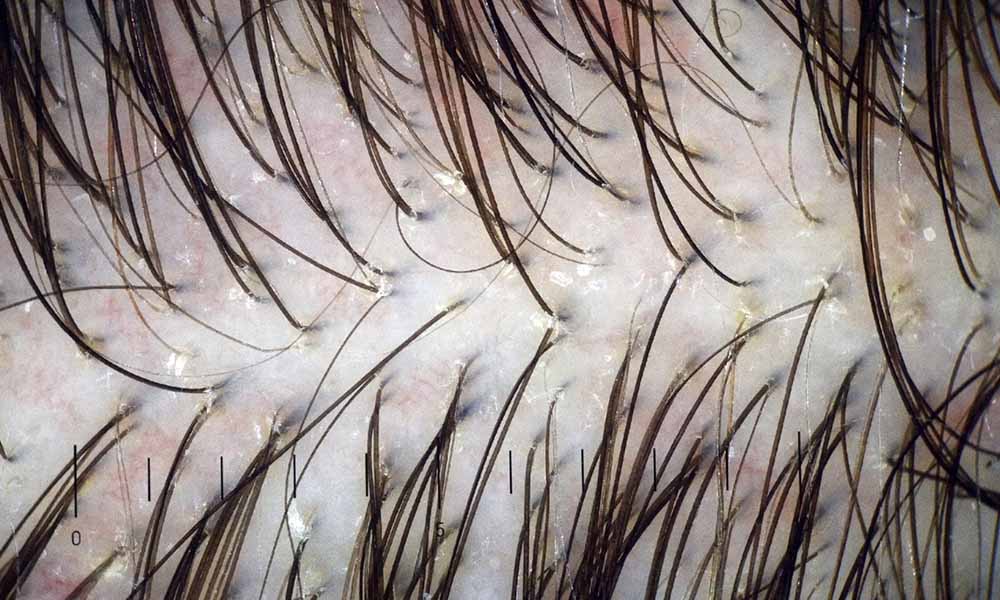
Credit: txbedbugexperts.com
Bed Bugs Behavior
Bed bugs are small, nocturnal insects that feed on human blood. They are experts at hiding during the day and coming out only at night. Understanding their behavior helps to know if they can get in your hair.
These bugs prefer to stay close to their food source but rarely move far during the day. Their movements are slow, and they tend to avoid light. This behavior makes them hard to spot and control.
Where Bed Bugs Hide
Bed bugs hide in tight, dark spaces near where people sleep. Common hiding spots include mattress seams, bed frames, and headboards. They can also be found in cracks of furniture and behind wallpaper.
They do not usually live on people or in hair. Instead, they stay close to resting spots to feed during the night. Their hiding places keep them safe from detection and disturbance.
Feeding Habits
Bed bugs feed on blood, mostly at night while the host sleeps. They use their mouthparts to pierce the skin and suck blood for about five minutes. After feeding, they return to their hiding spots to digest.
They prefer exposed skin, such as the neck, face, and arms, but rarely crawl on hair. Feeding does not require them to live on the body. This is why bed bugs in hair are very uncommon.
Credit: txbedbugexperts.com
Bed Bugs And Hair
Bed bugs are known for hiding in mattresses and furniture. Many people worry about these pests getting into their hair. Understanding their habits helps clear up this concern. Let’s explore the relationship between bed bugs and hair.
Can Bed Bugs Live In Hair?
Bed bugs do not live in hair. They prefer to stay near places where people rest. Their favorite spots include mattress seams and cracks in furniture. Bed bugs feed on exposed skin, not hair. They come out mainly at night to bite.
Bed bugs are not adapted to cling to hair strands. Their bodies are flat, designed to hide in tight spaces, not on moving hair. Unlike lice, bed bugs cannot hold on to hair securely. They would struggle to survive there.
Why Hair Is Not Ideal For Bed Bugs
Hair moves constantly, making it hard for bed bugs to stay in place. Hair also offers no shelter or hiding spots for these pests. Bed bugs need stable, dark areas near the skin to rest between meals.
Scalp oils and hair products can repel or harm bed bugs. The scalp is a hostile environment compared to mattress seams or furniture cracks. Bed bugs prefer still, quiet places to avoid detection.
Because of these factors, hair is not a good habitat for bed bugs. They focus on hiding close to bedding or furniture instead. This behavior makes infestations easier to spot and treat.
Symptoms Around Hair And Scalp
Symptoms around the hair and scalp are key to identifying bed bug bites. Bed bugs rarely live in hair but their bites can appear on the scalp and neck. These bites cause discomfort and irritation. Recognizing these symptoms helps in early detection of an infestation. Below are common signs seen near the hair and scalp.
Itchy Red Welts
Bed bug bites cause red, raised welts on the skin. These welts are often itchy and swollen. They appear mostly on exposed areas like the face, neck, and scalp. The welts tend to form in lines or small clusters. Scratching the bites can lead to further irritation or infection.
Delayed Bite Reactions
Bites may not show symptoms immediately. Sometimes, the skin reacts after several days. This delay can make it hard to link the bites to bed bugs. The reaction varies from person to person. Some may only notice mild itching or redness.
Other Signs Of Infestation
Look beyond bites to find other clues of bed bugs. Tiny blood spots on sheets or pillowcases are common. Dark spots or stains from bed bug excrement may appear on mattresses. Shed skins or small eggs can also be found near sleeping areas. A musty, sweet odor often signals a larger infestation.
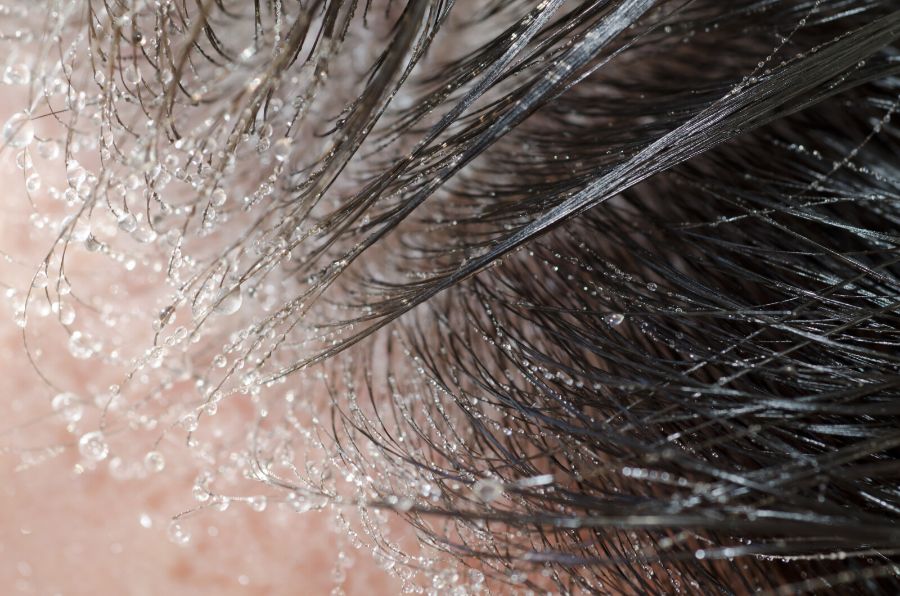
Credit: naturesmace.com
Distinguishing Bed Bugs From Head Lice
Bed bugs and head lice are two pests that cause discomfort but differ greatly. Knowing how to tell them apart helps you treat the problem correctly. Both bugs may cause itching, but their habits and appearances vary. This section explains how to distinguish bed bugs from head lice clearly.
Appearance Of Head Lice And Nits
Head lice are tiny insects about the size of a sesame seed. They are gray or tan and move quickly on the scalp. Nits are lice eggs. They look like tiny white or yellowish dots stuck firmly to hair strands near the scalp. Nits do not fall off easily and often look like dandruff but cannot be brushed away.
Common Symptoms Of Head Lice
Head lice cause intense itching on the scalp. The itching comes from an allergic reaction to lice bites. People may also notice small red bumps or sores on the scalp or neck. Lice can cause tickling feelings or the sensation of something moving in the hair. These symptoms usually appear soon after infestation.
Key Differences In Habitat And Behavior
Bed bugs do not live on the body or hair. They hide in mattresses, bed frames, and furniture near sleeping areas. Bed bugs come out at night to feed on exposed skin, usually on the face, neck, and arms. Head lice live only on the scalp and hair. They do not infest bedding or furniture. This habitat difference helps identify which pest is present.
What To Do If Bugs Are Found In Hair
Discovering bugs in your hair can cause panic and confusion. Knowing the right steps helps you act fast and reduce discomfort. Identifying whether the bugs are lice or bed bugs is key to effective treatment. Both require different approaches to solve the problem. This section guides you through what to do after finding bugs in your hair.
Treating Head Lice
Head lice live on the scalp and lay tiny eggs called nits. They cause itching and can spread quickly through close contact. Start by using a fine-tooth nit comb to remove lice and nits from the hair. Use a medicated shampoo designed to kill lice, following the instructions carefully. Repeat the treatment after seven to ten days to catch any newly hatched lice. Wash bedding, hats, and clothes in hot water to prevent reinfestation. Avoid sharing personal items such as combs and hats during treatment.
Handling Bed Bug Infestations
Bed bugs rarely live in hair but bite exposed skin near the head. Inspect your sleeping area for signs like rust-colored stains or tiny black spots on mattresses. Wash all bedding and clothing in hot water and dry on high heat. Vacuum mattresses, bed frames, and furniture thoroughly. Use protective covers on mattresses to trap any remaining bugs. Contact a professional pest control service for thorough inspection and treatment. Do not try to treat bed bugs on your own with over-the-counter products meant for lice.
Common Misconceptions
Many people wrongly believe bed bugs can live in hair. This confusion causes unnecessary worry. Understanding common misconceptions helps clarify the truth. Bed bugs rarely infest hair because they prefer hiding in bedding or furniture. People often mistake other insects or skin conditions for bed bugs in hair. Clearing these myths can guide proper pest control and treatment.
Bed Bugs In Private Areas
Some assume bed bugs hide in private areas, including hair. Bed bugs prefer areas where skin is exposed during sleep. They mostly bite arms, neck, and face. They do not live in hair or scalp. The bugs do not have the ability to cling to hair shafts like lice. Their bodies are flat, making it hard to stay on hair. Bed bugs seek warmth and blood but avoid hair. Private areas may have bites but not bed bugs themselves.
Misidentifying Other Insects
Many confuse lice or other small bugs with bed bugs. Lice live on the scalp and attach eggs to hair. They cause intense itching and visible flakes. Bed bugs do not attach eggs to hair. Fleas and mites can also be mistaken for bed bugs. These insects have different habits and habitats. Spotting the right pest is key to treatment. Identifying symptoms and signs correctly avoids wrong assumptions.
Frequently Asked Questions
How Do You Know If Bed Bugs Are In Your Hair?
Bed bugs rarely infest hair; they prefer beds and furniture. Intense itching, red welts on exposed skin, and rust-colored spots on sheets signal infestation. Bugs or eggs in hair usually indicate head lice, which cause scalp itching and visible nits.
Check bedding and seek pest control if needed.
Where Do Bed Bugs Hide In Your Body?
Bed bugs rarely hide on your body. They prefer bedding, furniture, and skin exposed during sleep, not hair or scalp.
Can Bed Bugs Get In Your Private Parts?
Bed bugs rarely infest private parts; they prefer hiding in bedding or furniture. Bites appear on exposed skin, not inside private areas.
Do Bed Bugs Stay On Your Skin After A Shower?
Bed bugs do not stay on your skin after a shower. They prefer hiding in bedding and furniture, not on your body.
Conclusion
Bed bugs do not live in hair like lice do. They prefer hiding in beds and furniture. Bites cause itchy red welts on exposed skin, not scalp. Seeing bugs or eggs in hair usually means lice infestation. Treat lice with special shampoos and combs to remove nits.
Check your bedding carefully if you suspect bed bugs. Call a pest control expert for proper bed bug removal. Knowing these differences helps protect your home and health. Stay alert and act quickly to avoid bigger problems.
As an Amazon Associate, I earn from qualifying purchases.
Lovingshe is a participant in the Amazon Services LLC Associates Program which is an affiliate advertising program designed to provide a means for sites to earn advertising fees by advertising and linking to Amazon.com. Amazon may use cookies to track referrals from our site. Visit Amazon’s privacy policy for details
