


Are you worried that coloring your hair might be causing it to fall out? You’re not alone.
Many people wonder if the vibrant hues and stylish changes they crave come with a hidden cost—thinning hair or even hair loss. The truth is, hair dye can affect your hair’s health, but understanding how it works can help you protect your locks.
You’ll discover the real reasons behind hair fall linked to hair coloring, how to spot the signs before it’s too late, and simple steps you can take to keep your hair strong and healthy. Keep reading, because the answer to your hair care concerns is closer than you think.

Credit: www.youtube.com
Hair Dye And Hair Fall
Hair dye is a popular way to change appearance quickly. Many wonder if dyeing hair causes hair fall. Hair dye can affect hair health in various ways. Understanding how it influences hair fall helps you make better choices.
Chemical Effects On Hair
Hair dyes contain chemicals like peroxide and ammonia. These chemicals remove natural color and open hair cuticles. This process weakens the hair shaft. Weak hair shafts break easily, causing strands to fall out. The damage mostly affects the hair strand, not the root. Overuse of harsh chemicals increases breakage risk. Bleaching is especially harsh and can dry out hair.
Impact On Hair Shaft Vs Follicle
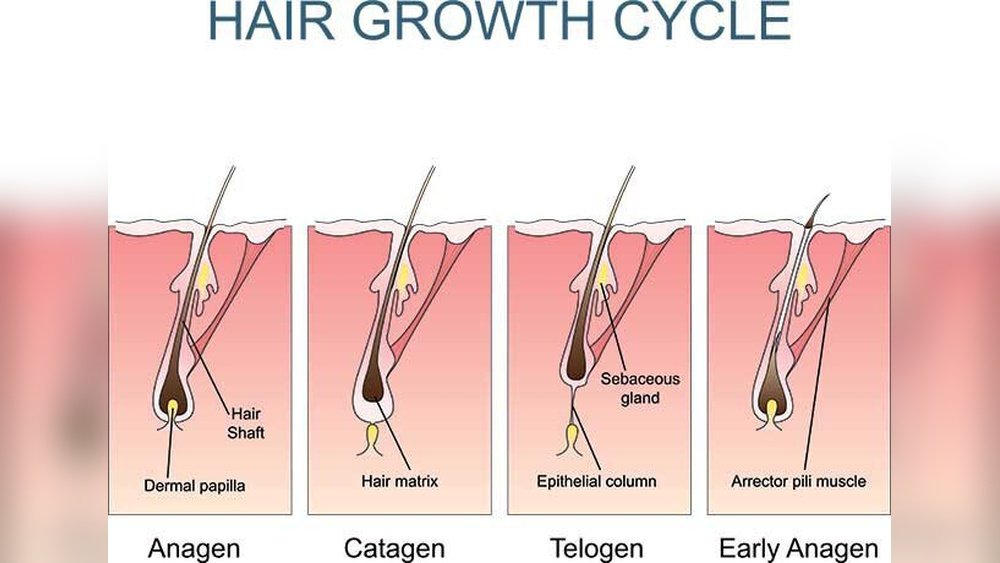
The hair shaft is the visible part of hair. The follicle is the root beneath the scalp. Hair dye mainly harms the hair shaft. The follicle usually stays healthy if the scalp is not irritated. Scalp irritation or allergic reactions can harm follicles. This can cause temporary hair loss from the root. Most hair fall after dyeing is from broken shafts, not follicle damage.
Temporary Vs Permanent Loss
Hair loss from dyeing is often temporary. Broken strands make hair look thinner but regrow over time. Follicle damage from allergies may cause temporary shedding. Permanent hair loss from dyeing is rare. Avoiding frequent bleaching and harsh dyes lowers risk. Using gentle products helps hair recover faster. Proper care after dyeing supports healthy hair growth.
Credit: www.totaldermatology.com
How Hair Dye Damages Hair
Hair dye changes hair color by using strong chemicals. These chemicals can harm the hair and scalp. Damage happens mostly to the hair shaft, the part we see. The hair follicle, under the skin, is usually safe but can be affected by allergies. Understanding this damage helps protect your hair better.
Protein And Lipid Stripping
Hair dye removes natural proteins and lipids from hair strands. These proteins keep hair strong and flexible. Lipids help hair retain moisture and shine. Without them, hair becomes dry and brittle. This makes hair break easily and look dull.
Weakened Hair Structure
Chemicals in hair dye weaken the hair’s internal structure. The hair shaft loses its strength and elasticity. Weakened hair snaps, especially at the ends. This breakage looks like hair loss but is actually hair damage. Regular dyeing increases this effect over time.
Scalp Irritation And Allergies
Hair dye ingredients can irritate the scalp’s sensitive skin. This irritation causes itching, redness, and inflammation. Allergic reactions may cause more serious issues like swelling or rash. Inflammation can lead to temporary hair shedding from the root. Protecting the scalp reduces these risks.
Signs Of Hair Damage From Coloring
Hair coloring can change your look but may also cause damage. Recognizing early signs helps protect your hair health. Hair damage from coloring often shows in different ways. Paying attention to these signs can prevent further harm.
Hair Breakage And Thinning
Colored hair can become fragile and weak. Chemicals in dyes break down hair proteins. This leads to strands snapping easily. Breakage causes hair to look thinner over time. Thin patches may appear where hair breaks most.
Scalp Redness And Itching
Hair dye can irritate the scalp. Redness and itching are common signs of irritation. The scalp may feel dry and sore. Scratching can worsen the problem and harm hair roots. These symptoms show your scalp is stressed.
Allergic Reactions
Some people react strongly to hair color chemicals. Allergic reactions cause swelling and redness. In severe cases, blisters or rashes appear. This can lead to hair loss around affected areas. Stop using the dye immediately if this happens.

Credit: dhimexico.com
Preventing Hair Fall From Dyeing
Dyeing hair can sometimes cause hair fall due to chemical damage. Preventing this starts with careful choices and good habits. Protecting hair from damage helps keep it strong and healthy. Simple steps reduce breakage and scalp irritation. These reduce hair fall linked to coloring.
Choosing Gentle Products
Select hair dyes with mild formulas. Look for products free from ammonia and alcohol. Semi-permanent dyes are less harsh than permanent ones. Use shampoos and conditioners made for color-treated hair. These keep hair moisturized and reduce dryness. Avoid products with strong chemicals that weaken hair strands.
Professional Coloring Techniques
Visit skilled colorists for hair dyeing. Professionals know how to apply dye safely. They use techniques that limit hair damage. Avoid overlapping dye on already colored hair. This prevents excessive chemical exposure. Experts also protect the scalp during application. Proper timing avoids over-processing and breakage.
Performing Patch And Strand Tests
Test hair dye on a small skin area first. Patch tests check for allergic reactions. A strand test reveals how hair reacts to the dye. It shows if hair will become dry or brittle. These tests help avoid unexpected damage or hair loss. Always wait 24-48 hours before full application after tests.
Hair Care Post-coloring
Taking care of hair after coloring is crucial to keep it healthy and strong. Color treatments can weaken hair strands, making them prone to breakage and loss. Proper post-color care helps maintain moisture and protects the hair from further damage. Healthy hair looks vibrant and feels soft to touch.
Using Color-safe Shampoos And Conditioners
Choose shampoos and conditioners made for color-treated hair. These products are gentle and help preserve hair color. They contain ingredients that protect the hair shaft and prevent fading. Avoid regular shampoos that strip natural oils and color from your hair.
Color-safe products keep hair hydrated and reduce dryness. They improve hair texture and reduce breakage. Using the right shampoo and conditioner extends the life of your hair color.
Deep Conditioning Treatments
Deep conditioning treatments restore moisture lost during coloring. These treatments repair damaged hair strands and add shine. Use a deep conditioner once or twice a week for best results.
Apply the treatment from roots to tips and leave it on for 15 to 30 minutes. Rinse with cool water to seal the hair cuticle. This process strengthens hair and reduces hair fall caused by brittleness.
Avoiding Heat And Harsh Styling
Heat styling tools like blow dryers, straighteners, and curling irons can worsen hair damage. Avoid using them frequently after coloring. High heat weakens hair proteins and causes split ends.
Limit harsh styling practices such as tight braids or rough brushing. These can pull and break fragile hair strands. Let your hair air dry and use gentle styling methods to protect your colored hair.
When To See A Specialist
Knowing when to see a specialist is crucial if you suspect hair colour is causing hair fall. Early attention can prevent further damage and promote healthier hair growth. Some signs need professional care beyond home treatments. Understanding these signs helps you act quickly and wisely.
Signs Of Severe Hair Loss
Severe hair loss shows as large clumps falling out during washing or brushing. Noticeable thinning or bald spots also indicate serious issues. Hair falling out in patches or sudden shedding needs urgent care. These signs suggest damage to hair follicles or scalp health.
Dealing With Allergic Reactions
Allergic reactions from hair dye cause redness, itching, or swelling on the scalp. Sometimes, blisters or sores develop, which require medical attention. If irritation lasts more than a day or worsens, consult a specialist. Allergies can damage hair roots and increase hair fall.
Consulting Dermatologists
Dermatologists diagnose hair and scalp problems accurately. They identify if hair loss is due to dye chemicals or other conditions. A specialist can recommend treatments to stop hair fall and restore scalp health. Early consultation improves chances of recovery and prevents permanent damage.
Frequently Asked Questions
Does Coloring Your Hair Cause Hair Loss?
Coloring hair can cause temporary hair thinning due to chemical damage and breakage, not permanent follicle loss. Use gentle dyes and proper care to reduce risk.
How To Stop Hair Fall After Coloring?
Use gentle, ammonia-free dyes and deep condition hair regularly. Avoid harsh brushing and heat styling. Perform strand tests before coloring. Maintain scalp health with soothing treatments. Consult a dermatologist if hair fall persists after coloring.
Which Hair Color Does Not Cause Hair Loss?
Semi-permanent and ammonia-free hair dyes cause less damage and lower hair loss risk. Natural henna is safest. Avoid bleach and harsh chemicals to protect hair health.
Does Hair Dye Cause Permanent Hair Fall?
Hair dye usually causes temporary hair thinning due to chemical damage. It weakens hair strands but does not harm follicles permanently. With proper care, hair regrows after the dye’s effects fade.
Conclusion
Hair color can cause hair fall, but usually from breakage, not roots. Harsh chemicals weaken hair strands, making them snap easily. Scalp irritation may cause temporary shedding too. Choosing gentle dyes and caring for your hair reduces damage. Regular conditioning keeps hair strong and healthy.
Always test products before full use to avoid reactions. If hair loss feels severe or unusual, see a dermatologist. Remember, proper care helps maintain your hair’s natural health. Hair dye does not directly cause permanent hair loss in most cases.
As an Amazon Associate, I earn from qualifying purchases.
Lovingshe is a participant in the Amazon Services LLC Associates Program which is an affiliate advertising program designed to provide a means for sites to earn advertising fees by advertising and linking to Amazon.com. Amazon may use cookies to track referrals from our site. Visit Amazon’s privacy policy for details
